

Mango Sago: A Creamy Southeast Asian Summer Dessert
Mango Sago is the kind of dessert that tastes like a tropical vacation — silky coconut milk, bursts of ripe mango, and chewy tapioca pearls in every spoonful. It's the beloved Southeast Asian sweet that's as beautiful as it is easy to make at home. If you've never tried it, this summer is your moment.
Featured Recipe
Mango Sago
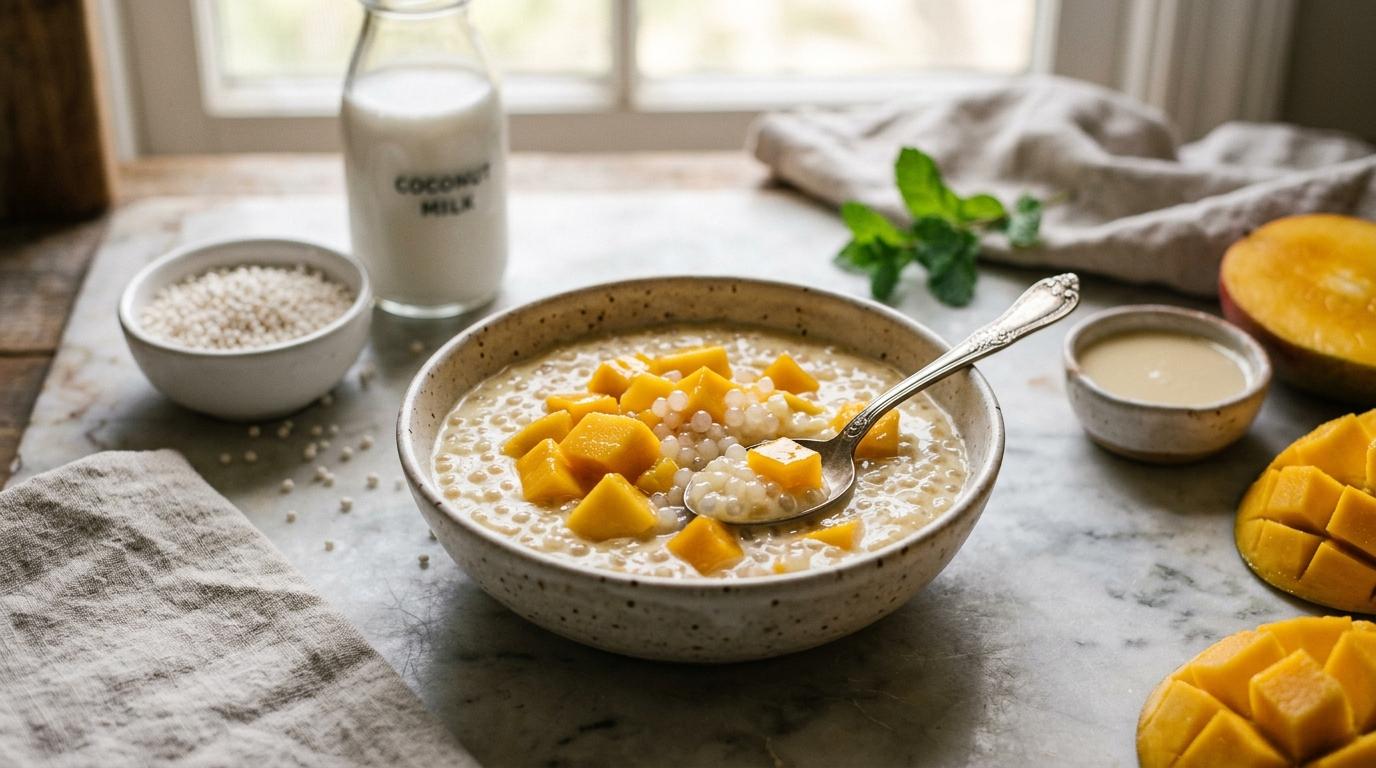
Close your eyes and picture a warm afternoon somewhere between Hong Kong and Manila — the kind of heat that makes you crave something cold, creamy, and deeply satisfying. That's where mango sago lives. This iconic Southeast Asian dessert layers sweet, blended mango with rich coconut milk and those irresistibly chewy mini tapioca pearls into a bowl of sunshine you can eat. Whether you've tasted it at a dim sum restaurant or spotted it on social media and felt immediately curious, making it at home is far simpler than you might expect. This recipe comes from Thewoksoflife, and we've transformed it into an immersive cooking experience on Meez. In just 40 minutes, you can have a dessert that looks like it came from a specialty dessert café — no special equipment, no obscure technique, just ripe mangoes and a little patience.
The Story Behind This Dish
Mango sago has roots in the vibrant dessert culture of Southeast and East Asia, where sweet soups and chilled puddings have been a cornerstone of street food and restaurant menus for generations. The dish is closely associated with Hong Kong-style dessert shops, known locally as tong sui parlors, where cold mango and pomelo sago became a signature menu item in the 1980s and 90s. From there, its popularity spread across mainland China, the Philippines, Singapore, and Malaysia, each culture putting its own stamp on the recipe — some adding pomelo segments for a citrusy pop, others layering in evaporated milk or adjusting the sweetness to local preferences.
At its heart, though, the dish has always been about celebrating the mango. In many Asian cultures, the Alphonso or Ataulfo mango varieties are prized above all others for their floral sweetness and butter-soft texture. The addition of sago — a type of tapioca pearl traditionally derived from the starch of tropical palms — gives the dessert its distinctive, playful chew. It's a combination that manages to feel both ancient and impossibly refreshing.
Key Ingredients Spotlight
Ripe Mangoes: The star of the show. For the best mango sago, you want mangoes that are deeply fragrant, yielding to gentle pressure, and as sweet as possible. Ataulfo (also called honey or champagne mangoes) are a fantastic choice for their rich, fiberless flesh and floral sweetness. If those aren't available, any variety at peak ripeness will work beautifully — just taste before you blend and adjust sweetness accordingly.
Mini Tapioca Pearls: Unlike the large boba pearls used in bubble tea, this recipe calls for small-sized tapioca pearls, which cook faster and distribute more evenly throughout the dessert. Look for them in Asian grocery stores or online. They should turn completely transparent when fully cooked — any white center means they need more time.
Unsweetened Coconut Milk: Full-fat canned coconut milk creates the creamy, lush base that makes this dessert feel indulgent. Avoid light coconut milk here — the richness is part of what makes mango sago so satisfying. Sweetened condensed milk adds just the right touch of caramel sweetness and helps bind the flavors together.
Pro Tips for Perfect Results
Don't rush the tapioca. The most common mistake with mango sago is undercooking the tapioca pearls. They need to be completely translucent — no white dot in the center — before you stop the heat. If they're not quite there after 20 minutes of simmering, the trick is to turn off the heat, put the lid on, and let them steam in the residual heat for another 10 minutes. This gentle finish prevents mushy pearls while ensuring they're cooked all the way through.
Rinse and soak in cold water. Once drained, immediately rinse the tapioca in cold water and let them soak. This stops the cooking instantly and keeps each pearl distinct and bouncy rather than clumped together into a starchy mass.
Chill before combining. For the best texture contrast, blend your mango-coconut mixture first and let it chill in the refrigerator for at least an hour before stirring in the tapioca. This way, the tapioca stays springy and doesn't absorb too much liquid before serving.
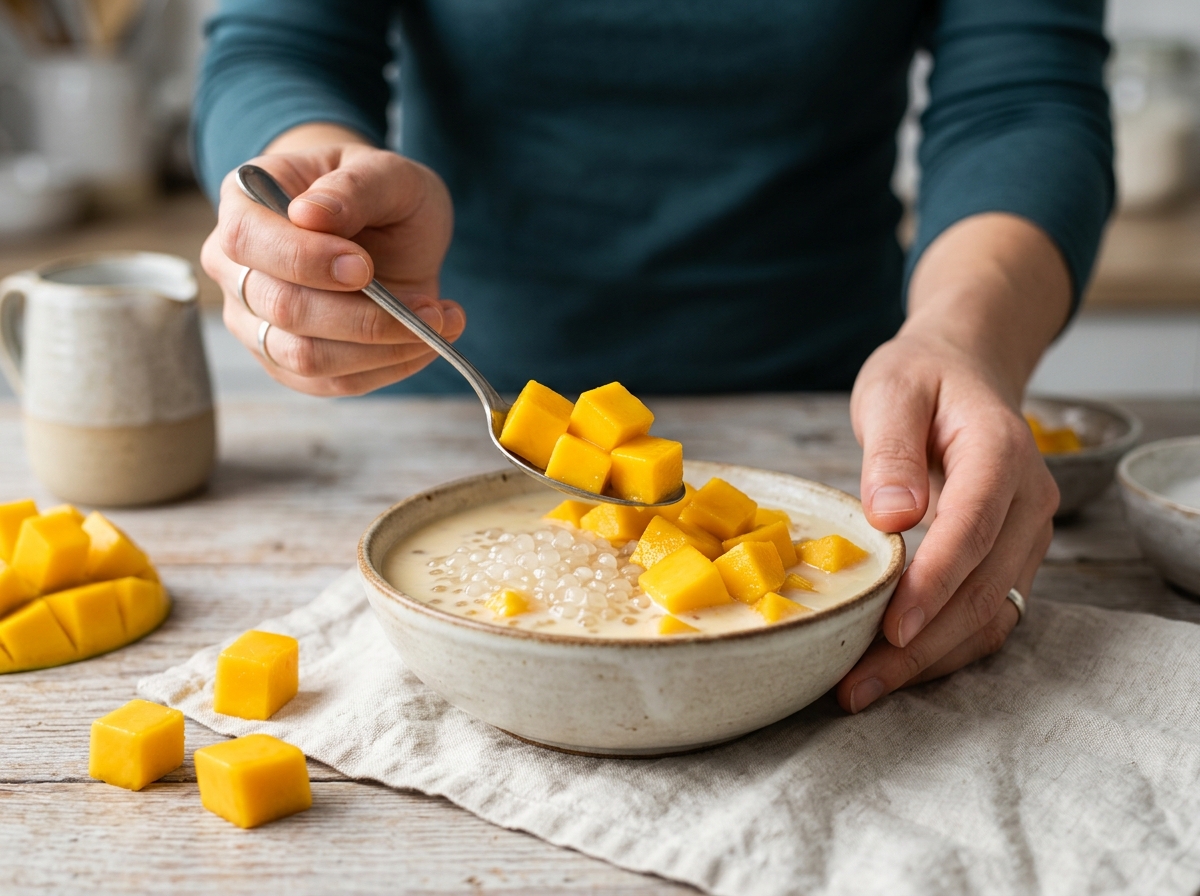
Reserve your best mango for the topping. When you're cutting the mangoes, deliberately set aside your most beautiful, uniform chunks for garnish. The visual contrast of bright golden mango cubes against the creamy pale base is what makes this dessert look stunning in a bowl.
Serving & Pairing Suggestions
Mango sago is best enjoyed cold — spoon it into individual glass bowls or clear cups so the gorgeous layers are visible, then top generously with those reserved mango chunks. For a dinner party, you can portion everything out ahead of time and keep the bowls covered in the refrigerator until dessert time, which makes it a wonderfully low-stress finale to a meal.
If you want to lean into the dessert café aesthetic, consider adding a few torn fresh mint leaves for a pop of color and a hint of brightness. A squeeze of fresh lime juice over the top just before serving also works magic, cutting through the richness and making the mango flavor even more vivid.
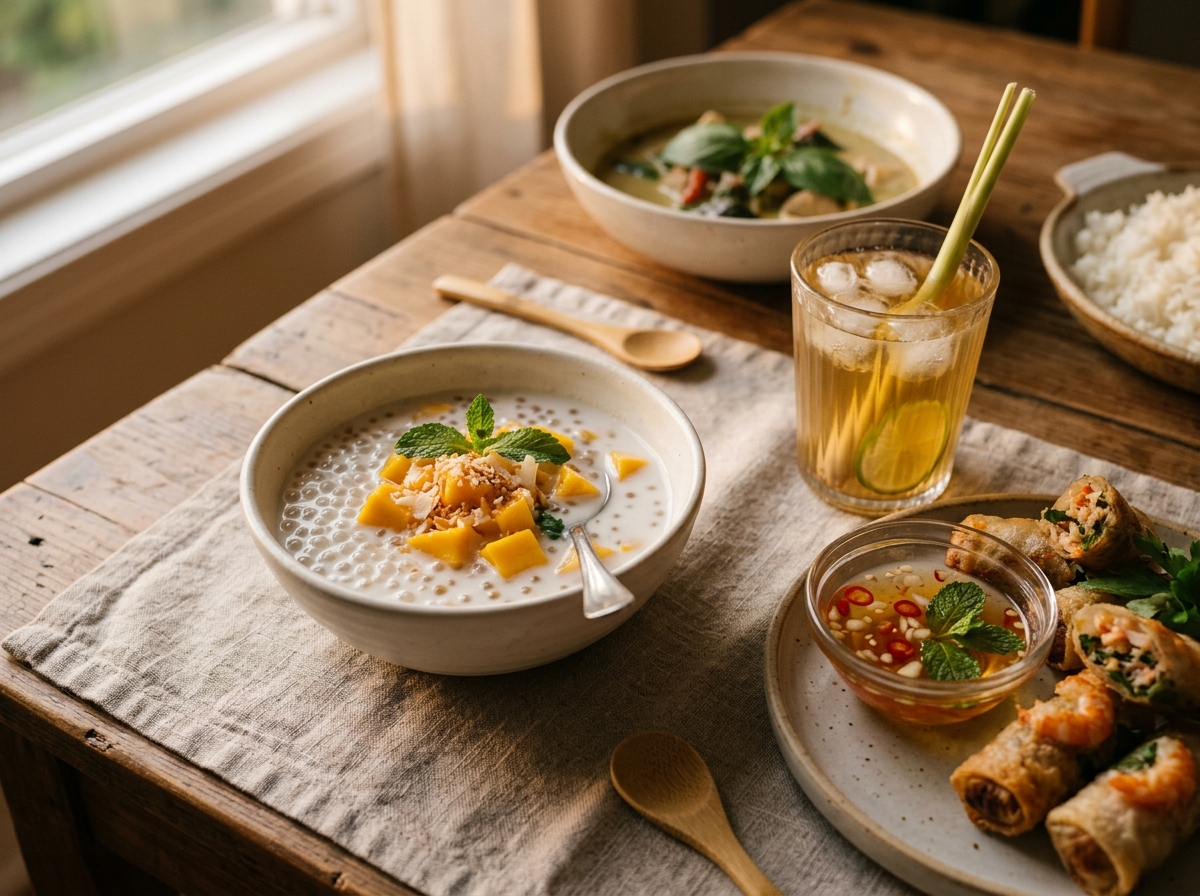
This dessert pairs beautifully after a light Southeast Asian meal — think Thai green curry, Vietnamese spring rolls, or a simple bowl of fried rice. The cool, creamy sweetness is the perfect counterpoint to anything savory and spiced.
Make It Your Own
One of the joys of mango sago is how naturally adaptable it is. For a more traditional Hong Kong dessert shop experience, stir in a handful of fresh pomelo segments just before serving — their slightly bitter, juicy burst is a classic counterpoint to the sweet mango base. You can also swap the vanilla extract for a tiny pinch of cardamom or a splash of rose water for a fragrant, more exotic twist.
If you're cooking for someone who avoids dairy, the condensed milk can be replaced with a few tablespoons of maple syrup or agave — taste as you go. For an extra indulgent version, drizzle a little extra coconut cream over the top before serving. You can even freeze individual portions into popsicle molds for a next-level mango sago ice pop that's perfect for sweltering days. View the full recipe to get started with the base version and build from there.
Conclusion
Mango sago is proof that the most memorable desserts don't need to be complicated. With just five ingredients and a little timing intuition, you can bring a taste of Asia's beloved dessert culture straight to your kitchen. Whether you're making it for a summer gathering or simply treating yourself on a hot evening, this is a recipe worth having in your repertoire. Fire up Cook Mode on Meez for a seamless, step-by-step experience that keeps everything organized so you can focus on the joy of cooking.
Sources & further reading
- Mango pomelo sago — Wikipedia
- Mango Sago (杨枝甘露) — Omnivore's Cookbook
- Tapioca — Iowa State University Extension and Outreach
- A Sweet Mango Pomelo Sago Dessert Recipe — The World of Chinese
Original Recipe Source
This article is inspired by a recipe from Thewoksoflife.
Visit the original source for their version of this recipe and more great content.
Related Topics
Ready to Cook This Recipe?
Experience our immersive Cook Mode with step-by-step visual guidance, voice narration, and built-in timers.