

Gyros Without a Spit: The Parchment Paper Method Explained
Parchment paper gyros are a viral shortcut that turns seasoned ground beef into crisp-edged, shreddable gyro-style meat without a vertical spit. Here is where the dish comes from, how it differs from the real thing and what to serve alongside.
Featured Recipe
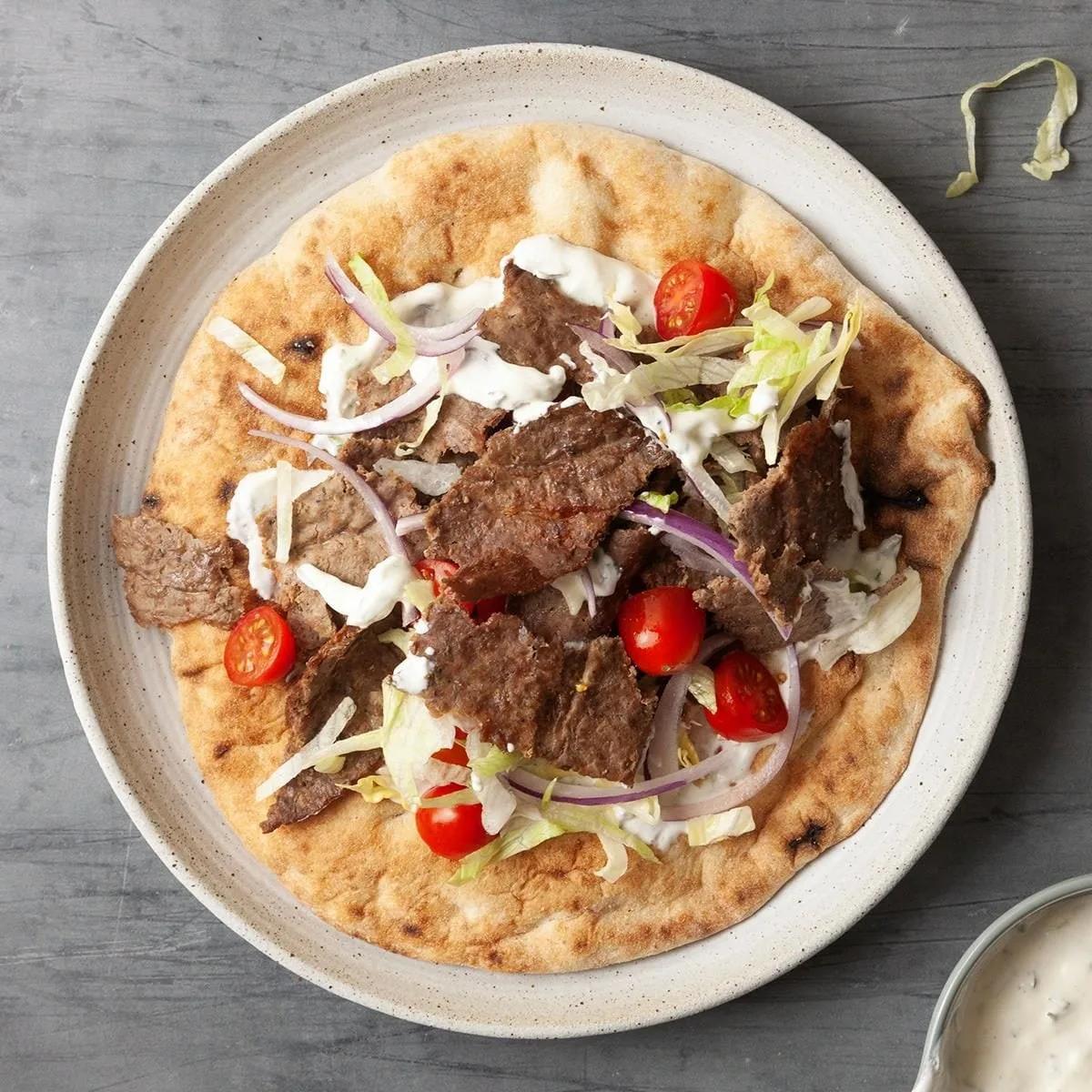
Parchment Paper Gyros
Parchment paper gyros are a Greek-style, taco-like dinner built around shreds of well-seasoned beef with deeply browned, crackly edges. The meat is savory and garlicky, with oregano running through it and a tang from yogurt, and it tucks into warm flatbread with cool tzatziki, juicy tomato and sharp raw onion.
People love it because it delivers the gyro-shop experience without a vertical spit, which almost nobody has at home. A sheet of parchment, a hot oven and a broiler do the work, and the result looks and eats remarkably like the real thing.
Where it comes from
Let us be plain about the method first: parchment paper gyros are a modern, viral home-cooking technique, and there is no documented history behind them beyond that. The idea is to flatten seasoned ground beef between sheets of parchment, roll it into a log, bake it, then unroll and shred it before a final blast under the broiler for crisp edges.
The dish it imitates is much older and better rooted. The Greek word gyro means “turn,” a reference to meat slow-roasted on a vertical spit that rotates so the outside browns and crisps while the inside stays tender. Even the pronunciation is a friendly argument: you will hear both “yee-roh” and “ji-roh.”
In Greece, gyros is pork by default, made from real cuts of shoulder for the lean meat and belly for fat that renders and crisps on the spit. It is handed over wrapped in paper at a street gyro shop, a gyradiko, sometimes at midnight. Interestingly, the paper is part of the tradition too: pita gyros is typically wrapped in parchment to hold the sandwich together. So the parchment in this version is a loose nod to the original, even though it is used in a completely different way.
How it varies
The biggest split is the meat. A traditional Greek gyro is pork, while versions found in America lean on other meats, and chicken is a common variant. Ground beef, as here, is a home shortcut rather than a classic, though the seasoning logic is the same: lots of garlic, oregano and other warm herbs, plus onion for moisture.
Home cooks without a spit have other options too. Some use an oven rotisserie, and others thread meat onto wooden skewers set over halved onions and lemons. The parchment method is the easiest of these, since it needs no special equipment and no marinating overnight.
Serving styles vary as well. The traditional route is a pita with tzatziki, tomato and onion, and often fries tucked inside in Greece. A modern twist is to treat the meat like taco filling and fold it into small flatbreads, or skip the bread and pile it over a salad. The shredded meat also keeps well, so it works for leftovers.
When to make it
This is a natural Quick Favorites dinner: a weeknight meal that tastes like you went out. It asks for little hands-on effort, and the oven does most of the work while you chop vegetables and stir together a sauce.
It also fits Fresh & Light eating, especially in summer, when tomatoes, cucumbers, red onions, peppers, fresh dill and mint are all at their best in the Northern Hemisphere. A July evening with a bowl of ripe tomatoes on the table is the ideal setting. It works just as well for a casual gathering where everyone builds their own, or a mild October weeknight when you still want something bright.
What to serve with it
- Tzatziki. Cool, garlicky cucumber yogurt is the classic partner and tempers the richness of the beef.
- A tomato, cucumber and red onion salad. Dressed simply with olive oil and oregano, it adds freshness and crunch.
- Warm pita or flatbread. Soft, pliable bread is the vehicle, and it can be warmed in the same oven.
- Roasted or fried potatoes. A nod to the Greek habit of putting fries in the wrap, they make the meal more filling.
- A crisp white wine or cold lager. Both are bright enough to cut through the seasoned meat, and iced lemonade works for a no-alcohol option.
Make it at home
The version we cook on Meez comes from Taste of Home. Get the recipe for the full ingredient list and method, or cook it step by step in Cook Mode if you want your hands free and the screen kept awake while you work.
Questions about parchment paper gyros
What does gyro mean?
It is the Greek word for “turn,” referring to meat that rotates on a vertical spit as it roasts. English speakers pronounce it either way, “yee-roh” or “ji-roh.”
Is real gyro meat beef or pork?
In Greece it is pork by default, usually from shoulder and belly. Beef and chicken versions are more common elsewhere, and this parchment version uses ground beef as a convenient home stand-in.
Why are gyros wrapped in paper?
The paper wrap holds the pita sandwich together and keeps it tidy to eat on the go. At a Greek gyro shop it is simply how the sandwich is handed to you.
How is this different from a traditional gyro?
A traditional gyro is stacked meat roasted on a rotating spit and carved off in slices. The parchment method is a viral shortcut that bakes seasoned ground beef and shreds it, then crisps it under the broiler to imitate that texture.
Sources
- Parchment Paper Beef Gyros Recipe (Taste of Home)
- Homemade Greek Gyros (Once Upon a Chef)
- Greek Gyros Recipe – Homemade & Authentic Pork Gyros (The Greek Foodie)
- Greek Marinated Pork Gyros Recipe With Homemade Tzatziki (Real Greek Recipes)
Last reviewed November 2, 2026. Written by the Meez editorial team with Meez Magic, from the sources above.
Original Recipe Source
This article is inspired by a recipe from Taste of Home.
Visit the original source for their version of this recipe and more great content.
Related Topics
Enjoyed this article? Share it with fellow food lovers!
Ready to Cook This Recipe?
Experience our immersive Cook Mode with step-by-step visual guidance, voice narration, and built-in timers.