

History of Gluten-Free Bread and How a Sandwich Loaf Works
A soft gluten-free sandwich loaf is one of the most satisfying things to pull out of a home oven, and its history is shorter and stranger than you might expect. Here is where it came from, when to bake it and what to put on the table beside it.
Featured Recipe
Gluten-Free Sandwich Bread (Amazing & Easy!)
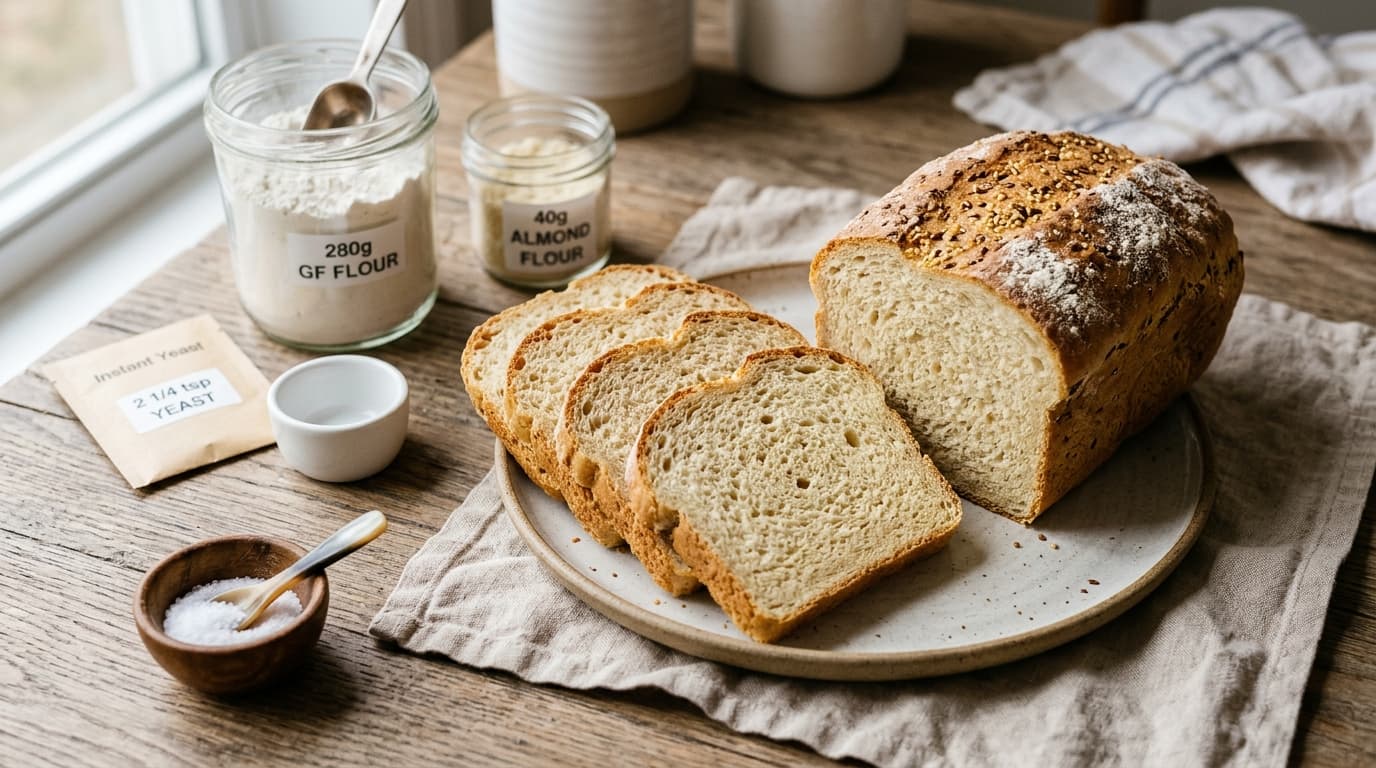
Gluten-free sandwich bread is an American-style pan loaf with a soft, tender crumb and a golden crust, sturdy enough to hold a thick filling and mild enough to go with almost anything. Sliced warm, it smells like any good yeast bread. Sliced cool, it holds together for lunchboxes and sandwiches.
People love it because bread is the food many gluten-free eaters miss most, and a loaf that bends without crumbling feels like a small victory. It is a weekday staple that also makes a satisfying baking project.

Where gluten-free bread comes from
Bread-making is thought to go back about 10,000 years, and for almost all of that time it meant wheat or other gluten-containing grains. Gluten is the protein that develops during kneading and gives a loaf its structure, which is also why it is so hard to replace.
Gluten-free baking has older roots than you might guess. Unleavened breads were known to the Israelites, and in medieval Europe gluten-free flatbreads were popularised, for example by the Ottoman Turks. Those were flat breads, though. Without gluten, a yeasted loaf that rises tall has been a much harder goal.
The modern story starts in the 20th century. One account credits Anton Schär, who studied the effects of removing wheat from children's diets in the 1920s, with developing products that grew into the first brand of packaged gluten-free foods. Bread itself eluded manufacturers for a long time because of its complex structure and its role as a staple in American kitchens. In the 1990s, gluten-free bread was sold mostly in health food stores and was not considered appetizing.
Those early loaves leaned on rice, corn and potato starches, plus xanthan gum for elasticity. The starches imitate the structure gluten provides, while gums add the stretch and body that keep a slice from falling apart. That basic idea still underlies most gluten-free sandwich loaves today. There is no documented origin for this particular loaf, which is a modern home-baking adaptation of the classic American sandwich bread.
How it varies
The traditional American sandwich loaf is a wheat-based pan bread, tall and soft, sliced thin for sandwiches. Gluten-free versions try to match it, and the differences come mostly from the flour blend. Some bakers use a ready-made all-purpose gluten-free mix, while others build their own from starches and whole-grain flours such as sorghum or brown rice.
Binders are the other big variable. Xanthan gum is the classic choice, and psyllium husk is a popular modern alternative that gives a chewier, more bread-like crumb. Sweeteners, seeds and an egg-rich or dairy-based dough all change the loaf. Some families add oats labelled gluten-free, or a handful of seeds on top, while others keep it plain for sandwiches.
The traditional approach is a straightforward sandwich loaf. Modern twists include sesame or sunflower seed crusts, cinnamon-raisin swirls and herb-and-cheese versions, though a plain white-style loaf remains the most useful all-rounder.
When to make it
This is a natural weekend project. Yeast dough rewards a slow Saturday at home, and you finish with a loaf that carries you through the week. It also suits a Sunday dinner, where a warm sliced loaf on the table feels generous, and it helps when you are feeding a crowd that includes someone avoiding gluten, because one good loaf means they are not stuck with a sad substitute.
It shines from autumn into winter, when the oven earns its heat and the produce is hearty. In October, think apples, pears, squash, sweet potatoes and the last tomatoes. In late summer, the same loaf is ideal for tomato sandwiches while the fruit is at its best.
The version we cook on Meez comes from Meaningful Eats. It is gluten-free as written by its source, and it is always worth checking the labels on your flour blend, yeast and other packaged ingredients.

What to serve with it
- Tomato soup. A bowl of creamy tomato soup with slices of toasted gluten-free bread alongside is a classic pairing. Make the soup from scratch or check that any store-bought version is gluten-free, since some use thickeners.
- Egg salad or a simple cheese sandwich. The bread's mild flavor suits fillings that are creamy and tangy, and both are meatless.
- A crisp green salad. Something with cucumber, shredded carrot and a lemony dressing adds crunch beside a soft sandwich.
- Sliced apples and sharp cheddar. This is an easy autumn side that echoes the flavors of a grilled cheese made with gluten-free bread.
- Hot tea, coffee or cold milk. A simple drink keeps the meal comfortable, whether it is lunch, a snack or an afternoon break. Apple cider also works in the fall.
Make it at home
Ready to bake? Get the recipe for the full list of ingredients and steps, or cook it step by step in Cook Mode if you want your hands free while the dough rises.
Questions about gluten-free sandwich bread
How is gluten-free bread different from regular bread?
Gluten is the protein that gives wheat bread its structure and stretch. Gluten-free loaves replace it with starches and gums that imitate that structure, so the dough behaves differently and the crumb is usually a little more delicate.
Why was gluten-free bread so hard to make at first?
Bread depends on gluten to trap the gas from yeast and hold its shape. Early commercial attempts struggled with that structure, and in the 1990s gluten-free bread was mostly sold in health food stores and was not considered appetizing.
What did early gluten-free breads use instead of wheat?
Early gluten-free breads of the 1990s relied on rice, corn and potato starches, with xanthan gum for texture and elasticity. Many modern blends still follow that basic idea.
What should I serve with gluten-free sandwich bread?
Tomato soup, egg salad, a crisp salad, apples with cheddar and a hot drink are all easy matches. Check that any packaged item you add is labelled gluten-free.
Sources
- THE HISTORY OF Gluten-Free Bread - BAY AREA ENTERTAINER
- A Brief History Of Gluten Free Bread
- What Is Gluten-Free Bread and How Is It Made? - Escoffier
- A Brief History of Gluten-Free Baking
Last reviewed November 11, 2026. Written by the Meez editorial team with Meez Magic, from the sources above.
Original Recipe Source
This article is inspired by a recipe from Meaningfuleats.
Visit the original source for their version of this recipe and more great content.
Related Topics
Enjoyed this article? Share it with fellow food lovers!
Ready to Cook This Recipe?
Experience our immersive Cook Mode with step-by-step visual guidance, voice narration, and built-in timers.