

Who Invented Brownies? History and Gluten-Free Serving Ideas
Brownies are an American classic with a disputed past, and a Chicago hotel is the best-known claimant. Here is where they may have come from, how they vary, and how to serve gluten-free brownies for any occasion.
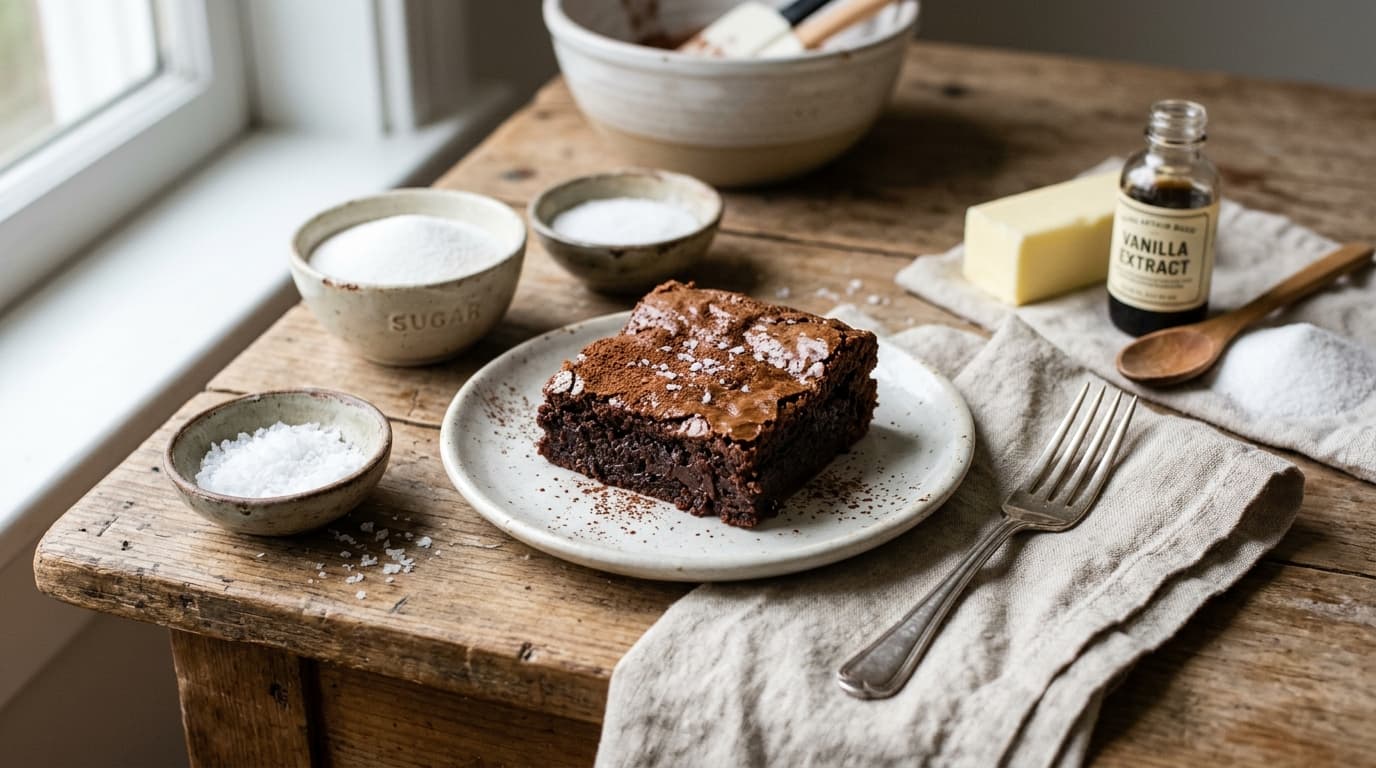
Featured Recipe
Gluten-Free Brownies
Gluten-free brownies are the American bake-sale staple made without wheat flour, and a good pan is easy to recognize. The top is thin and crackly, the edges are a little chewy, and the middle is dense, dark and fudgy enough to cling to your fork. The chocolate is the whole point, and it tastes like it.
People love brownies because they ask so little. One pan, one bowl, no frosting required, and they cut into tidy squares that travel well. The gluten-free version keeps all of that, so it works as a regular treat and as a dessert you can put out when someone at the table avoids gluten.

Where brownies come from
Most accounts agree that the brownie was created in the United States. After that, the story gets contested. The best-known tale centers on the Palmer House hotel in Chicago, which opened in 1871 as a wedding gift from Potter Palmer to his wife, Bertha.
According to the lore, Bertha chaired the Board of Lady Managers for the 1893 World's Columbian Exposition in Chicago. She asked the hotel's pastry kitchen for a dessert that could be packed into box lunches for women attending the fair, something like a cookie but denser, and made with chocolate. Food Republic names the pastry chef as Joseph Sehl, citing the hotel's own account. Other tellings vary on the details, including who the lunches were for.
The Palmer House is not the only contender. Food writers often name Fannie Farmer as the other leading claim to the first chocolate brownie recipe, and historians have never settled it. The Palmer House version is the more popular story, but treat it as a well-loved origin tale rather than a proven fact.
How brownies vary
The biggest divide is texture. Fudgy brownies are dense and moist, with plenty of chocolate and fat. Cakey brownies are lighter and more open, closer to a chocolate snack cake. Chewy sits in between, with a papery top and firm edges. Many families have a firm side, and the argument over corner pieces versus middle pieces has never been settled either.
Traditional brownies are made with wheat flour. Gluten-free versions swap in a gluten-free flour blend or other flour alternatives, and because brownies are mostly chocolate, butter and eggs, they adapt better than most baked goods. The result is often hard to tell apart from the original.
Modern twists are endless. Some bakers add walnuts or pecans, others swirl in cream cheese or peanut butter, fold in chocolate chips, or finish the top with flaky salt. A spoonful of espresso powder deepens the chocolate flavor without making the brownies taste like coffee. Blondies, which use brown sugar and no cocoa, are the pale cousin.
When to make gluten-free brownies
For something sweet on an ordinary evening, a pan of brownies is hard to beat. A weeknight in October, with the first cold snap and a mug of something hot, is a good time. In the cooler months, apples, pears, cranberries and pomegranates are in season, and they all go well with dark chocolate.
They also suit feeding a crowd. Cut the pan into small squares for a potluck, a bake sale, a game-day spread or a holiday cookie table. A single pan goes a long way, and it is easy to set a few gluten-free squares aside for guests who need them, away from other baked goods. In summer, strawberries, raspberries and cherries make brownies feel lighter, so they work well for a picnic or a backyard cookout in June or July.

What to serve with brownies
- Vanilla ice cream. Cold, creamy and plain, it melts into the warm fudgy center. Choose one labelled gluten-free.
- Fresh raspberries or sliced strawberries. Their tartness cuts through the richness and adds color to the plate.
- Lightly sweetened whipped cream. It is a simple topping that lets the chocolate stay in front.
- Strong black coffee. The bitterness balances the sugar, and it suits an after-dinner brownie.
- Cold milk. It is the classic pairing, and it works for kids and adults alike.
Make it at home
The version we cook on Meez comes from King Arthur Baking. It is gluten-free as written by its source, and as with any gluten-free baking, it is worth checking the labels on your chocolate, vanilla and anything you serve alongside. Get the recipe, or cook it step by step in Cook Mode.
Questions about brownies
Who invented brownies?
No one knows for certain. The Palmer House hotel in Chicago is the most popular answer, linked to the 1893 World's Columbian Exposition, but Fannie Farmer is often named as another early source.
Are brownies a cake or a cookie?
They sit somewhere in between. The Palmer House story describes the original as something like a cookie but denser, and modern brownies range from fudgy, almost candy-like squares to cakey ones.
What makes brownies fudgy instead of cakey?
Fudgy brownies lean on a high proportion of chocolate and fat, with less flour and little to make them rise. Cakey brownies do the opposite, which gives them a lighter, springier crumb.
What can I serve with brownies for guests who avoid gluten?
Vanilla ice cream labelled gluten-free, fresh berries, whipped cream and coffee all work well. Check the labels on anything store-bought before you serve it.
Sources
- The Confusing Origin Story Of Brownies - Tasting Table
- This Chicago Hotel Invented The Brownie In The 1800s - Food Republic
- The Palmer House Brownie Recipe For Brownies At Brunch Month - The Nibble Webzine Of Food Adventures
- History of "The Brownie" - by George Geary
Last reviewed November 11, 2026. Written by the Meez editorial team with Meez Magic, from the sources above.
Original Recipe Source
This article is inspired by a recipe from King Arthur Baking.
Visit the original source for their version of this recipe and more great content.
Related Topics
Enjoyed this article? Share it with fellow food lovers!
Ready to Cook This Recipe?
Experience our immersive Cook Mode with step-by-step visual guidance, voice narration, and built-in timers.