

What Is Chicken Piccata? Origins, Variations and Sides
Chicken piccata is thin, tender cutlets in a buttery sauce of lemon and capers, and its history is more mysterious than its menu status suggests. Here is where it may come from, how it varies, and how to build a meal around it.
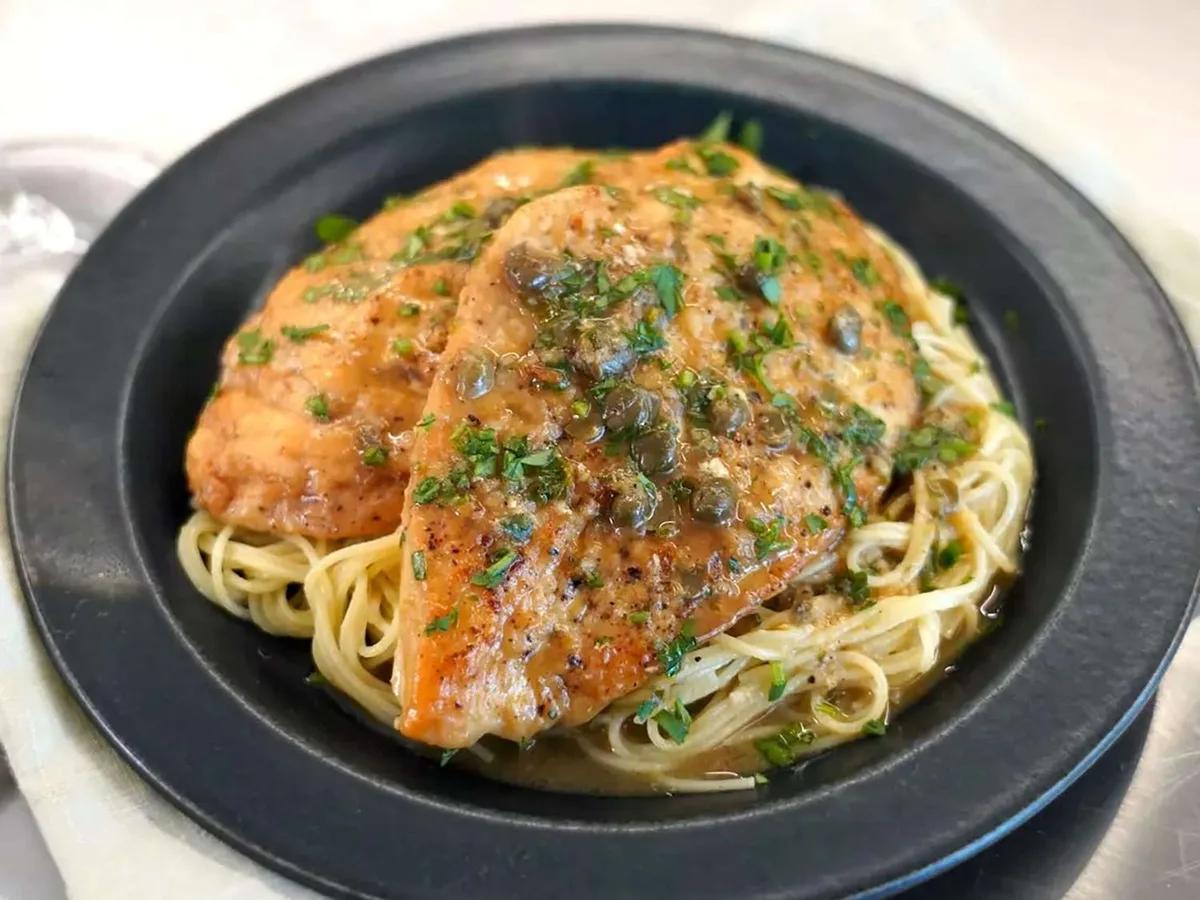
Featured Recipe
Perfect Chicken Piccata
Chicken piccata is an Italian restaurant classic: thin chicken cutlets with a light, golden coating, sitting in a glossy pan sauce of butter, lemon and capers. The chicken is tender all the way through, and the sauce is sharp, salty and rich at once, the kind you want to chase around the plate with a piece of bread.
People love it because it tastes like a dish that took effort but doesn't. The cutlets cook fast, the sauce is built in the same pan, and the lemon keeps everything bright instead of heavy. It is a dinner-out feeling you can have on an ordinary evening at home.
Where chicken piccata comes from
The honest answer is that nobody knows for certain. Writers who have looked into it agree that there is no historically definitive account of the dish's origins, and that is worth saying plainly rather than papering over with a tidy story.
What the research does tell us is a little surprising. Chicken piccata is described as an Italian dish, yet it is hard to find in northern Italy, where scaloppine, the broader family of thin sauteed cutlets, is far better known. A restaurant group that spoke with chefs and food historians and read over a dozen classic Italian cookbooks reported that none of them contained a piccata recipe. One historian they consulted said it is not easily found in Italian restaurants and seldom in Italian homes.
Some theories point to distant Sicilian roots, with the dish finding its fortune in America, possibly with some French influence. The name itself hints at that French link. Piccata comes from the Italian verb piccare, usually translated as larded, seasoned or pounded flat, and it appears to mirror the French piqué. As a method, it means cutting meat thin, flattening it to an even thickness, dredging it in flour, browning it in butter or olive oil, and making a sauce from the pan with lemon juice and white wine or stock. Veal came first in that style, and chicken is the more affordable version most of us now know.
How it varies
The core is steady: pounded cutlets, flour, a lemony pan sauce, capers. Beyond that, cooks make it their own.
- Veal piccata is the older style and the closest to the method's roots. Chicken is the everyday swap.
- Wine or stock. Some sauces lean on white wine, others on chicken stock, and plenty use both. Butter, olive oil, or a mix handles the browning.
- Chicken francese is a close relative, also lemony, but the cutlets are dipped in egg before cooking. Accounts of its origin disagree. One says first-generation Italian immigrants swapped chicken for costlier veal in vitello francese, while another calls it a fairly recent invention.
- Modern twists include artichoke hearts or mushrooms in the sauce, a gluten-free flour for dredging, or chicken thighs instead of breasts.
The traditional version keeps the sauce simple. Anything beyond lemon, capers, butter and a splash of liquid is a variation, though a welcome one.
When to make chicken piccata
This is a Quick Favorites dish through and through. It suits a weeknight when you want something that feels like dinner but can't take all evening, and it works just as well for a small dinner for two or a casual supper with friends, since the cooking is quick and happens right at the stove.
Lemon is the star, and lemons are at their juiciest in the Northern Hemisphere from winter into early spring. A weeknight in February or March, when citrus is plentiful and you are tired of heavy winter food, is ideal. As spring arrives, asparagus, peas and tender lettuces make easy companions. It is not a seasonal dish, though. In summer it is a light option that doesn't heat up the kitchen for long.
What to serve with chicken piccata
You want something to catch the sauce and something green to balance it.
- Angel hair or orzo. Buttered pasta soaks up the lemon-caper sauce, and the thin strands feel at home beside thin cutlets.
- Roasted or steamed asparagus. Its green, slightly grassy taste suits lemon, and it arrives in season just as piccata weather peaks.
- Mashed potatoes or crusty bread. Either gives the sauce somewhere to go if you skip pasta.
- A crisp green salad. Peppery arugula with a light dressing keeps the plate fresh without competing with the sauce.
- Dry white wine or sparkling water with lemon. A Pinot Grigio or similar dry white echoes the wine in the sauce, while sparkling water resets your palate between bites.
Make it at home
The version we cook on Meez comes from Allrecipes. It keeps the chicken juicy and the sauce buttery and bright. Get the recipe for the full details, or cook it step by step in Cook Mode if you want your hands free at the stove.
Questions about chicken piccata
Is chicken piccata really Italian?
It is usually called an Italian dish, but it is hard to find in northern Italy and appears in few classic Italian cookbooks. Some theories suggest Sicilian roots, with the dish becoming popular in America and possibly picking up French influence.
What does piccata mean?
It comes from the Italian piccare, often translated as larded, seasoned or pounded flat. As a cooking term, it refers to meat sliced thin, flattened, floured and sauteed, then served with a lemony pan sauce.
What is the difference between chicken piccata and chicken francese?
Both are thin cutlets with a lemony sauce. Francese cutlets are dipped in egg before cooking, while piccata is simply floured and finished with capers.
What should I serve with chicken piccata?
Pasta, orzo, potatoes or crusty bread will catch the sauce, and asparagus or a simple salad adds something green. A dry white wine rounds out the table.
Sources
- Is Chicken Piccata really an Italian dish?
- The Surprising Story Of Piccata, Marsala, And Parmigiana - Frankie Bones
- Piccata
- Chicken Francese
Last reviewed October 27, 2026. Written by the Meez editorial team with Meez Magic, from the sources above.
Original Recipe Source
This article is inspired by a recipe from Allrecipes.
Visit the original source for their version of this recipe and more great content.
Related Topics
Enjoyed this article? Share it with fellow food lovers!
Ready to Cook This Recipe?
Experience our immersive Cook Mode with step-by-step visual guidance, voice narration, and built-in timers.