

What Is Nkatsenkwan? Ghana's Peanut Soup, Explained
Nkatsenkwan is a Ghanaian peanut soup, rich and rust-colored, with tender spiced lamb in a broth thickened with peanut butter. Here is where it comes from, how it varies, and what to put on the table beside it.
Featured Recipe
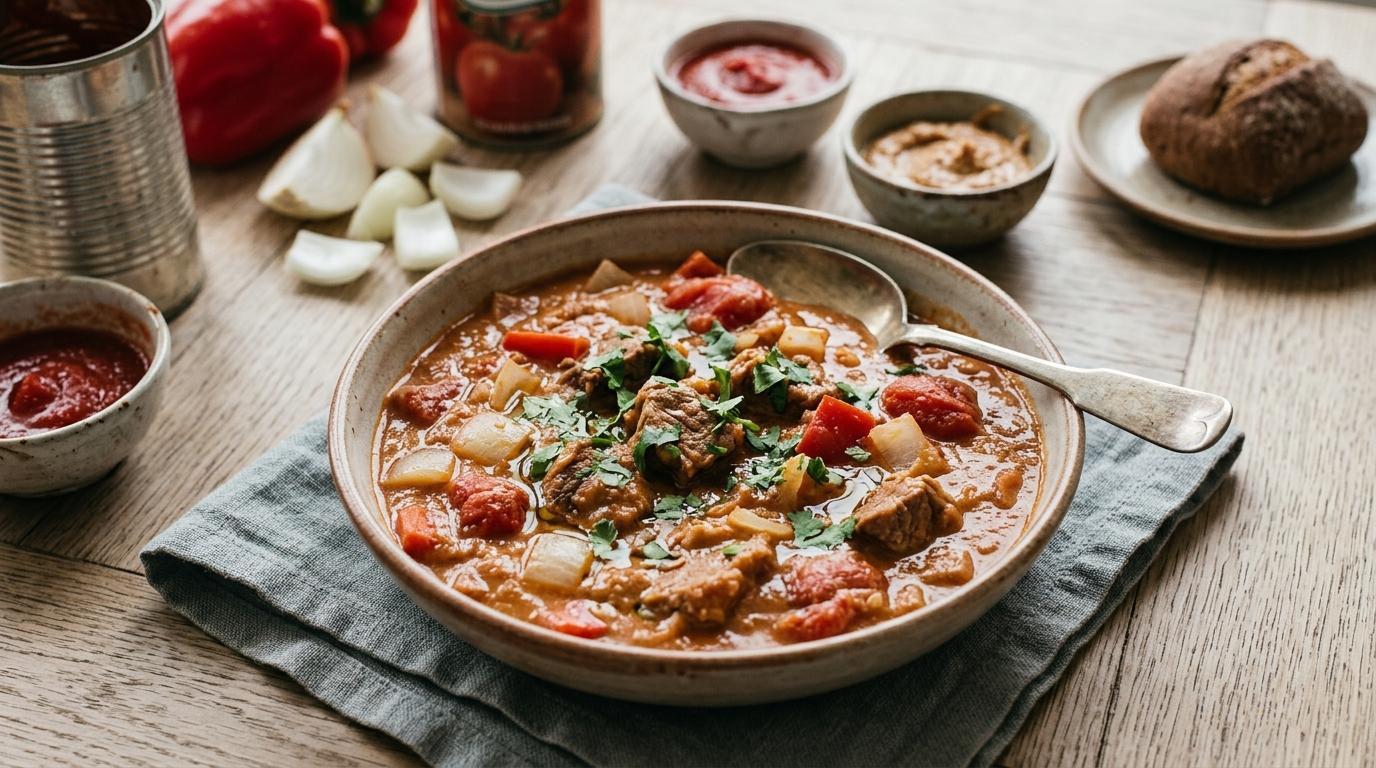
Nkatsenkwan (Groundnut Stew with Lamb) Recipe
Nkatsenkwan is a Ghanaian soup built on peanuts. The broth is thick, savory and gently spicy, with a nutty richness that coats the spoon and a warm heat from pepper that builds as you eat. In this version, pieces of lamb simmer until tender, and the whole pot turns a deep, rusty orange-brown.
People love it because it is both humble and generous. Peanut butter gives the broth body and depth without cream or flour, and the soup tastes like it has been cooking all day even when the method is simple. It is a West African classic that suits a big bowl, a pile of something starchy for scooping, and a slow meal.
Where nkatsenkwan comes from
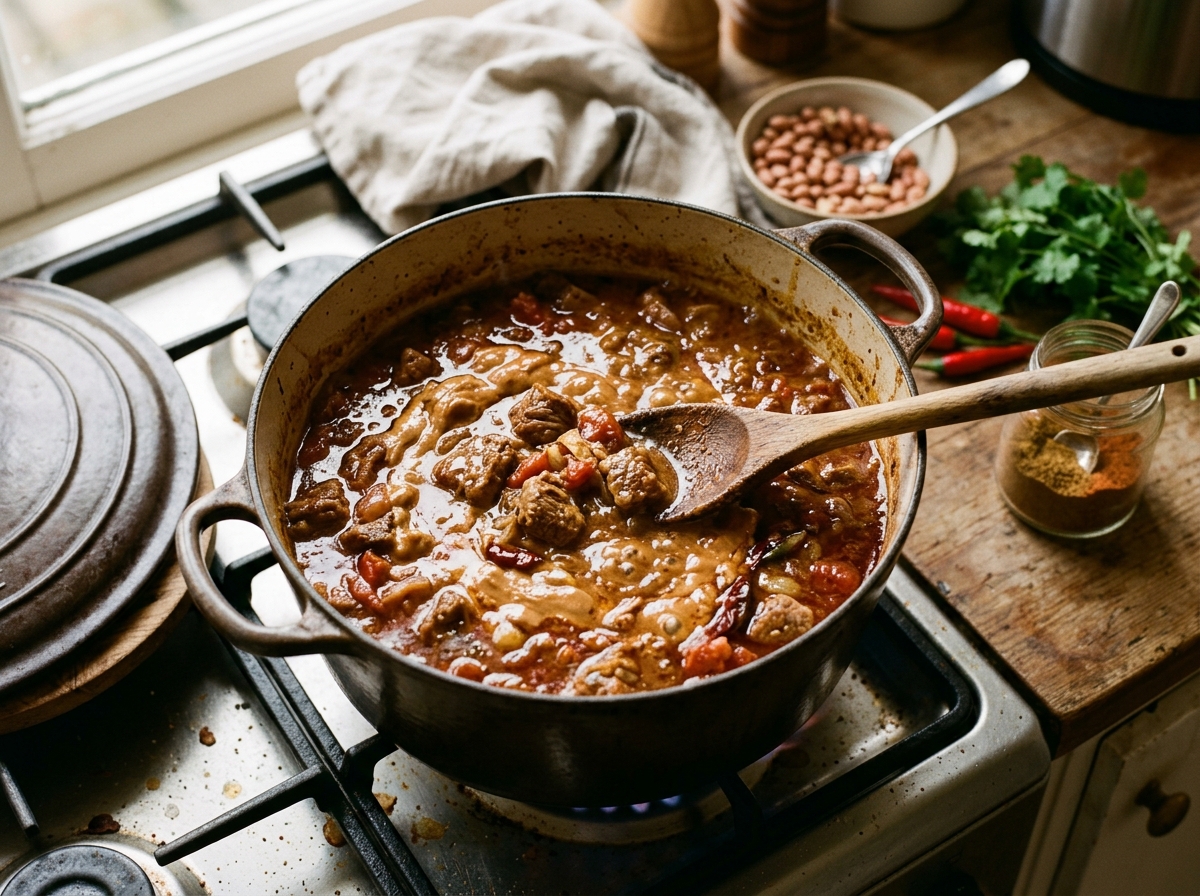
The name is Akan, and the dish is a staple across West Africa, where it goes by peanut soup, peanut butter soup or groundnut soup. In Ghana it is described as one of the country's best-known national dishes, enjoyed everywhere. Some accounts credit the Hausa people with bringing peanut butter soup to Ghana.
The peanut itself is a newcomer. One account says Spanish traders brought peanuts from South America to the continent centuries ago, and that they gradually supplanted the native Bambara groundnut. Food writers often describe the dish as part of a wider family of West African peanut stews. Senegal and Mali are listed as the home of maafe, a close cousin, and food historian Michael W. Twitty suggests the peanut soup of the American South began as nkantekwan in Ghana and maafe in Senegal and Gambia.
Today you find it in Ghana's chop bars, the neighborhood cantinas where cooks serve one big pot to a steady line of regulars. Twitty wrote about a bowl from one such place in Kumasi, the Asante capital.
How it varies
Spelling is the first variation: nkatenkwan, nkate nkwan and nkantenkwan all point to the same dish. The base is usually onion, tomato and hot pepper, with a peanut sauce stirred in, though cooks differ on how thick to go and how much heat to leave in.
Chicken is the most familiar protein, and lamb, beef and goat are common too. Our lamb version leans toward the richer, more spiced end. Many cooks start from ground roasted peanuts, while others reach for peanut butter, which is the convenient modern route and gives a smooth, creamy result.
Neighboring cuisines have their own takes. Edo cooks in Nigeria make a groundnut soup, known as omisagwe, often eaten with pounded yam. Senegal's maafe is built around meat, tomatoes and peanuts. Domoda, from the same region, is thickened differently and is a separate dish. Adding sweet potato or leafy greens is a modern twist, not a rule.
When to make it
This is a Sunday dinner soup. It rewards a slow afternoon and feeds a table of people, and the pot tends to taste even better the next day. It also fits a weekend project: you can take your time with the spice and the simmer rather than rushing it on a weeknight.
It is also cozy comfort food, best from October through February in the Northern Hemisphere. That is when onions, sweet potatoes, winter squash, cabbage and hardy greens like kale are at their best, and any of them can share the table. Think of a cold, gray November evening when you want something warming and filling.
What to serve with it
- Fufu. The traditional partner. Pinch off a piece, make a dent with your thumb and use it to scoop up the soup. Its mild, stretchy texture suits the rich broth.
- Plain steamed rice. The easy option, and it soaks up the sauce well. Rice balls are a classic Ghanaian pairing with this soup.
- Fried or boiled plantain. Its sweetness offsets the pepper heat.
- A simple green salad or sautéed greens. Something fresh and slightly bitter cuts through the richness of the peanuts and lamb.
- Sobolo or ginger beer. A tart hibiscus drink or a sharp ginger beer cools the heat and refreshes the palate between spoonfuls.
Make it at home
The version we cook on Meez comes from TODAY.com. When you are ready, get the recipe, or cook it step by step in Cook Mode so your hands can stay in the pot and your screen stays awake.
Questions about nkatsenkwan
Is nkatsenkwan a soup or a stew?
Both words are used. It is thinner than many stews and is served in a bowl, but with meat and a thick peanut broth it eats like a stew, especially alongside fufu or rice.
Where does nkatsenkwan come from?
It is a Ghanaian dish with an Akan name, part of a wider West African tradition of peanut soups. Some accounts credit the Hausa people with bringing peanut butter soup to Ghana, while others trace the peanut to Spanish traders who carried it from South America.
How is nkatsenkwan different from maafe?
They are close relatives. Maafe is listed as originating in Senegal and Mali and is built on meat, tomatoes, onions, garlic and peanuts. Nkatsenkwan is the Ghanaian version, usually with a pepper-forward onion and tomato base.
What do you eat nkatsenkwan with?
Fufu is the classic choice, and rice is a common and easy substitute. Fried plantain and a fresh side of greens round out the meal.
Sources
- A Year in Chicken Soup 5 - Ghanaian Nkatenkwan
- Nkate Nkwan - Traditional Ghanaian Recipe
- Groundnut Stew My Way
- Peanut soup
- Peanut stew
Last reviewed November 3, 2026. Written by the Meez editorial team with Meez Magic, from the sources above.
Original Recipe Source
This article is inspired by a recipe from Today.
Visit the original source for their version of this recipe and more great content.
Related Topics
Enjoyed this article? Share it with fellow food lovers!
Ready to Cook This Recipe?
Experience our immersive Cook Mode with step-by-step visual guidance, voice narration, and built-in timers.