

The History of Japanese Strawberry Shortcake, Explained
Japanese strawberry shortcake is a tall, tender sponge layered with softly whipped cream and fresh berries. Here is where it came from, how it differs from the American version, and when it's worth making.
Featured Recipe
Japanese Strawberry Shortcake
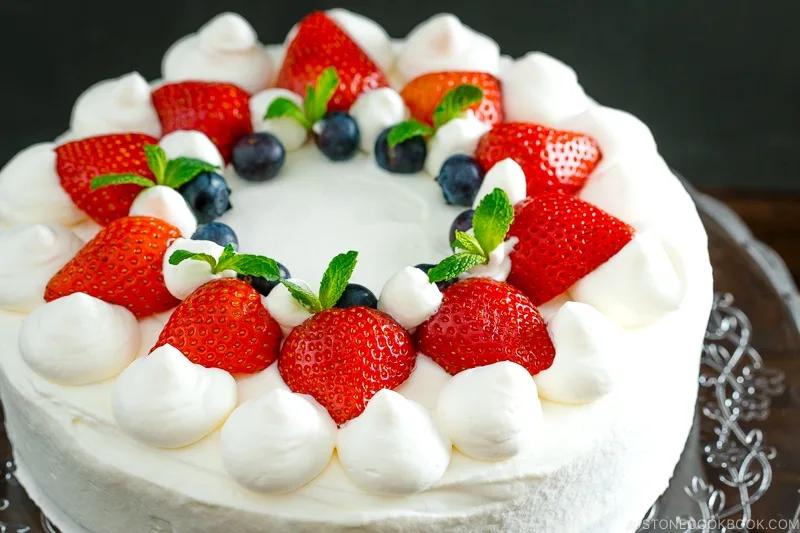
Japanese strawberry shortcake, or ichigo shōtokēki, is a cake built on softness. The sponge is moist and airy, the cream is whipped light and only gently sweetened, and the strawberries are fresh, sliced between the layers and piled on top. It is among the most popular cakes in Japan, and one bite shows why: nothing in it is heavy or fussy.
People love it because it tastes like a bakery window looks. It is pretty without being showy, sweet without being cloying, and it eats like a cloud with a little fruit-tart brightness to cut through. It suits a birthday as well as a quiet Sunday afternoon, and it makes a good project for anyone who likes baking with a clear, pleasing result.
Where it comes from
This cake has a better-documented history than most. Most accounts trace the Japanese version to Fujiya, a confectionery company in Yokohama. According to Fujiya's own company history, as cited in the sources we read, its founder, Fujii Rin'emon, opened a Western confectionery shop in Motomachi in 1910 and sold a Christmas cake that December. Strawberry shortcake followed in 1922, the year Fujiya opened a shop in Isezakichō, at eight sen a piece. Fujii is said to have travelled to the United States about a decade earlier to study Western-style desserts.
Fujiya describes it as a Western sweet born in Japan, which is a fair summary. The idea of shortcake came from abroad, but the light sponge and cream version is its own thing.
The Christmas link came later. One account frames the tradition as a postwar development: Western customs returned as Japan rebuilt after the Second World War, and Christmas, which was not a religious holiday for most people, came to stand for togetherness, celebration and modernity. Fujiya is often credited with shaping the habit of eating strawberry shortcake at Christmas. The cake took on that role much as fried chicken did, through its association with Western culture. Today the round, white, red-topped cake is often called a Christmas cake (kurisumasu kēki) in Japan.
How it varies
The biggest difference is from the American shortcake, which is usually built on a rich biscuit or scone and served with macerated berries and cream. The Japanese version swaps the biscuit for a delicate sponge and frosts the whole cake like a layered cake. The cream is the other defining trait: whipped, lightly sweetened and spread smooth, rather than spooned on top.
Within that framework, bakers make their own choices. Some prefer a firmer sponge and others a very tender one, and some brush the layers with syrup to keep them moist. Cakes may be left in tidy whole slices of berry or topped with a crown of whole fruit, and the traditional Christmas version often adds seasonal decorations. A modern twist might add a little jam or custard between the layers, or use other fruit, but the classic is simple on purpose.
When to make it
This is a weekend project dessert. The sponge, cream and assembly each take a little care, so it suits a slow Saturday or Sunday when you want to bake something and then sit down to enjoy it. Because it is so light, it also fits when you want something sweet that feels fresh rather than heavy, such as after a summer barbecue or a spring lunch.
Strawberry season gives the cake its best moment. In the Northern Hemisphere, that means late spring into early summer, from roughly May through June, when berries are ripe, fragrant and cheap. That is also when rhubarb, cherries and early raspberries show up, if you want to add them to the plate. Make it for a June birthday, a Mother's Day table or a patio get-together, and save it for December if you want to follow the Japanese tradition.
What to serve with it
- Sencha or other green tea. Its gentle bitterness balances the cream and keeps the cake from feeling too sweet.
- Black tea or Earl Grey. A familiar pairing, and the bergamot works nicely with strawberries.
- Black coffee. A small, strong cup makes a good contrast to the soft sponge.
- Extra fresh berries. Raspberries or blueberries on the side add tartness and look lovely next to a slice.
- Sparkling wine. For a celebration, a dry bottle keeps things light and cuts through the cream.
Make it at home
The version we cook on Meez comes from Just One Cookbook. It focuses on keeping the sponge moist and finishing the cake with berries and fresh whipped cream. Get the recipe, or cook it step by step in Cook Mode.
Questions about Japanese strawberry shortcake
Who invented Japanese strawberry shortcake?
Most accounts credit Fujiya, the Yokohama confectionery founded by Fujii Rin'emon, with introducing it in 1922. Fujiya calls it a Western sweet born in Japan.
Why is strawberry shortcake a Christmas cake in Japan?
It is tied to the postwar spread of Western customs, when Christmas came to stand for celebration and togetherness. Fujiya is often credited with shaping the tradition, and the red-and-white cake became a seasonal staple.
How is it different from American strawberry shortcake?
American shortcake is usually built on a biscuit and served with berries and cream. The Japanese version uses a light sponge, layered and frosted with whipped cream like a classic cake.
What should I serve with it?
Something unsweetened and warm works best, such as green tea, black tea or coffee. A few extra berries or a glass of dry sparkling wine suit a celebration.
Sources
- Strawberry shortcake (dessert)
- Japanese Christmas Cake: History, Recipe & Price
- Christmas in Japan: KFC and Strawberry Cake
- Christmas 2025: Japan's Strawberry Shortcake, From 1950s Bakeries To Modern Christmas Tables
Last reviewed November 12, 2026. Written by the Meez editorial team with Meez Magic, from the sources above.
Original Recipe Source
This article is inspired by a recipe from Justonecookbook.
Visit the original source for their version of this recipe and more great content.
Related Topics
Enjoyed this article? Share it with fellow food lovers!
Ready to Cook This Recipe?
Experience our immersive Cook Mode with step-by-step visual guidance, voice narration, and built-in timers.