

History of Iskender Kebab: Bursa's Famous Yogurt Kebab
Iskender kebab is a Turkish classic from Bursa: thinly sliced grilled meat over bread, finished with tomato sauce, sizzling butter and cool yogurt. Here is where it comes from, how it varies and what to serve with it.
Featured Recipe
Iskender Kebab
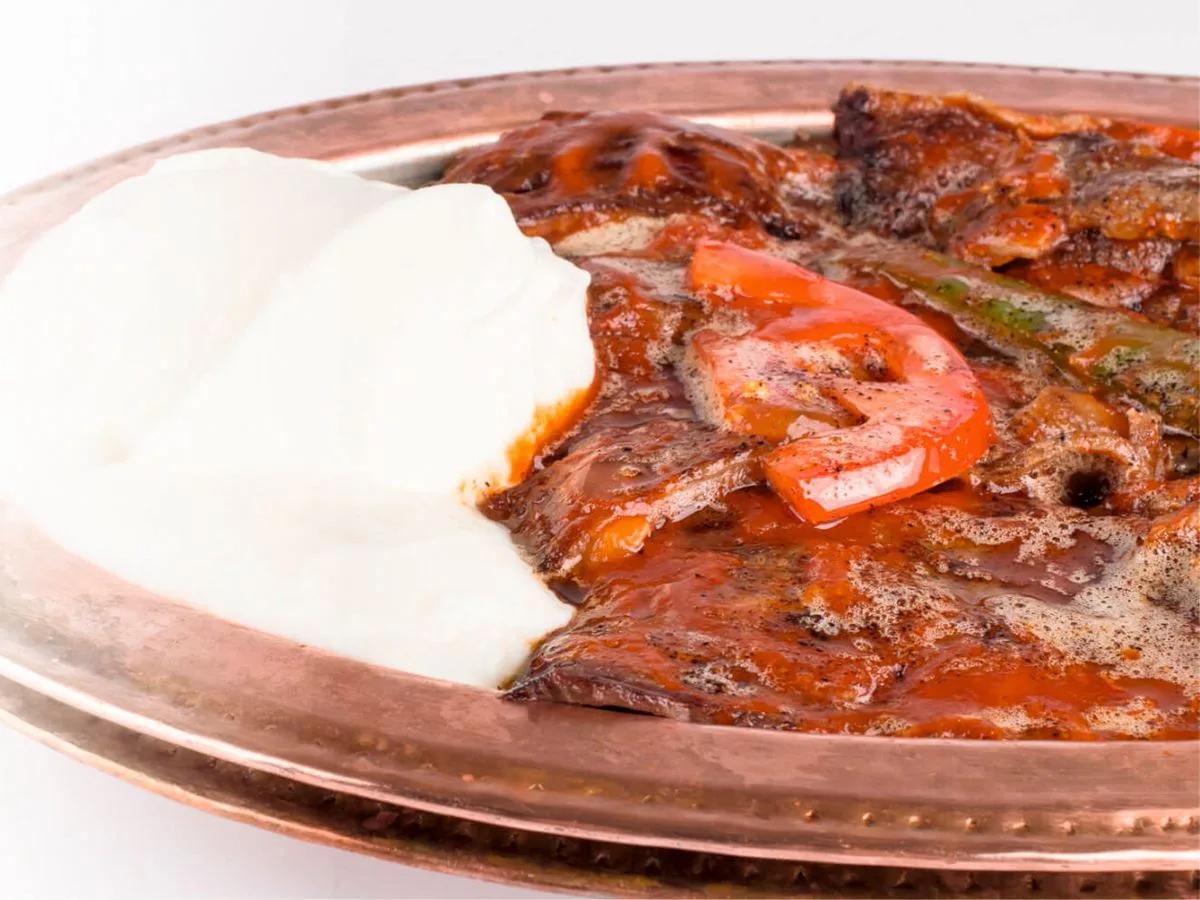
Iskender kebab is a Turkish plate built in layers. Thin slices of grilled meat sit on pieces of soft bread, under a hot tomato sauce, with melted butter poured over the top and a spoonful of cool yogurt alongside. The bread soaks up the sauce and butter, the meat stays savory and a little charred at the edges, and the yogurt cuts through the richness.
People love it because it is the kind of dinner that feels generous without being complicated. Every forkful has something hot, something tangy and something creamy in it. It is the comfort-food end of Turkish cooking, and it is the sort of dish you remember from a restaurant and want to recreate at home.
Where Iskender kebab comes from
The dish comes from Bursa, the former Ottoman capital in north-west Turkey, and it is named for its creator, İskender Efendi. That much is consistent across the sources. It is also known as Bursa kebab or Uludağ kebab, and the Turkish spelling is İskender kebap.
The details are less settled. A popular legend says İskender Efendi had the idea of grilling lamb on an upright spit so that its juices would not drip into the flames. He is said to have first tried it in his father's restaurant in Bursa in 1867, slicing the meat thinly and serving it over pide with tomato sauce, sizzling sheep butter and yogurt. That story credits him with döner as well as the dish that bears his name. Other accounts date it differently: one places it in the early 19th century, another in the late 19th. Treat the exact year as folklore rather than record.
What the accounts agree on is the effect. Serving döner meat on a plate, with sauce, butter and yogurt, is often described as turning a street-food staple into a sit-down meal.
How it varies
The traditional version uses thinly cut lamb, usually shaved from a vertical spit, laid over cubed pide or pita. The tomato sauce is hot, the butter is traditionally sheep butter, and the yogurt comes on the side. In many restaurants the butter is poured over the plate at the table, so it hisses as it lands.
Beef and mixed döner are common in modern restaurants, and you will often see a grilled tomato and a blistered green pepper on the side. Home cooks, and cooks outside Turkey, often make it with chicken, which is the route we take here. Chicken is milder and leaner than lamb, cooks quickly and is easy to find. The structure of the dish stays the same: bread, meat, tomato, butter, yogurt. The meat is the part that bends.
The fully traditional plate is rich, and a modern twist is simply to go lighter on the butter or serve more yogurt. That is a matter of taste rather than a rule.
When to make it
This is a good fit for the Quick Favorites file. With chicken, it comes together much faster than a spit-roasted version, and it looks and tastes like a restaurant plate. It suits a weeknight when you want something with real flavor, and a relaxed Sunday supper for friends, since each person can add butter and yogurt to their own plate.
It shines from late summer into early autumn. Tomatoes are at their best then, and a sauce made from ripe ones tastes noticeably brighter. Peppers, cucumbers and fresh herbs are still around for the sides. On a cool October evening, the hot buttery plate also works as a warming dinner.
What to serve with it
- A shepherd-style salad of tomato, cucumber and onion. Its sharpness and crunch balance the buttery plate.
- Grilled peppers and tomatoes. Charred vegetables are the classic partner and add smoky sweetness.
- Extra yogurt, or cacık. A cucumber-and-garlic yogurt keeps the meal cool and fresh.
- Ayran. This salty yogurt drink is the traditional pairing and cuts through the richness. Sparkling water with lemon also works.
- Pickled red cabbage or turnip. A little acid helps if you want to lighten the meal.
Make it at home
If you want to try it, get the recipe and you can cook it step by step in Cook Mode. The version we cook on Meez comes from Allrecipes, whose author based it on a plate eaten at a Turkish restaurant in London and made it with chicken.
Questions about Iskender kebab
Where does Iskender kebab come from?
It comes from Bursa in north-west Turkey and is named after İskender Efendi, who is credited with creating it. The date is disputed, with accounts ranging from 1867 to the late 19th century.
What is the difference between Iskender and döner?
Döner is the thinly sliced meat cooked on a vertical spit, often eaten in a wrap or sandwich. Iskender is a plated dish that serves that style of meat over bread with tomato sauce, melted butter and yogurt.
Is Iskender kebab traditionally made with chicken?
No. It is traditionally made with lamb, or with döner meat. Chicken is a popular home and modern variation that keeps the same bread, sauce, butter and yogurt.
What does Iskender kebab taste like?
It is savory, tangy and rich. The grilled meat is seasoned and a little smoky, the tomato sauce is bright, the butter adds richness and the yogurt cools everything down.
Sources
- İskender kebap (Wikipedia)
- Iskender Kebab: the quintessential comfort food (Daily Sabah)
- Kebabci Iskender: the birth place of Iskender Kebab (Halal Xplorer)
- İskender Kebap: origin, ingredients & serving (Menuella)
Last reviewed October 21, 2026. Written by the Meez editorial team with Meez Magic, from the sources above.
Original Recipe Source
This article is inspired by a recipe from Allrecipes.
Visit the original source for their version of this recipe and more great content.
Related Topics
Enjoyed this article? Share it with fellow food lovers!
Ready to Cook This Recipe?
Experience our immersive Cook Mode with step-by-step visual guidance, voice narration, and built-in timers.