

History of Gluten-Free Pasta: From Durum to Rice Flour
Gluten-free pasta made from scratch brings tender, springy Italian-style noodles to the table without wheat. Here is where the idea comes from, how it varies and what to serve with it.
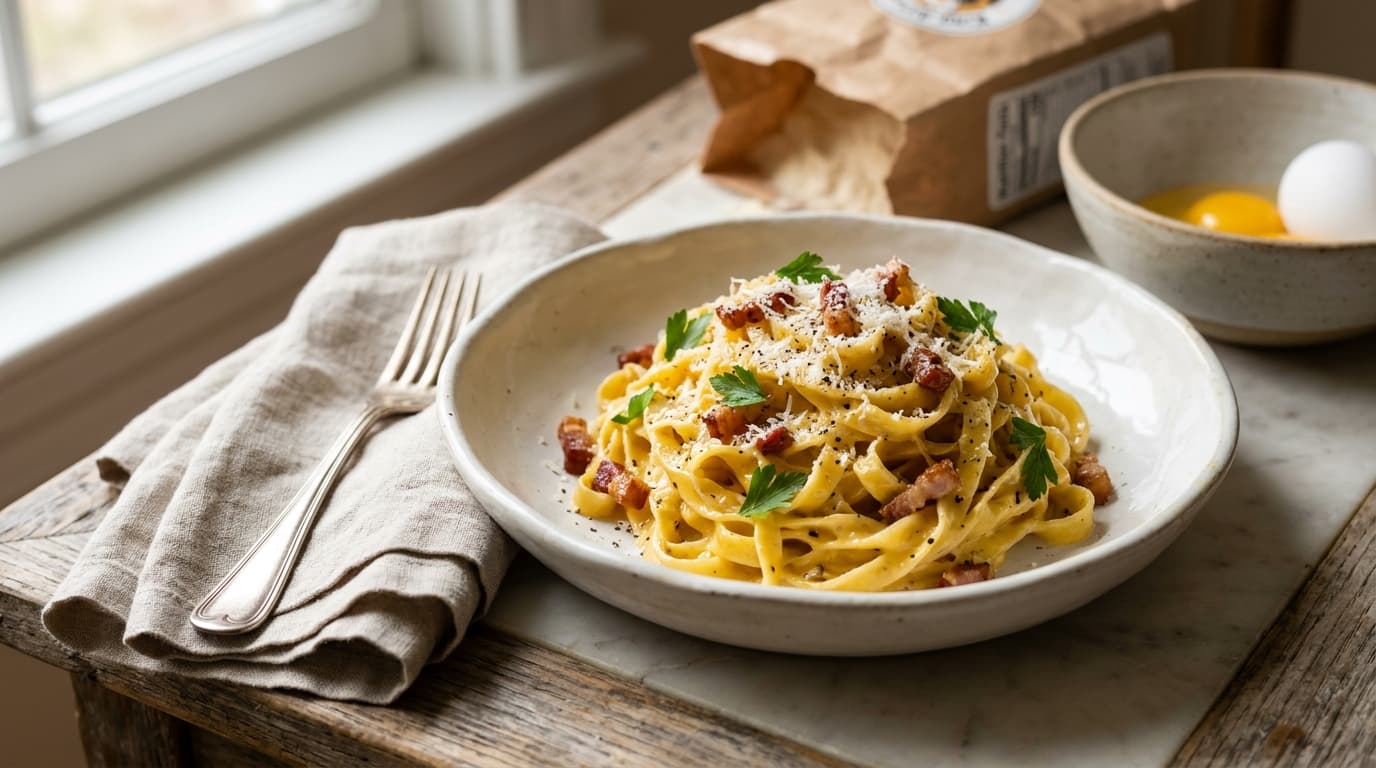
Featured Recipe
Gluten-Free Pasta
Gluten-free pasta, made from scratch in the Italian tradition, is a dough you roll and cut yourself. The noodles come out tender and a little springy, with enough body to hold a sauce rather than dissolve into it. Wide ribbons drape over a fork, and sheets fold neatly into a baking dish.
People love it because it fixes the usual complaint about boxed gluten-free pasta, which can turn brittle or gummy. Homemade noodles taste fresh and feel generous, and the dough is flexible enough to become whatever you are in the mood for: lasagna sheets, pappardelle, or small shapes pinched out with kids at the counter.

Where gluten-free pasta comes from
Pasta itself is Italian at its core, and it is a staple of the cuisine, but nobody can say who invented it. Pasta has a very ancient history, which makes it almost impossible to name a first maker. The word simply means “paste” in Italian. It is likely a descendant of ancient Asian noodles, though historians don’t know exactly how wheat noodles travelled to Europe. Many historians think pasta in a recognizable form reached Italy through Sicily in the Middle Ages.
The Marco Polo story, in which he carries noodles home from China in the 13th century, is probably a myth. There is evidence of pasta in Italy well before he returned, and it was already growing popular in other parts of the country.
Pasta was originally made only with durum wheat. Gluten-free versions are a much more recent development, and the definition of pasta has since widened to include noodles made with rice flour or legumes such as beans and lentils. A 2015 trade-press report describes how gluten-free pasta used to be the territory of specialised producers. It says Garofalo was the first traditional Italian pasta maker to launch a gluten-free line, after which other established makers began to pay attention. Making it at home is the same idea at kitchen scale. The version we cook on Meez comes from King Arthur Baking.
How it varies
The traditional baseline is wheat pasta, either dried durum or fresh dough. A gluten-free dough borrows those shapes and gives them new ingredients. The biggest split is between homemade and packaged. Fresh dough rolled by hand gives you sheets and wide ribbons that dried products rarely match, while packaged gluten-free pasta is built around rice, corn or legume flours, and each brand cooks a little differently.
Within the homemade camp, the shape is your choice. Lasagna sheets and pappardelle are the classic, sauce-friendly options. Smaller hand-cut or pinched shapes are the playful modern take, and a good project for children. Legume-based pasta is the contemporary twist that has moved from specialty shelves into ordinary supermarkets, and it brings its own earthy flavor.
When to make it
This is a Quick Favorite for a day when you want something homemade without a long project. It works well on a Saturday afternoon when you want to cook with family, and it suits a weeknight supper when you would rather not rely on a box. It is also a kind gesture for a guest who avoids gluten, since the meal feels like the centerpiece rather than a substitute.
Gluten-free pasta is welcome in every season, so let the sauce follow the market. In spring, pair it with peas, asparagus and fresh herbs. In late summer, tomatoes, basil, zucchini and sweet corn are at their best. An October weeknight calls for roasted squash, mushrooms and sage, and in winter you can fall back on a slow-simmered tomato sauce or a layered baked lasagna.

What to serve with it
- A crisp green salad with lemon dressing. The sharpness cuts through a rich sauce and keeps the plate light.
- Roasted vegetables. Broccoli, fennel or peppers add color and a little char beside soft noodles.
- Sliced tomatoes with olive oil and basil. This is a simple, no-cook side that suits warm months.
- Gluten-free bread, warmed. If you want something for mopping up sauce, choose a loaf labelled gluten-free.
- A dry white or light red wine, or sparkling water with citrus. Both are fresh enough to match tomato or herb sauces.
The version on Meez is gluten-free as written by its source. It is still worth reading the labels on every packaged ingredient and side you add.
Make it at home
When you are ready to roll up your sleeves, get the recipe for the full ingredient list and method. If you like having your hands free, you can cook it step by step in Cook Mode.
Questions about gluten-free pasta
Is pasta originally from Italy?
Pasta is traditionally Italian and is a staple of Italian cuisine, but its roots are older and murkier. It is likely a descendant of ancient Asian noodles, and historians are unsure how wheat noodles reached Europe.
Did Marco Polo bring pasta to Italy?
Probably not. There is evidence of pasta in Italy before he came home in the 1200s, and it was already gaining popularity in other parts of the country.
What is gluten-free pasta made from?
Traditional pasta was made only with durum wheat. Gluten-free versions use alternatives such as rice flour or legumes like beans and lentils, and homemade versions use a gluten-free flour mix.
What is the difference between homemade and store-bought gluten-free pasta?
Homemade dough is fresh and can be cut into any shape, including lasagna sheets and wide ribbons. Packaged gluten-free pasta is dried and usually built around rice, corn or legume flours, and the brands behave differently in the pot.
Sources
- Pasta
- Gluten free pasta: the 'italians' are growing - Italianfood.net
- Uncover The History of Pasta
- How Pasta Became An Icon Of Italian Culture - Food Republic
Last reviewed November 11, 2026. Written by the Meez editorial team with Meez Magic, from the sources above.
Original Recipe Source
This article is inspired by a recipe from King Arthur Baking.
Visit the original source for their version of this recipe and more great content.
Related Topics
Enjoyed this article? Share it with fellow food lovers!
Ready to Cook This Recipe?
Experience our immersive Cook Mode with step-by-step visual guidance, voice narration, and built-in timers.