

History of American Biscuits, and Making Them Gluten-Free
Gluten-free biscuits can be tall, flaky and buttery, with a crisp golden top and a soft, layered middle. Here is where the American biscuit comes from, how it varies, and what to put on the table with it.
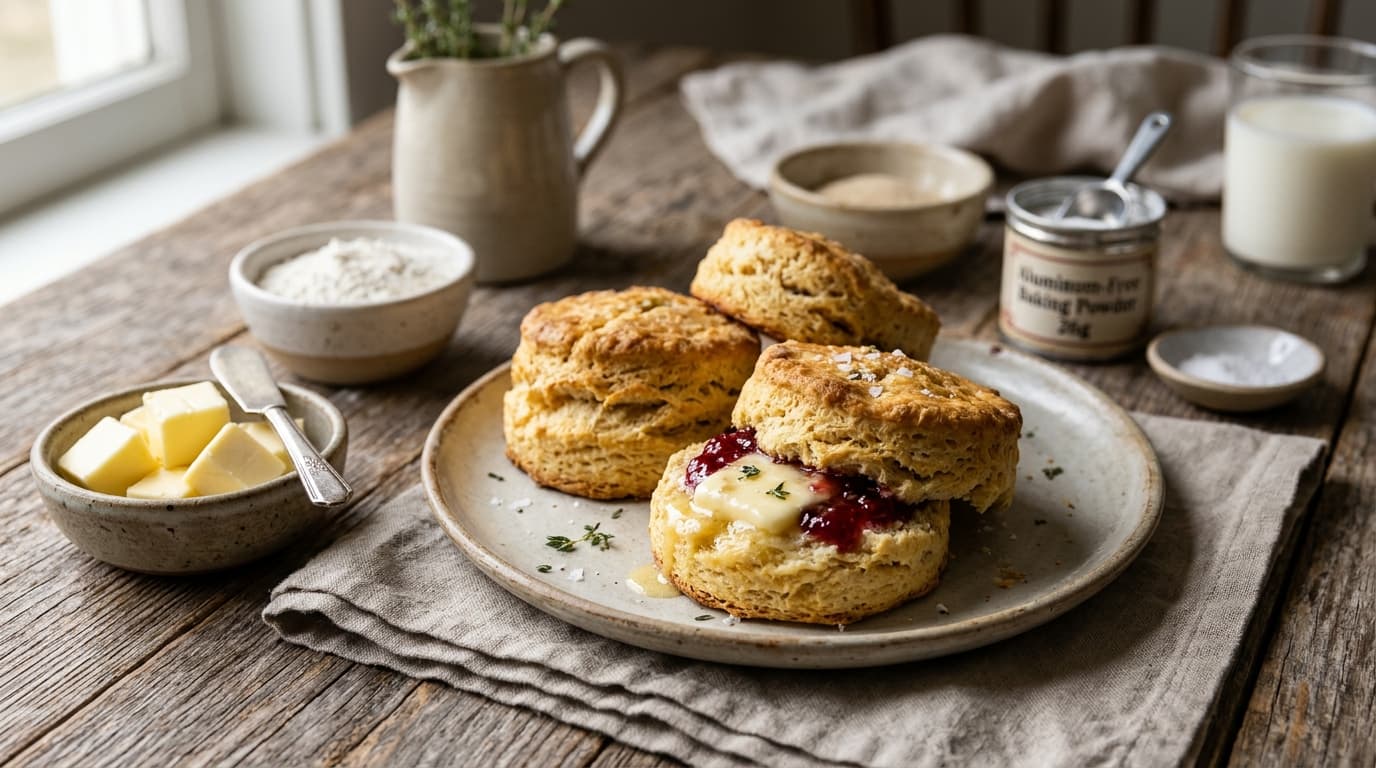
Featured Recipe
Gluten-Free Biscuits (Big, Flaky, and Easy!)
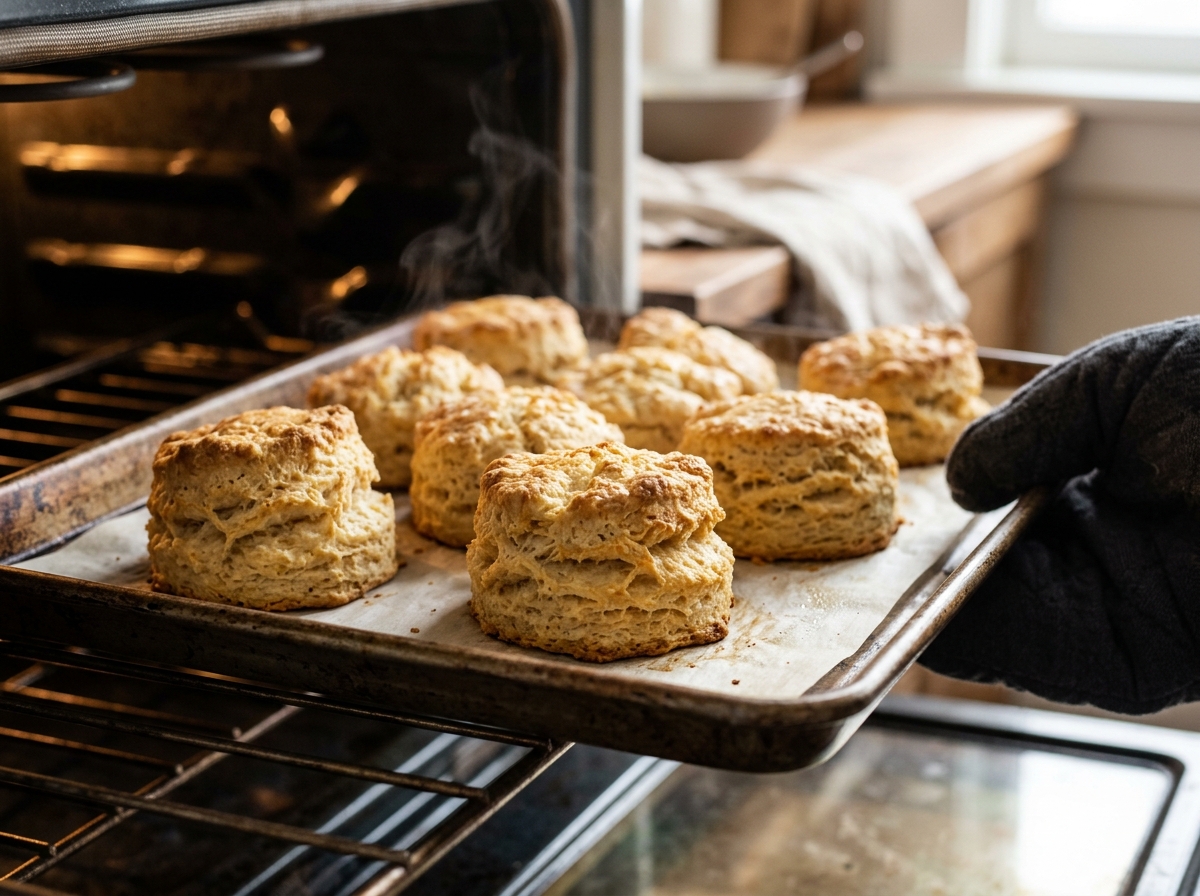
A good American biscuit is tall and golden, with a crisp top and a tender, buttery middle that pulls apart in layers. Split one while it is still warm and the steam rises, the butter melts into the crumb, and a plain round of dough turns into the best thing on the breakfast table.
Gluten-free biscuits have a reputation for turning out dense or crumbly, which is why a tall, flaky batch feels like a small victory. These are quick to put together, vegetarian, and just as good with jam as with a savory plate of eggs.
Where biscuits come from
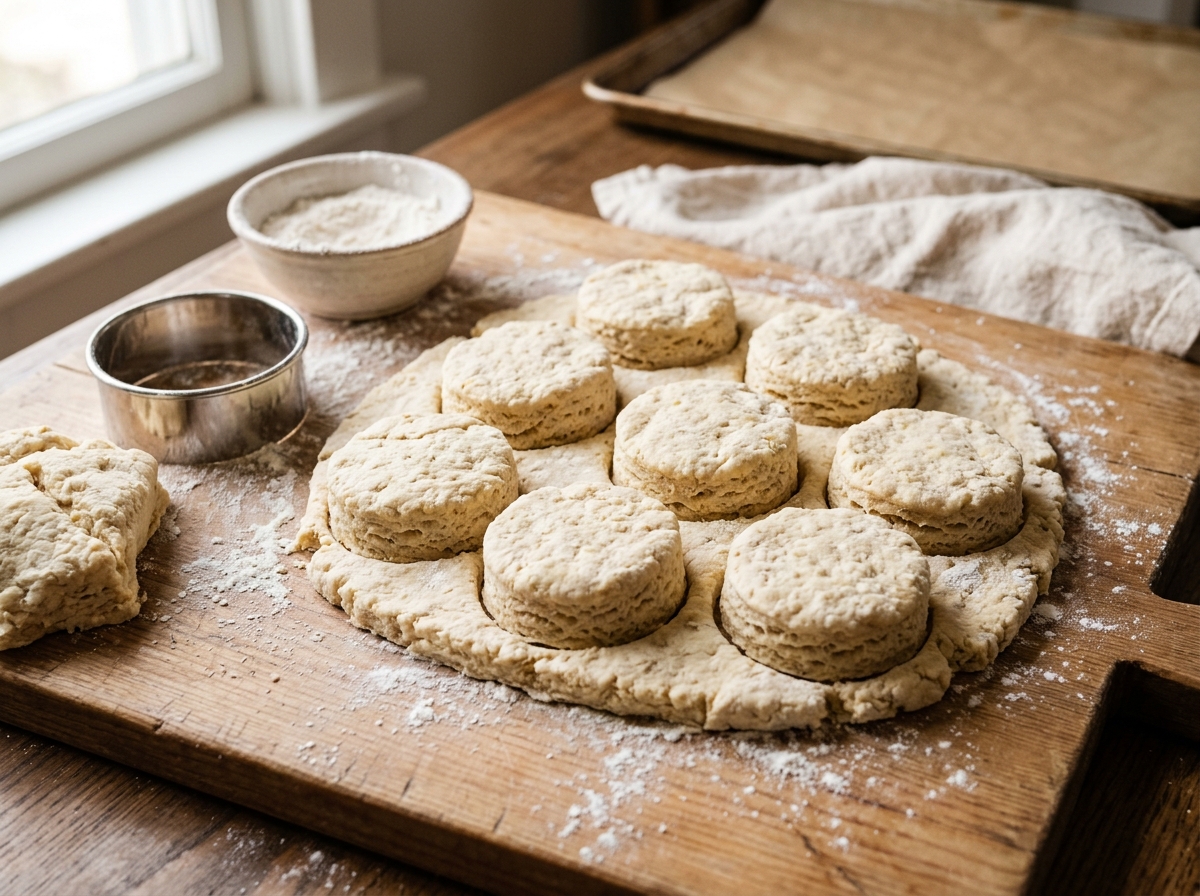
The American biscuit is a quick bread, listed as originating in the United States and Canada. It is leavened with baking soda or baking powder rather than yeast, which is what makes it quick. It is also plain and unsweetened, almost always savory, which is the main thing that separates it from an American-style scone.
The name has a much older story. “Biscuit” comes from a French word meaning “twice-cooked,” and biscuits of that early kind date back to ancient Roman times as a long-keeping army ration. Hard ship’s biscuits are referenced as early as the 12th century. The soft, risen biscuit we eat for breakfast is a different thing, and it is often said to have come to America with European colonists, then developed into its own style here.
One later chapter is the baking mix. Bisquick, introduced under Carl Smith’s name in 1931, grew out of a story about a train dining car chef who kept a pre-mixed batter of lard, flour, baking powder and salt on ice so he could turn out fresh biscuits on demand. It helped make homemade biscuits an everyday habit.
Gluten-free biscuits are a much newer development. Commercial gluten-free baking began to grow in the late 1970s and early 1980s, when Schär expanded into gluten-free foods that included butter biscuits in the European sense. Bread was the hard part, since it relies on a complex structure, and through the 1990s gluten-free baked goods were found mostly in health food stores. Today, home bakers can buy flour blends designed for the job.
How biscuits vary
The biggest split is texture. Some biscuits are cakey and dense, while others are flaky and light, and each has its fans. Traditional versions were made with wheat flour; a gluten-free version has to get its rise and layers from a blend of other flours, and blends behave differently. The source of our recipe tested 12 of them to see which rise best, and explains how to adjust others.
Beyond texture, the usual variations are savory. Flavored biscuits most often include cheese or herbs, such as sharp cheddar with chives. Some cooks brush the tops with melted butter, and others add a little honey for a hint of sweetness while keeping the biscuit itself unsweetened. The classic version stays simple, because it is meant to carry whatever you put on it.
When to make gluten-free biscuits
Biscuits are a Quick Favorite. They come together fast enough for a weeknight in October, when you want something warm next to a pot of soup, or for a slow Saturday morning in January with the oven on and the windows steamed up. Cooler months suit them best, though they work in any season.
They also suit Feeding a Crowd. A tray of biscuits on a brunch table disappears quickly, and everyone can build their own with butter, jam or eggs. In autumn, serve them with apple butter and roasted squash. In spring, split them for strawberries, which arrive in many parts of the Northern Hemisphere from late spring into early summer.
What to serve with them
- Scrambled or soft-cooked eggs. Their richness and softness are a good match for a flaky, buttery biscuit.
- Fruit jam or honey. Check that the label is gluten-free; the sweetness balances a biscuit’s salt.
- Fresh berries or sliced pears. Their brightness cuts through the butter, and they make the plate feel lighter.
- Roasted tomatoes or sautéed mushrooms. Savory vegetable sides keep a vegetarian breakfast hearty. A mushroom gravy thickened with cornstarch also works well spooned over a split biscuit.
- Coffee, tea or fresh orange juice. All are classic breakfast drinks that do not compete with the biscuit.
Make it at home
The version we cook on Meez comes from Fearless Dining, and it is gluten-free as written by its source. As with any packaged ingredient, labels are worth checking. When you are ready, Get the recipe, or cook it step by step in Cook Mode.
Questions about biscuits
What is an American biscuit?
It is a small, round quick bread leavened with baking powder or baking soda and usually served savory, at breakfast, lunch or dinner. Good ones are flaky and light, though some are cakey and dense.
How is a biscuit different from a scone?
American biscuits are plain, unsweetened and almost always savory, while American-style scones tend to be sweeter. Flavored biscuits usually contain cheese or herbs rather than sugar and fruit.
Where does the word biscuit come from?
It comes from a French word meaning “twice-cooked.” The early biscuits it described were hard, long-keeping rations, quite unlike the soft biscuits served in America today.
Why do gluten-free biscuits turn out dense?
Gluten-free flour blends behave differently from wheat flour, and some rise much better than others. That is why our source tested 12 blends and explains how to adjust other ones.
Sources
- Biscuit (bread) - Wikipedia
- Biscuits - American Society of Baking Engineers (ASBE)
- Bisquick - Wikipedia
- The History of Gluten-Free Bread - Bay Area Entertainer
Last reviewed November 11, 2026. Written by the Meez editorial team with Meez Magic, from the sources above.
Original Recipe Source
This article is inspired by a recipe from Fearlessdining.
Visit the original source for their version of this recipe and more great content.
Related Topics
Enjoyed this article? Share it with fellow food lovers!
Ready to Cook This Recipe?
Experience our immersive Cook Mode with step-by-step visual guidance, voice narration, and built-in timers.