

Chicken Marsala Origin: Where the Italian Dish Comes From
Chicken Marsala pairs golden pan-fried cutlets with mushrooms in a deep, savory wine sauce. Here is where it comes from, how it varies, when to cook it and what to put alongside.
Featured Recipe
Chicken Marsala
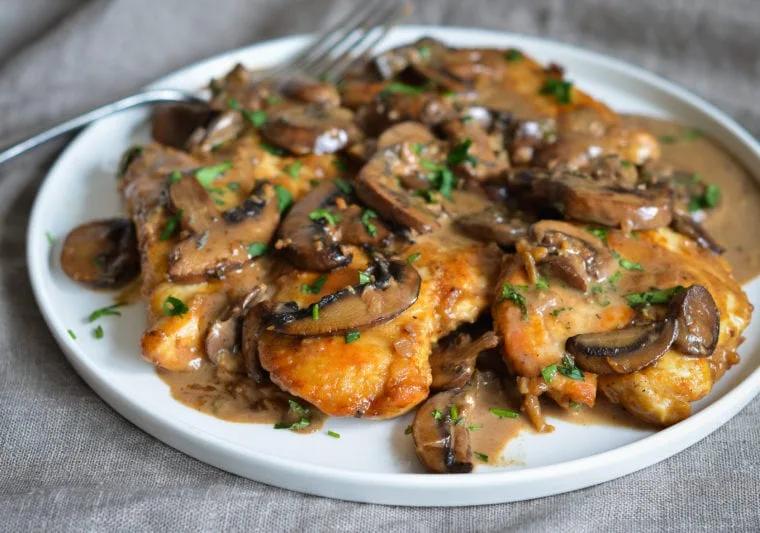
Chicken Marsala is an Italian-American classic: thin chicken cutlets, dusted and browned until golden, then simmered with mushrooms in a sauce built on Marsala wine. The sauce is dark, glossy and savory, with a nutty sweetness from the fortified wine and an earthy depth from the mushrooms.
People love it because it tastes like a restaurant dish but comes together in one pan. The cutlets stay tender, the sauce is made for spooning over whatever sits beside the chicken, and the whole plate feels a little special without being fussy.
Where chicken Marsala comes from
The dish is usually described as a Sicilian one, which makes sense, since Marsala wine comes from Sicily. In Italian it goes by pollo al marsala or scaloppine al marsala, and it is generally treated as one variation of the scaloppine family: thin cutlets, quickly cooked, finished in a pan sauce. Italy has many versions of that idea.
Beyond that, the history gets hazy. Most accounts place the dish in the 19th century, and it is often traced to English families living in western Sicily. Other tellings point to French cooks or French families on the island who wanted something familiar, with one account linking it to the Napoleonic era and a Sicilian chef cooking for them. These stories do not agree, and none of them is firmly documented, so it is fair to call the exact origin unsettled.
Several sources say Sicilian immigrants brought the dish to the United States in the early 20th century, where it was adapted to local ingredients and became a fixture of Italian-American menus. You will also run across a tale about a food critic who supposedly invented veal Marsala. One writer who looked into it calls that story almost certainly apocryphal, and there is no record backing it up.
How chicken Marsala varies
The older template is veal, and some cooks still use veal or pork cutlets in place of chicken. The chicken version has become the most familiar one in American kitchens, partly because it is easier to find and more forgiving.
Wine is the main dividing line. Dry Marsala gives a more savory, restrained sauce, while sweet Marsala leans rounder and more dessert-like. Many home cooks choose dry for a main course and keep the sweet bottle for baking.
Other differences come down to the cook:
- Traditional-leaning: a short, simple sauce of wine, a little stock and butter, with mushrooms kept modest.
- Italian-American restaurant style: plenty of mushrooms, a more generous sauce, sometimes a splash of cream.
- Modern twists: prosciutto, shallots or thyme in the pan, or the chicken layered over pasta or baked with cheese.
The version we cook on Meez comes from Once Upon a Chef. It keeps to the pan-fried cutlet and mushroom format that most people expect when they order it.
When to make chicken Marsala
It suits a Sunday supper when you want something more than a weeknight chicken breast but do not want to spend the afternoon cooking. It also works for dinner with friends, since the sauce makes the plate look generous and the cooking is quick enough that you can stay in the conversation. A quiet date night at home is another good fit.
Autumn is when it shines. Mushrooms are at their best from September through November, and the sauce tastes right alongside cooler evenings. A weeknight in October, with cremini or wild mushrooms at the market, is about ideal. Other things in season then, like Brussels sprouts, winter squash, kale, apples and pears, all fit comfortably on the same table.
What to serve with chicken Marsala
The main job of a side is to catch the sauce. A few good options:
- Buttery egg noodles or pasta: they carry the sauce well and make the plate more filling.
- Mashed potatoes or soft polenta: creamy and mild, so the wine and mushrooms stay in front.
- Roasted green vegetables: asparagus, broccolini or green beans add a fresh, slightly bitter edge against the sweetness of the wine.
- A sharp arugula salad: lemony and peppery, it cuts through the richness between bites.
- A glass of dry white or a light red: Pinot Grigio, or something soft like a Chianti, matches the dish without competing with it.
Make it at home
Ready to cook it? Get the recipe for the full ingredients and method, or cook it step by step in Cook Mode if you want the instructions on screen while you work at the stove.
Questions about chicken Marsala
Is chicken Marsala actually Italian?
Yes, with a caveat. It is generally traced to Sicily and the scaloppine tradition, but the version most people know today took shape in Italian-American kitchens and restaurants.
What is Marsala wine?
Marsala is a fortified wine from Sicily, available in dry and sweet styles. It tastes nutty and slightly caramelized, which is why it works so well with browned chicken and mushrooms.
How is chicken Marsala different from chicken piccata?
Both are thin, pan-fried cutlets finished in a sauce made in the same pan. Piccata is bright and sharp, built on lemon and capers, while Marsala is deeper and earthier, built on wine and mushrooms.
What do you serve with chicken Marsala?
Anything that soaks up the sauce works well, such as egg noodles, mashed potatoes or polenta, alongside a green vegetable or a simple salad.
Sources
- Chicken marsala
- Chicken marsala (Simple English Wikipedia)
- The Hirshon Conclusive Chicken Marsala - Pollo Alla Marsala (The Food Dictator)
- Chicken Marsala Origin and History
Last reviewed October 20, 2026. Written by the Meez editorial team with Meez Magic, from the sources above.
Original Recipe Source
This article is inspired by a recipe from Onceuponachef.
Visit the original source for their version of this recipe and more great content.
Related Topics
Enjoyed this article? Share it with fellow food lovers!
Ready to Cook This Recipe?
Experience our immersive Cook Mode with step-by-step visual guidance, voice narration, and built-in timers.