

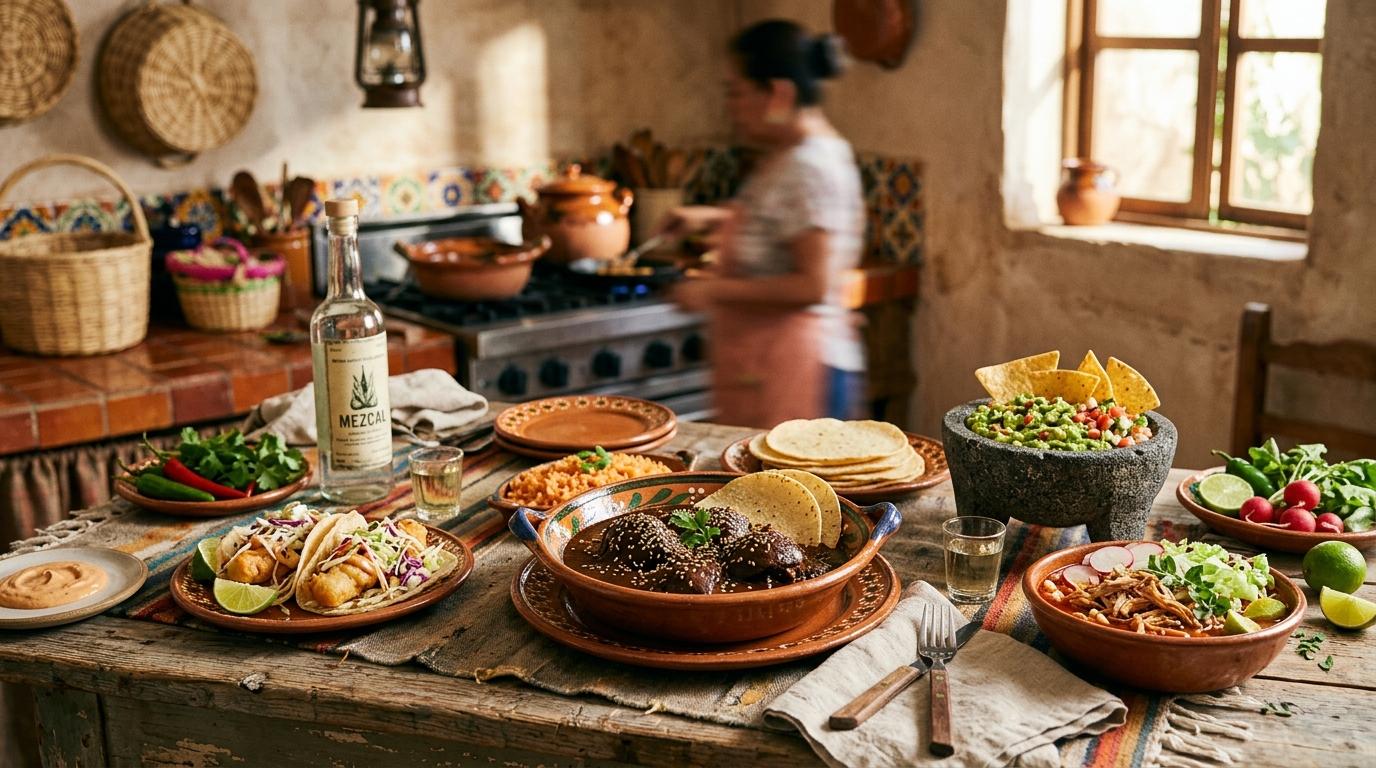
Mexican cuisine tells the story of a nation through its kitchens — from the coastal ceviches of Veracruz to the mole negro of Oaxaca, each dish carries centuries of tradition, innovation, and cultural exchange. This isn't just about recreating restaurant favorites at home, though we'll certainly help you nail those crispy carnitas and perfectly seasoned rice. We're diving deeper into a culinary tradition that spans indigenous roots, Spanish influences, and regional variations that make Mexican food one of the world's most diverse and sophisticated cuisines.
Whether you're a Mexican-American cook preserving family recipes, a curious food lover ready to move beyond Tuesday taco nights, or someone who simply wants to understand why that corner taqueria tastes so much better than anything you make at home, this guide will walk you through the techniques, ingredients, and cultural context that make Mexican cooking sing.
The beauty of Mexican cuisine lies in its accessibility alongside its complexity. You can make incredible authentic mexican food with simple techniques and quality ingredients, but there's always another layer to explore — a new chile variety, a regional specialty, or an ancestral cooking method that opens up entirely new flavors.
The Mexican Pantry: Building Your Foundation
Great Mexican cooking starts with the right ingredients, and while you don't need to stock every specialty item from day one, certain staples will transform your cooking immediately. Let's start with the game-changers.
Essential Chiles: Your Flavor Arsenal
Dried chiles are the backbone of Mexican cooking, each variety bringing its own personality to dishes. Ancho chiles — dried poblanos — offer sweet, raisin-like notes perfect for sauces. Guajillo chiles bring bright, fruity heat that works beautifully in marinades and salsas. Chipotle chiles (smoked jalapeños) add that distinctive smoky depth you taste in restaurant dishes.
For fresh chiles, keep jalapeños and serranos on hand for everyday cooking. Poblanos are perfect for stuffing (think chiles rellenos) or roasting for rajas. When you're ready to explore, seek out habaneros for serious heat with fruity complexity, or mild Anaheim chiles for those who prefer gentle warmth.
Here's the technique that changes everything: toast your dried chiles before using them. A dry skillet over medium heat for 30 seconds per side awakens oils that have been sleeping. The chile should become fragrant and slightly puffed — any longer and you'll cross into bitter territory.
Corn: More Than Just Tortillas
Masa harina (nixtamalized corn flour) isn't just for tortillas, though learning to make fresh ones will revolutionize your taco game. This specially treated corn flour creates the distinctive flavor and texture of authentic Mexican corn dishes. Use it for tamales, sopes, gorditas, and even to thicken sauces.
When buying tortillas, look for brands that list only corn, water, and lime — avoid preservatives and artificial ingredients. Better yet, find a local tortillería where you can buy them warm off the press.
The Aromatics That Make the Difference
White onions are preferred in Mexican cooking for their clean, sharp bite that mellows beautifully when cooked. Mexican oregano tastes completely different from Mediterranean oregano — more floral, with hints of lemon and licorice. Cumin appears in many dishes, but use a light hand; it should support, not dominate.
Fresh epazote, if you can find it, is the secret to authentic bean dishes — it adds a gasoline-like pungency that sounds awful but tastes incredible. Mexican crema and queso fresco provide creamy, tangy finishing touches that American dairy substitutes can't quite match.
Fundamental Techniques: The Skills That Matter
Mexican cooking relies on a handful of techniques that, once mastered, unlock countless dishes. These aren't complicated, but they require attention and practice.
The Art of the Sofrito
Many Mexican dishes begin with a sofrito — onions, garlic, and sometimes tomatoes cooked until they form a fragrant base. The key is patience. Cook your diced onions in a generous amount of oil until they're completely soft and golden, about 8-10 minutes. Add garlic only in the last minute to prevent burning.
When tomatoes join the party, let them cook down until they darken and concentrate, losing their raw acidity. This foundation appears in everything from rice dishes to complex moles, and getting it right sets up success for the entire dish.
Proper Chile Handling and Preparation
Roasting fresh chiles over an open flame (or under the broiler) until the skin blisters and chars creates smoky depth while making the skins easy to peel. Steam them in a plastic bag for 10 minutes, then scrape away the blackened skin with a knife — don't rinse, which washes away flavor.
For dried chiles, remove stems and most seeds (save some for heat), then toast briefly in a dry pan before soaking in warm water until pliable. Blend the soaked chiles with some of their liquid to create the base for countless sauces.
Building Layers of Flavor
Mexican cooks understand that great dishes develop flavor in stages. Spices get toasted to awaken their oils. Ingredients are added at specific moments — garlic near the end to prevent bitterness, acids like lime juice at the very end to maintain brightness.
Salt isn't just seasoning; it's used strategically throughout cooking to draw out moisture, concentrate flavors, and build complexity. Don't save it all for the end.
The Greatest Hits: Essential Mexican Dishes
Let's explore the dishes that form the backbone of Mexican home cooking, starting with the ones you'll make again and again.
Tacos: Beyond Tuesday Night
Real tacos bear little resemblance to the hard-shell versions many of us grew up with. They're about balance — a warm, soft tortilla cradling perfectly seasoned meat, bright salsa, and simple garnishes. The Authentic Mexican Tacos Guide covers the fundamentals, from proper tortilla warming to traditional filling combinations.
Carnitas might be the ultimate taco filling — pork shoulder simmered in lard until fork-tender, then crisped at the end for textural contrast. The key is low, slow cooking that breaks down tough connective tissue while keeping the meat moist. Serve with diced white onion, chopped cilantro, and salsa verde on warm corn tortillas.
Al pastor brings Lebanese influences into Mexican kitchens — marinated pork cooked on a vertical trompo, traditionally topped with pineapple. At home, a cast-iron skillet can create similar results with thinly sliced pork shoulder marinated in guajillo chiles, achiote, and pineapple juice.
Enchiladas: Comfort Food Perfection
The [CLUSTER: Best Chicken Enchiladas Recipe: Authentic Mexican Comfort Food] demonstrates how this seemingly simple dish requires attention to detail. Great enchiladas start with a great sauce — typically made from dried chiles, not canned tomatoes.
For enchiladas rojas, blend rehydrated guajillo and ancho chiles with garlic, onion, and chicken broth. Strain the mixture to remove tough skin pieces, then simmer until thickened. The tortillas should be briefly warmed in this sauce before filling and rolling — this step prevents cracking and adds flavor throughout.
Enchiladas verdes use tomatillos and green chiles for a brighter, more acidic sauce. Roast tomatillos until soft and slightly charred, then blend with jalapeños, cilantro, and onion.
Pozole: Soup That Tells Stories
This ancient soup centers around hominy — dried corn kernels treated with lime to remove hulls and create tender, chewy kernels with a distinctive flavor. Mexican Soup and Stew Recipes explores various regional versions, but all pozole starts with good stock.
Traditional pozole rojo gets its color from a blend of guajillo, ancho, and chipotle chiles. The pork (usually shoulder and sometimes trotters for body) simmers until fork-tender, then shredded back into the broth with the hominy. Garnishes are crucial — diced onion, sliced radishes, chopped cilantro, crumbled oregano, and lime wedges let each person customize their bowl.
Regional Specialties: A Country's Worth of Flavors
Mexico's regional cuisines are as distinct as its geography, each shaped by local ingredients, climate, and cultural influences. Understanding these differences will deepen your appreciation for Mexican cooking's incredible diversity.
Oaxacan Excellence
Oaxaca is often called the culinary capital of Mexico, known for its complex moles, distinctive chiles, and strong indigenous influences. Mole negro, the region's most famous export, can contain over 30 ingredients and take days to prepare properly. While that might sound intimidating, simpler Oaxacan moles like coloradito offer similar flavor principles with more approachable ingredient lists.
The [CLUSTER: Regional Mexican Specialties Guide] covers Oaxacan classics like tlayudas — crispy tortillas topped with beans, meat, and vegetables that eat like Mexican pizza. Chapulines (grasshoppers) seasoned with garlic, lime, and sal de gusano might push comfort zones but represent authentic regional flavors.
Yucatecan Uniqueness
The Yucatan peninsula's cuisine shows strong Mayan influences alongside Spanish colonial elements. Achiote (annatto seeds) provides the distinctive orange color and earthy flavor in cochinita pibil — pork marinated in citrus and spices, then wrapped in banana leaves and slow-cooked until falling apart.
Sour oranges grow abundantly in the Yucatan and appear in many dishes. If you can't find them, combine regular orange juice with lime juice to approximate the flavor. Habaneros are the chile of choice here, providing intense heat with fruity complexity.
Coastal Influences
Mexico's extensive coastlines contribute fresh seafood preparations that often emphasize the ingredients' natural flavors. Ceviche from Veracruz typically uses red snapper "cooked" in lime juice with tomatoes, onions, and jalapeños. The acid denatures proteins similarly to heat, creating firm, opaque fish with bright, clean flavors.
Pescado a la veracruzana demonstrates Spanish influence with its tomato-based sauce enriched with olives, capers, and herbs — ingredients that arrived with colonial traders but have been thoroughly adopted into local tradition.
Beyond the Main Course
Mexican meals extend far beyond the entrée, encompassing everything from elaborate breakfast spreads to celebratory desserts that showcase the cuisine's range and sophistication.
Morning Glory: Mexican Breakfast Traditions
Mexican breakfasts can be substantial affairs featuring multiple dishes designed for sharing and lingering. Mexican Breakfast Recipes Collection explores classics like huevos rancheros — fried eggs over tortillas with salsa — and the more elaborate huevos divorciados, where eggs are separated by different colored salsas.
Chilaquiles transform leftover tortillas into comfort food gold. Day-old tortillas get fried until crispy, then simmered in salsa until just softened, topped with eggs, cheese, and crema. The texture should be somewhere between nachos and casserole — crispy edges with tender centers.
Mexican hot chocolate demonstrates the cuisine's ancient cacao traditions. Real Mexican chocolate contains sugar and cinnamon, often with almonds or vanilla. Whisk it with hot milk until frothy, using a traditional molinillo if you have one.
Salsas and Sauces: The Soul of Mexican Cooking
No Mexican meal is complete without salsa, and Traditional Mexican Salsas and Sauces reveals how these aren't just condiments — they're integral flavor components that can make or break a dish.
Salsa verde combines tomatillos, jalapeños, onion, and cilantro for bright acidity that cuts through rich foods. Roast the tomatillos until soft and slightly charred for deeper flavor. Salsa roja uses tomatoes and dried chiles for a more complex, earthy profile.
Pico de gallo — literally "rooster's beak" — should have perfectly diced ingredients that maintain their individual textures. The key is removing seeds from tomatoes to prevent wateriness and letting the mixture sit briefly to allow flavors to meld.
More complex sauces like mole require patience but reward with incredible depth. Even a simple mole poblano involves toasting multiple types of chiles, nuts, seeds, and spices before blending and simmering. The result is a sauce that's simultaneously sweet, spicy, bitter, and umami-rich.
Sides That Shine
Mexican Rice and Bean Dishes covers the foundations that appear alongside most Mexican meals. Mexican rice gets its flavor from toasting the grains in oil until golden before adding liquid — this creates individual grains with a nutty flavor rather than mushy clumps.
Refried beans aren't actually fried twice — the name comes from "refritos," meaning "well-fried." Cook dried beans until tender, then mash and fry in lard or oil until creamy and concentrated. The texture should be creamy but not smooth, with some bean pieces remaining for interest.
Party-Perfect: Entertaining Mexican Style
Mexican cuisine excels at feeding crowds, with many dishes designed for sharing and celebration. [CLUSTER: Mexican Appetizers and Party Food] offers options ranging from simple to spectacular.
The [CLUSTER: Ultimate Taco Ring Recipe: Party-Perfect Mexican Comfort Food] represents the fun, shareable spirit of Mexican entertaining. While not traditionally Mexican, it shows how the cuisine's flavors adapt to different formats and occasions.
Guacamole remains the ultimate crowd-pleaser, but great guac requires perfectly ripe avocados and restraint with additions. Mash avocados with lime juice, salt, and finely minced jalapeño, onion, and cilantro. Let the avocado flavor dominate — everything else should support, not compete.
Queso fundido brings restaurant-style cheese dip to your table. Chorizo renders its fat in a cast-iron skillet, then gets topped with cheese that melts into bubbly perfection. Serve with warm tortillas for scooping.
Weeknight Warriors: Quick and Easy Options
Not every Mexican meal requires day-long preparation. Easy Mexican Dinner Ideas proves that authentic flavors can happen on busy weeknights with smart shortcuts and advance preparation.
The [CLUSTER: Slow-Cooker Chicken Tortilla Soup: Easy Mexican Comfort Food] exemplifies how slow cooking can develop complex flavors with minimal active time. Layer ingredients strategically — aromatics at the bottom, proteins in the middle, delicate ingredients added at the end.
[CLUSTER: The Best Steak Fajitas Recipe: Tex-Mex Perfection] shows how high-heat cooking can create restaurant-worthy results quickly. The key is proper marination — acidic ingredients like lime juice tenderize tough cuts while chile-based marinades add flavor throughout the meat.
Quesadillas go beyond cheese and tortillas when you understand the technique. Cook them in a dry pan over medium heat, flipping when the bottom is golden and crispy. The cheese should be fully melted but not leaking out the sides.
Sweet Endings: Traditional Mexican Desserts
Traditional Mexican Desserts Guide explores sweets that range from simple to spectacular, often showcasing Mexico's excellent dairy products and sugar cane.
Flan represents the Spanish influence on Mexican cuisine — a silky custard topped with caramel that requires patience but delivers restaurant-quality results. The key is cooking the caramel until deeply golden without burning, and tempering the eggs properly to prevent curdling.
Tres leches cake soaks up a mixture of three milks (condensed, evaporated, and heavy cream) to create incredibly moist texture. The cake itself should be light and airy to absorb maximum liquid without becoming soggy.
Churros bring street food magic home with their crispy exterior and soft interior. The dough is simply choux pastry piped through a star tip and fried until golden. Roll in cinnamon sugar while still warm.
Healthy Mexican: Nutrition Without Compromise
Healthy Mexican Recipe Makeovers demonstrates how Mexican cuisine naturally aligns with healthy eating principles when prepared traditionally. Beans provide protein and fiber, while fresh vegetables, herbs, and spices add nutrition along with flavor.
Many Mexican dishes can be adapted for various dietary needs without losing authenticity. Corn tortillas are naturally gluten-free, while beans and vegetables can anchor satisfying vegetarian meals. Even traditional carnitas can be lightened by using less fat and adding more vegetables to the mix.
The key is focusing on whole, unprocessed ingredients — the foundation of traditional Mexican cooking anyway. Fresh salsas provide vitamins and antioxidants, while herbs like cilantro contribute both flavor and nutrients.
Your Mexican Cooking Journey
Mexican cuisine offers endless exploration opportunities, from mastering basic techniques to discovering regional specialties that might become new family favorites. Start with quality ingredients, especially chiles and spices, then build your skills gradually.
Don't feel pressured to make everything from scratch immediately. Using good store-bought tortillas while you perfect your salsa game is perfectly reasonable. Focus on understanding flavors and techniques rather than checking authenticity boxes.
Most importantly, remember that Mexican cooking is meant to be shared. These aren't just recipes — they're invitations to gather around the table, celebrate flavors that have sustained families for generations, and create new memories while honoring old traditions.
Whether you're exploring your heritage, expanding your culinary horizons, or simply craving flavors that go deeper than Tuesday taco night, Mexican cuisine offers a lifetime of delicious discovery. Start with one dish that excites you, master it completely, then let curiosity guide you toward your next adventure.
The beauty of traditional mexican dishes lies not just in their individual excellence but in how they come together to create meals that nourish both body and soul. From simple weeknight dinners to elaborate celebration feasts, this cuisine provides a framework for cooking that emphasizes both flavor and community — exactly what the best home cooking should deliver.
Sources & further reading
- Traditional Mexican cuisine - ancestral, ongoing community culture, the Michoacán paradigm — UNESCO Intangible Cultural Heritage
- Traditional Mexican Cuisine: a living heritage for the societies and planet's wellbeing — UNESCO
- Mole — Alimentarium (Nestlé food museum/education foundation)
- Traditional Mexican Cuisine added to UNESCO's Intangible Cultural Heritage List — University of Texas at San Antonio (La Cocina de la Familia / UTSA)