

Where Did Fajitas Originate? The Story of Steak Fajitas
Steak fajitas are a sizzling Tex-Mex classic with roots in the ranch camps of south Texas and northern Mexico. Here is where they came from, how they vary, and when they suit your table.
Featured Recipe
The BEST Steak Fajitas
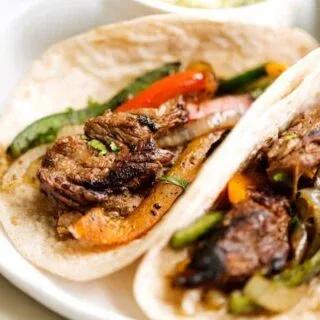
Steak fajitas are a Tex-Mex dish with Mexican ranching roots: strips of beef soaked in lime, garlic and cumin, seared until the edges char, then piled with soft peppers and onions and folded into warm tortillas. The lime keeps the meat bright, the cumin makes it smoky and earthy, and the char gives every bite a little bitterness to balance the sweetness of the vegetables.
People love fajitas because they are both a showpiece and a very easy dinner. The pan arrives sizzling, everyone builds their own tortilla, and nobody has to agree on toppings. Once the steak has had its time in the marinade, the cooking itself moves fast.
Where fajitas come from
Fajitas are not an old restaurant invention. Most accounts trace them to the 1930s, to cattle ranches in south Texas and northern Mexico. Ranch workers, including Mexican cowboys known as vaqueros, were often given the cuts nobody else wanted, and skirt steak was one of them. Butchers at the time considered it tough and undesirable. The workers marinated it to tenderise it, cooked it over an open fire, and sliced it against the grain.
The name comes from the Spanish faja, meaning belt or girdle, a reference to the long, flat shape of the skirt steak. Because the dish grew out of the meeting of Texan ranching and Mexican foodways, it is generally described as Tex-Mex rather than traditional Mexican cooking.
The research I found is clearer on the ranch origins than on how the dish reached restaurants. One account says María Ninfa Rodríguez Laurenzo, known as Mama Ninfa, served this vaquero food in her small tortilleria some decades later, and credits her Houston restaurant, Ninfa's on Navigation, with the build-your-own style of serving. Beyond that, I would be wary of any story naming one single inventor.
How fajitas vary
The traditional core is simple: skirt steak, a sharp marinade, high heat and tortillas. Flank steak is a common stand-in today, and it works well when sliced thin across the grain. Many cooks use a grill for the smoke, while others rely on a heavy cast iron skillet, which is also how restaurants bring fajitas to the table.
The modern twists are mostly about the protein and the toppings. Chicken and shrimp fajitas are everywhere, and a mixed platter is common. Vegetable fajitas lean on mushrooms, zucchini and extra peppers. The toppings are where families differ: guacamole, sour cream, pico de gallo, shredded cheese, pickled jalapeños or just a squeeze of lime. Flour tortillas are the usual Tex-Mex choice, though corn tortillas are good if you like a more pronounced corn flavor.
When to make steak fajitas
This is a natural quick favorite. Mix the marinade in the morning or the night before, and on a busy weeknight the dinner takes little more than a hot pan and a few minutes of slicing. It is also a good choice for a date night in, because the sizzling pan and the hands-on assembly make a simple meal feel like an event, and you can pour something cold while you cook.
Fajitas shine in summer and early autumn, when bell peppers, sweet onions, tomatoes, sweet corn and fresh cilantro are at their best across the Northern Hemisphere. A warm August evening with the grill going is hard to beat. They are just as welcome on a cold February night, when the lime, the char and the heat of a jalapeño are a good reminder of brighter weather.
What to serve with fajitas
- Mexican-style rice. It soaks up the juices from the pan and gives the plate a mild, tomato-tinged base.
- Black or refried beans. Creamy and savory, they make the meal more filling without competing with the steak.
- Guacamole and chips. Start with these while the steak cooks. The cool avocado also sits nicely against the charred meat in the tortilla.
- Grilled corn or elote-style corn. It is sweet, smoky and a little tangy, which echoes the flavors in the marinade.
- A margarita or a cold Mexican lager. Lime and salt suit the meal. For something without alcohol, a jug of agua fresca does the same job.
Make it at home
The version we cook on Meez comes from Little Spice Jar. It leans on a lime, garlic and cumin marinade for a tender, bright result. Get the recipe, or cook it step by step in Cook Mode if you want your hands free while the pan heats.
Questions about fajitas
Are fajitas Mexican or Tex-Mex?
They are Tex-Mex. The dish grew out of the interaction between Texan ranchers and Mexican vaqueros, so it has Mexican roots but is not considered traditional Mexican cuisine.
What does fajita mean?
It comes from the Spanish faja, meaning belt or girdle. The name refers to skirt steak, the long, flat cut the dish was first made from.
What cut of steak is traditional for fajitas?
Skirt steak, which ranch workers were given in the 1930s when it was considered a tough cut. Flank steak is a popular modern substitute.
How are fajitas different from tacos?
Fajitas describe a style of cooking and serving: marinated meat grilled or seared with peppers and onions, then brought out sizzling so everyone can assemble their own. Tacos are usually filled tortillas in a wider range of styles, and are often assembled in the kitchen.
Sources
- Fajitas: The sizzling history of a Tex-Mex classic
- The Tex-Mex Origins Of Fajitas
- Not Quite Mexico: Here's Where Fajitas Were Really Invented
- Where Were Fajitas Actually Invented?
- Tex-Mex cuisine: history, lore and recipes - Gambero Rosso International
Last reviewed October 22, 2026. Written by the Meez editorial team with Meez Magic, from the sources above.
Original Recipe Source
This article is inspired by a recipe from Littlespicejar.
Visit the original source for their version of this recipe and more great content.
Related Topics
Enjoyed this article? Share it with fellow food lovers!
Ready to Cook This Recipe?
Experience our immersive Cook Mode with step-by-step visual guidance, voice narration, and built-in timers.