

What is kuru köfte? Turkey's dry fried meatballs explained
Kuru köfte are Turkish meatballs of seasoned minced lamb, rolled in crumbs or flour and fried until crisp outside and juicy within. Here is where they come from, how they vary and what to put on the table beside them.
Featured Recipe
Kuru Köfte Tarifi
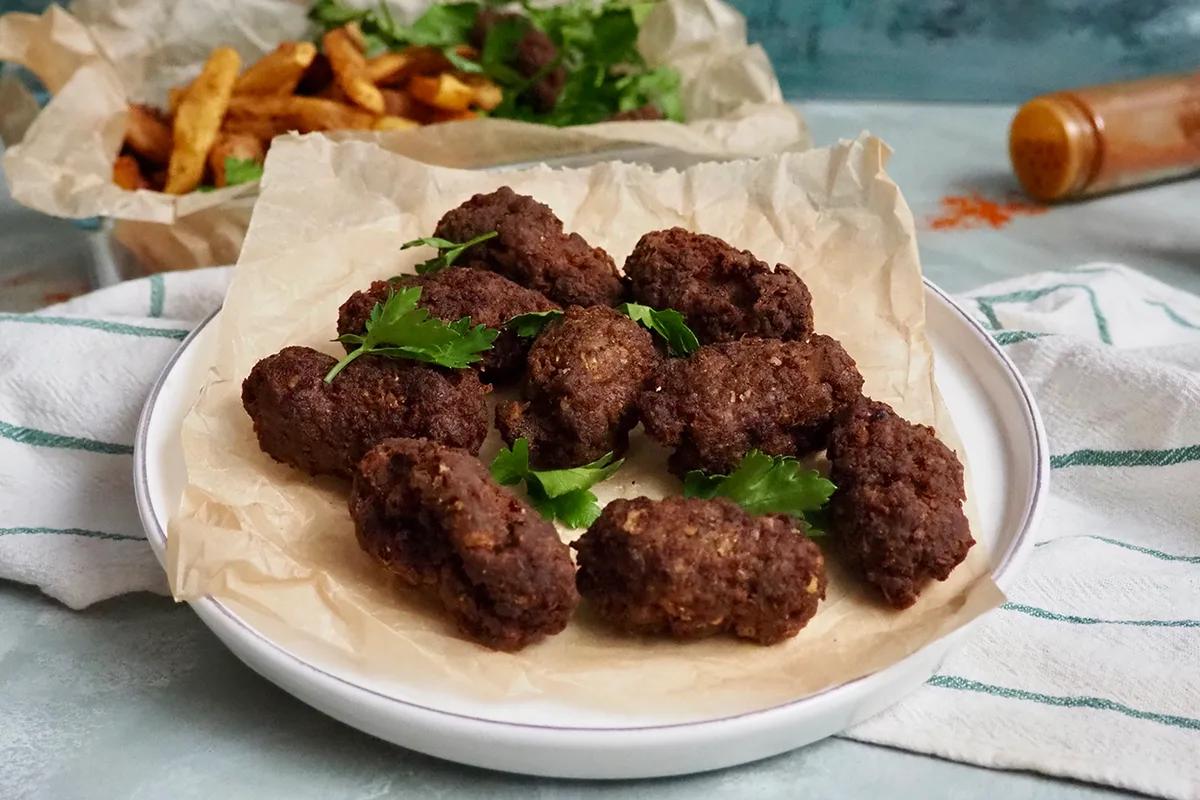
Kuru köfte is a Turkish meatball made from minced lamb, often mixed with a little beef or chicken, seasoned with garlic, onion and herbs, shaped by hand and fried until the outside turns deep golden and a little crisp. Inside, it stays tender and savory, with the green notes of parsley and dill and a warm background of spice.
People love it because it is simple and dependable. There is no sauce to manage and no fuss at the table: the meatballs go out hot, you tuck them into bread or eat them beside a salad, and they taste just as good at room temperature the next day. The name means "dry meatballs," and the dryness is the point.
Where kuru köfte comes from
Kuru köfte itself has no neat, documented origin story, so it is better to look at the family it belongs to. Köfte is a broad term for ground meat dishes found from the Balkans to India. Most accounts trace the idea back to ancient Persia, and the word is said to come from the Persian kufta, meaning to beat or grind. Grinding made tougher cuts of meat usable, and mixing in onion, bread or grains helped stretch it.
One source on Turkish food describes an early Iranian dish called küfte, a mixture of vegetables and eggs covered with meat, and says the Turks greatly expanded the variety and gave the dish the name köfte. Turkey is now believed to have somewhere around 290 kinds, though that count is more of a proud estimate than a strict census.
The "kuru" in the name is easier to explain. It simply means dry, because these meatballs are served without any dressing or sauce, unlike the köfte that simmer in a tomato or broth-based liquid.
How it varies
The usual version is minced lamb, though many cooks blend lamb with beef or chicken for a milder, lighter result. The seasoning leans on garlic, onion, parsley, dill and thyme, with salt and spices, and egg to bind the mixture. Some households work soaked bread into the meat, which keeps the köfte soft.
The coating is the other place where cooks differ. The shaped balls or short rolls can go into bread crumbs for a crunchier crust, or into plain flour for something thinner and more delicate. Both are traditional enough to argue about at the table.
Modern twists tend to stay small: a pinch of chili for heat, fresh mint, or a swap to a leaner meat. Köfte also has grilled cousins, and although kuru köfte is pan-fried, it sits happily in the same family of meals, served the way you would serve grilled meatballs.
When to make kuru köfte
These meatballs suit a relaxed Sunday lunch, a weeknight when you want something fast to shape and cook, or a picnic spread, since they travel well and need no reheating. They are also good for a casual get-together where people build their own plates with bread, salad and pickles.
Kuru köfte shines from late spring through early autumn in the Northern Hemisphere, when tomatoes, cucumbers, sweet green peppers, radishes and fresh parsley are at their best. A July evening with a bowl of ripe tomatoes on the table is the ideal setting. In the cooler months they still work well, served with rice and something pickled.
What to serve with kuru köfte
- Piyaz. This white bean salad with onion and parsley is a classic partner for köfte of all kinds. Its tang cuts through the richness of the fried meat.
- A chopped shepherd's salad. Tomato, cucumber, pepper and onion with lemon and olive oil give you freshness and crunch.
- Rice or bulgur pilaf. A buttery pilaf turns the meatballs into a fuller dinner and soaks up the juices on the plate.
- Garlicky yogurt or cacık. Since the köfte are dry, a cool spoonful of yogurt adds moisture and balance.
- Ayran. This salty, chilled yogurt drink is the traditional match. Strong black tea afterward is just as fitting.
Flatbread or a fresh loaf on the side lets everyone make a quick sandwich of their own.
Make it at home
The version we cook on Meez comes from Yemek.com. Get the recipe for the full ingredients and method, or cook it step by step in Cook Mode so you can keep your hands on the pan and your eyes on the meatballs.
Questions about kuru köfte
What does kuru köfte mean?
Kuru köfte means "dry meatballs" in Turkish. They are called dry because they are served without a sauce or broth, rather than because the meat is dry.
Where does köfte come from?
Most accounts trace the idea of ground, seasoned meat dishes to ancient Persia, and the word is thought to come from the Persian kufta. Turkey then developed hundreds of its own regional versions.
What is kuru köfte made of?
It is usually minced lamb, or lamb mixed with beef or chicken, combined with egg, garlic, onion and herbs such as parsley, dill and thyme. The shaped köfte are coated in bread crumbs or flour and fried.
How is kuru köfte different from other köfte?
Many köfte are grilled or simmered in a sauce. Kuru köfte are pan-fried with a light coating and eaten plain, so the crisp crust and herbed meat are the whole show.
Sources
Last reviewed October 20, 2026. Written by the Meez editorial team with Meez Magic, from the sources above.
Original Recipe Source
This article is inspired by a recipe from Yemek.
Visit the original source for their version of this recipe and more great content.
Related Topics
Enjoyed this article? Share it with fellow food lovers!
Ready to Cook This Recipe?
Experience our immersive Cook Mode with step-by-step visual guidance, voice narration, and built-in timers.