
French cooking has this reputation for being intimidating—all those fancy knife skills, mysterious mother sauces, and pronunciation that makes your tongue tie in knots. But here's what I've learned after years of cooking French food at home: the best French recipes aren't about showing off. They're about understanding a few fundamental principles and applying them with confidence.
The magic of French cuisine lies not in complexity but in technique. A perfectly caramelized onion, a properly reduced wine sauce, the way butter and flour come together to create velvet—these are the building blocks that French cooks have been perfecting for centuries. Once you understand the why behind these techniques, you can apply them to everything from weeknight dinners to special occasion feasts.
Let's start with what makes French cooking distinctly French: respect for ingredients, precision in technique, and the understanding that cooking is both craft and art. French cooks don't mask flavors—they enhance them. They don't rush processes that benefit from time. And they never apologize for using real butter.
Understanding French Cooking Fundamentals
Before diving into specific recipes, let's talk about the principles that make French cooking work. Essential French Cooking Techniques for Beginners covers these in detail, but here are the non-negotiables that will transform your cooking immediately.
Mise en place isn't just a fancy French term—it's your secret weapon. Having everything measured, chopped, and ready before you start cooking means you're never scrambling to find that bay leaf while your onions burn. French cooks prepare because they understand that cooking often happens quickly, and there's no pause button on a sauce that's about to break.
Temperature control separates good French cooking from great French cooking. That gentle simmer for a stock, the precise heat for a hollandaise, the way you gradually warm cream before adding it to a hot pan—these aren't suggestions, they're requirements. French techniques work because they respect how heat transforms ingredients.
Seasoning happens in layers, not just at the end. Salt the water for your vegetables. Season meat before it hits the pan. Taste and adjust your sauce as it develops. Each step builds flavor complexity that you simply can't achieve by dumping salt on a finished dish.
Classic French Recipes Worth Mastering
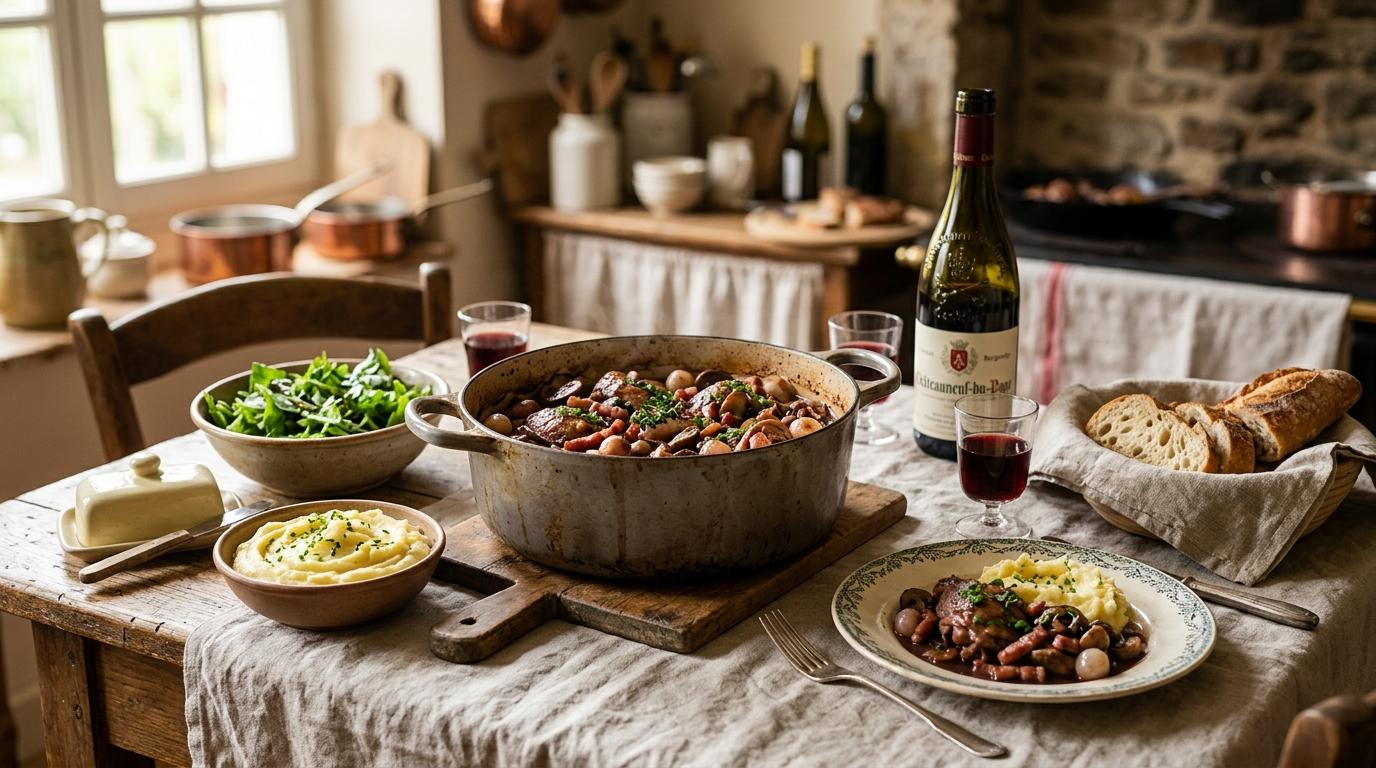
The beauty of classic French recipes is that they teach you techniques you'll use again and again. Master a proper coq au vin, and you understand braising. Learn to make a cheese soufflé, and you've grasped the principles behind countless other risen dishes.
Essential Soups and Stews
Classic French Soups and Stews Recipes represents some of the most approachable entry points into French cooking. French onion soup teaches you how to properly caramelize onions—a skill that improves everything from quiches to tarte tatin. The slow, patient browning develops sweetness you can't rush.
Pot-au-feu, France's national dish, is essentially a master class in building layered flavors. You start with good bones, add aromatics at the right time, and let gentle heat extract every bit of goodness. It's comfort food that happens to teach you the fundamentals of stock-making.
Bouillabaisse might seem intimidating, but it's really about understanding how different fish cook at different rates and how saffron blooms when you treat it right. The rouille that accompanies it? That's just mayonnaise with attitude and better ingredients.
Mastering French Sauces
French sauces have this mystique, but French Sauce Recipes and Techniques demystifies what's really happening. The five mother sauces—béchamel, hollandaise, velouté, espagnole, and tomato—are templates, not rigid formulas.
Take béchamel: it's flour cooked in butter (a roux) with milk added gradually. Understanding this process means you can make cheese sauce, soubise, or any number of variations. The technique remains constant; only the additions change.
Hollandaise scares people because it can break, but it breaks for specific, fixable reasons. Too much heat, acid added too quickly, or butter incorporated too fast. Once you recognize the signs and know the fixes, you'll make it with confidence.
Pan sauces might be the most practical skill you'll learn. Deglaze a pan with wine, reduce, mount with butter—suddenly you're not just cooking chicken, you're creating restaurant-quality dishes with minimal effort.
French Meat and Poultry
French meat cookery is about matching technique to cut. Easy French Chicken Recipes demonstrates this perfectly—a poulet rôti requires different handling than chicken fricassee, and both are worlds away from coq au vin.
Braising, fundamental to French Beef Recipes and Braising Techniques, transforms tough cuts into silk through low, slow cooking in flavorful liquid. Boeuf bourguignon isn't just beef stew with wine—it's a lesson in how acids and gentle heat break down collagen into gelatin, creating that spoon-coating richness.
Confit preserves and transforms simultaneously. Duck confit or chicken confit isn't just about preservation—it's about texture. Meat cooked gently in its own fat develops an incomparable tenderness you can't achieve any other way.
[CLUSTER: Perfect Trout Almondine: A French Classic Made Simple] showcases the French approach to fish cookery: respect the ingredient, enhance don't mask, and understand that timing is everything. The almonds aren't just garnish—they're building flavor and texture contrast.
Regional French Specialties
France isn't monolithic in its cuisine, and neither should your French cooking be. Each region developed its specialties based on local ingredients and climate, creating diversity that keeps French cooking interesting.
Regional French Recipes: Provence Specialties brings Mediterranean influence to French technique. Ratatouille, bouillabaisse, and tapenade reflect abundant vegetables, olive oil instead of butter, and the intensity of southern French sunshine.
Normandy gives us apple-based dishes and cream-rich sauces. Calvados isn't just for sipping—it deglazes pans and adds depth to both sweet and savory preparations. The famous Normandy chicken with apples and cream showcases how local ingredients shape regional classics.
Burgundy, wine country, naturally developed dishes that celebrate wine as an ingredient. Beyond boeuf bourguignon, think escargots in garlic-herb butter, coq au vin, and the wine-braised pears that finish many Burgundian meals.
Alsace, with German influence, brings us choucroute garnie and tarte flambée. These dishes show how French technique adapts to different cultural influences while maintaining distinctly French sensibilities about balance and presentation.
French Vegetarian Cooking and Sides
French vegetarian cooking might seem like an oxymoron, but French Vegetarian Recipes and Sides reveals a rich tradition of vegetable-forward dishes. French cooks understand vegetables in ways that pure vegetarian cuisines sometimes miss—they know how to coax maximum flavor through proper technique.
Gratin dauphinoise elevates potatoes through layering, proper cream selection, and oven management. The result isn't just creamy potatoes—it's a study in texture contrast between crispy top and molten interior.
French onion tart, pissaladière, celebrates onions cooked until they're candy-sweet, paired with anchovies and olives for umami depth. It's vegetarian-friendly but not vegetarian by accident—it's delicious because the flavors work together.
Ratatouille, when made properly, isn't vegetable mush. Each component is cooked separately to its ideal texture, then combined. The vegetables maintain their identity while creating something greater than the sum of parts.
Beginning Your Day the French Way
French Breakfast and Brunch Recipes might surprise Americans used to heavy breakfast plates. French morning meals emphasize quality over quantity: perfect pastries, exceptional coffee, and the understanding that breakfast should set a civilized tone for the day.
Pain perdu, French toast's sophisticated cousin, transforms day-old bread into something special through custard soaking and careful pan work. It's economical cooking elevated through technique.
Crêpes require finesse but not fancy equipment. The batter needs rest for gluten development, the pan needs proper seasoning, and your wrist needs practice for that essential swirl. Master the technique, and you can fill them with anything from jam to sophisticated savory preparations.
Even something as simple as café au lait becomes special when you understand the French approach: strong coffee, properly heated milk, and the ritual that turns morning caffeine into a moment of pleasure.
French Appetizers and Small Plates
French Appetizers and Small Plates demonstrates how French cooks think about beginning a meal. These aren't just snacks—they're flavor previews, palate awakeners, and showcases for technique.
Pâtés and terrines teach you about forcemeat, seasoning balance, and how fat carries flavor. A proper chicken liver pâté isn't just ground liver—it's about texture contrast, appropriate seasoning, and understanding how cognac enhances rather than overwhelms.
Gougères, those magical cheese puffs, are really choux pastry with cheese. Master choux, and you can make profiteroles, éclairs, and Paris-Brest. The technique translates across sweet and savory applications.
Crudités with proper French dips aren't just raw vegetables—they're about knife cuts that maximize surface area for sauce adhesion, seasonal selection, and accompaniments that enhance rather than mask vegetable flavors.
Sweet Endings: French Desserts
French Dessert Recipes and Pastries represents the pinnacle of French technique applied to sweet preparations. French pastry isn't just about following recipes—it's about understanding how ingredients behave under different conditions.
Tarte tatin teaches you about controlled caramelization and how fruit releases juice when heated. The upside-down technique isn't just clever—it ensures the apples cook properly while the crust stays crisp.
Crème brûlée is really about custard texture and controlled heat. The "burnt cream" top isn't just for show—it provides textural contrast that makes each spoonful interesting.
Clafoutis, that rustic cherry dessert, bridges the gap between cake and custard. It's approachable enough for beginners but teaches important principles about batter consistency and fruit preparation.
Chocolate mousse, when made properly, isn't just whipped chocolate—it's about understanding how eggs, chocolate, and cream work together to create airiness without sacrificing intensity.
Essential French Pantry Items
Building a French pantry isn't about buying expensive ingredients—it's about choosing quality basics that appear in multiple recipes. Good butter, real vanilla, proper vinegars, and fresh herbs will improve your French cooking more than any single expensive ingredient.
French butter, with its higher fat content and cultured flavor, makes a noticeable difference in pastry and finishing sauces. It's not just about richness—it's about how the butter behaves under heat and how it carries other flavors.
Shallots appear in countless French preparations because they offer garlic's depth without its aggression. They caramelize beautifully, dissolve into sauces, and provide aromatic base notes that onions can't match.
Good wine vinegar and mustard aren't condiments—they're ingredients. They provide acidity that balances rich foods and brightness that lifts heavy dishes. Red wine vinegar and Dijon mustard appear in more French recipes than you might expect.
Herbes de Provence isn't just a spice blend—it's the distilled essence of Mediterranean French cooking. But don't stop there. Fresh thyme, tarragon, chervil, and chives each bring distinct flavors that dried herbs can't replicate.
French Cooking Techniques in Practice
The difference between following a French recipe and cooking French food lies in understanding why techniques work. Brunoise isn't just tiny dice—it's ensuring even cooking and proper sauce integration. Julienne isn't just thin strips—it's about consistent cooking times and elegant presentation.
Sautéing means "to jump" in French, and that captures the technique perfectly. High heat, minimal fat, constant motion. The goal isn't just to cook ingredients—it's to develop color and concentrate flavors while maintaining texture.
Braising combines dry and moist heat for specific results. The initial searing develops flavor compounds that water-based cooking alone cannot achieve. The subsequent low, slow cooking in liquid breaks down tough fibers while maintaining moisture.
Reduction concentrates flavors by evaporating water and concentrating dissolved solids. It's not just about thickness—it's about intensity. A properly reduced wine sauce doesn't just taste like wine; it tastes like the essence of wine.
Adapting French Recipes for Home Kitchens
Restaurant French cooking and home French cooking aren't the same thing, and that's perfectly fine. Home cooks don't need industrial equipment or professional techniques to create delicious French food. We need to understand how to adapt restaurant concepts for domestic kitchens.
Stock doesn't require massive stockpots and overnight simmering. Small batches made from kitchen scraps and simmered for a few hours produce excellent results for home use. The principles remain the same; only the scale changes.
Clarified butter can be made in small quantities and stored for weeks. You don't need gallons—a stick or two provides enough for multiple cooking sessions. Understanding the technique matters more than the quantity.
French cooking timing, designed around restaurant service, adapts well to home meal planning. Many French dishes benefit from advance preparation. Stews taste better the next day. Stocks freeze beautifully. Understanding which elements can be prepared ahead makes French cooking more accessible.
Building Confidence in French Cooking
French cooking confidence comes from understanding principles, not memorizing recipes. Once you grasp why roux works, you can make any flour-thickened sauce. Once you understand emulsification, hollandaise becomes logical rather than mysterious.
Start with simple techniques and build complexity gradually. Master a vinaigrette before attempting béarnaise. Understand how to properly sear meat before tackling complex braises. Each skill builds on previous knowledge.
Taste constantly and adjust accordingly. French cooking is about balance—acidity against richness, salt against sweetness, texture against texture. Recipes provide guidelines, but your palate makes the final decisions.
Don't fear failure—embrace learning. A broken hollandaise teaches you about emulsion stability. Burned garlic shows you about heat control. Each mistake provides information that makes you a better cook.
Making French Cooking Part of Your Routine
French cooking doesn't have to be reserved for special occasions. Simple techniques like proper seasoning, good knife skills, and understanding heat control improve everyday cooking. A perfect omelet is French technique applied to breakfast. A proper pan sauce elevates any weeknight protein.
Batch preparation aligns perfectly with French cooking principles. Make stocks when you have time and freeze in small portions. Prepare mise en place for complex dishes during less busy moments. French cooking rewards preparation and planning.
Seasonal cooking, fundamental to French cuisine, makes meal planning easier rather than harder. When you build menus around what's best at the market, decisions become simpler and flavors improve automatically.
The French approach to cooking—respecting ingredients, understanding techniques, and taking time to do things properly—transforms not just individual dishes but your entire relationship with food. It's not about impressing others; it's about bringing more pleasure and satisfaction to something you do every day.
Whether you're making [CLUSTER: Perfect Trout Almondine: A French Classic Made Simple] for a simple weeknight dinner or planning an elaborate feast featuring multiple courses and wine pairings, the principles remain constant. Good ingredients, proper technique, and respect for the process will serve you well.
French cooking isn't about perfection—it's about understanding. Once you grasp the fundamentals, you can adapt, improvise, and create dishes that honor French tradition while fitting your life, your kitchen, and your taste. That's the real magic of French cuisine: it's both timeless and endlessly adaptable.
Sources & further reading
- Essentials of French Cooking Quotes — Goodreads (book by Georgeanne Brennan)
- Classic French Recipes — Goodreads (book by Ginette Mathiot)