

What to Expect at a Michelin Star Restaurant: Your Complete Guide
Your first Michelin star restaurant visit can feel intimidating, but knowing what to expect transforms nerves into excitement. From the moment you walk through the door to the last bite of dessert, here's everything you need to know about fine dining etiquette and experience.
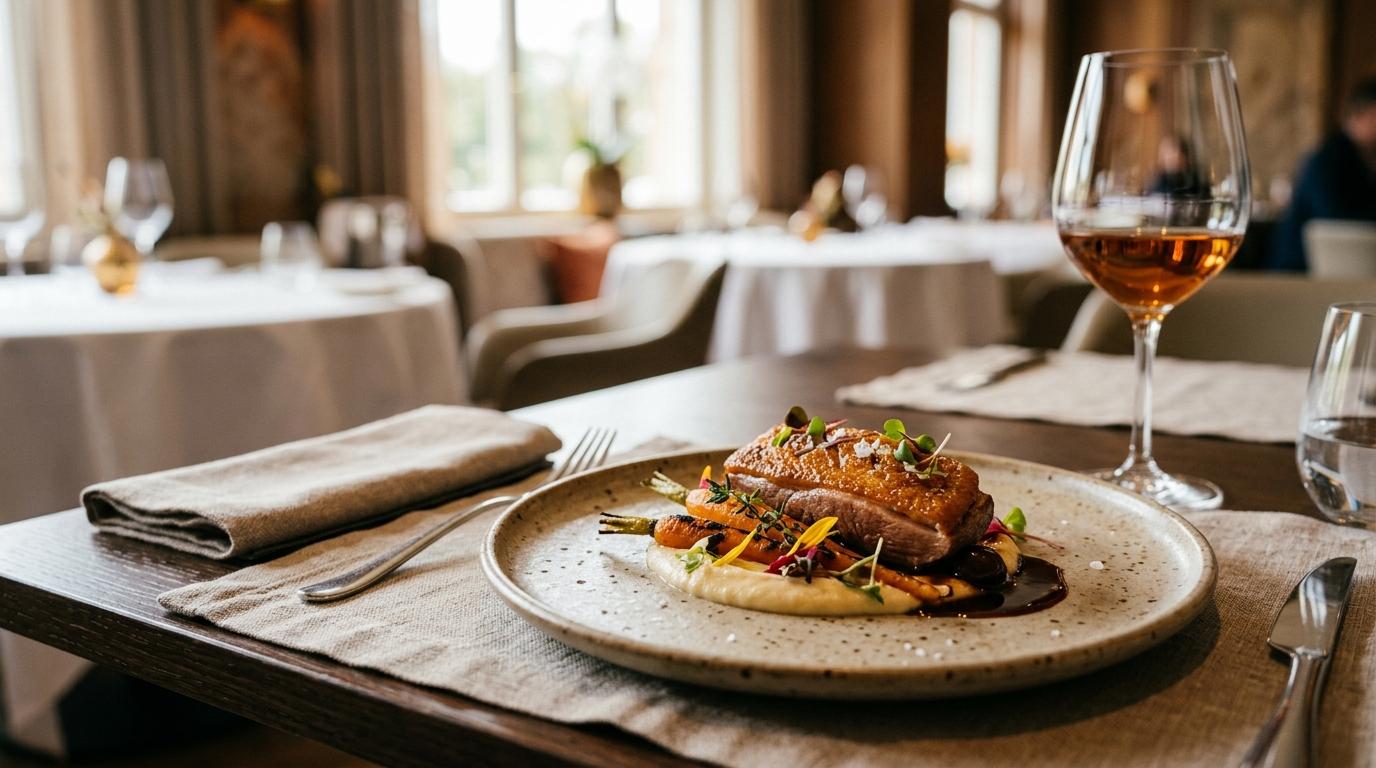
Walking into your first Michelin star restaurant feels like stepping onto a stage where you're not entirely sure of your lines. The anticipation builds for weeks before your reservation, and suddenly you're questioning everything from your outfit to whether you'll pronounce the wine names correctly. Understanding what makes these establishments part of America's most prestigious dining scene helps transform those pre-dinner jitters into genuine excitement for what promises to be an unforgettable meal.
The Michelin star system recognizes restaurants that deliver exceptional quality, and that commitment shows in every detail of your dining experience. From the moment you make contact with the restaurant to your final farewell at the door, these establishments operate with precision that borders on choreography.
The Reservation and Arrival Experience
Your Michelin restaurant dining experience begins long before you sit down. Most starred establishments require reservations weeks or months in advance, and they take this commitment seriously. Expect a confirmation call a day or two before your reservation, where staff might ask about dietary restrictions, allergies, or special occasions you're celebrating.
Arriving exactly on time matters more here than at casual restaurants. Show up 10-15 minutes early if you want to settle in, but don't arrive more than that—these kitchens run on tight schedules, and your table timing affects the entire evening's service.
The host or maître d' will likely know your name before you introduce yourself. This isn't magic; it's meticulous record-keeping. Many Michelin restaurants maintain detailed guest profiles noting preferences, past visits, and personal details that help them personalize your experience.
Dress Code Expectations
Michelin star restaurants maintain dress codes, though they've relaxed somewhat in recent years. Business casual works for most one-star establishments. Some two- and three-star restaurants still ask men to wear jackets, but many have relaxed their rules; three-star Eleven Madison Park, for one, has no dress code at all. Check the restaurant's website before you go.
When in doubt, dress up rather than down. You won't feel out of place in a well-tailored outfit, but underdressing can make you uncomfortable throughout the meal. Some restaurants that require jackets keep loaners for guests who arrive underdressed, but you'd rather not need that backup plan.
Avoid athletic wear, flip-flops, shorts (unless you're dining somewhere tropical), and overly casual clothing. Think of it as dressing for a job interview at a company you really want to work for—polished but not necessarily formal.
Service Standards and Staff Interactions
The service at Michelin star restaurants operates like well-oiled machinery, but it shouldn't feel mechanical. Servers anticipate needs without hovering, appear when you need them without being summoned, and possess encyclopedic knowledge about every dish and ingredient.
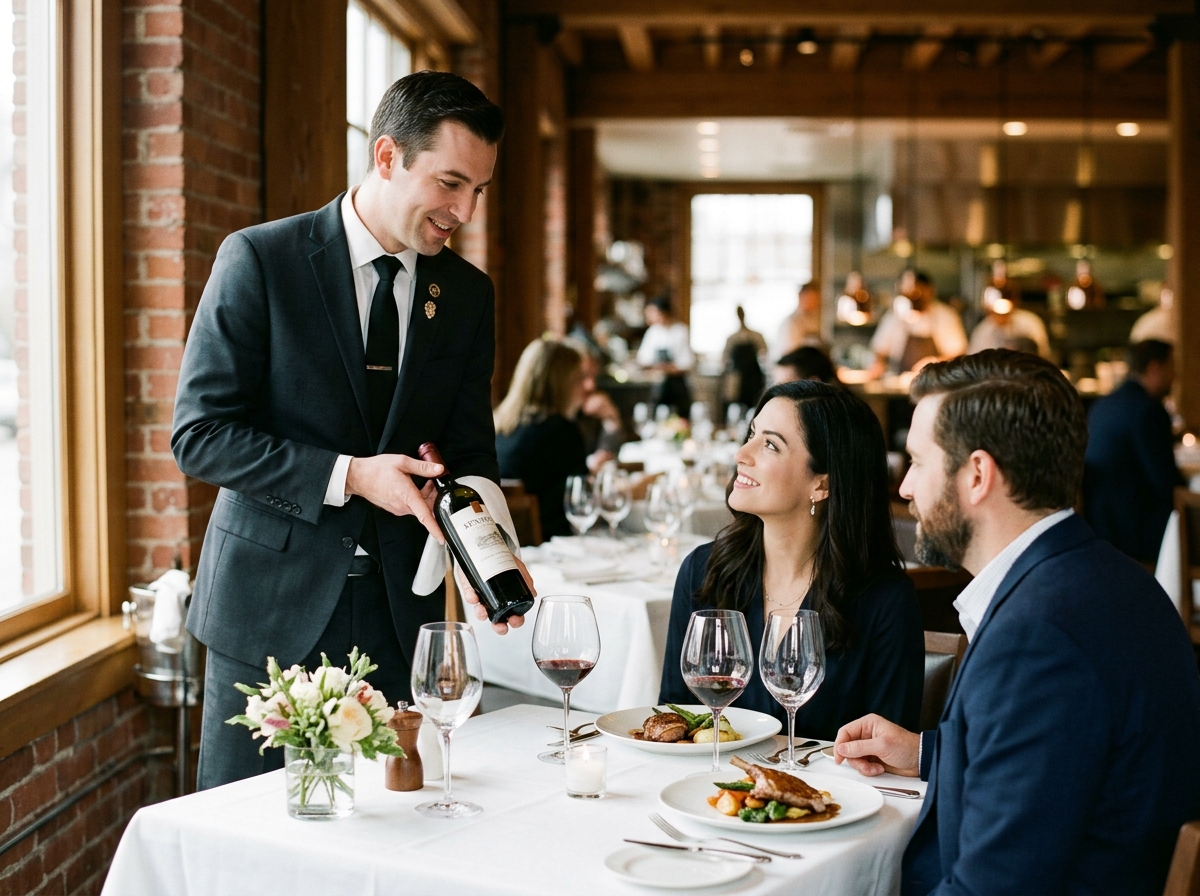
Don't hesitate to ask questions about the menu. These servers train extensively and genuinely want to help you have the best possible experience. They can guide you toward dishes that match your preferences, explain preparation techniques, and suggest wine pairings that elevate your meal.
The pace of service differs significantly from casual dining. Expect longer intervals between courses—this isn't slow service, it's intentional pacing that allows you to savor each course without feeling rushed. Use these breaks to appreciate the atmosphere, engage with your dining companions, or simply reflect on what you've just tasted.
Multiple staff members will likely serve your table throughout the evening. The server who takes your order might not be the person who delivers every course. This team approach ensures seamless service and allows specialists (like sommeliers) to handle their areas of expertise.
Menu Structure and Ordering
Michelin star restaurants typically offer several menu formats. Tasting menus reign supreme at most starred establishments, especially those with two or three stars. These pre-composed sequences showcase the chef's vision and ensure proper flavor progression throughout your meal.
À la carte options exist at many one-star restaurants, giving you more control over your experience. However, the tasting menu usually represents the kitchen's best work and provides better value when you consider the number of courses.
Wine pairings deserve serious consideration. The sommelier has tasted these combinations countless times and can introduce you to wines you'd never choose on your own. Yes, pairings add significantly to your bill, but they often transform good dishes into transcendent ones.
Dietary restrictions and allergies receive careful attention at Michelin restaurants. Mention them when making your reservation and again when you arrive. The kitchen can usually accommodate most requests with advance notice, often creating special dishes that maintain the meal's integrity while meeting your needs.
Key Ingredients and Signature Elements
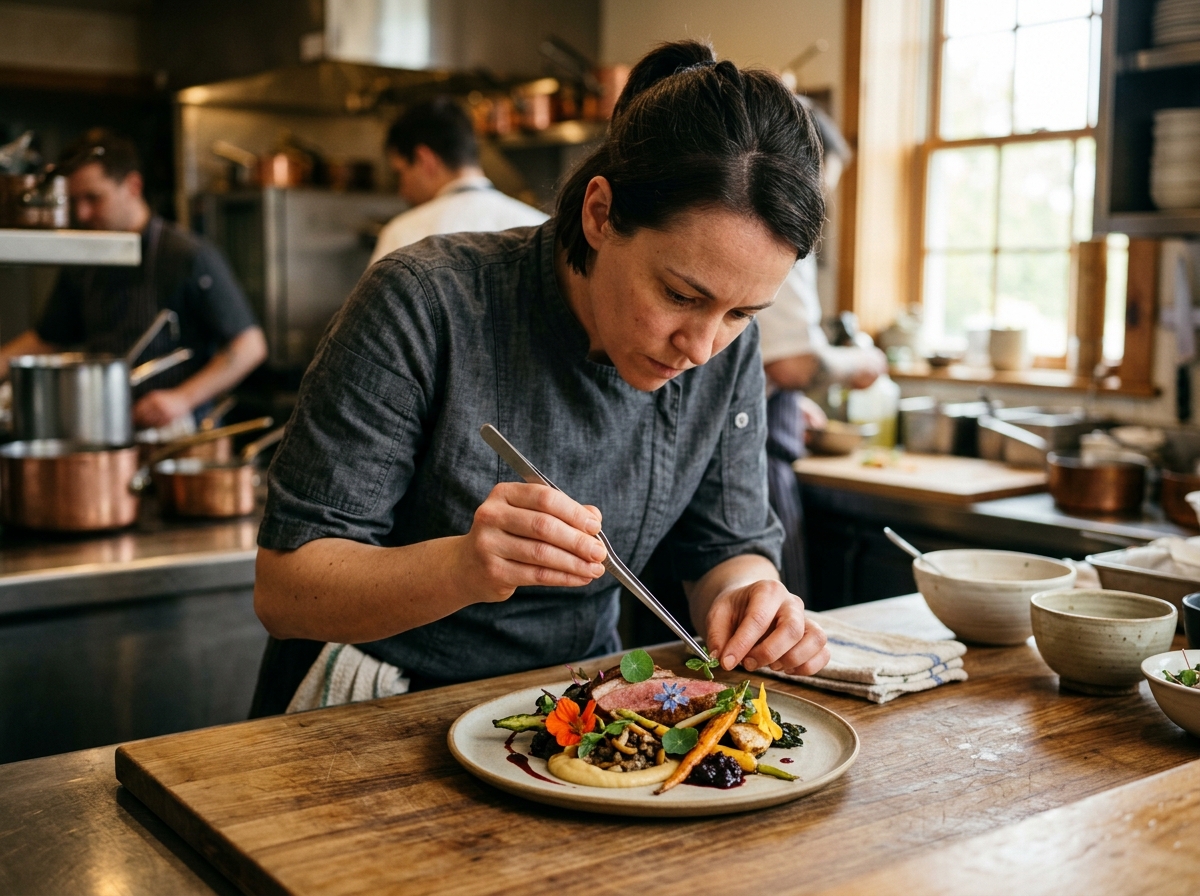
Michelin star restaurants distinguish themselves through ingredient quality and preparation techniques that casual dining can't match. Expect to encounter ingredients you've never heard of, prepared in ways that challenge your preconceptions about familiar foods.
Seasonality drives these menus more than most restaurants. Spring menus might feature ramps, peas, and early vegetables, while autumn brings game, root vegetables, and preserved items that showcase the chef's planning and technique.
The portions will likely be smaller than you're used to, but the flavors will be more concentrated. Each bite is composed and balanced, designed to deliver maximum impact. This isn't about leaving you hungry—it's about quality over quantity.
Technique takes center stage. You might encounter spherification, sous vide cooking, liquid nitrogen, or other modern methods alongside classical French techniques. The goal isn't to show off—it's to achieve flavors and textures impossible through conventional cooking.
Presentation matters enormously. Your dishes will likely arrive as edible art, but don't let the visual spectacle overshadow the flavors. Instagram your food if you must, but do it quickly and discreetly. The restaurant designed these dishes to be eaten at their optimal temperature.
Wine and Beverage Program
The wine program at a Michelin star restaurant extends far beyond an impressive bottle list. Sommeliers here are highly trained professionals who can guide you through selections that complement your meal perfectly, often suggesting bottles or glasses you'd never consider on your own.
Don't feel pressured to order the most expensive wines. A skilled sommelier can find excellent values on the list that pair beautifully with your food. Be honest about your preferences and budget—they want you to enjoy your experience, not feel financially stressed.
Non-alcoholic beverage programs have evolved dramatically at top restaurants. Expect sophisticated mocktails, house-made sodas, and even non-alcoholic wine pairings that rival their alcoholic counterparts in complexity and thoughtfulness.
Water service operates differently here too. Still and sparkling options are standard, often from premium sources or filtered and treated on-site. Don't be surprised if your water glasses are refilled constantly throughout the meal.
Etiquette and Behavior Guidelines
Basic dining etiquette applies, but Michelin restaurants have a few additional considerations. Keep your phone usage minimal—these environments are designed for conversation and food appreciation, not social media management.
Photography policies vary by restaurant. Some welcome it, others discourage it, and a few prohibit it entirely. When in doubt, ask your server. If photography is allowed, be discreet and quick about it. The couple at the next table didn't dress up and spend hundreds of dollars to be in the background of your food photos.
Conversation volume matters more here than at casual restaurants. The acoustics are usually designed to allow intimate conversation without disturbing other tables. Keep your voice at a level where only your dining companions can hear you clearly.
Sending food back requires more diplomacy than usual. If something is genuinely wrong—overcooked, underseasoned, or not what you ordered—politely mention it to your server. However, if you simply don't like a dish that's correctly prepared, consider it a learning experience rather than grounds for complaint.
Timeline and Meal Duration
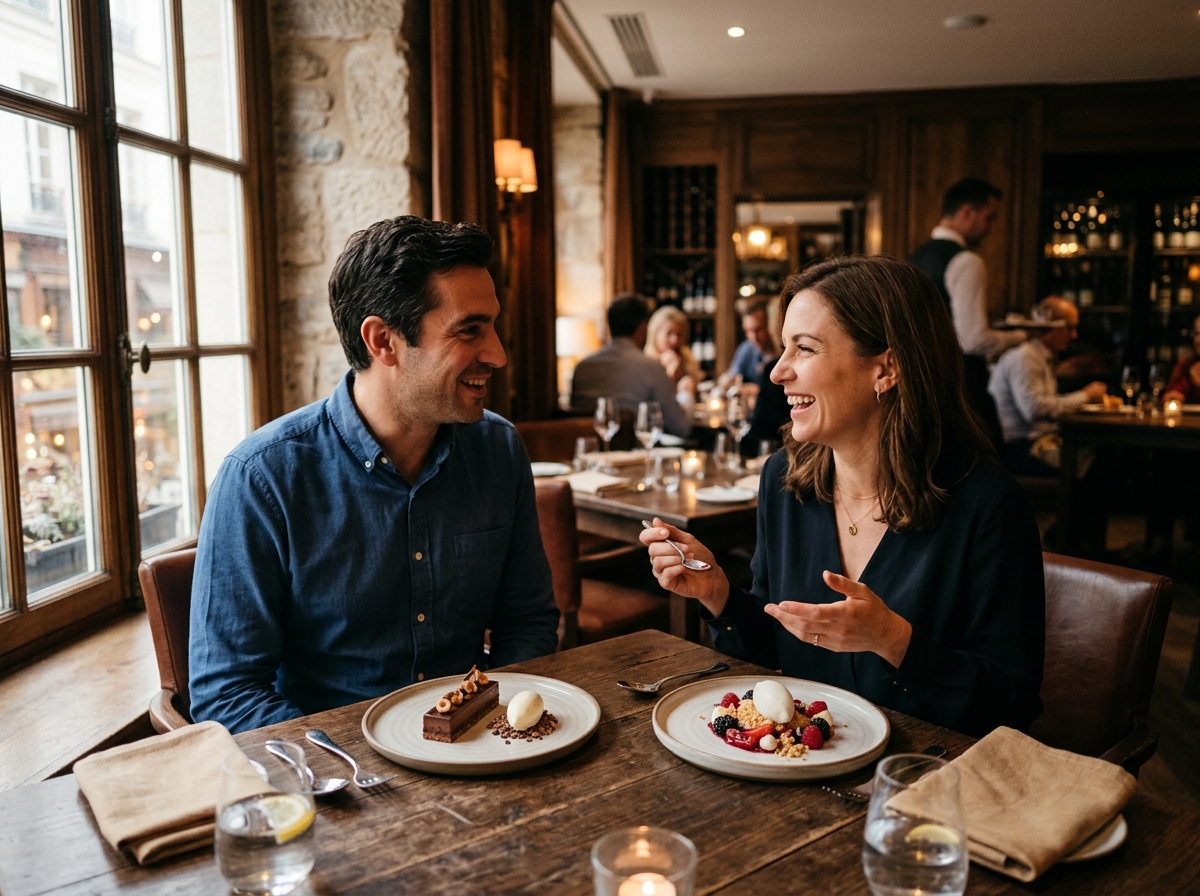
Plan for a longer evening than usual. Tasting menu experiences at Michelin restaurants typically last 2-4 hours, depending on the number of courses and your dining pace. Three-star establishments can stretch even longer, especially with wine pairings.
This extended timeline serves several purposes. It allows proper preparation time for complex dishes, gives you space to appreciate each course, and creates the unhurried atmosphere that defines fine dining. Embrace the pace rather than fighting it.
Don't schedule tight plans immediately after your meal. You'll want time to decompress and reflect on the experience, and rushing to make a movie or catch a train defeats the purpose of this leisurely, contemplative style of dining.
Payment and Tipping Expectations
The check at a Michelin restaurant can induce sticker shock if you're unprepared, but understanding what you're paying for helps put the cost in perspective. You're not just buying food—you're purchasing an experience that includes exceptional ingredients, skilled preparation, professional service, and a carefully curated atmosphere.
Where gratuity isn't included, 18-20% of the pre-tax total is standard. Some restaurants build a service charge into the price or add one automatically, especially for large parties, while others, like Eleven Madison Park, leave the tip to you, so check your bill carefully before adding additional tips.
Michelin restaurants accept major credit cards, and many take a deposit or full prepayment when you book through platforms like Tock, OpenTable or Resy. Read the cancellation policy before you confirm, since prepaid reservations are often non-refundable.
Making the Most of Your Experience
Approach your Michelin restaurant experience with curiosity rather than anxiety. These establishments want you to have an amazing time—your enjoyment reflects their success. Ask questions, try new things, and trust the expertise of the staff guiding your evening.
Come hungry, but not ravenous. The extended meal duration and rich flavors can overwhelm an empty stomach, while arriving too full prevents you from fully appreciating the progression of flavors and textures.
Consider celebrating something meaningful during your visit. The elevated atmosphere and exceptional food make these restaurants perfect venues for anniversaries, promotions, or other significant moments. Mention special occasions when making your reservation—many restaurants offer small touches that make celebrations even more memorable.
Take mental notes throughout your meal. Which dishes surprised you? What techniques did you notice? Which flavor combinations worked particularly well? These observations help you appreciate the craftsmanship involved and give you stories to share long after the meal ends.
Your first Michelin star dining experience opens doors to understanding why these restaurants earn their prestigious recognition within America's competitive fine dining landscape. The combination of exceptional ingredients, masterful technique, and professional service creates memories that outlast even the most Instagram-worthy photos. Whether you're planning your debut visit or returning to explore new flavors, remember that these restaurants exist to provide joy through food—everything else is just details that enhance that fundamental pleasure.
Sources
- How Restaurants Get Michelin Stars: A Brief History of the Michelin Guide — Escoffier
- Michelin Guide history: How did a tire company become an elite restaurant rating guide? — CNN
- Eleven Madison Park — FAQ (dress code, gratuity, menus)
- What It Costs To Eat At Every 3-Star Michelin Restaurant In The US — Tasting Table (July 2026)
Last reviewed October 20, 2026. Star counts follow the most recent guide for each region; restaurants change, so check before you book.
MICHELIN, the MICHELIN Guide, the MICHELIN Star and Bib Gourmand are trademarks of Michelin. Meez is independent and is not affiliated with or endorsed by Michelin.
Related Topics
Enjoyed this article? Share it with fellow food lovers!
Import a recipe, start cooking
Paste any recipe URL and we'll turn it into a Cook Mode experience with step-by-step visuals, voice narration, and built-in timers.