
Michelin Restaurant Prices: What You'll Really Pay
Michelin star dining doesn't have to break the bank—if you know what to expect. From one-star bistros to three-star temples, here's what you'll actually pay today and how to make it worth every penny.
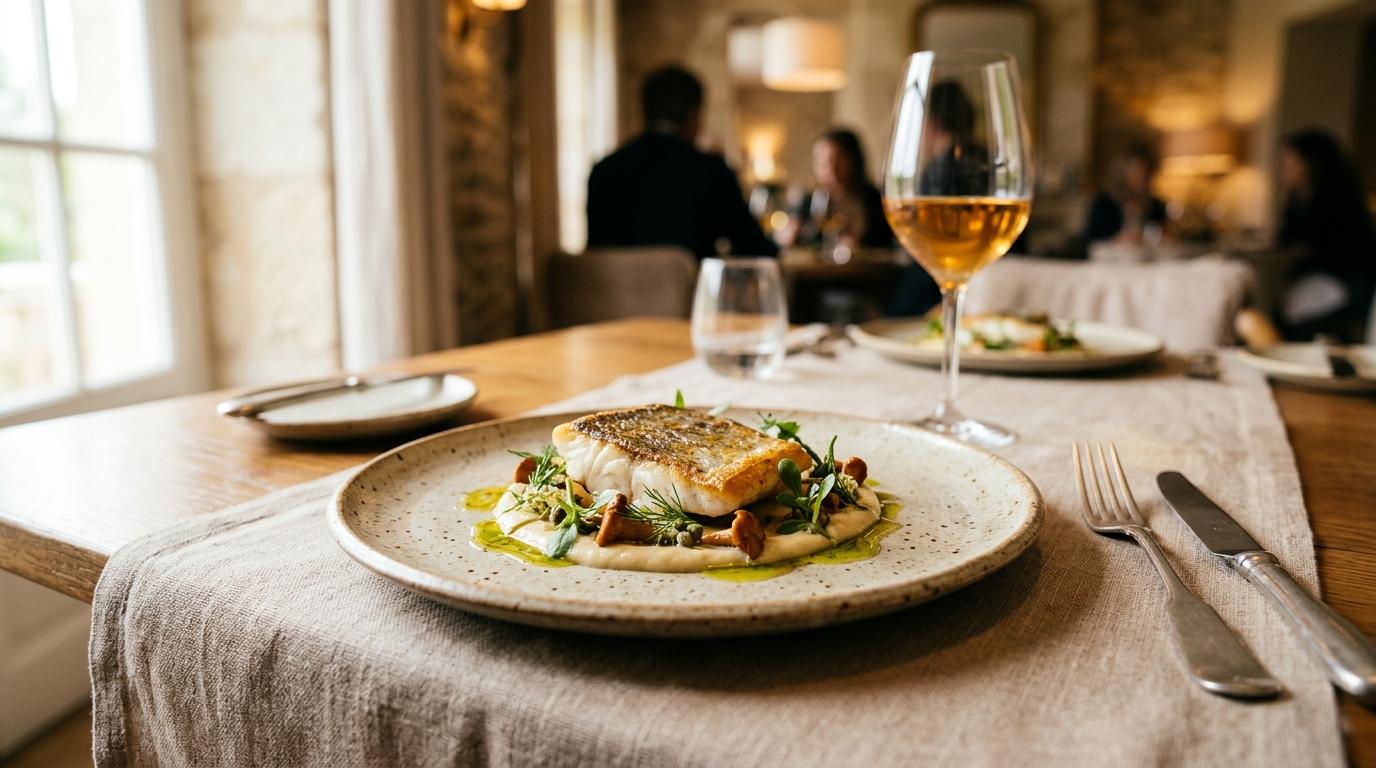
Walking into a Michelin-starred restaurant for the first time feels like crossing into another world—one where every detail matters and every bite tells a story. But before you step through those doors, you're probably wondering: what will this actually cost me? The world of Michelin star restaurants in the United States spans a surprising range of price points, from accessible neighborhood gems to wallet-emptying culinary temples.
The truth about Michelin restaurant prices is more nuanced than you might expect. Yes, these are premium experiences. But understanding the pricing structure—and knowing where to look—can help you find extraordinary meals that don't require a second mortgage.
The Real Numbers: What Michelin Stars Cost
Let's cut to the chase. Here's what you can expect to pay at Michelin-starred restaurants across the US today:
One Michelin Star: $95-$250 per person for dinner, including tax and tip. Lunch menus often run $65-$150. These restaurants offer exceptional food with professional service, but without the theatrical presentation of higher-starred establishments.
Two Michelin Stars: $200-$350 per person for tasting menus. The experience becomes more choreographed, with longer meals (2-3 hours) and more elaborate presentations. Wine pairings add another $100-$200.
Three Michelin Stars: $300-$500+ per person, before beverages. These are destination restaurants where the meal becomes an event. Expect a long parade of courses (six at Eleven Madison Park, nine at Per Se, more elsewhere) over 3-4 hours, with service that anticipates your every need.
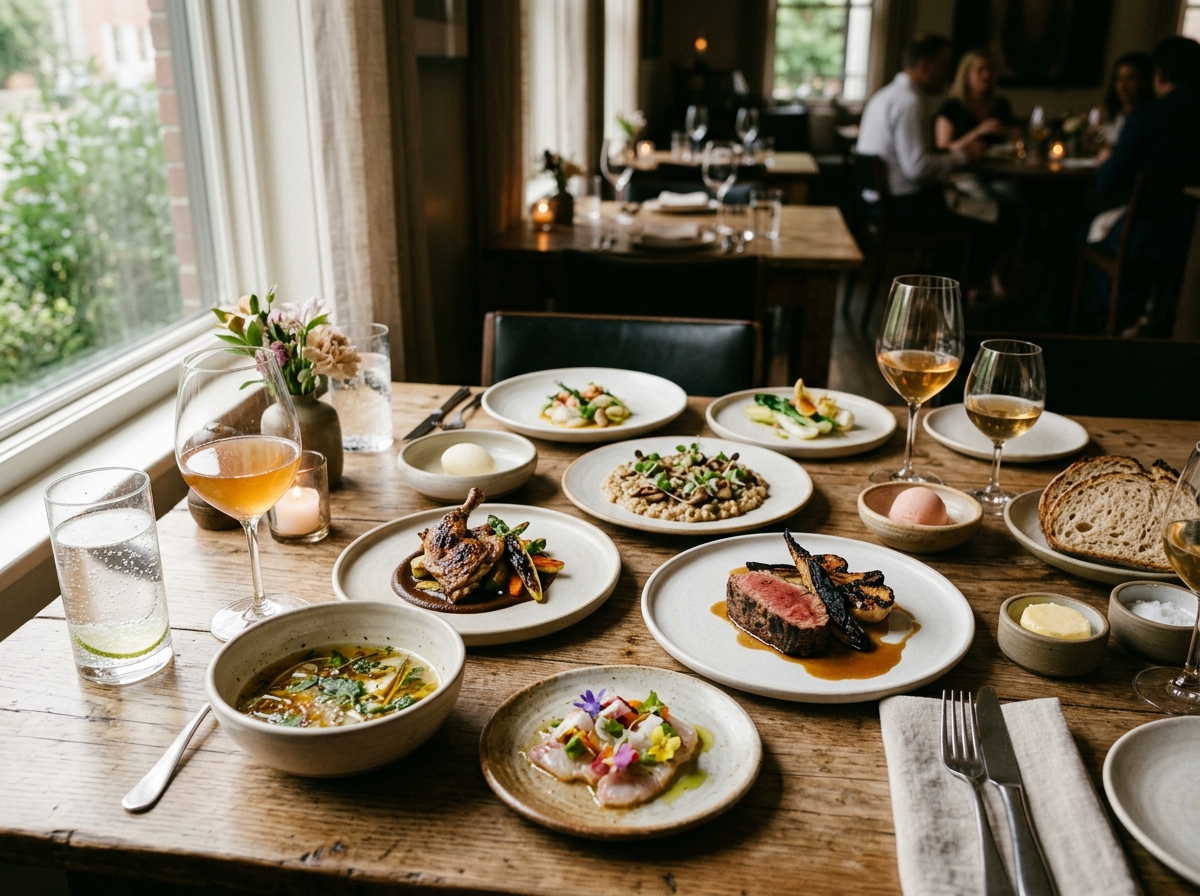
But these base numbers only tell part of the story. The final bill depends heavily on your choices—and sometimes on fees you didn't see coming.
Hidden Costs That Add Up
Michelin restaurant pricing can feel like navigating a luxury car purchase—the sticker price is just the starting point. Here are the add-ons that can double your expected bill:
Wine Pairings: Most starred restaurants offer curated wine selections that complement each course. Standard pairings run $75-$150 at one-star spots, climbing to $200-$400 at three-star establishments. Premium pairings with rare bottles can push this to $500 or more.
Service Charges: Some restaurants include a 20-22% service charge automatically, especially for larger parties or special events. This replaces traditional tipping, but it's not always clearly communicated when booking.
Supplements: That truffle course or wagyu upgrade mentioned casually by your server? Expect $25-$75 per person for premium ingredients that aren't included in the base tasting menu.
Beverages Beyond Wine: Cocktails at Michelin-starred restaurants typically cost $18-$25 each. Non-alcoholic beverage pairings—increasingly popular—run $45-$85.
Regional Price Variations
Location dramatically affects Michelin restaurant prices. The same caliber of cooking costs vastly different amounts depending on where you dine:
New York City: One of the most expensive Michelin markets in the US. Three-star Eleven Madison Park and Le Bernardin charge roughly $350-$385 per person for their main tasting menus before drinks, and two-star Masa starts at $750 in its dining room. Even one-star tasting menus often start well above $100.
San Francisco Bay Area: Rivals NYC at the top end. Three-star Atelier Crenn's prepaid experience runs about $500 per person, and SingleThread's tasting menu costs more than that. The tech economy drives prices up, but you'll find more casual one-star options than in Manhattan.
Chicago: The top tier now costs about what it does on the coasts. Smyth, the city's only three-star restaurant since Alinea dropped to two stars in the 2025 guide, charges $420-$550 for its menus before tax and tip, and two-star Alinea's menus also run several hundred dollars per person. One-star restaurants offer better value, with dinners often under $200.
Washington DC: Michelin has rated the capital since 2016, and pricing is competitive. Two-star minibar by José Andrés charges several hundred dollars per person for its counter experience, while one-star restaurants like Rose's Luxury keep prices surprisingly reasonable.
Los Angeles: Broad range reflecting the city's diversity. Providence, which earned its third star in 2025, represents the high end with tasting menus at $375 and $495 per person, while one-star gems in various neighborhoods offer incredible meals for considerably less.
Lunch vs. Dinner: The Smart Diner's Secret
Here's where savvy diners save serious money: lunch service at Michelin-starred restaurants offers the same kitchen, same ingredients, and often the same chef—at 30-50% less cost.
A three-star restaurant charging $400 for dinner might offer a lunch tasting menu for $185. The portions are smaller and the experience shorter (90 minutes vs. 3 hours), but you're still getting world-class cooking.
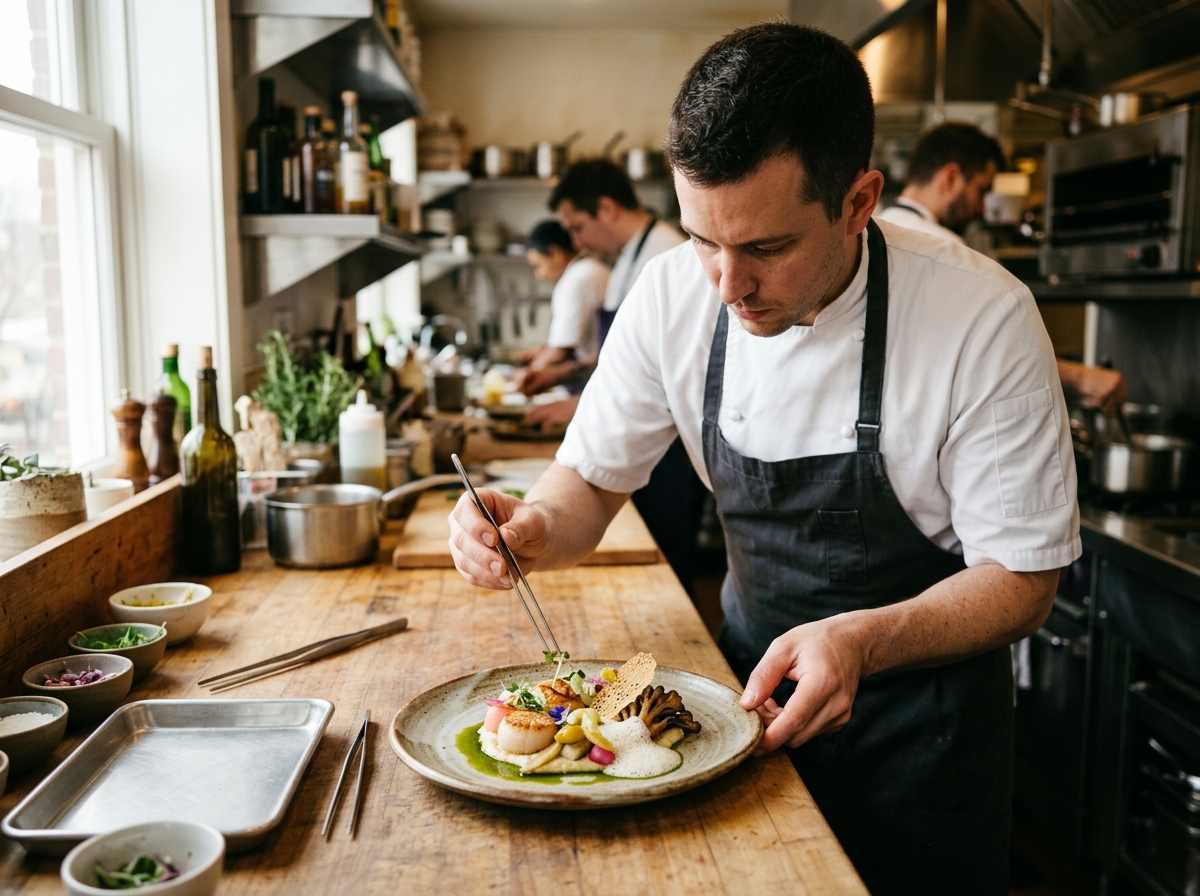
Some restaurants offer à la carte lunch menus alongside tasting options. This flexibility lets you sample signature dishes without committing to a full progression. A three-course lunch at a one-star restaurant might cost $65-$85, compared to $200+ for the evening tasting menu.
Key Ingredients for Understanding Value
What exactly are you paying for at these prices? Understanding the components helps justify the cost—and helps you decide where to splurge:
Ingredients: Michelin kitchens source premium everything. That might mean day-boat scallops flown in from Maine, vegetables from specific farms, or aged beef that costs $80 per pound wholesale. Ingredient costs alone can account for 35-40% of your bill.
Labor Intensity: Your meal might involve 15 cooks working on different components. Prep for a single dish can take days. The amuse-bouche that takes two bites to eat might require 4 hours of preparation.
Service Ratios: Three-star restaurants often maintain a 1:1 or 2:1 guest-to-staff ratio. Your water glass never empties because someone is specifically watching it. This level of service requires extensive training and competitive wages.
Ambiance Investment: The custom tableware, imported linens, and meticulously maintained dining rooms represent enormous capital investment. Some restaurants spend $200+ per place setting on dishes and glassware.
Strategies for Dining Smart
You don't need a trust fund to experience Michelin-starred dining. Here's how to maximize value:
Book lunch when possible. Same kitchen, same standards, better prices. Many starred restaurants offer weekday lunch specials that showcase their style at accessible prices.
Skip the wine pairings occasionally. While expertly curated, beverage pairings often represent 30-40% of your total bill. Order a bottle to share or select wines by the glass based on your server's recommendations.
Look for restaurant week participation. Many Michelin-starred restaurants participate in local restaurant weeks with special pricing. The menus are abbreviated but give you a taste of their approach.
Consider the bar menu. Some starred restaurants offer small plates and cocktails at their bar, letting you experience the space and cooking style without the full tasting menu commitment.
Time your visit strategically. Newer Michelin-starred restaurants often offer introductory pricing to build their reputation. Conversely, established restaurants may offer value during slower periods.
When the Price Makes Sense
Michelin restaurant prices reflect more than just food—you're paying for an experience that's difficult to replicate at home or in casual settings. These meals work best for:
Special Occasions: Anniversaries, proposals, milestone birthdays. The experience creates lasting memories that justify the expense.
Culinary Education: If you're passionate about cooking, these meals teach technique and flavor combinations you can't learn elsewhere. Consider it tuition for your palate.
Professional Development: For hospitality professionals, experiencing world-class service and food presentation is career investment.
Making Reservations Without Breaking the Bank
Getting into popular Michelin-starred restaurants requires strategy beyond just budget considerations. Many restaurants release reservations at specific times, and the most affordable options (like lunch slots) fill up fastest. Understanding the reservation game can save you both money and frustration.
Some restaurants offer last-minute cancellation lists or bar seating that becomes available day-of. These options often come at standard pricing but give you flexibility if your budget varies month to month.
The Investment Perspective
When you break down Michelin restaurant prices per hour, the math becomes more reasonable. A three-hour, $350 dinner costs about $115 per hour—comparable to premium entertainment like Broadway shows or sporting events, but with a more lasting impact.
These meals expose you to techniques, flavor combinations, and presentation styles that influence how you cook and eat for years afterward. Many home cooks trace their passion back to a single transformative restaurant meal.
The key is choosing restaurants that align with your interests and budget. A $150 lunch at a one-star restaurant focused on your favorite cuisine will likely provide more satisfaction than a $400 dinner at a style that doesn't speak to you.
Planning Your Michelin Journey
Start with one-star restaurants to understand Michelin standards without the highest price commitment. These establishments offer exceptional food with less ceremony, helping you decide if the Michelin experience resonates with your dining preferences.
As you explore the complete landscape of Michelin star restaurants in the United States, remember that price represents just one factor in choosing where to dine. The best Michelin meal is one that matches your budget, interests, and occasion—whether that's a $95 lunch that opens your eyes to new flavors or a $400 dinner that marks life's biggest celebrations.
Sources
- What It Costs To Eat At Every 3-Star Michelin Restaurant In The US (July 2026)
- Eleven Madison Park — FAQ (menu prices)
- Masa loses its third Michelin star — West Side Rag (Dec 2025)
- Michelin Guide demotes Alinea to 2-star status — NBC Chicago (Nov 2025)
- Providence, California's three-star seafood restaurant — Chowhound (Jan 2026)
- Michelin Guide doesn't include any new stars for DC restaurants — WTOP (Nov 2025)
- Why the Michelin Guide is launching in DC — Washingtonian (Oct 2016)
Last reviewed October 20, 2026. Star counts follow the most recent guide for each region; restaurants change, so check before you book.
MICHELIN, the MICHELIN Guide, the MICHELIN Star and Bib Gourmand are trademarks of Michelin. Meez is independent and is not affiliated with or endorsed by Michelin.
Related Topics
Enjoyed this article? Share it with fellow food lovers!
Import a recipe, start cooking
Paste any recipe URL and we'll turn it into a Cook Mode experience with step-by-step visuals, voice narration, and built-in timers.