

Michelin Green Star Restaurants: Sustainable Dining Excellence
Michelin Green Star restaurants proved that world-class cuisine and ecological responsibility can coexist. Here are standout US recipients, how the award worked, and what Michelin's 2026 decision to retire the Green Star means.
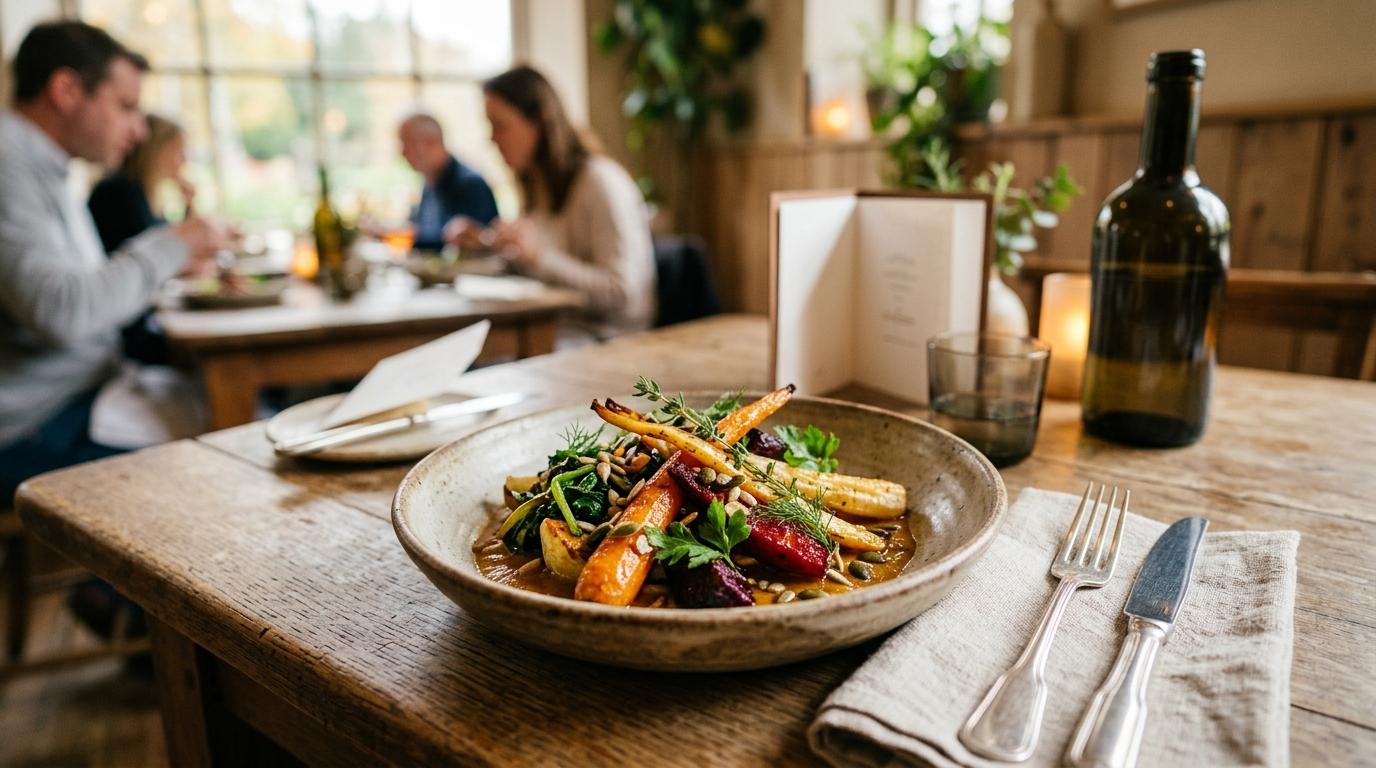
The Michelin Guide has always been synonymous with culinary excellence, but in 2020, the prestigious organization introduced something revolutionary: the Green Star. This sustainability-focused accolade has sat alongside traditional star ratings in Michelin star restaurants across the United States, recognizing establishments that marry world-class cuisine with genuine environmental stewardship.
Unlike traditional Michelin stars that judge only what's on the plate—not service or atmosphere—the Green Star looked at a restaurant's entire ecosystem. We're talking about everything from sourcing practices and waste reduction to energy consumption and community impact. It's not just a trend—it's a fundamental shift in how fine dining approaches its relationship with the planet.
The Green Star was never handed out lightly—California, the state with the most, had just 18 in its 2026 guide. Inspectors were looking for genuine commitment, not greenwashing. The result? A collection of restaurants that prove sustainability and exceptional dining aren't mutually exclusive.
One important update: in May 2026 Michelin announced it is retiring the Green Star. Existing Green Stars are being phased out over the course of 2026, and the guide is replacing the emblem with Mindful Voices, an editorial series of profiles and features on chefs, hoteliers and wine producers that carries no symbol or rating. The restaurants below earned their Green Stars before that change, and their work hasn't stopped.
What Makes a Restaurant Green Star Worthy
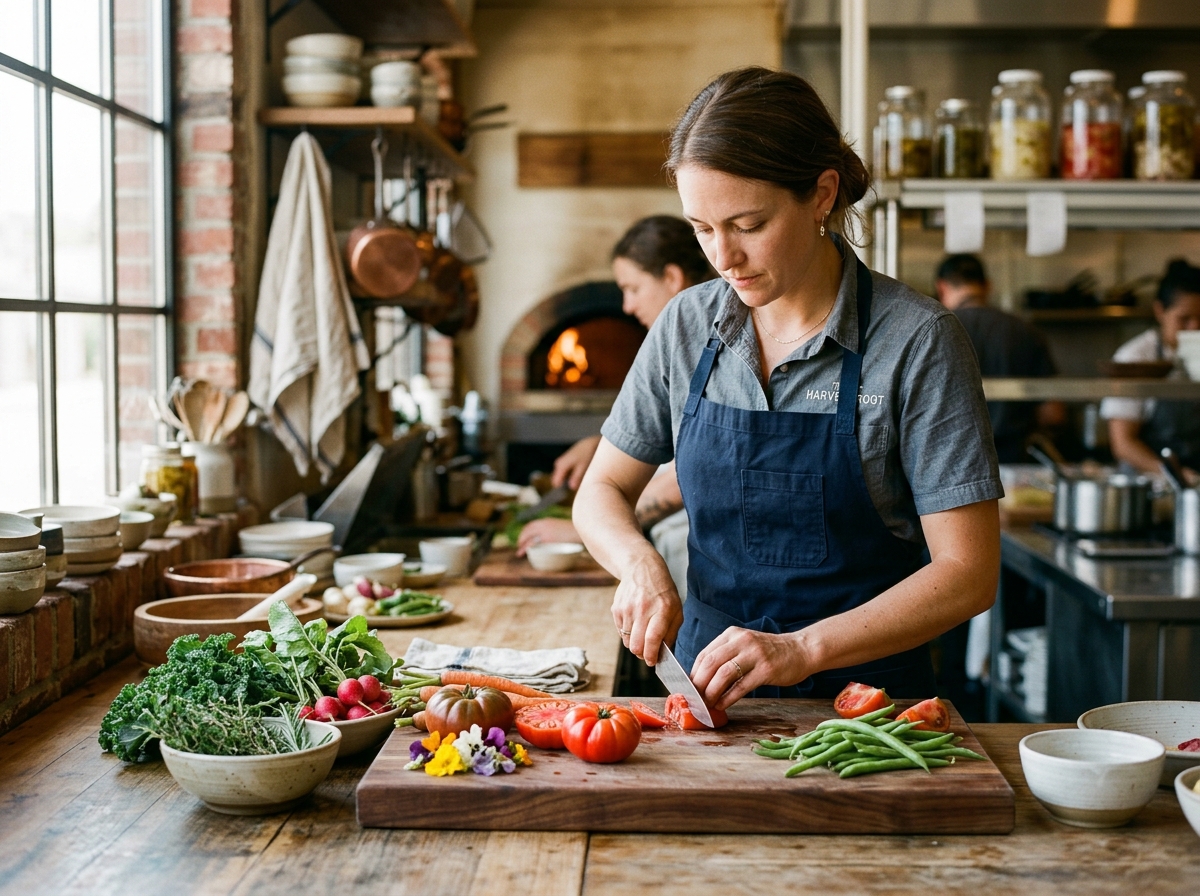
The criteria for earning a Michelin Green Star go far deeper than simply offering a few vegetarian options. Inspectors evaluate restaurants across multiple dimensions of sustainability, creating a comprehensive picture of environmental responsibility.
Sourcing practices form the foundation. Green Star restaurants typically maintain direct relationships with local farmers, fishers, and producers. They prioritize seasonal ingredients, often planning menus around what's available within a specific radius. Some establishments go further, maintaining their own gardens or partnering exclusively with regenerative agriculture operations.
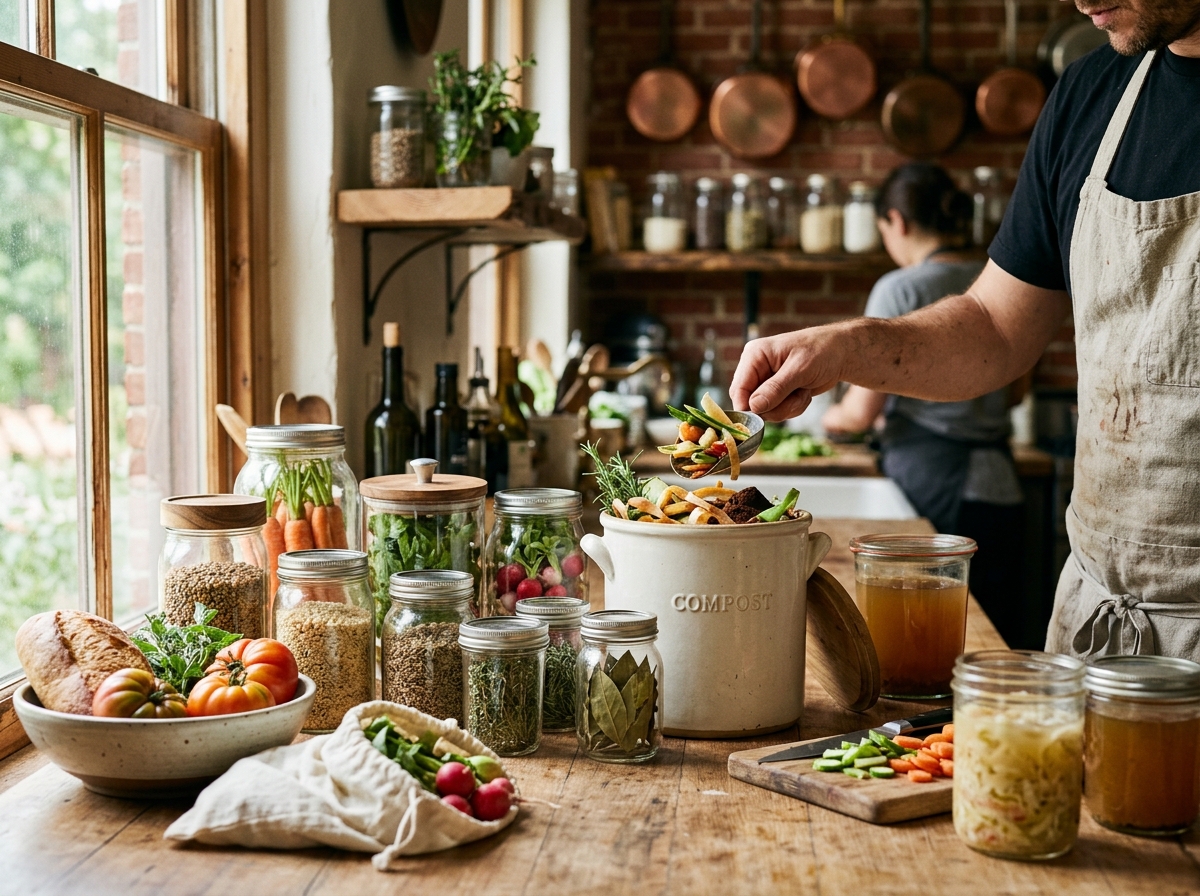
Waste management represents another critical component. Some Green Star recipients have pushed food waste close to zero through careful menu planning, nose-to-tail cooking, and creative repurposing. Vegetable trimmings become stocks, spent grains find new life in breads, and coffee grounds nourish herb gardens.
Energy and water conservation efforts extend throughout operations. Solar panels, energy-efficient equipment, water recapture systems, and LED lighting are common features. Some restaurants have gone entirely off-grid or achieved carbon neutrality through renewable energy and carbon offset programs.
Staff education and community engagement also factor into evaluations. Green Star restaurants often provide sustainability training for all employees and actively support local environmental initiatives or food access programs.
Notable Michelin Green Star Restaurants in the US
California leads the American Green Star movement, with 18 Green Stars in its 2026 guide—more than any other state—and three-star Atelier Crenn in San Francisco setting the standard. Chef Dominique Crenn's commitment extends from her pescatarian menu (meat came off it in 2019) to produce from Bleu Belle Farm, the restaurant's own regenerative farm in Sonoma. In 2021 it became the first Certified Plastic Free restaurant in the United States.
Blue Hill at Stone Barns in Pocantico Hills, New York, which holds two Michelin stars and a Green Star, represents perhaps the most comprehensive farm-to-table operation among Green Star recipients. Set on the working farm of the Stone Barns Center for Food and Agriculture, it builds its menus around what that farm and the surrounding Hudson Valley produce. Chef Dan Barber's team works directly with farmers to develop new varieties and growing techniques that support both flavor and environmental health.
In Washington, D.C., Oyster Oyster, chef Rob Rubba's plant-forward restaurant in Shaw, holds both a Michelin star and a Green Star. About 90% of its cooking equipment runs on electricity or induction rather than gas, and the restaurant has banned single-use plastics and composts.
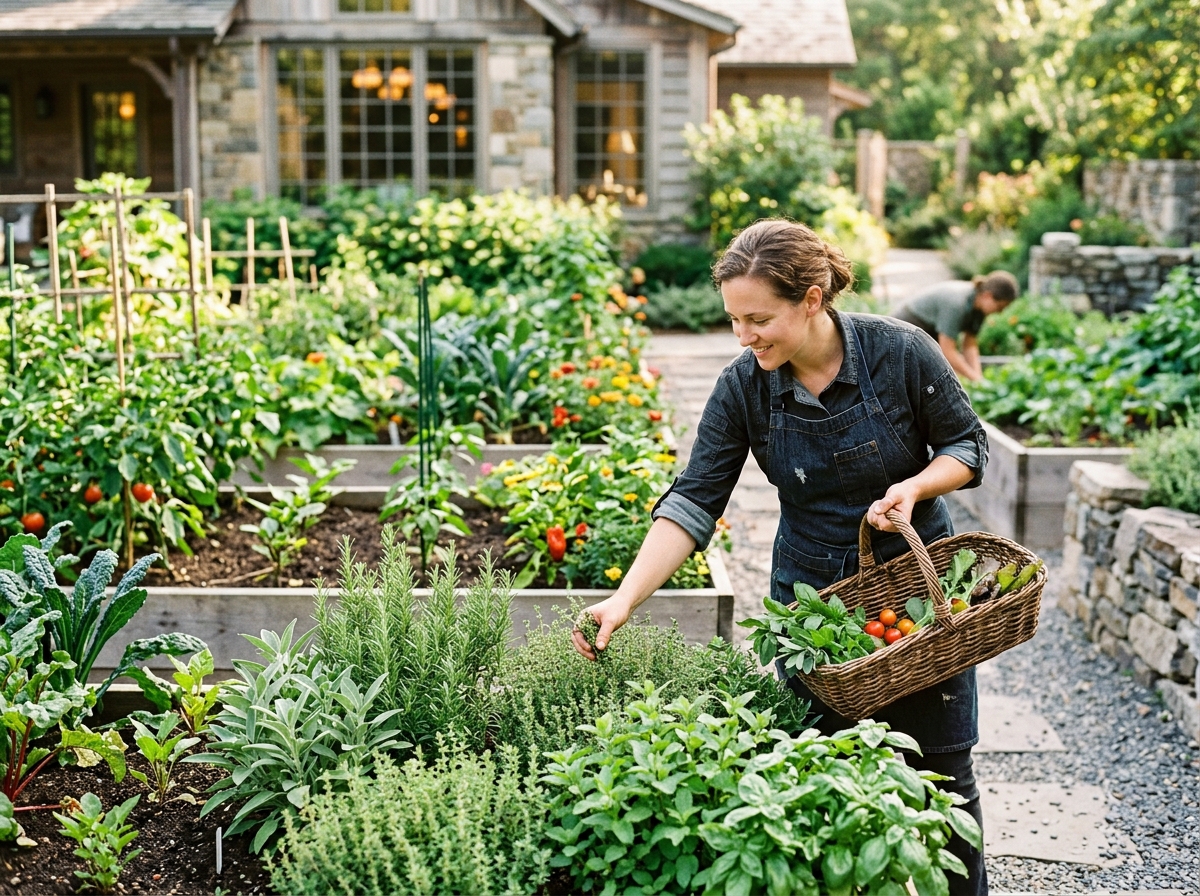
The French Laundry in California's Napa Valley, which holds three Michelin stars and a Green Star, pairs its legendary culinary reputation with a 3.5-acre culinary garden across the street that supplies much of the kitchen's produce.
The Dining Experience at Green Star Restaurants
Eating at a Michelin Green Star restaurant offers a distinctly different experience from traditional fine dining. Menus change frequently—sometimes daily—based on ingredient availability. This seasonality creates a sense of place and time that's often missing from restaurants that can source anything, anytime.
Servers frequently share stories about ingredients: the farm where vegetables were grown, the specific variety of heirloom tomato, or the sustainable fishing practices that brought seafood to your plate. This storytelling isn't pretentious—it's educational and helps diners understand the true cost and value of their meal.
The physical environment often reflects sustainability principles. Reclaimed materials, living walls, composting systems visible to guests, and natural lighting create atmospheres that feel connected to the natural world rather than isolated from it.
Portion sizes and presentation may differ from expectations. Some Green Star restaurants serve smaller portions to minimize waste, while others present ingredients in their full glory—think whole vegetables or fish prepared tableside to use every part.
Key Ingredients in Green Star Success
Several ingredients consistently appear in Green Star restaurant operations, forming the building blocks of sustainable fine dining.
Local partnerships define sourcing strategies. These restaurants maintain relationships with specific farms, ranches, and producers, often contracting for entire harvests or specific cuts of meat. This direct relationship ensures quality while supporting local economies.
Seasonal flexibility allows chefs to adapt menus based on availability rather than forcing out-of-season ingredients. Spring menus might focus on tender greens and early vegetables, while fall offerings celebrate root vegetables and preservation techniques.
Preservation and fermentation techniques extend ingredient lifecycles and reduce waste. House-made vinegars, pickled vegetables, cured meats, and fermented condiments appear frequently, adding complexity while utilizing ingredients that might otherwise spoil.
Alternative proteins, including plant-based options and underutilized seafood species, help reduce environmental impact while expanding flavor profiles. Many Green Star restaurants excel at making vegetables the star rather than relegating them to side dish status.
The Business Case for Sustainability
While pursuing a Green Star requires significant investment and operational changes, many restaurants find financial benefits alongside environmental ones. Local sourcing can reduce transportation costs and create more predictable supply chains. Waste reduction directly lowers food costs.
Energy efficiency improvements can pay for themselves over time through reduced utility bills. Solar installations, efficient equipment, and smart building management systems create ongoing savings that improve profitability.
Staff retention often improves at Green Star restaurants, where employees feel connected to a mission beyond profit. This reduces training costs and maintains service consistency that's crucial for fine dining success.
Customer loyalty tends to be stronger at restaurants with clear sustainability commitments. Diners increasingly seek experiences that align with their values, and Green Star recognition provides third-party validation of environmental efforts.
Planning Your Green Star Dining Experience
Reservations at the starred Green Star restaurants often book weeks or months in advance, like other Michelin-starred establishments. However, the limited menu flexibility and seasonal ingredients mean that experiences can vary significantly depending on when you visit.
Consider the season when booking. Spring and summer typically offer the most diverse ingredient availability, while winter menus might focus more heavily on preserved ingredients and root vegetables. Both have their charms, but expectations should align with seasonal realities.
Ask about dietary restrictions when booking. Green Star restaurants often accommodate special needs more easily than traditional fine dining establishments, given their focus on ingredient transparency and kitchen flexibility. However, advance notice helps ensure the best possible experience.
Budget accordingly—and expect a wide range. The Green Star never required Michelin stars, so recipients run from à la carte spots like Osteria Mozza and Chi Spacca in Los Angeles to three-star tasting rooms like The French Laundry, where the standard tasting menu runs about $425 per person (service included) before wine. The investment reflects both culinary quality and the true cost of sustainable ingredients.
Come curious and open-minded. You might encounter unfamiliar ingredients, unusual preparations, or serving styles that differ from traditional fine dining expectations. This openness enhances the educational and experiential aspects that make Green Star dining special.
The Future of Sustainable Fine Dining
The Green Star itself is ending: Michelin is phasing out the emblem during 2026 in favor of Mindful Voices, an editorial series that profiles chefs, hoteliers and wine producers without awarding a symbol. The practices the Green Star recognized, though, keep spreading through professional kitchens.
Technology plays an increasing role in Green Star operations. Apps that track food waste, sensors that optimize energy usage, and blockchain systems that verify ingredient sourcing help restaurants measure and improve their environmental impact with greater precision.
Collaboration between Green Star restaurants is accelerating innovation. Chefs share techniques for waste reduction, preservation methods, and sourcing strategies, creating a community focused on collective improvement rather than competitive secrecy.
The influence extends beyond individual restaurants. Hotels, catering companies, and even home cooks adopt techniques and principles developed by Green Star establishments, multiplying their environmental impact throughout the food system.
Consumer expectations continue evolving, with sustainability becoming a standard consideration rather than a special feature. With the Green Star retired, that pressure will come from diners and chefs themselves, pushing restaurants toward even greater environmental responsibility.
Michelin Green Star restaurants represent more than just another dining category—they're laboratories for the future of food. By choosing to support these establishments, diners participate in an ongoing experiment that's redefining what fine dining can be. Whether you're exploring Michelin star restaurants across the United States or specifically seeking sustainable dining experiences, these Green Star recipients offer proof that environmental responsibility and culinary excellence aren't just compatible—they're complementary.
Sources
- Michelin Guide is retiring "green star" designation for sustainable restaurants — The Philadelphia Inquirer
- Michelin Guide retires green star — The Caterer
- California Restaurants Top the Nation in Michelin Green Stars — Visit California
- The MICHELIN Guide California 2026 — Michelin
- Blue Hill at Stone Barns earns Green Star in Michelin Guide — News 12 Westchester
- How DC restaurants rewrite the menu on sustainability — WTOP
- Our Menu — Atelier Crenn
Last reviewed October 20, 2026. Star counts follow the most recent guide for each region; restaurants change, so check before you book.
MICHELIN, the MICHELIN Guide, the MICHELIN Star and Bib Gourmand are trademarks of Michelin. Meez is independent and is not affiliated with or endorsed by Michelin.
Related Topics
Enjoyed this article? Share it with fellow food lovers!
Import a recipe, start cooking
Paste any recipe URL and we'll turn it into a Cook Mode experience with step-by-step visuals, voice narration, and built-in timers.