

How to Get Michelin Star Restaurant Reservations: Insider Tips
Getting a table at a Michelin-starred restaurant requires more than luck—it takes strategy, timing, and knowing how each restaurant releases its tables. Here's how to navigate the booking game like a pro.
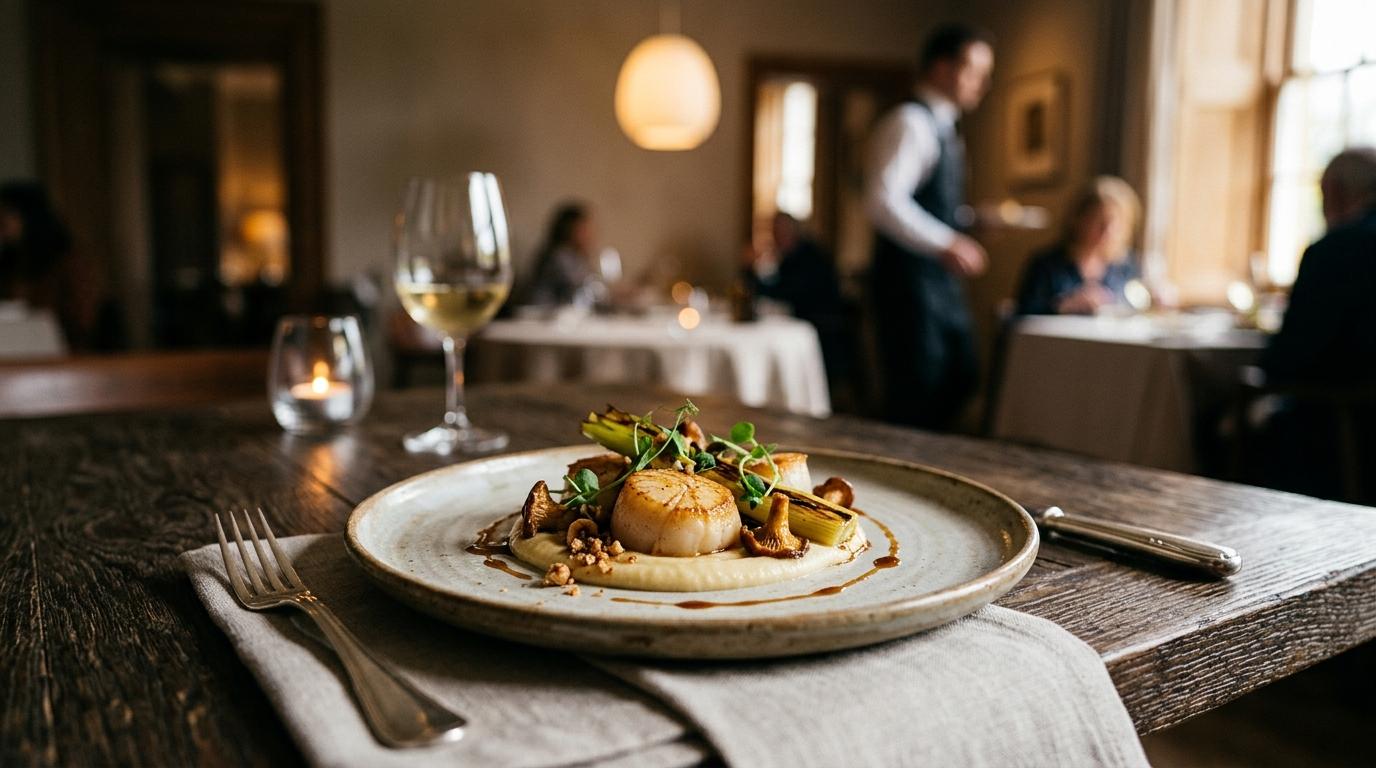
The world of Michelin star restaurants in the United States can feel like an exclusive club with velvet ropes and secret handshakes. You've probably experienced it: refreshing a booking page at midnight, calling the moment phone lines open, only to hear "we're fully booked for the next three months." The truth is, securing Michelin restaurant reservations isn't just about persistence—it's about understanding the system.
Every starred restaurant operates differently. Some release reservations on a rolling window (often 30 or 60 days out), others open a whole month at once, and a few release a full season at a time. Some prioritize their regular guests, while others save tables for walk-ins. The key is learning these patterns and working with them, not against them.
We've dug into how the booking platforms and the restaurants themselves release tables to decode the booking game. Here's what actually works when you're chasing those coveted tables.
Understanding the Reservation Ecosystem
Michelin-starred restaurants don't just randomly open their books. Most follow specific systems designed to balance demand with operational needs. Understanding these systems gives you a massive advantage over diners who just keep hitting refresh.
Release windows run anywhere from a couple of weeks to several months ahead—The Inn at Little Washington, for one, opens its books six months out—and some restaurants release on a rolling basis while others drop a full month at once. Not every seat necessarily goes into the public drop, either: card-member programs like Global Dining Access by Resy (for eligible American Express cards) and Sapphire Reserve Exclusive Tables on OpenTable get access to tables held for their members at participating restaurants.
Take The French Laundry in Napa Valley. It books online only, through Tock, releasing the following month's tables on the first of each month, and prime slots are typically gone within minutes. After that, your best shots are cancellations and Tock's waitlist.
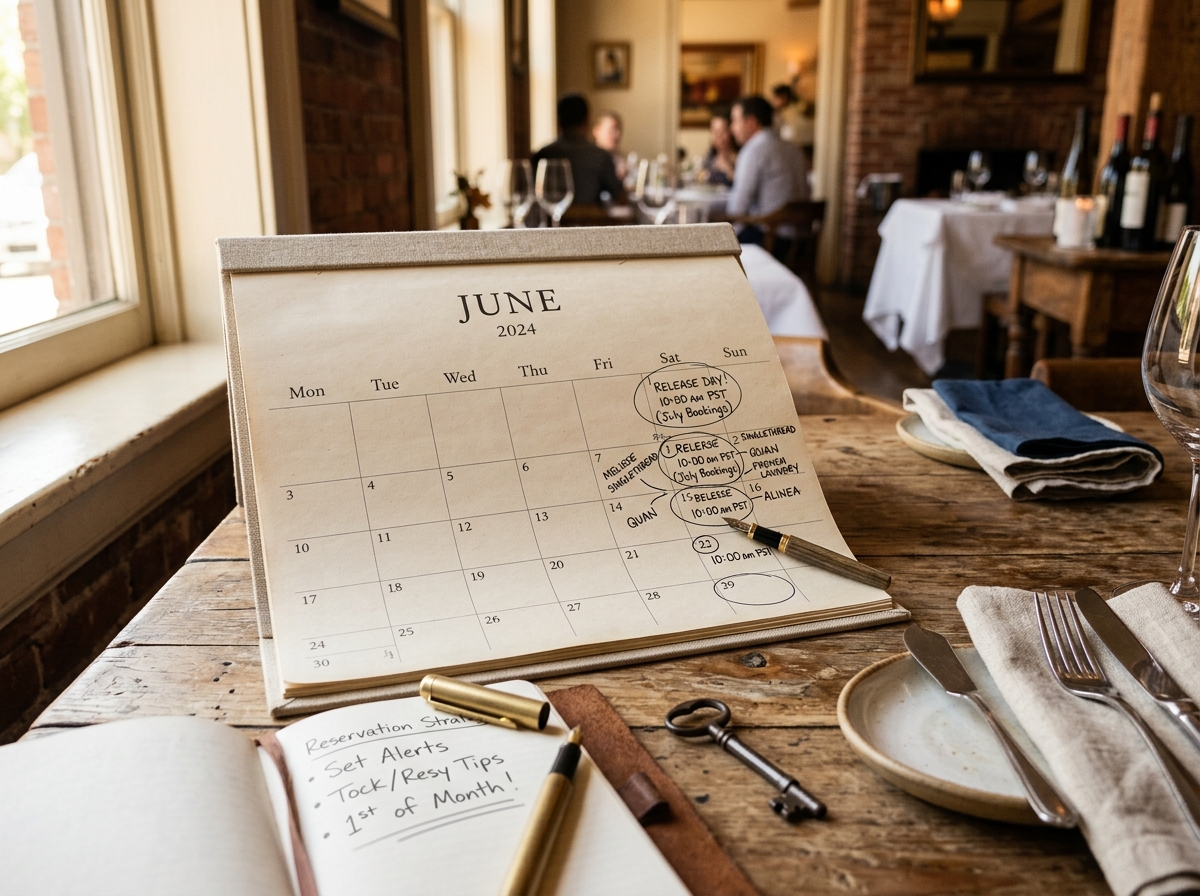
Restaurant groups often coordinate their reservation systems. If you're trying to book at one restaurant in a hospitality group, check their sister properties. Sometimes they share availability or can make internal transfers happen.
Timing Is Everything
The reservation game is won in the first few minutes after books open. But knowing exactly when that happens separates casual diners from those eating at Eleven Madison Park next month.
There's no universal release time. Each restaurant sets its own—some at midnight, others mid-morning or midday—usually in its local time zone. If you're booking a restaurant on another coast, convert the time, set an alarm, and be logged in with your card saved a few minutes early.
A couple of examples show how much this varies. Alinea in Chicago releases tables on the 15th of each month at 11 AM Central, roughly two months ahead. Eleven Madison Park in New York opens the whole of the following month on the first of each month. Before you start camping out online, check the restaurant's FAQ or booking page—or call—to confirm when reservations become available.
Here's a pro move: cancellations tend to cluster just before a restaurant's cancellation-fee deadline—often 24 to 72 hours before service—as diners drop tables they'd otherwise pay for. If you're looking for a table tomorrow, check the booking system around the same time you want to dine, but one day earlier.
The Platform Strategy
Not all booking platforms work the same way. Most Michelin restaurants book through Resy, Tock, OpenTable or SevenRooms, and tasting-menu restaurants often sell prepaid, non-refundable tickets on Tock rather than free reservations. The key is knowing which platform your target restaurant uses and how its drops work.
Rather than assuming one app gets tables first, find out which platform your restaurant actually uses and set an alert there—Resy's Notify feature and Tock's waitlist both ping you when a matching table opens up.
Still check the restaurant's own website. Most simply embed the same booking widget, but the site is where you'll find the release schedule, special events and any seats handled by email or phone instead.
Don't overlook the phone. Yes, it's old-school, and many top restaurants now book online only, but some still take reservations by phone or email. Call right when they open for the day—usually between 10 AM and noon. Be polite, flexible with dates, and don't be afraid to get on waiting lists.
Working the Waitlist Game
Waitlists aren't just participation trophies—they're legitimate paths to tables. But you need to work them strategically.
When you join a waitlist, you're not just hoping someone cancels. You're banking on changed plans: when a table is cancelled or a prepaid booking isn't completed, it often goes straight to the waitlist or back onto the booking page. If you're on the waitlist and can be flexible, you have a real shot.
Be specific about your preferences when joining waitlists. Don't just say "any time works." Give them 2-3 specific time windows. "We're flexible between 6 PM and 7 PM, or after 9 PM" is much more useful than "whenever you have space."
Follow up on waitlists, but don't be annoying about it. A quick call or email 48 hours before your desired date shows you're serious without being pushy. Restaurant managers remember guests who are courteous and flexible.
Alternative Booking Channels
The savvy reservation hunters know that starred restaurants have multiple booking channels beyond the obvious platforms. Tapping into these channels dramatically increases your odds.
Hotel concierges can still help, though their pull has shrunk now that most top restaurants sell tables online. If you're staying at a luxury property, the concierge at The St. Regis or The Ritz-Carlton might have relationships that can get you into restaurants that seem impossible to book.
Credit card concierge services through American Express Platinum and Chase Sapphire Reserve go beyond concierge help: Amex's Global Dining Access by Resy and Chase's Sapphire Reserve Exclusive Tables on OpenTable give cardholders access to tables held for members at participating restaurants (availability is never guaranteed).
Restaurant week events and special dining series provide backdoor access to restaurants that are otherwise booked solid. Some Michelin restaurants participate in city restaurant weeks or host collaborative dinners with other chefs. These events often have separate booking windows and can be easier to secure.
Food and wine festivals frequently feature Michelin-starred chefs cooking special menus. While these aren't full restaurant experiences, they're chances to try the cuisine and sometimes network with restaurant staff who might remember you for future bookings.
Building Relationships That Matter
The reservation game changes completely once you become a known quantity. Restaurants take care of guests they recognize, but building those relationships takes intention.
Start with the restaurant group's more accessible properties. Many Michelin-starred restaurants are part of larger hospitality groups with casual concepts. Becoming a regular at the group's bistro or wine bar creates connections that translate to priority access at their starred properties.
Celebrate special occasions at the restaurants you want to frequent. Restaurants remember guests who choose them for anniversaries, birthdays, and proposals. Mention these occasions when booking and follow up with thank-you notes or social media posts tagging the restaurant.
Wine programs offer another relationship-building avenue. Many starred restaurants have wine clubs, special tastings, or sommelier events. These lower-key experiences let you connect with staff in more relaxed settings.
Social media can work in your favor if done thoughtfully. Restaurants notice guests who post quality photos and write genuine reviews. But avoid the obvious "please notice me" posting. Instead, share thoughtful observations about specific dishes or service moments.
Key Ingredients for Reservation Success
Having the right information at your fingertips makes the difference between securing a table and watching them disappear while you scramble for details.
Essential booking information: Full names of all diners, contact phone number, special occasions or dietary restrictions, backup date preferences, and your preferred communication method for confirmations or changes.
Payment details: Many high-end restaurants require credit cards to hold reservations or even charge deposits upfront. Have your card information ready and understand their cancellation policies before you book.
Flexibility factors: Early or late dining times, weeknight versus weekend preferences, party size adjustments (many restaurants can accommodate parties of two more easily than larger groups), and seasonal menu preferences.
Backup restaurant list: Have 3-4 alternative restaurants ready in case your first choice isn't available. Research their booking systems and timing so you can pivot quickly.
When to Book Alternative Experiences
Sometimes the traditional dining room reservation just isn't going to happen. But many Michelin restaurants offer alternative experiences that can be easier to book and equally memorable.
Chef's counter seating often has different availability than dining room tables. These seats typically book separately and sometimes have walk-in options. You'll get an intimate view of the kitchen and often interact directly with the chefs.
Private dining rooms and special event spaces have their own booking managers. If you're celebrating with a larger group, inquire about private options that might have better availability than individual tables.
Lunch service at dinner-focused restaurants can be significantly easier to book. Some Michelin restaurants offer abbreviated lunch menus that showcase their techniques without the full evening pageantry.
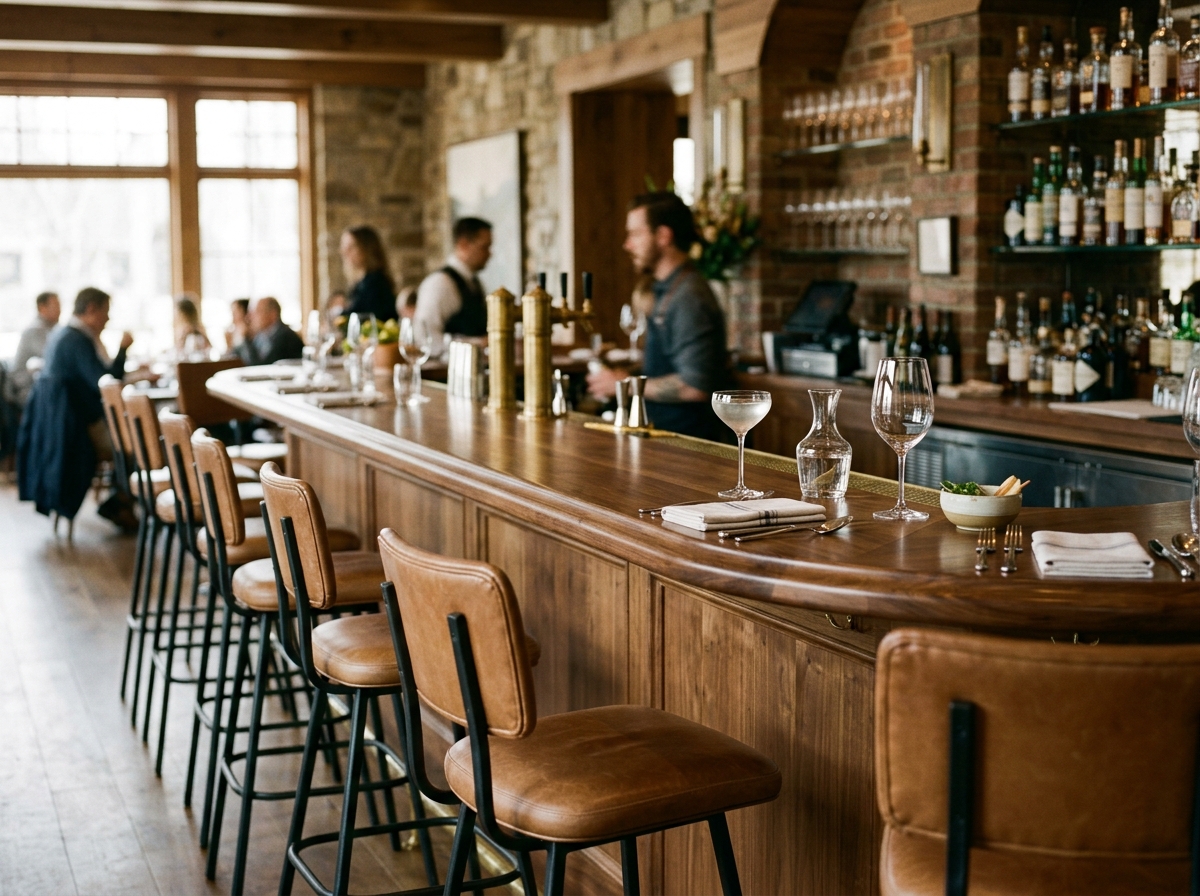
Bar seating and lounge areas sometimes accept walk-ins or have shorter booking windows. You might not get the full tasting menu experience, but you'll taste the kitchen's work and get a feel for the restaurant's style.
Managing Expectations and Backup Plans
Even with perfect strategy and timing, you won't always get the table you want. The most successful diners have realistic expectations and solid backup plans.
If you're planning a special occasion, line up a backup at a restaurant with a flexible cancellation policy. Don't double-book prepaid tasting menus—many are non-refundable (Alinea's tickets, for example, can only be rescheduled with at least 72 hours' notice)—and release any table you won't use well before the cancellation deadline.
Consider the restaurant's sister properties or restaurants from the same chef group. If you can't get into the three-star flagship, the chef's more casual concept might offer a similar culinary perspective with better availability.
Seasonal timing matters more than most diners realize. Summer in wine country, holiday seasons in major cities, and local event periods (like Art Basel in Miami) create booking challenges. Plan around these busy periods or embrace them if you want the full cultural experience.
Set reservation reminders well in advance. Mark your calendar for when restaurants open their books, not just when you want to dine. Plenty of booking failures happen because people miss the reservation release window entirely.
Making the Most of Your Reservation
Once you've secured that hard-won reservation, a few strategic moves ensure you get the full experience and possibly easier bookings in the future.
Confirm your reservation 24-48 hours in advance, especially for weekend bookings. This shows the restaurant you're serious and gives you a chance to mention any special occasions or preferences they should know about.
Arrive on time or slightly early. Michelin restaurants run tight schedules, and late arrivals can throw off their entire evening. If you're running late, call ahead rather than just showing up apologetically.
Engage genuinely with the staff. Ask questions about dishes, wine pairings, or the restaurant's history. This isn't about getting special treatment—it's about showing you appreciate the craft and effort that goes into the experience.
Handle any issues gracefully. If something goes wrong during your meal, mention it politely to your server rather than suffering in silence or posting complaints online later. Great restaurants want to fix problems in real-time.
The Long Game
Building a relationship with Michelin star restaurants across the United States is like any other relationship—it takes time, consistency, and mutual respect. The diners who seem to effortlessly book impossible tables didn't start there. They built their reputation over multiple visits, treated staff well, and showed genuine appreciation for the craft.
Start where you can get tables and work your way up. Many Michelin restaurants started out as neighborhood spots with big dreams. Supporting restaurants on their journey up the ladder often creates loyalty that lasts long after they earn their stars.
Remember that behind every reservation system are real people trying to create exceptional experiences while managing impossible demand. The more you can make their jobs easier—by being flexible, punctual, and appreciative—the more likely you are to get those coveted callback invitations for your next special occasion.
The reservation game isn't just about getting a table tonight. It's about becoming the kind of diner that restaurants want to welcome back again and again. Master that, and you'll never have trouble finding exceptional meals.
Sources
- FAQ — Alinea (release schedule and ticket policy)
- Contact — Eleven Madison Park (monthly reservation release)
- When to Book DC's Hottest Restaurant Reservations — Washingtonian
- How to Get French Laundry Reservations — Independent Travel Cats (updated 2026)
- Amex Platinum Global Dining Access by Resy — The Points Guy
- Guide to Chase Sapphire Reserve Exclusive Tables — Chase
- American Express acquires Tock — Fortune
Last reviewed October 20, 2026. Star counts follow the most recent guide for each region; restaurants change, so check before you book.
MICHELIN, the MICHELIN Guide, the MICHELIN Star and Bib Gourmand are trademarks of Michelin. Meez is independent and is not affiliated with or endorsed by Michelin.
Related Topics
Enjoyed this article? Share it with fellow food lovers!
Import a recipe, start cooking
Paste any recipe URL and we'll turn it into a Cook Mode experience with step-by-step visuals, voice narration, and built-in timers.