

Chicago Michelin Star Restaurants: The Complete Foodie Guide
Chicago's Michelin star restaurants range from three-star Smyth and theatrical Alinea to refined neighborhood favorites. Here's your guide to the Windy City's most celebrated dining destinations.
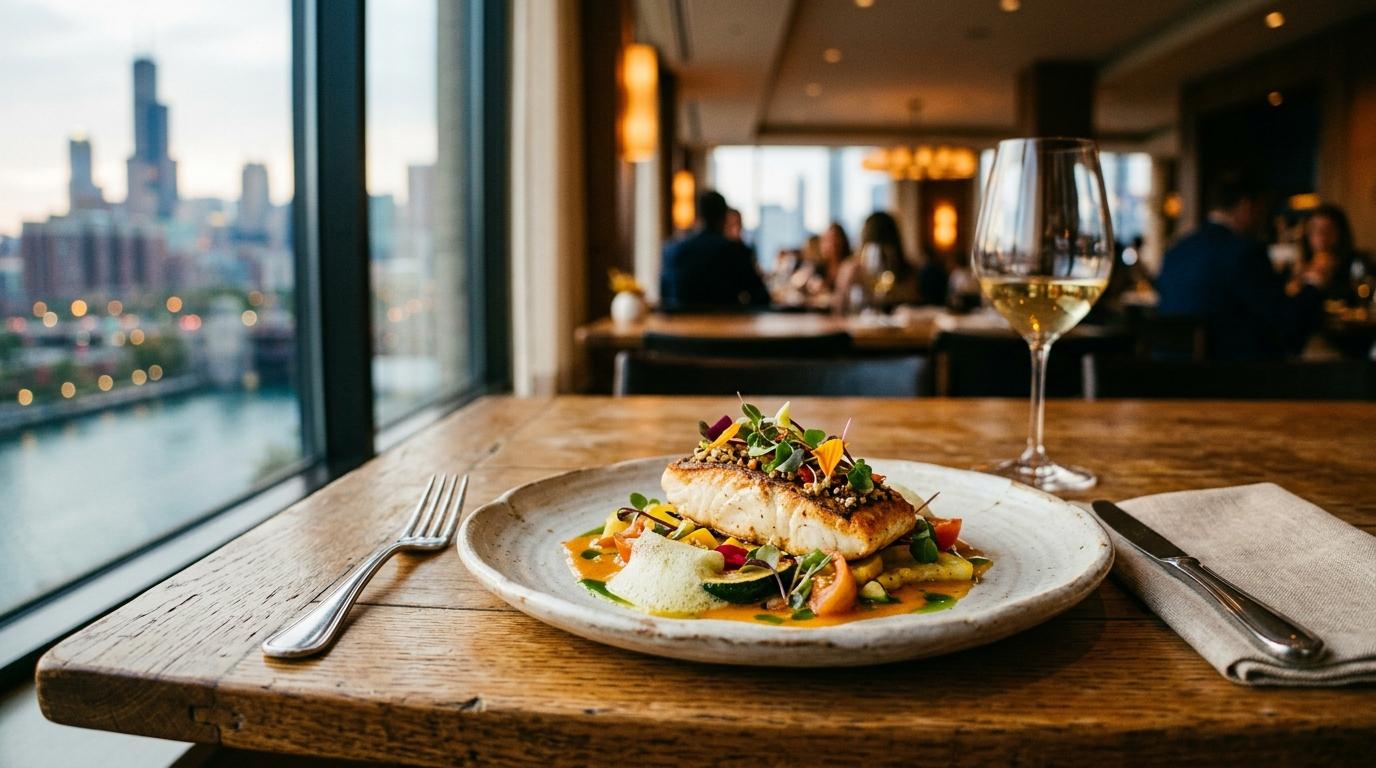
Chicago's culinary scene punches above its weight, and nowhere is this more evident than in its collection of Michelin-starred establishments. While the Windy City might not have as many stars as coastal counterparts, the restaurants that do earn recognition represent some of the most innovative and memorable dining experiences in the country. Whether you're planning a special celebration or simply want to understand what makes Michelin star restaurants across the United States so special, Chicago offers a fascinating microcosm of excellence.
The city's Michelin landscape reflects Chicago's broader culinary personality: ambitious yet approachable, technically sophisticated without losing sight of comfort and hospitality. From the theatrical molecular gastronomy of Alinea to the intimate neighborhood charm of Smyth, these restaurants showcase distinct philosophies unified by an unwavering commitment to craft.
Chicago's Michelin Star Landscape
Chicago received its first Michelin Guide in November 2010 (the 2011 edition), making it the fifth US city to get its own guide, after New York, San Francisco, Los Angeles and Las Vegas. The debut guide gave three stars to two restaurants, Alinea and L2O, establishing the city as a serious culinary destination. Today, the landscape has evolved, with some restaurants losing stars while new talents emerge to claim recognition. The 2025 guide lists 20 starred restaurants in Chicago: Smyth with three stars; Alinea, Ever, Kasama and Oriole with two; and 15 with one.
The Chicago Michelin scene differs notably from New York or California in its emphasis on hospitality and value. Many Chicago Michelin restaurants maintain a Midwestern sensibility that prioritizes guest comfort alongside culinary innovation. This approach creates dining experiences that feel less intimidating than their coastal counterparts while maintaining the same level of technical excellence.
Alinea: Two Stars, Still the Showstopper
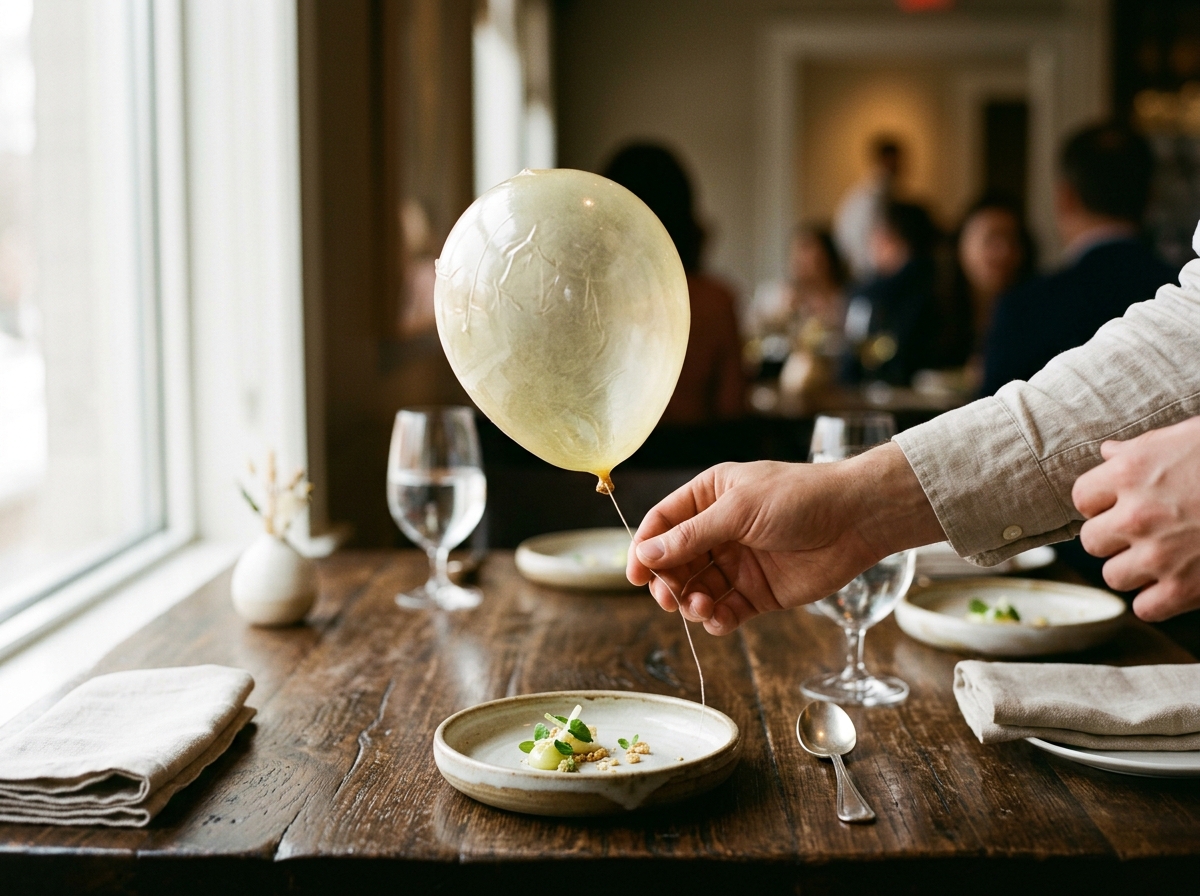
Alinea held three Michelin stars from the guide's Chicago debut until November 2025, when Michelin cut it to two, leaving Smyth as the city's only three-star restaurant. It's still a bucket-list meal. Grant Achatz's Lincoln Park temple to molecular gastronomy doesn't just serve dinner; it orchestrates theatrical experiences that challenge every assumption about what food can be.
The restaurant's tasting menus change seasonally, but certain hallmarks remain consistent: dishes that engage multiple senses, presentations that blur the line between food and art, and flavor combinations that shouldn't work but absolutely do. The famous edible balloon filled with helium might seem gimmicky until you taste the green apple taffy that delivers both nostalgic sweetness and genuine surprise.
Reservations at Alinea require advance planning and significant investment. Seats are sold as prepaid tickets, and prime dates go fast. Depending on which room you book, expect to pay several hundred dollars per person before wine pairings, service, and tax.
Three-Star Excellence: Smyth
Tucked into the West Loop, Smyth earned its third star in 2023 and is now Chicago's only three-star restaurant. It represents the more intimate side of Michelin excellence. Chef John Shields creates menus that celebrate American ingredients through refined technique, with particular attention to vegetables and grains. The restaurant's industrial-chic dining room feels more like a sophisticated neighborhood spot than a temple to fine dining.
Smyth's tasting menu might include pristine seafood and vegetables prepared with techniques borrowed from both classical French cuisine and modern innovation. Karen Urie Shields, John's wife and Smyth's co-owner, cooks alongside him.
Two-Star Destinations
Oriole
Noah Sandoval's Oriole occupies a minimalist dining room in the West Loop. The restaurant's philosophy centers on ingredient-driven cooking that lets premium products speak for themselves.
The tasting menu at Oriole changes with the seasons, but Sandoval's approach remains consistent: impeccable sourcing, precise technique, and presentations that enhance rather than overshadow the core ingredients. Dishes might include pristine raw fish, house-made pasta, or perfectly roasted meats, all executed with technical precision that justifies the restaurant's two-star status.
One-Star Treasures
Chicago's one-star restaurants represent diverse approaches to excellence, from neighborhood bistros to innovative newcomers pushing boundaries in their own right.
Boka
Lee Wolen's Boka has maintained its Michelin star for over a decade, a testament to consistent excellence in Lincoln Park. The restaurant's approach balances innovation with comfort, creating dishes that surprise without alienating. The dining room strikes a similar balance, elegant enough for special occasions but warm enough for regular visits.
The Chefs Behind the Stars
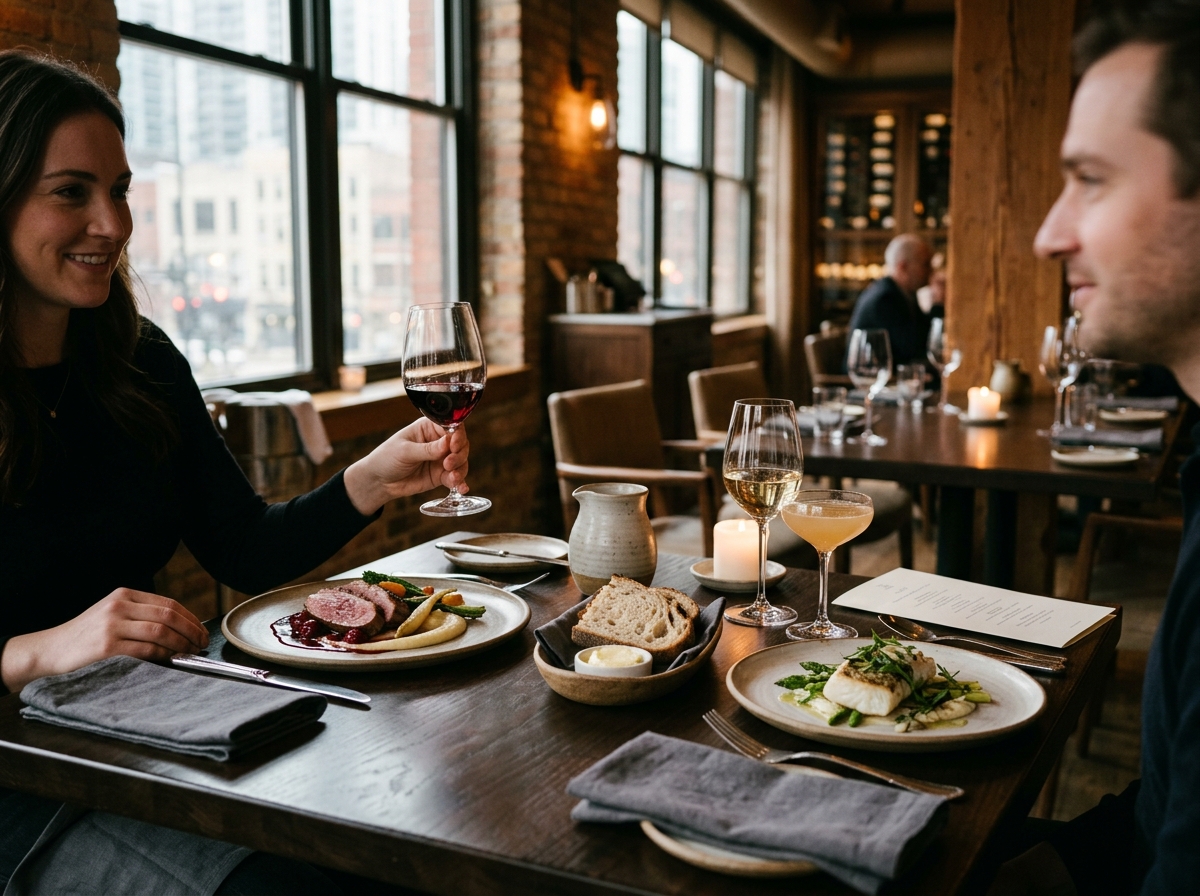
Chicago's Michelin-starred restaurants reflect the personalities and philosophies of their chef-owners. Grant Achatz at Alinea became the face of American modernist cooking, while John Shields at Smyth represents a more grounded approach to American fine dining.
Many of these chefs trained in other Michelin-starred kitchens before establishing their own restaurants. This cross-pollination of ideas and techniques helps maintain Chicago's position as a serious culinary destination. The city's collaborative restaurant community also means that techniques and innovations spread quickly among top-tier establishments.
What sets Chicago's Michelin chefs apart is their commitment to hospitality. Even in the most experimental restaurants, there's an underlying warmth and desire to ensure guests feel welcomed and cared for. This Midwestern approach to service distinguishes Chicago's fine dining scene from more formal coastal counterparts.
Planning Your Chicago Michelin Experience
Securing reservations at Chicago Michelin restaurants requires strategy and persistence. Most restaurants open their books 30-60 days in advance, with the most coveted spots requiring immediate action when reservations become available.
Consider timing your visit during restaurant week promotions or slower periods when availability increases. Tuesday through Thursday dinners typically offer better reservation opportunities than weekend prime times.
Budget expectations vary widely among Chicago's Michelin restaurants. While Alinea commands premium pricing, several one-star restaurants offer lunch menus or bar seating that makes Michelin-level cooking more accessible. Research menu pricing in advance to avoid sticker shock.
Key Ingredients and Sourcing
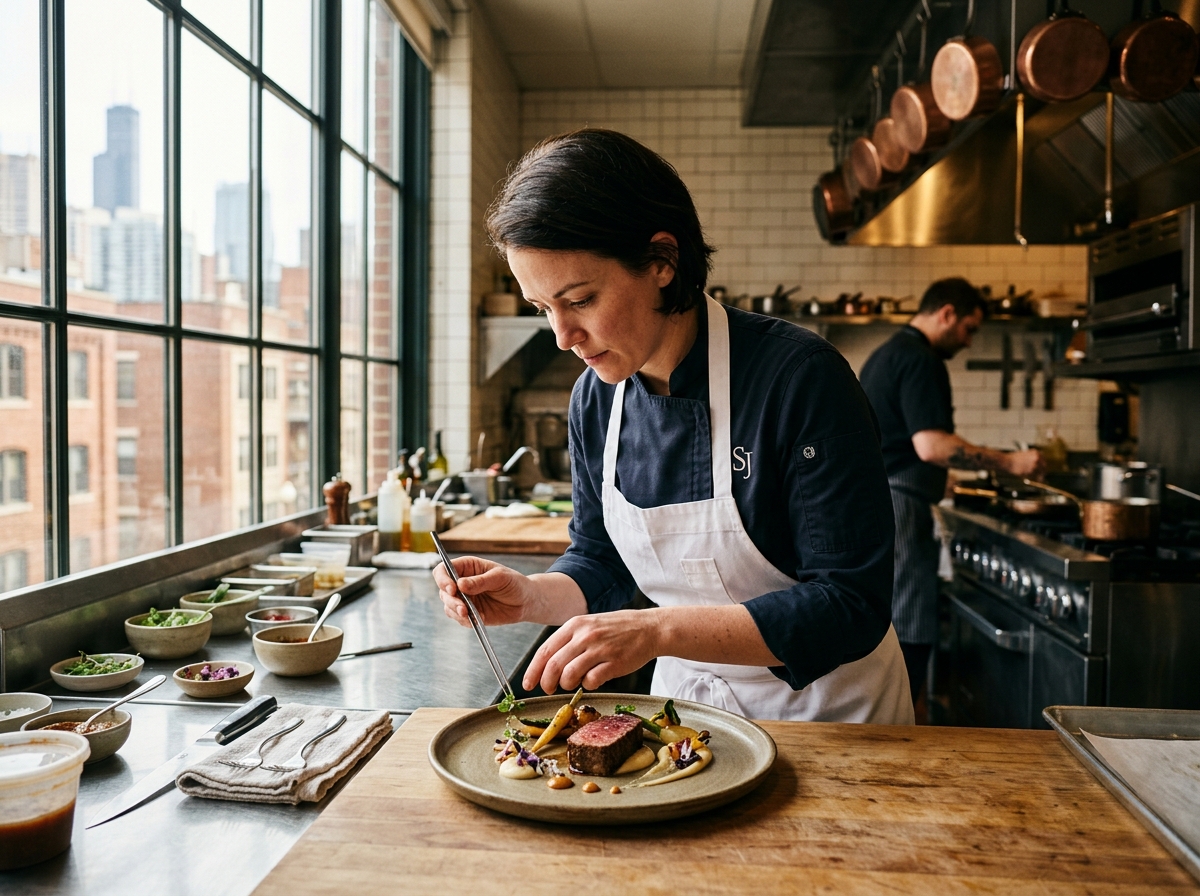
Chicago's Michelin restaurants benefit from the city's position as a transportation hub and its proximity to Midwest farms and producers. Many restaurants work directly with local farms to source vegetables, grains, and proteins that reflect the region's agricultural abundance.
Seasonal menus at these restaurants often showcase Illinois farms, Wisconsin dairy producers, and Great Lakes fisheries. This commitment to regional sourcing creates distinct flavor profiles that set Chicago's fine dining apart from coastal scenes reliant on more distant suppliers.
The city's famous meat-packing heritage also influences Michelin restaurant menus, with many establishments featuring house-made charcuterie or working with local butchers who understand proper aging and preparation techniques.
Comparing Chicago to Other Michelin Cities
Chicago's Michelin scene differs significantly from New York's density or California's innovation focus. The city's restaurants tend to emphasize value and hospitality alongside technical excellence, creating experiences that feel more accessible despite their high standards.
Portion sizes at Chicago Michelin restaurants often exceed those found in coastal counterparts, reflecting Midwestern eating culture. Service styles also tend toward warmth and genuine hospitality rather than formal European traditions.
Price points generally run lower than comparable restaurants in New York or San Francisco, though they've increased significantly as the city's dining reputation has grown. This relative affordability makes Chicago an attractive destination for serious food lovers seeking Michelin experiences without coastal premium pricing.
The Future of Chicago's Michelin Scene
Chicago's Michelin landscape continues evolving as new restaurants open and established ones refine their approaches. The city's strong culinary schools and collaborative restaurant community ensure a steady pipeline of talent ready to compete for recognition.
Recent trends suggest increased focus on sustainability and local sourcing, with several restaurants earning recognition for environmental initiatives alongside culinary excellence. This development aligns with broader industry movements toward responsible fine dining.
The post-pandemic restaurant landscape has also influenced Chicago's Michelin scene, with some restaurants adjusting formats or pricing to maintain accessibility while preserving quality standards that earned their recognition.
Chicago's Michelin restaurants represent more than just excellent meals; they showcase the city's commitment to culinary excellence and hospitality. Whether you're seeking the theatrical innovation of Alinea or the refined comfort of neighborhood one-star gems, the city offers Michelin experiences that reflect its broader cultural values. These restaurants continue pushing boundaries while maintaining the warmth and approachability that defines Chicago dining. For anyone exploring Michelin star restaurants across the United States, Chicago provides essential context for understanding how American fine dining balances innovation with accessibility, creating memorable experiences that justify their prestigious recognition.
Sources
- List of Michelin-starred restaurants in Chicago
- Beloved Chicago restaurant Alinea just lost a Michelin star (Time Out Chicago, Nov 2025)
- Michelin Guide demotes Alinea to 2-star status (NBC Chicago)
- Chicago's Feld earns first MICHELIN Star as Kasama is elevated to two (ABC7 Chicago, Nov 2025)
- MICHELIN Guide Reveals 2025 Northeast Cities Selection (Michelin press release)
- Michelin-Rated Chicago Dining Destinations (Choose Chicago)
Last reviewed October 20, 2026. Star counts follow the most recent guide for each region; restaurants change, so check before you book.
MICHELIN, the MICHELIN Guide, the MICHELIN Star and Bib Gourmand are trademarks of Michelin. Meez is independent and is not affiliated with or endorsed by Michelin.
Related Topics
Enjoyed this article? Share it with fellow food lovers!
Import a recipe, start cooking
Paste any recipe URL and we'll turn it into a Cook Mode experience with step-by-step visuals, voice narration, and built-in timers.