

Bib Gourmand Restaurants: America's Best Affordable Eats
Bib Gourmand restaurants represent the sweet spot of dining—exceptional food that won't empty your wallet. These Michelin-recognized gems prove that great cuisine doesn't always come with a hefty price tag.
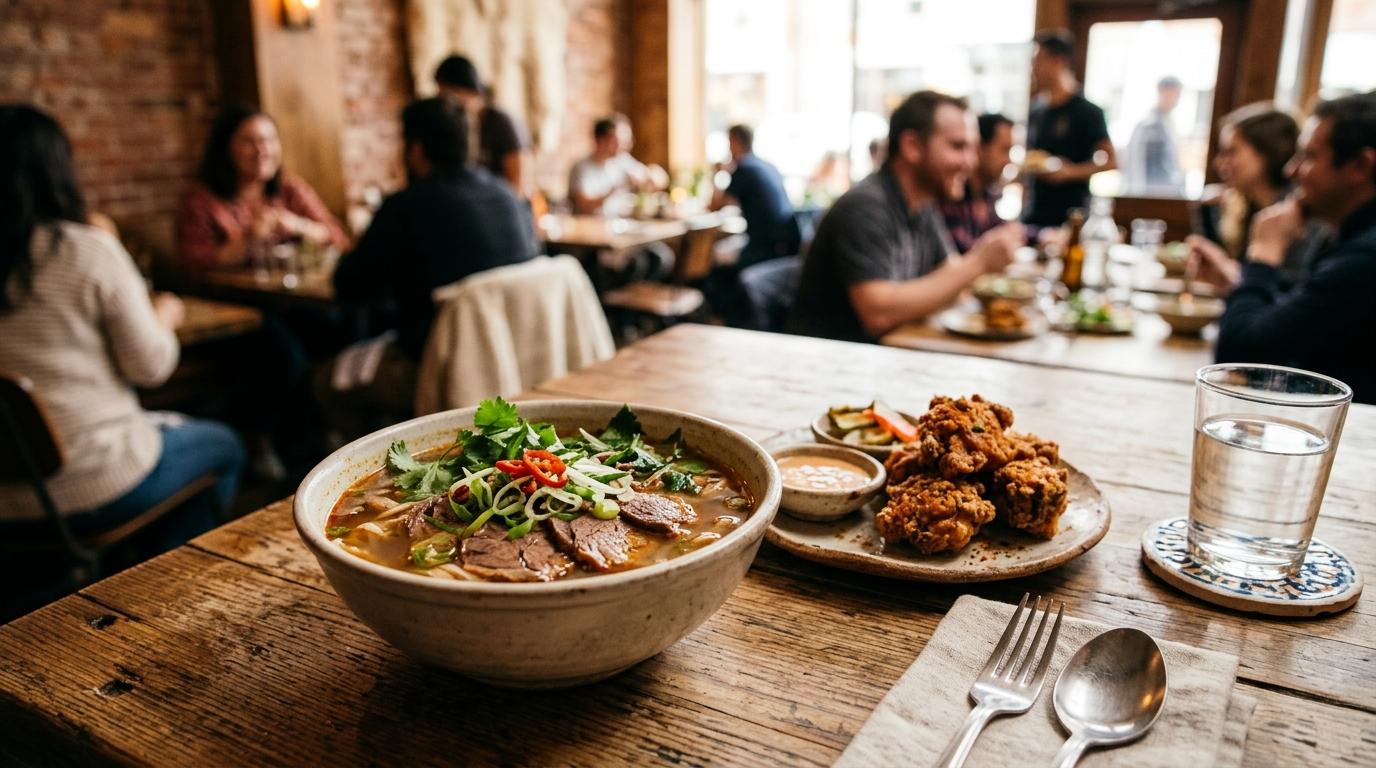
While Michelin star restaurants in the United States often command sky-high prices and months-long waiting lists, there's another category that deserves equal attention: Bib Gourmand restaurants. These establishments represent the Michelin Guide's most democratic recognition—places where exceptional food meets accessible pricing, proving that culinary excellence doesn't require a trust fund.
The Bib Gourmand designation, symbolized by the iconic Michelin Man (whose real name is Bibendum, hence "Bib"), celebrates restaurants offering "good quality, good value cooking" for under a specific price threshold. In the United States, Michelin raised that benchmark from $40 to $49 in 2023 and now describes it as about $50 for two courses plus a glass of wine or dessert, before tax and tip, making these spots accessible to food lovers who want Michelin-quality experiences without the financial commitment of starred establishments.
What makes Bib Gourmand restaurants particularly exciting is their diversity. You'll find everything from Korean cooking in Los Angeles's Koreatown to pho in Orange County's Little Saigon, from New Orleans po'boy counters to Philadelphia cheesesteak shops. The common thread isn't cuisine type or atmosphere—it's the inspectors' recognition that these kitchens deliver something special at prices that won't require selling a kidney.
Understanding the Bib Gourmand Philosophy
The Bib Gourmand category fills a crucial gap in the dining landscape. While Michelin stars celebrate technical excellence and innovation, often at premium prices, Bib Gourmand recognition acknowledges that great cooking exists at every price point. These restaurants might not have tableside service or elaborate tasting menus, but they nail the fundamentals: exceptional ingredients, skilled technique, and dishes that make you want to return immediately.
Michelin inspectors evaluate Bib Gourmand candidates using the same rigorous standards applied to starred restaurants. The difference lies in the value equation. A $12 bowl of ramen that achieves perfect balance of broth, noodles, and toppings can earn Bib Gourmand status just as readily as a $200 tasting menu earns stars—if that ramen represents exceptional quality for its price point.
The anonymity and consistency requirements remain identical. Inspectors visit multiple times, often months apart, ensuring that the kitchen delivers the same level of excellence whether it's a Tuesday lunch rush or Saturday evening service. This consistency requirement eliminates many otherwise excellent restaurants that might have off days or rely too heavily on a single chef's presence.
Geographic Distribution and Regional Specialties
Bib Gourmand restaurants cluster heavily in cities where Michelin conducts reviews, but the distribution reveals interesting patterns about American food culture. California dominates the count, with 117 Bib Gourmands in its 2026 guide and dozens of them in Los Angeles and the San Francisco Bay Area. This concentration reflects both the depth of culinary talent in these markets and the diversity of immigrant communities that have shaped local food scenes.
New York City's Bib Gourmand landscape spans the five boroughs, showcasing everything from Tibetan momos at Phayul in Jackson Heights to the pastrami at Katz's Delicatessen on the Lower East Side. The city's selection demonstrates how the designation celebrates both newcomer restaurants pushing boundaries and multigenerational establishments that have perfected their craft over decades.
Chicago's Bib Gourmand restaurants tell a different story, often rooted in the city's working-class food traditions. You'll find taquerias and regional Mexican kitchens, neighborhood pizzerias, and gastropubs that happen to serve exceptional pub fare. The thread connecting these diverse spots is their commitment to serving their communities while maintaining Michelin-level quality.
Washington D.C.'s selection reflects the capital's international character, with Afghan, Caribbean, Vietnamese, and Middle Eastern restaurants earning recognition alongside more traditional American fare. These restaurants often serve communities that might not otherwise see their cuisines celebrated in mainstream food media, making the Bib Gourmand designation particularly meaningful.
Key Ingredients for Bib Gourmand Success
What separates Bib Gourmand restaurants from their non-recognized peers often comes down to ingredients and technique. These kitchens source carefully, even when working with tight margins. A taco truck might use house-made tortillas and carefully sourced meat. A pizza joint might import specific Italian tomatoes or age their dough for optimal flavor development.
Technique matters enormously. Bib Gourmand kitchens execute fundamental cooking methods with precision. The ramen broth simmers for the right number of hours. The barbecue smoker maintains consistent temperature. The pasta water is properly salted. These details might seem basic, but achieving consistency across hundreds of covers per day requires genuine skill.
Many Bib Gourmand restaurants focus intensely on a narrow menu. Rather than trying to excel at everything, they perfect a handful of dishes. This focus allows them to source ingredients more strategically, train staff more effectively, and maintain quality standards even during busy periods. A restaurant might serve only five types of tacos, but each one represents the platonic ideal of its style.
The best Bib Gourmand establishments also understand their role in their communities. They're not trying to be destination restaurants that draw diners from across the city. Instead, they serve their neighborhoods consistently, building relationships with regular customers while maintaining standards that occasionally attract food lovers from farther afield.
Notable Bib Gourmand Categories
Certain types of restaurants appear frequently in Bib Gourmand selections, often representing cuisines where excellence traditionally comes at accessible prices. Asian restaurants dominate many city lists, from Vietnamese pho specialists to Korean barbecue houses to Chinese dumpling makers. These cuisines often emphasize technique and time over expensive ingredients, making them natural fits for the category.
Mexican and Latin American restaurants earn frequent recognition, particularly those run by immigrant families who bring traditional techniques to American markets. These establishments might serve the same dishes their owners grew up eating, but executed with a level of care and authenticity that stands out in crowded markets.
Pizza restaurants appear in nearly every American city with Bib Gourmand selections. The category seems to reward pizza makers who obsess over details: the temperature of their ovens, the hydration of their dough, the source of their tomatoes. These aren't necessarily the fanciest pizza places in town, but they consistently produce superior pies.
Barbecue joints and burger restaurants also earn frequent recognition, usually those that approach their craft with unusual seriousness. The barbecue pits might smoke brisket for eighteen hours. The burger joints might grind their own meat and bake their own buns. These extra steps don't always translate to higher prices, but they create distinctly better final products.
Sandwich shops, particularly those specializing in regional American styles, appear throughout Bib Gourmand lists. Whether it's a New Orleans po'boy shop using locally sourced seafood or a Philadelphia cheesesteak counter that sources specific cuts of beef, these restaurants succeed by perfecting iconic dishes rather than reinventing them.
The Dining Experience at Bib Gourmand Restaurants
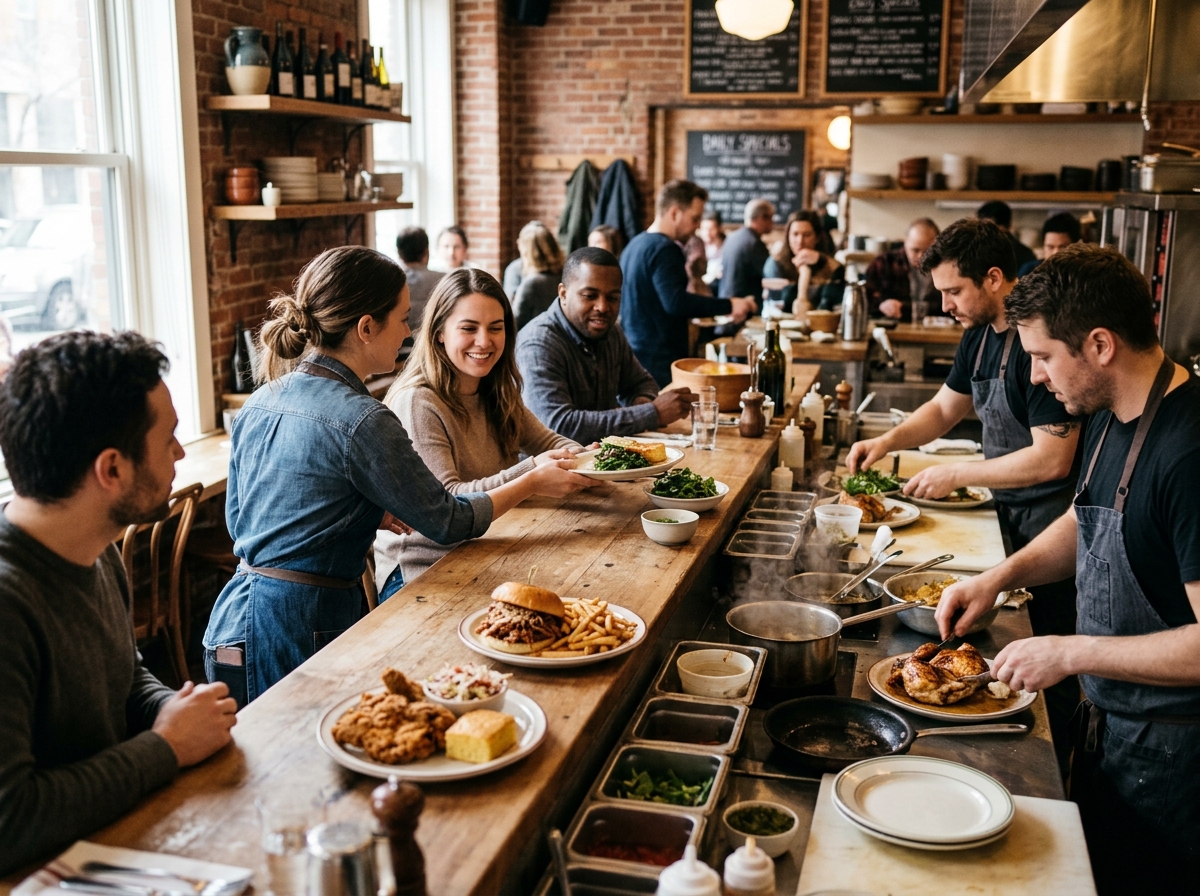
Dining at Bib Gourmand restaurants feels refreshingly unpretentious. You might order at a counter, sit at communal tables, or even eat standing up. The focus remains squarely on the food rather than elaborate service rituals or Instagram-worthy plating. This informality often enhances rather than detracts from the experience, allowing the cooking to speak for itself.
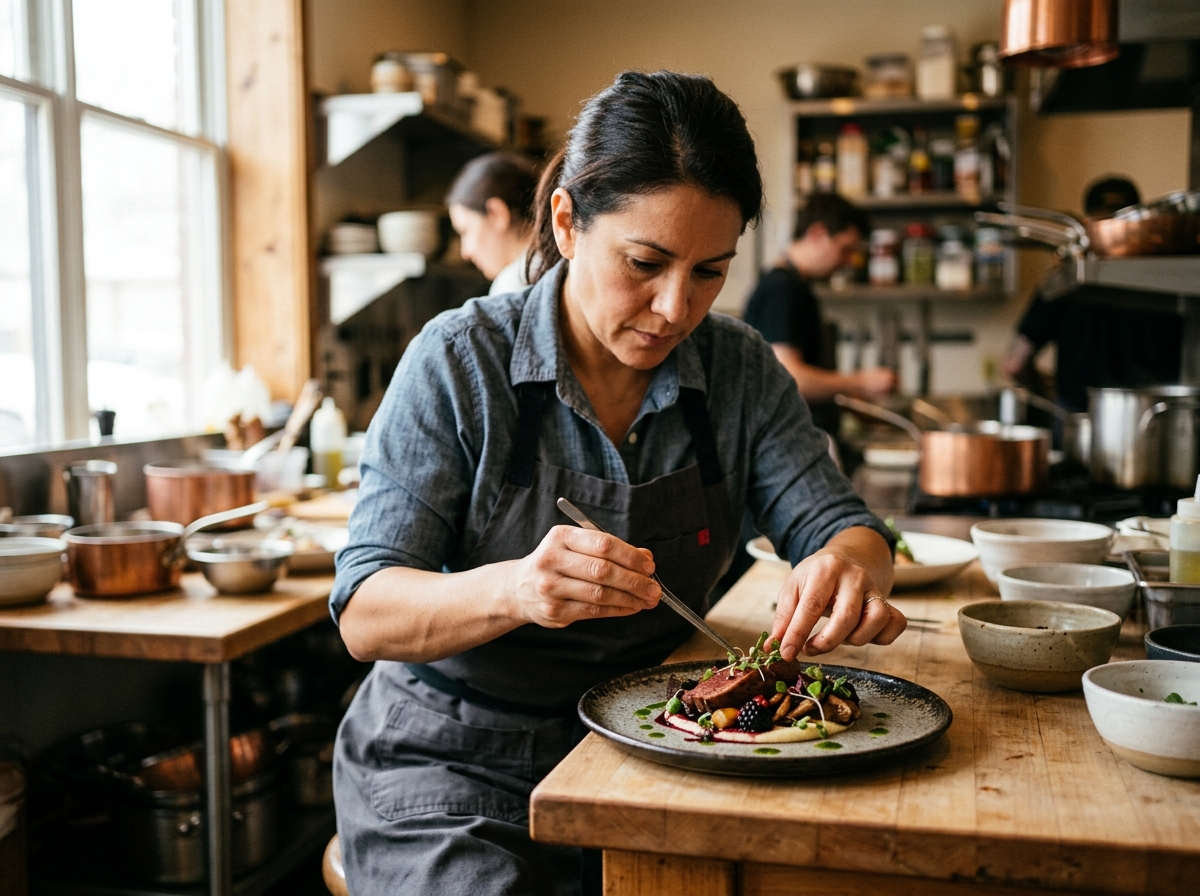
Many Bib Gourmand restaurants operate with smaller staffs than their starred counterparts, meaning you might interact directly with the chef or owner. This personal connection adds warmth to the dining experience and often provides insight into the passion and technique behind the food. The chef might emerge from the kitchen to explain a particular preparation or share the story behind a family recipe.
The pace at Bib Gourmand restaurants varies widely but generally moves faster than fine dining establishments. You're not expected to linger over multiple courses or navigate complex wine pairings. Instead, these restaurants excel at delivering exceptional food efficiently, making them perfect for lunch meetings, casual dinners, or those times when you want great food without the ceremony.
Value remains a central part of the experience. Even accounting for inflation and rising food costs, Bib Gourmand restaurants deliver remarkable bang for your buck. A memorable meal that might cost $300 or more per person at a starred restaurant could run $25 to $50 at a Bib Gourmand establishment, making exceptional dining accessible to a much broader audience.
Planning Your Bib Gourmand Restaurant Tour
Unlike starred restaurants that require advance planning and deep pockets, Bib Gourmand establishments welcome spontaneous visits. Many don't take reservations and operate on a first-come, first-served basis, and those that do are usually far easier to book. This accessibility means you can build entire food tours around Bib Gourmand restaurants, hitting multiple spots in a single day without breaking the bank.
The best strategy for exploring Bib Gourmand restaurants involves grouping them by neighborhood or cuisine type. Los Angeles food lovers might spend a day in Koreatown, where a handful of Bib Gourmand spots—Korean, Taiwanese and Peruvian among them—sit a short drive apart. New York visitors could dedicate an afternoon to Queens, where the concentration of recognized ethnic restaurants makes for incredible eating.
Consider going during off-peak hours when possible. Many Bib Gourmand restaurants get busy during traditional meal times, and the more relaxed pace during shoulder hours allows for better interaction with staff and more careful attention to your order. Plus, some establishments offer lunch specials that make already affordable prices even more attractive.
Don't overlook the opportunity to try cuisines you might not normally order. Bib Gourmand recognition serves as a quality guarantee, making these restaurants perfect for culinary exploration. That Ethiopian restaurant you've walked past might serve the best injera in the city. The Vietnamese sandwich shop could make bánh mì that rivals anything you've eaten.
Bib Gourmand restaurants represent something beautiful in American dining: proof that exceptional food doesn't require exceptional budgets. These establishments, recognized alongside the most prestigious restaurants in America's Michelin star dining scene, demonstrate that culinary excellence exists at every price point. They serve as community anchors, introducing broader audiences to diverse cuisines while maintaining the kind of quality and consistency that earns Michelin recognition. In a food landscape often obsessed with exclusivity and expense, Bib Gourmand restaurants remind us that the best meals are those that combine exceptional cooking with genuine accessibility.
Sources
- List of Michelin Bib Gourmand restaurants in the United States — Wikipedia
- Bib Gourmand: The Michelin Guide's Most Affordable Restaurants — Chowhound
- The MICHELIN Guide California 2026 — Michelin
- MICHELIN Guide Reveals 2025 Northeast Cities Selection — Michelin
- MICHELIN Bib Gourmand American South restaurants — OpenTable
- Dalessandro's gets a Michelin honor but not an invitation — The Philadelphia Inquirer
- MICHELIN Bib Gourmand DC restaurants for 2025 — OpenTable
Last reviewed October 20, 2026. Star counts follow the most recent guide for each region; restaurants change, so check before you book.
MICHELIN, the MICHELIN Guide, the MICHELIN Star and Bib Gourmand are trademarks of Michelin. Meez is independent and is not affiliated with or endorsed by Michelin.
Related Topics
Enjoyed this article? Share it with fellow food lovers!
Import a recipe, start cooking
Paste any recipe URL and we'll turn it into a Cook Mode experience with step-by-step visuals, voice narration, and built-in timers.