

Asian Michelin Star Restaurants in America: A Complete Guide
From omakase counters to Korean tasting menus, Asian kitchens hold a big share of America's Michelin stars. Here's your guide to the starred restaurants reshaping fine dining across the country.
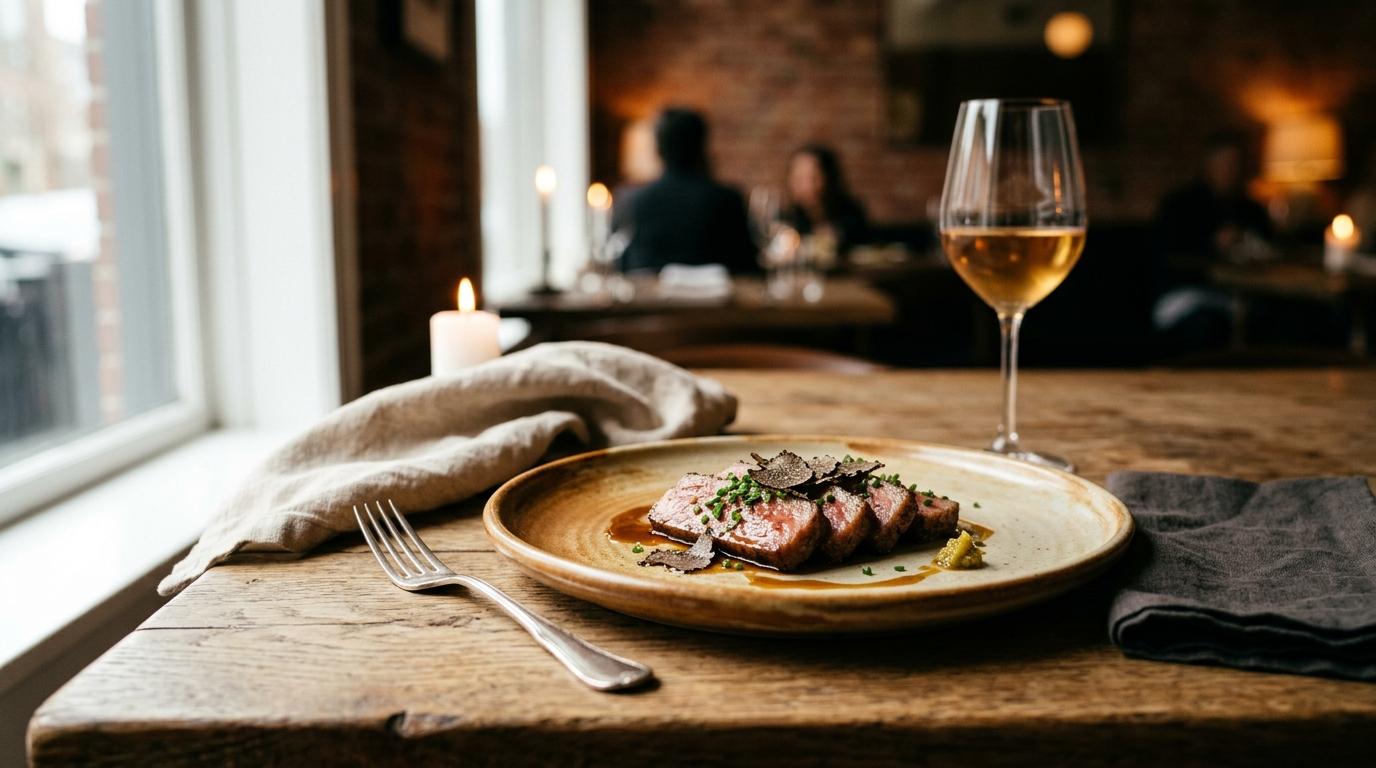
Asian cuisine has quietly conquered America's Michelin landscape, earning more stars per capita than almost any other culinary tradition. From the precision of Japanese kaiseki to the innovation of modern Chinese cooking, these restaurants represent both reverence for tradition and fearless creativity. If you're exploring Michelin star restaurants in the United States, Asian establishments offer some of the most transformative dining experiences you'll find.
The numbers tell the story. In New York, Asian restaurants, led by Japanese and Korean kitchens, hold a large share of the city's Michelin stars—a remarkable achievement that reflects both the technical mastery of these cuisines and America's evolving palate. But this isn't just about statistics. It's about chefs who've transported centuries-old techniques to American soil while creating something entirely new.
The Japanese Dominance: Sushi, Kaiseki, and Beyond
Japanese restaurants lead the charge, with sushi bars claiming the largest share of Asian Michelin stars. The precision required for exceptional sushi—from rice temperature to knife technique—aligns perfectly with Michelin's exacting standards.
Masa in New York is the most famous name, holding three stars from the 2009 guide until November 2025, when Michelin lowered it to two. Chef Masa Takayama's omakase—$750 per person in the dining room, $950 at the counter—represents sushi as performance art, where each piece is crafted moments before you eat it. The rice, seasoned to body temperature, dissolves on your tongue while the fish—much of it flown in from Japan—delivers flavors most Americans have never experienced.
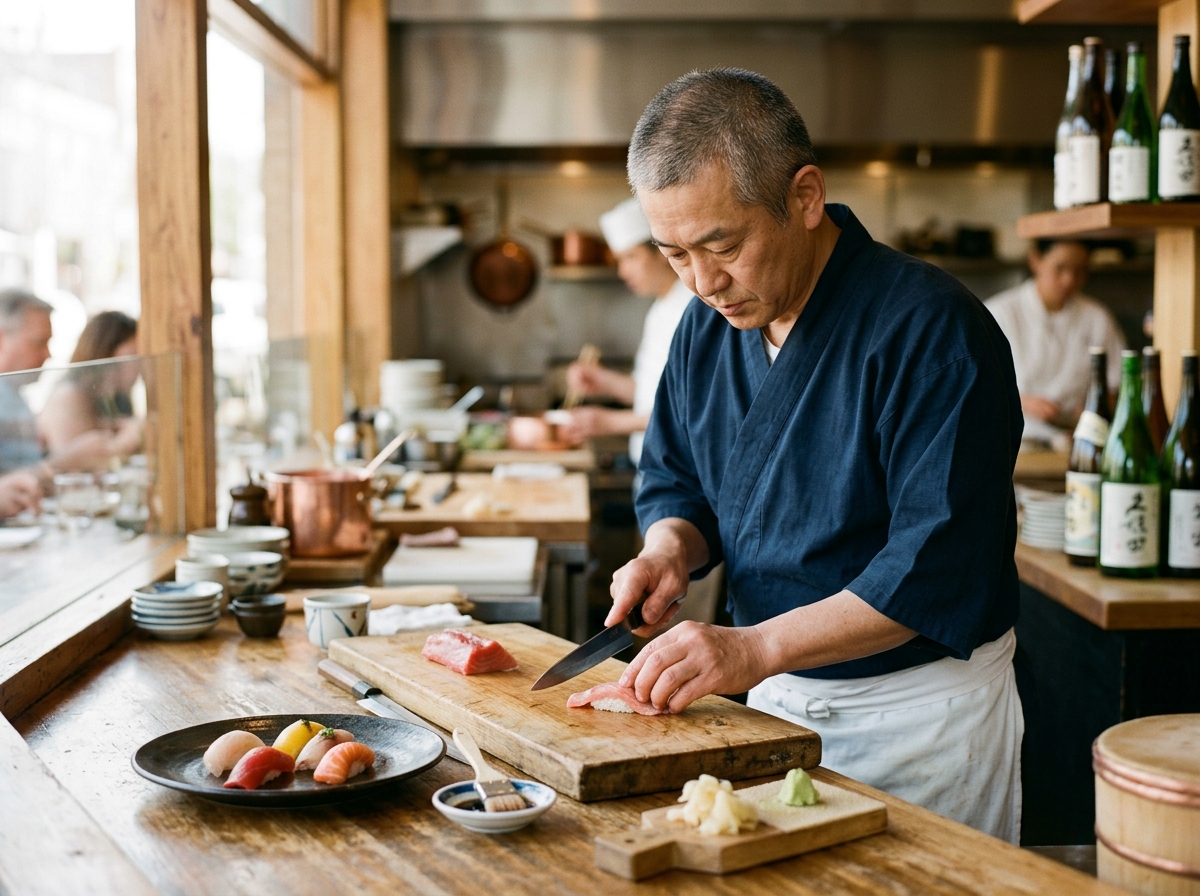
But Japanese excellence extends far beyond sushi. Hayato in Los Angeles holds two stars for translating kaiseki, the traditional Japanese multi-course meal, for Californian ingredients. Chef Brandon Hayato Go sources locally but thinks seasonally in the Japanese tradition, creating dishes that feel both familiar and revelatory.
The same precision runs through New York's smaller omakase counters, several of which hold stars while maintaining the intimate counter experience that makes sushi special.
Chinese Cuisine's Michelin Renaissance
Chinese restaurants faced an uphill battle for Michelin recognition, partly due to misconceptions about the cuisine's sophistication. That's changing rapidly as chefs demonstrate the technical complexity behind dishes Americans thought they knew.
Benu in San Francisco, helmed by Corey Lee, earned three stars by deconstructing Chinese-American expectations. Lee's background at The French Laundry shows in presentations like thousand-year-old quail egg with potage and ginger—familiar flavors elevated through French technique and Korean influences.
Mister Jiu's in San Francisco takes a different approach, celebrating Chinese-American history while pushing boundaries. Chef Brandon Jew's Peking-style roast Liberty Farms duck honors both tradition and innovation, and the restaurant still holds its well-deserved star in the 2026 guide.
The regional diversity of Chinese cuisine has drawn Michelin's attention too. Café China in New York, which held a Michelin star for much of the 2010s, specializes in Sichuan flavors, where ma la spicing creates the numbing, tingling sensations that define the region. Their mapo tofu achieves the perfect balance of silk tofu, fermented black beans, and Sichuan peppercorns that few restaurants outside China manage.
Korean and Southeast Asian Stars Rising
Korean cuisine's Michelin presence is growing, led by restaurants that showcase the cuisine's complexity beyond Korean barbecue. Jua in New York earned its star through Chef Hoyoung Kim's precise, wood-fired Korean tasting menu, which reveals how much depth Korean flavors carry beyond the barbecue grill.
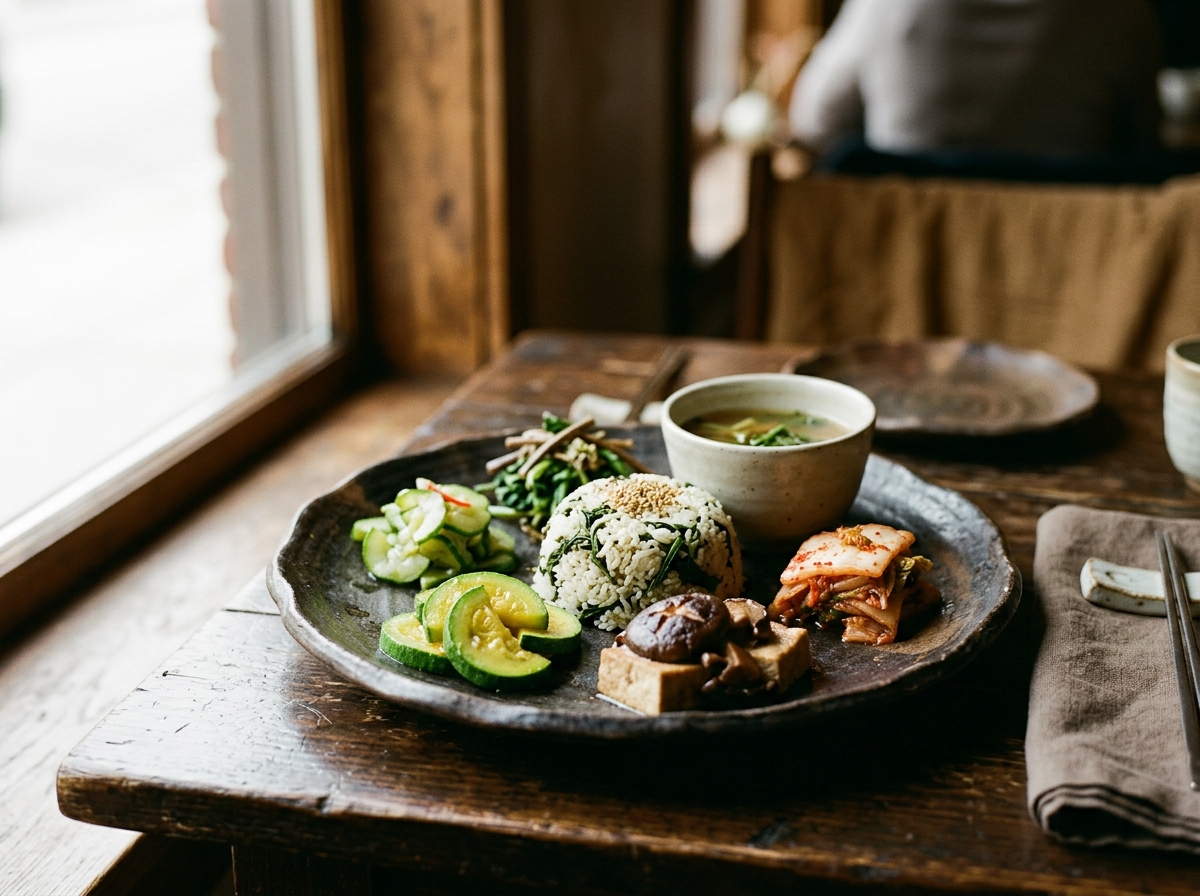
Atomix in New York, which holds two stars, pushes Korean fine dining into uncharted territory. Chef Junghyun "JP" Park's tasting menu, created with his wife and partner Ellia Park, reinterprets Korean flavors through modern techniques with exacting precision.
Southeast Asian representation is smaller but growing. Kin Khao in San Francisco brings Thai cuisine to Michelin attention through Chef Pim Techamuanvivit's commitment to authentic flavors and quality ingredients. Her curries achieve the layered complexity that distinguishes restaurant Thai food from takeout versions.
Key Ingredients That Define Asian Michelin Excellence
Several ingredients separate Michelin-level Asian cooking from neighborhood restaurants:
- Premium rice varieties: Koshihikari for sushi, aged jasmine rice for Thai dishes
- Artisanal soy sauces: Aged tamari and shoyu that provide umami depth
- Fresh aromatics: Daily-made curry pastes, hand-ground spices
- Seasonal proteins: Wild-caught fish, heritage breed meats
- Fermented elements: House-made kimchi, aged miso, fish sauce
Regional Distinctions: Where to Find Asian Michelin Stars
New York City leads in both quantity and diversity of Asian Michelin restaurants. The city's competitive restaurant scene and diverse population create the perfect environment for authentic Asian fine dining. From Masa's sushi temple to Korean tasting counters like Jua and Atomix, the city offers the full spectrum.
San Francisco and the Bay Area excel particularly in Chinese and Japanese cuisine, reflecting the region's deep Asian cultural roots. The proximity to Pacific fisheries ensures exceptional seafood, while the area's tech wealth supports the high ingredient costs that Michelin-level Asian cooking demands.
Los Angeles is emerging as a powerhouse, with neighborhoods like Koreatown and the San Gabriel Valley providing authentic foundations for fine dining evolution. The city's creative culture encourages fusion and innovation while maintaining respect for traditional techniques.
Chicago's Asian Michelin scene is smaller but significant, led by Kasama, the Filipino tasting-menu restaurant promoted to two stars in the 2025 guide.
What Makes Asian Michelin Restaurants Different
Asian Michelin restaurants often differ from their European counterparts in fundamental ways. The emphasis on seasonality runs deeper—Japanese kaiseki changes not just ingredients but cooking methods with the seasons. The concept of hospitality, such as Japanese omotenashi, creates service experiences that feel more personal than formal.
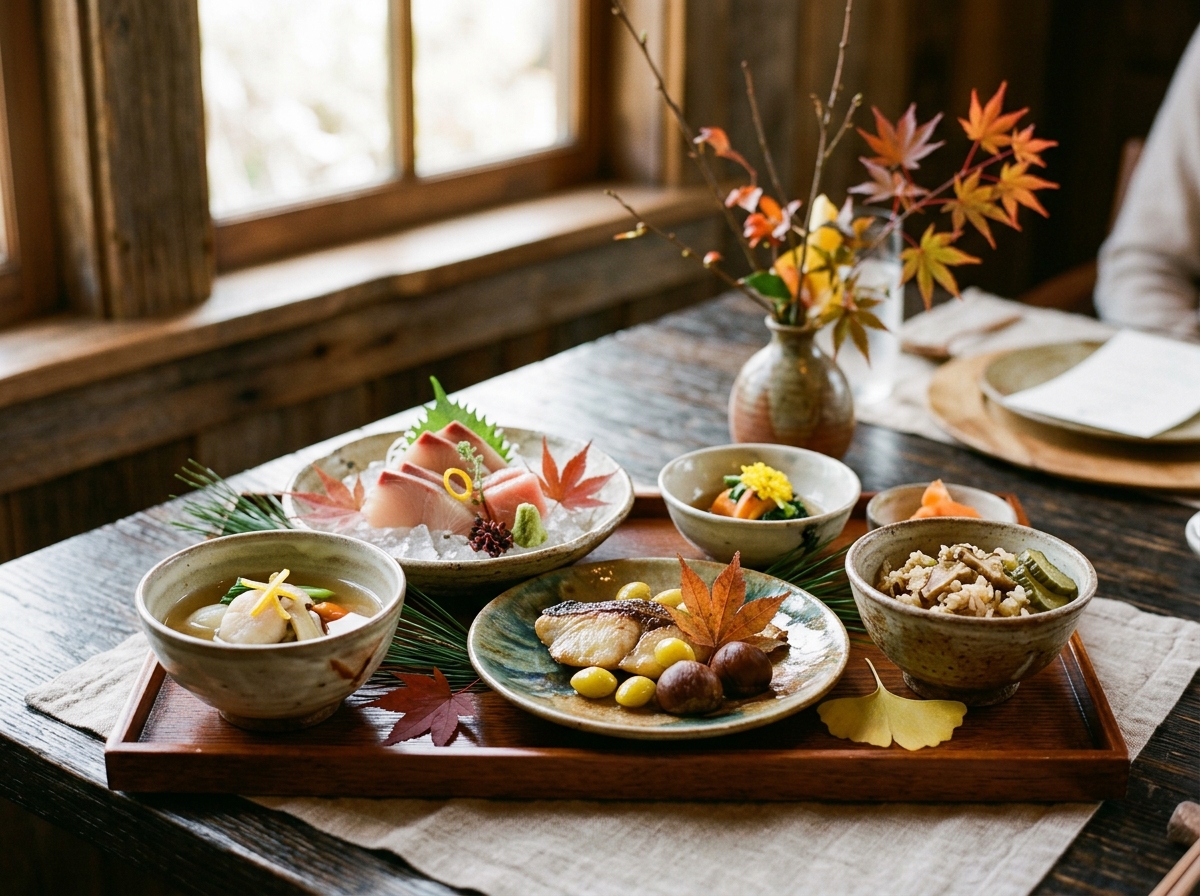
Technical precision reaches extraordinary levels. Sushi rice must be prepared to exactly body temperature. Dim sum wrappers require specific flour ratios for proper texture. Korean fermentation timing affects not just flavor but nutritional content. These aren't just cooking techniques—they're cultural practices refined over centuries.
The ingredient quality standards often exceed what American diners expect. Some fish is flown in from Japan. Vegetables are harvested at specific times of day for optimal sugar content. Spices are ground fresh multiple times daily. This obsession with perfection at the ingredient level explains why Asian Michelin restaurants often command premium prices.
Planning Your Asian Michelin Star Journey
Reservations at top Asian Michelin restaurants require strategy. The most sought-after counters book up fast and often require a deposit or prepayment, and smaller omakase counters typically release seats on a fixed schedule. Following restaurants on social media helps catch last-minute availability.
Budget accordingly. Top restaurants like Masa (now two stars, from $750 per person) and three-star Benu easily exceed $300 per person before wine. One-star restaurants typically range from $150-250 for tasting menus. Bib Gourmand selections offer Michelin-recognized quality at a price cap of $49 for two courses plus a glass of wine or dessert, before tax and tip.
Consider dietary restrictions carefully. Many Asian Michelin restaurants build menus around specific ingredients or techniques that don't easily accommodate substitutions. Call ahead to discuss options rather than hoping for accommodation on the spot.
The Future of Asian Fine Dining in America
Asian Michelin restaurants continue evolving, with second-generation Asian-American chefs creating new categories entirely. They're less concerned with authenticity than with excellence, combining techniques from multiple traditions to create distinctly American expressions of Asian flavors.
The trend toward sustainability is reshaping menus. Japanese restaurants are exploring domestic fish alternatives to reduce import dependence. Chinese establishments are partnering with local farms to grow Asian vegetables. Korean restaurants are fermenting with American grains.
Casual formats are gaining Michelin recognition. Ramen shops, dim sum parlors, and Korean barbecue restaurants prove that technique and ingredient quality matter more than white tablecloths for Michelin consideration.
Asian Michelin restaurants in America represent more than just excellent food—they're cultural bridges that have fundamentally changed how Americans think about fine dining. Whether you're seeking the zen precision of Japanese kaiseki or the bold innovation of modern Chinese cuisine, these restaurants offer experiences that extend far beyond the meal itself. As you explore Michelin star restaurants across the United States, the Asian establishments will likely provide some of your most memorable and transformative dining experiences.
Sources
- List of Michelin-starred restaurants in New York City — Wikipedia
- This NYC restaurant just lost a Michelin star (Masa) — Time Out New York (Nov 2025)
- Masa downgraded to two stars; tasting menus from $750 — West Side Rag (Dec 2025)
- Tsukiji fish market (closed 2018, moved to Toyosu) — Wikipedia
- Californios earns three Michelin stars; full Bay Area list — The San Francisco Standard (June 2026)
- List of Michelin-starred restaurants in California — Wikipedia
- Chicago's Kasama becomes a two-Michelin-star Filipino restaurant — Interaksyon (Nov 2025)
- Bib Gourmand: The Michelin Guide's most affordable restaurants — Chowhound
Last reviewed October 20, 2026. Star counts follow the most recent guide for each region; restaurants change, so check before you book.
MICHELIN, the MICHELIN Guide, the MICHELIN Star and Bib Gourmand are trademarks of Michelin. Meez is independent and is not affiliated with or endorsed by Michelin.
Related Topics
Enjoyed this article? Share it with fellow food lovers!
Import a recipe, start cooking
Paste any recipe URL and we'll turn it into a Cook Mode experience with step-by-step visuals, voice narration, and built-in timers.