

Turkish Street Food Recipes: Simit, Döner & More
Explore the vibrant world of Turkish street food with authentic recipes for simit, döner kebab, balık ekmek, and more beloved favorites. These recipes bring the bustling energy of Istanbul's streets to your kitchen.
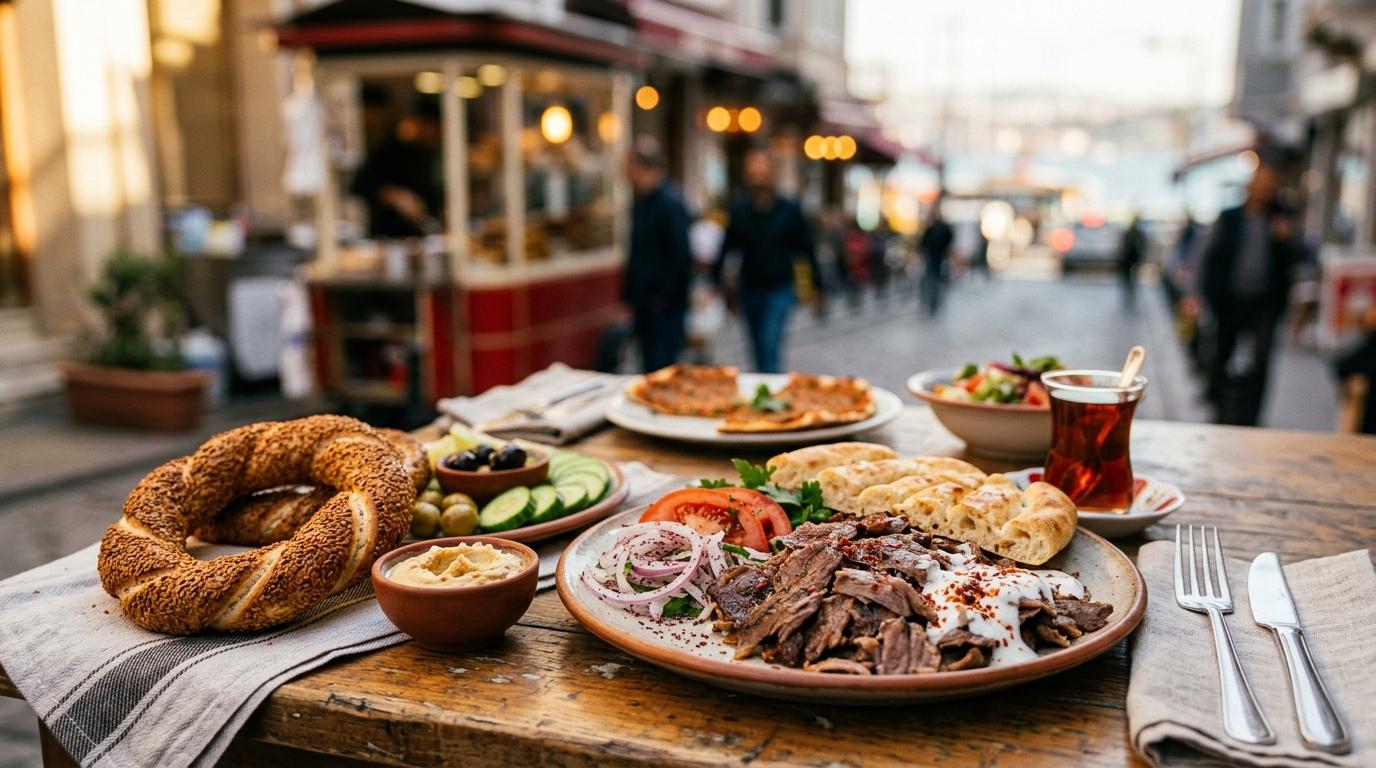
Walking through Istanbul's winding streets, you're hit with the most incredible smells — sesame-crusted bread rings sizzling on carts, lamb turning slowly over glowing coals, fresh fish grilling by the Bosphorus. Turkish street food isn't just sustenance; it's theater, community, and pure deliciousness rolled into portable perfection. While our comprehensive Turkish recipes cover the full spectrum of this magnificent cuisine, street food deserves its own spotlight for the way it captures Turkey's soul in handheld form.
These aren't watered-down approximations — we're talking about the real deal. The crispy-chewy simit that vendors balance on wooden trays throughout the city. The döner that actually tastes like the spice-laden meat you remember from that late-night Istanbul adventure. The kind of recipes that transport you straight to a bustling Turkish bazaar with your first bite.
The Heart of Turkish Street Food Culture
Turkish street food reflects centuries of cultural exchange along the Silk Road. Each dish tells a story of trade routes, Ottoman influence, and regional adaptation. What makes these foods special isn't just their flavors — it's how they're woven into daily Turkish life.
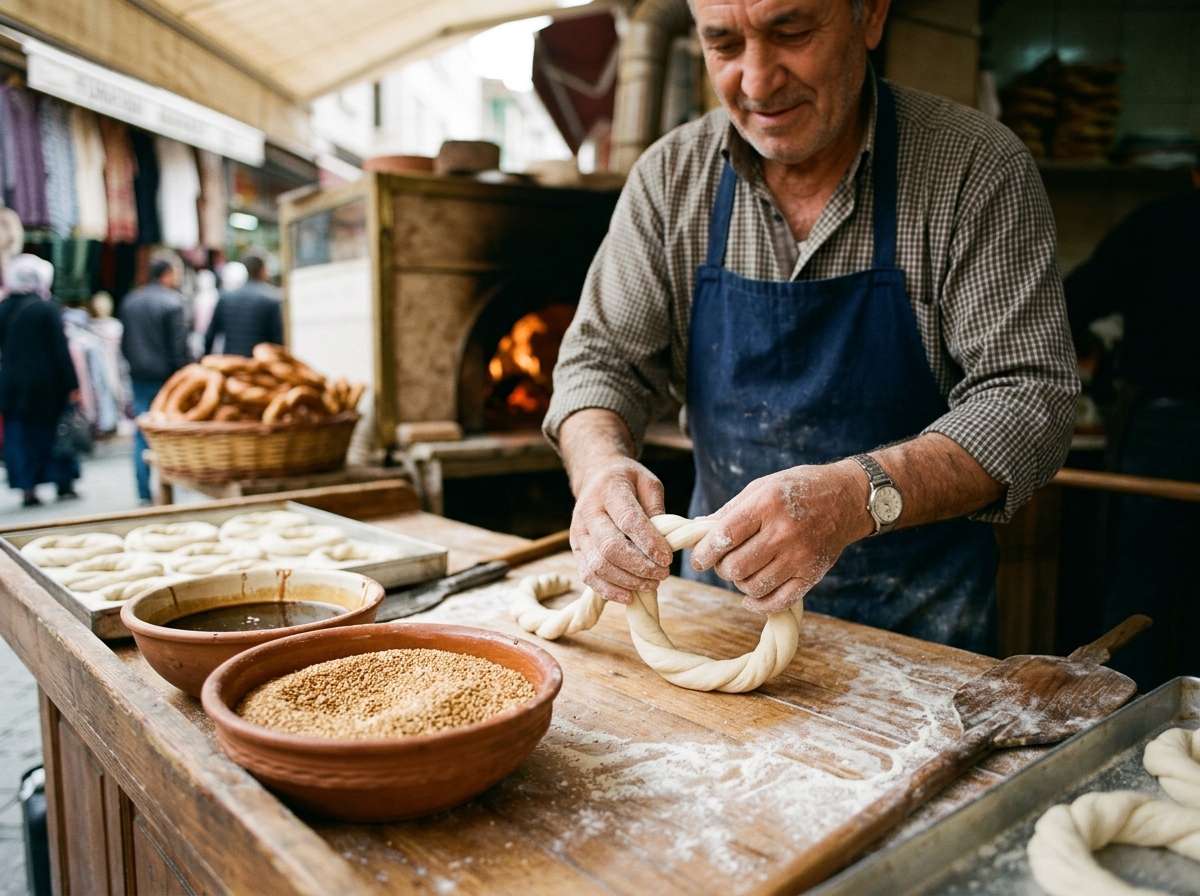
Take simit, for instance. It's not just Turkey's answer to the bagel; it's a morning ritual, a mid-afternoon snack, and sometimes dinner when paired with cheese and tea. Street vendors start their rounds before dawn, carrying towers of these golden rings on their heads or wooden trays, calling out "Simit! Taze simit!" to wake up the neighborhoods.
The beauty of Turkish street food lies in its accessibility. These aren't precious restaurant dishes requiring special equipment or hard-to-find ingredients. They're designed to be made quickly, eaten on the go, and satisfy completely. That's exactly what makes them perfect for home cooking.
Essential Turkish Street Food Recipes
Simit: The Turkish Bagel That's Actually Better
Simit beats the American bagel hands down. There, we said it. While bagels can be dense and chewy, simit achieves this incredible balance — crispy exterior giving way to a tender, slightly chewy interior with a subtle sweetness from the molasses dip.
The secret is the double cooking process. First, shaped rings get a quick dip in diluted molasses (or grape molasses if you can find it), then a roll through sesame seeds before hitting a very hot oven. This creates that distinctive glossy, dark-golden crust that shatters between your teeth.
For the dough, you want a moderate protein flour — not bread flour, which makes simit too chewy, and not all-purpose, which doesn't provide enough structure. Turkish flour sits right in the middle, but a 50-50 blend of bread and all-purpose flour works perfectly.
The molasses bath is crucial. It's not just for color — it adds a subtle sweetness and helps create that lacquered appearance. Mix 2 tablespoons molasses with 2 cups warm water. Each ring gets a 10-second dip before the sesame seed roll.
Döner Kebab: Mastering the Home Version
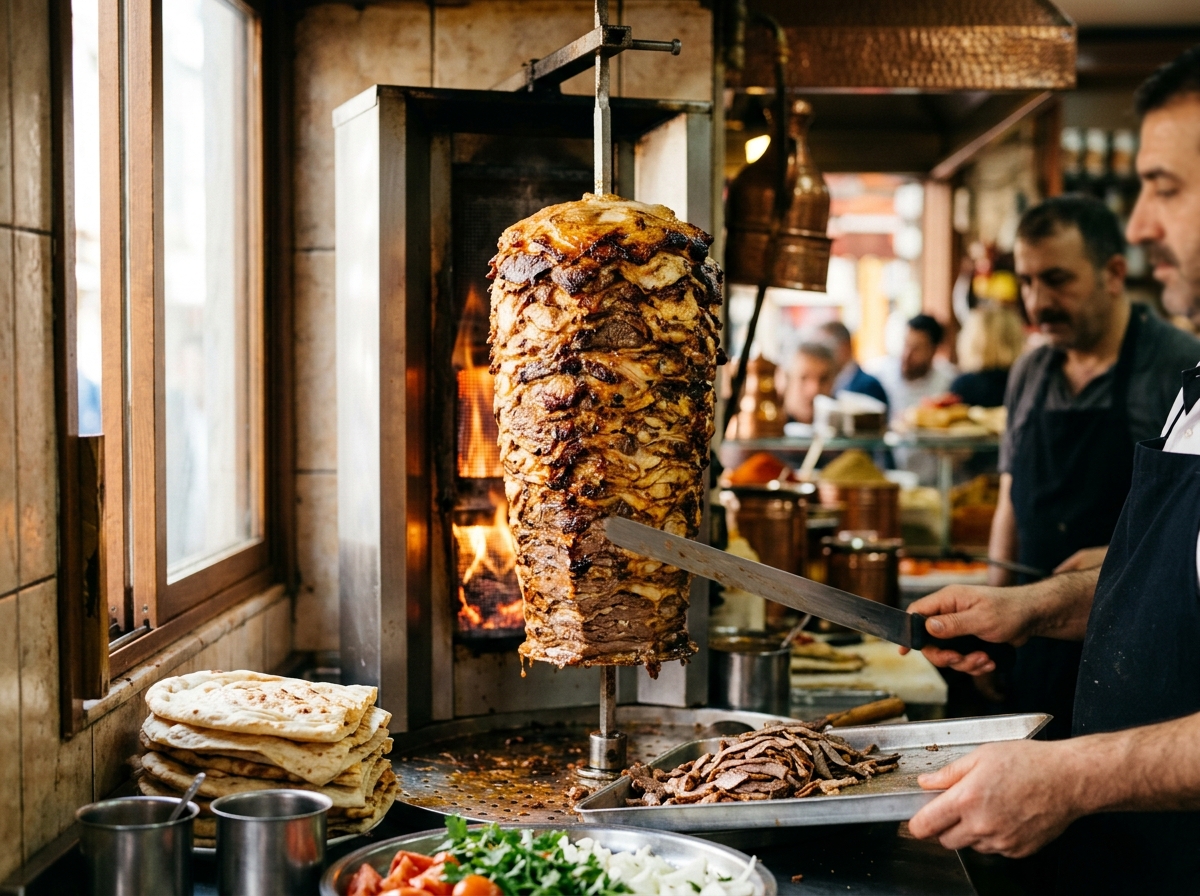
Real döner requires a vertical rotisserie and about 20 pounds of meat, which isn't happening in most home kitchens. But you can capture those essential flavors with a technique that builds layers of spiced meat in a loaf pan, then slices and crisps it in a hot skillet.
The spice blend matters enormously. Real döner shops guard their spice mixes like state secrets, but the foundation typically includes cumin, coriander, paprika, oregano, and a touch of cinnamon. Some add dried mint or sumac for brightness.
For the meat mixture, combine ground lamb and beef in roughly equal proportions. Lamb provides richness and that distinctive flavor, while beef adds structure and keeps costs reasonable. Work the spices and a small amount of grated onion into the meat mixture, then pack it firmly into a loaf pan.
After baking the meat loaf until just cooked through, let it cool completely before slicing. This step is essential — warm meat crumbles instead of slicing cleanly. Once sliced thin, the pieces get crisped in a very hot skillet until the edges caramelize.
Balık Ekmek: Istanbul's Famous Fish Sandwich
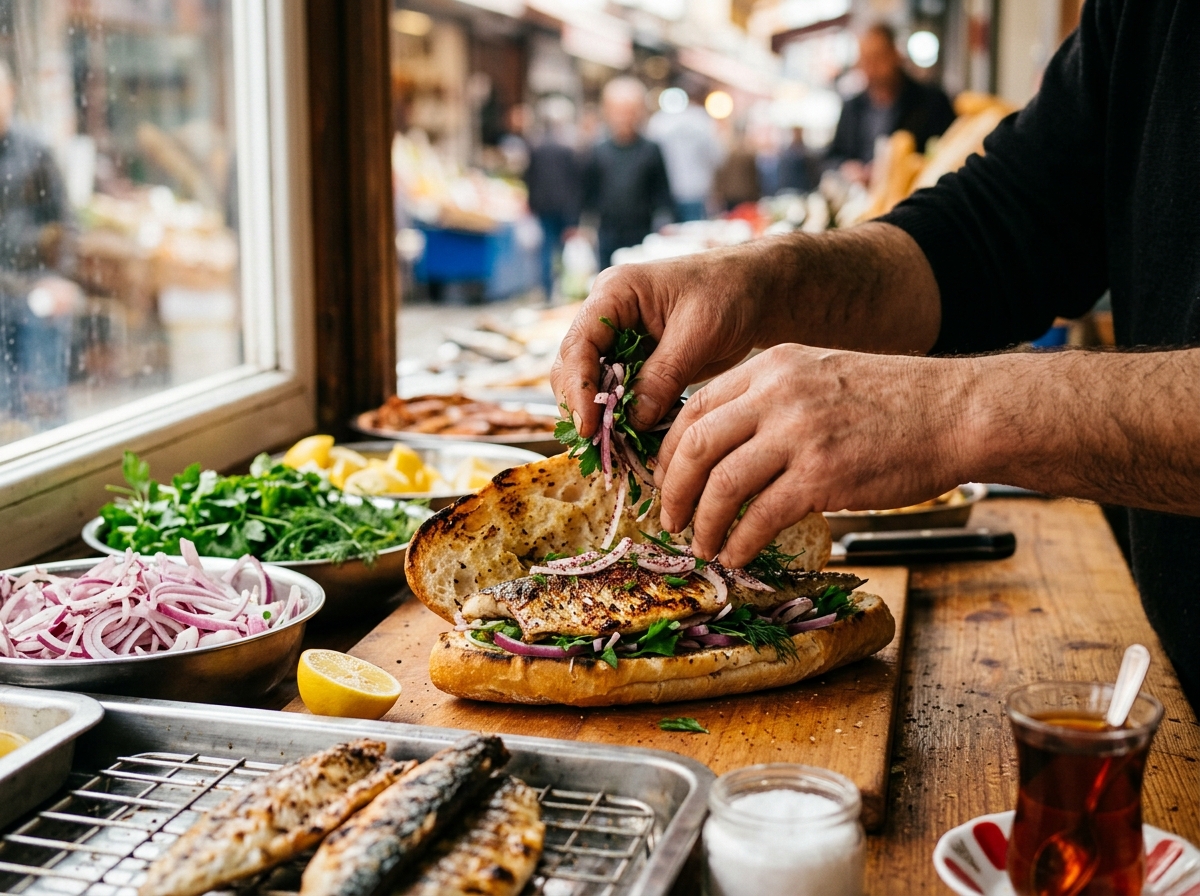
Along the Golden Horn, vendors grill fresh mackerel over portable braziers and stuff it into crusty bread with nothing more than onions, lettuce, and a squeeze of lemon. It's simple, perfect, and impossible to improve upon.
Mackerel works best because its rich, oily flesh stays moist over high heat and can stand up to bold flavors. If you can't find fresh mackerel, sardines or even salmon work, though they'll give you different results.
The bread matters as much as the fish. You want something with a crispy crust and tender interior — Turkish pide is ideal, but a good crusty roll or even thick slices of sourdough work fine. Split the bread and warm it on the grill while the fish cooks.
Kumpir: The Ultimate Loaded Potato
Kumpir takes the humble baked potato and turns it into street food art. Turkish vendors split open massive russet potatoes, mash the flesh with butter and cheese until creamy, then pile on an absurd array of toppings — corn, olives, pickles, sausage, Russian salad, and anything else that strikes their fancy.
The base potato technique is crucial. You want large russets baked until the skin crackles and the interior is completely fluffy. Don't foil-wrap them — that steams rather than bakes. Pierce all over with a fork and bake directly on the oven rack at 425°F until they give when gently squeezed.
While the potatoes are still hot, split them open and scoop out most of the flesh into a bowl. Mash with butter, grated cheese (Turkish kaşar if you can find it, otherwise a good sharp cheddar works), and season well with salt and pepper. Return this mixture to the potato shells.
Lahmacun: Turkish Pizza That's Nothing Like Pizza
Calling lahmacun "Turkish pizza" does it a disservice. These thin, crispy rounds topped with spiced ground meat are their own thing entirely — more like edible plates that you roll up and eat by hand.
The dough needs to roll paper-thin, which means it requires the right hydration and a good rest. Turkish bakers use a very wet dough that gets easier to handle after several hours of resting. Don't fight it if it tears while rolling — patch it up and keep going.
The meat topping is finely ground lamb mixed with minced tomatoes, onions, and a generous amount of Turkish red pepper paste (biber salçası). If you can't find red pepper paste, make a substitute by blending roasted red peppers with tomato paste and a pinch of hot paprika.
Key Ingredients for Authentic Turkish Street Food
Turkish street food relies on a handful of key ingredients that show up across multiple dishes. Stock your pantry with these, and you'll be able to tackle most recipes with confidence.
Turkish red pepper paste (biber salçası) appears in everything from lahmacun to certain döner marinades. It's sweet, smoky, and mildly spicy — completely different from regular tomato paste. Middle Eastern markets usually carry it, or you can order it online.
Sumac adds bright acidity to grilled meats and salads. These dried, ground berries from the sumac bush taste like concentrated lemon with a slight astringency. A little goes a long way.
Turkish oregano is more potent than the Mediterranean variety, with an almost minty brightness. If you can only find regular oregano, use about half the amount called for in recipes.
Pomegranate molasses provides the sweet-tart complexity that balances rich meat dishes. It's essentially pomegranate juice reduced to a syrup consistency. You can make your own by simmering pomegranate juice until it coats a spoon, but buying it saves time.
Sesame seeds for simit should be raw, not toasted. They'll toast in the oven and develop much better flavor than pre-toasted seeds, which can taste stale.
Techniques That Make the Difference
Turkish street food vendors have perfected their techniques over generations. Understanding a few key methods will elevate your home versions dramatically.
Heat management is crucial across all these recipes. Simit needs a very hot oven — 450°F minimum — to develop that characteristic crust. Döner requires high heat for the final crisping step. Fish for balık ekmek gets cooked over glowing coals, which you can approximate with a very hot grill or cast iron pan.
Timing matters as much as temperature. Simit dough can't be rushed — the yeast needs time to develop flavor. But once the rings are shaped and ready for baking, they should go into the oven immediately to prevent overproofing.
Seasoning happens in layers for most Turkish street foods. Meat gets seasoned during mixing, again during cooking, and often once more when serving. This builds complexity rather than just saltiness.
Serving Like a True Turkish Vendor
Presentation matters in Turkish street food culture. Vendors take pride in how their food looks, and you should too.
Simit gets torn by hand, never cut with a knife. Serve it warm with Turkish white cheese, sliced tomatoes, and strong black tea. If you can find Turkish tea glasses, use them — the thin glass lets you gauge the tea's strength and shows respect for the tradition.
Döner goes into pide bread or lavash with sliced onions, tomatoes, and a drizzle of yogurt sauce. The meat should still be sizzling slightly when it hits the bread. Some vendors add a sprinkle of sumac or a few drops of hot sauce.
Balık ekmek needs nothing more than its traditional accompaniments — thinly sliced red onion, lettuce, and lemon wedges. Don't overcomplicate it with sauces or additional vegetables. The fish is the star.
Kumpir becomes an interactive experience when you set out bowls of various toppings and let people build their own combinations. Traditional options include corn, diced pickles, sliced olives, crumbled white cheese, and Russian salad.
Making It Work in Your Kitchen
You don't need a Turkish street food cart to make authentic versions at home, but a few equipment tips will help you succeed.
A pizza stone or baking steel dramatically improves simit results by providing intense, even heat that mimics a professional oven. Preheat it for at least 45 minutes before baking.
Cast iron is your friend for döner and balık ekmek. It gets blazing hot and retains heat well, giving you those crucial crispy edges and proper searing.
A kitchen scale makes Turkish baking much more consistent. Many traditional recipes call for measurements by weight rather than volume, especially for bread doughs.
Don't skip the resting periods called for in dough recipes. Turkish bakers understand that time is an ingredient — it develops flavor and improves texture in ways that shortcuts can't replicate.
Bringing Turkey's Streets Home
Turkish street food succeeds because it balances bold flavors with comforting familiarity. These aren't exotic curiosities — they're everyday foods that happen to be extraordinary when done right. Whether you're craving the sesame crunch of fresh simit or the smoky richness of properly spiced döner, these recipes connect you directly to centuries of Turkish culinary tradition.
The beauty of mastering these techniques extends beyond individual recipes. Once you understand how to build layers of flavor the Turkish way, you'll find yourself applying these principles to other dishes in our Turkish recipes collection. The spice blends that make döner sing also elevate simple grilled meats. The bread techniques from simit improve everything you bake.
Start with whichever recipe calls to you most strongly. Maybe it's the morning ritual of fresh simit with tea, or perhaps the satisfaction of building the perfect kumpir mountain. Each one teaches you something new about Turkish flavors and techniques, bringing you closer to understanding what makes this cuisine so irresistible.
Sources & further reading
- Fish Sandwich in Istanbul (Balık Ekmek): What It Is and Where to Eat It — Yummy Istanbul
- Fish Sandwiches in Istanbul, Turkey — Turkey Travel Planner (Tom Brosnahan)
- Where to Eat Fish Sandwich (Balık Ekmek) in Istanbul: A Guide to the Best Spots — Turkish Cuisine Guide
- Balik Ekmek - Istanbul.com Blog — Istanbul.com
Related Topics
Enjoyed this article? Share it with fellow food lovers!
Import a recipe, start cooking
Paste any recipe URL and we'll turn it into a Cook Mode experience with step-by-step visuals, voice narration, and built-in timers.