

Turkish Soup Recipes: Traditional Broths That Warm the Soul
Turkish soups are more than comfort food—they're liquid history, carrying flavors that have warmed households for generations. From the bright tang of ezogelin çorbası to the rich depths of işkembe çorbası, these traditional broths tell stories of Turkish home cooking at its most nurturing.
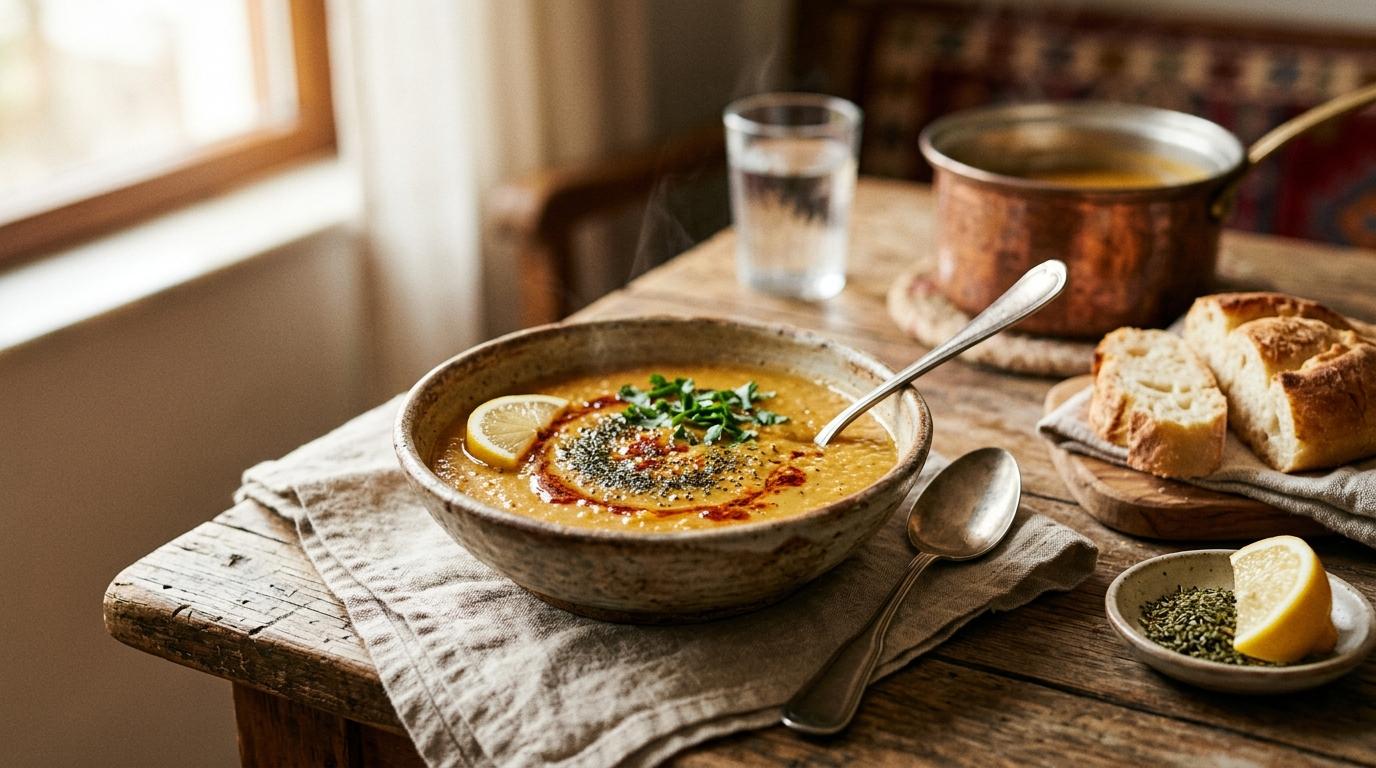
When the first autumn chill hits Istanbul, home cooks across Turkey reach for their soup ladles. Turkish soup culture runs deep—deeper than the Bosphorus itself—and these warming broths represent some of the most soul-satisfying dishes in the best Turkish recipes. From the humble red lentil soup that graces every table to the celebratory wedding soups that mark special occasions, Turkish çorbası (the word for soup) captures centuries of flavor wisdom in a single spoonful.
What makes Turkish soups special isn't just their ingredients—though the interplay of bulgur, lentils, and vegetables creates magic. It's the technique. Turkish cooks understand that soup-making is both science and art, requiring patience to coax flavors from bones, precision to balance acidity with richness, and intuition to know when that final drizzle of butter will transform good soup into great soup.
The Foundation: Understanding Turkish Soup Culture
In Turkish households, soup isn't an appetizer—it's often the main event. Unlike Western traditions where soup opens a meal, Turkish çorbası frequently stands alone as dinner, accompanied by fresh bread and perhaps some pickled vegetables. This approach makes perfect sense when you taste these soups. They're substantial, protein-rich, and designed to satisfy completely.
The Turkish soup tradition spans from the Ottoman palace kitchens to village hearths. Palace soups were elaborate affairs with delicate broths and refined seasonings, while village soups made the most of simple ingredients through masterful technique. Today's Turkish soup recipes blend both traditions, creating broths that are both elegant and deeply nourishing.
Temperature matters enormously in Turkish soup service. These soups arrive at the table genuinely hot—not lukewarm, not cooling from sitting under a heat lamp. Turkish cooks heat their bowls, serve immediately, and expect you to eat while the soup still steams. This attention to serving temperature isn't fussiness; it's understanding that many Turkish soups rely on that initial blast of heat to release their aromatics.
Mercimek Çorbası: The Red Lentil Foundation
If there's one soup every Turkish cook masters, it's mercimek çorbası—red lentil soup. This isn't the thick, earthy lentil soups you might know from other cuisines. Turkish red lentil soup achieves an almost velvety smoothness while maintaining bright, clean flavors that wake up your palate rather than weighing it down.
The secret lies in the lentil variety and the cooking method. Turkish cooks use split red lentils, which break down completely during cooking, creating natural thickening without any flour or cream. The vegetables—onion, carrot, and sometimes potato—cook until completely tender, then everything gets blitzed with an immersion blender until silky.
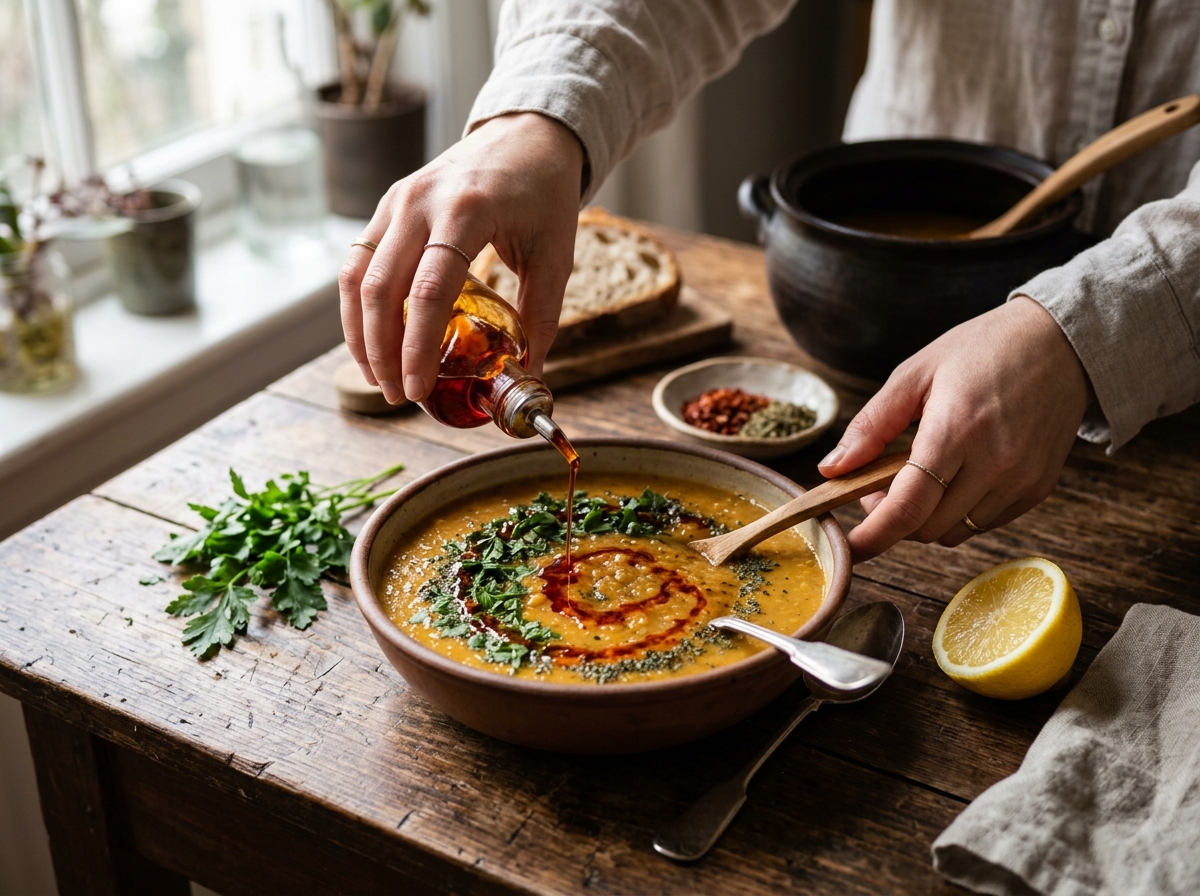
But here's what separates great mercimek çorbası from merely good: the final tempering. After the soup reaches perfect consistency, you heat butter or olive oil in a small pan until it shimmers, add a spoonful of tomato paste and paprika, let them sizzle for thirty seconds, then swirl this aromatic oil directly into the soup. This technique, called kavurma, adds depth and a slight smokiness that transforms the entire dish.
Some cooks finish their mercimek çorbası with a squeeze of lemon, others prefer it straight. Both approaches work, but the lemon brightens the earthiness of the lentils beautifully. Serve with crusty bread and maybe some crumbled feta on the side.
Ezogelin Çorbası: The Bride's Soup
Every Turkish soup has a story, but ezogelin çorbası comes with one of the most romantic. Named after a young bride who supposedly created this recipe to win over her difficult mother-in-law, ezogelin çorbası combines red lentils, bulgur, and rice in a harmony that's both comforting and sophisticated.
The technique here builds layers of flavor systematically. You start by sautéing onions until they're golden and sweet, then add tomato paste and let it caramelize slightly—this step creates the soup's distinctive deep orange color and rich flavor base. The lentils, bulgur, and rice go in next, followed by hot broth.
What makes ezogelin çorbası distinctive is its texture—chunky but not rough, with each grain of bulgur and rice distinct but tender. Unlike mercimek çorbası, this soup doesn't get blended smooth. Instead, the starches break down just enough to thicken the broth naturally while maintaining textural interest.
The seasoning blend typically includes paprika, cumin, and dried mint. That last ingredient—dried mint—might surprise you, but it adds an unexpected brightness that lifts the earthy lentils and grains. Some regions add a pinch of cinnamon, which sounds odd but works beautifully with the other warm spices.
Düğün Çorbası: Wedding Soup Elegance
Turkish wedding soup bears no resemblance to Italian wedding soup. This is a delicate, lemony broth traditionally served at celebrations, made with lamb or chicken stock, small meatballs, and a distinctive egg-lemon finish called terbiye.
The meatballs in düğün çorbası are tiny—marble-sized—and made with very finely ground meat mixed with rice, onion, and herbs. They're poached directly in the simmering broth, which means they stay incredibly tender while also enriching the soup base. Some cooks pre-form the meatballs, others drop spoonfuls of the mixture directly into the pot.
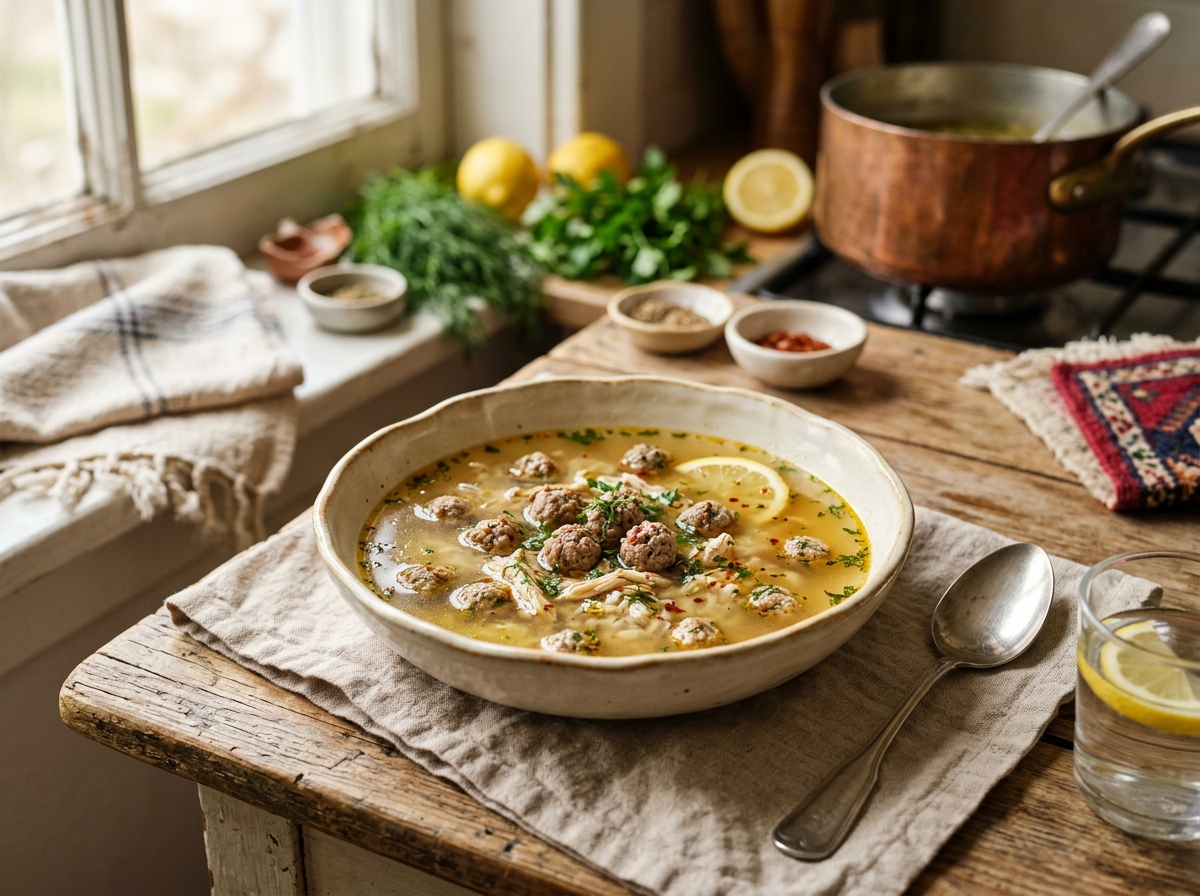
The terbiye technique deserves special attention because it appears in several Turkish soups. You whisk egg yolks with lemon juice, then slowly add hot broth while whisking constantly to temper the eggs. This mixture gets stirred back into the pot, creating a silky, slightly thickened broth with bright acidity. The key is temperature control—add the terbiye off heat, or your eggs will curdle.
Düğün çorbası represents Turkish soup-making at its most refined. The broth should be crystal clear, the meatballs perfectly round and tender, the lemon balanced but noticeable. It's festive food that doesn't rely on rich ingredients—just precise technique and quality stock.
Key Ingredients for Turkish Soup Success
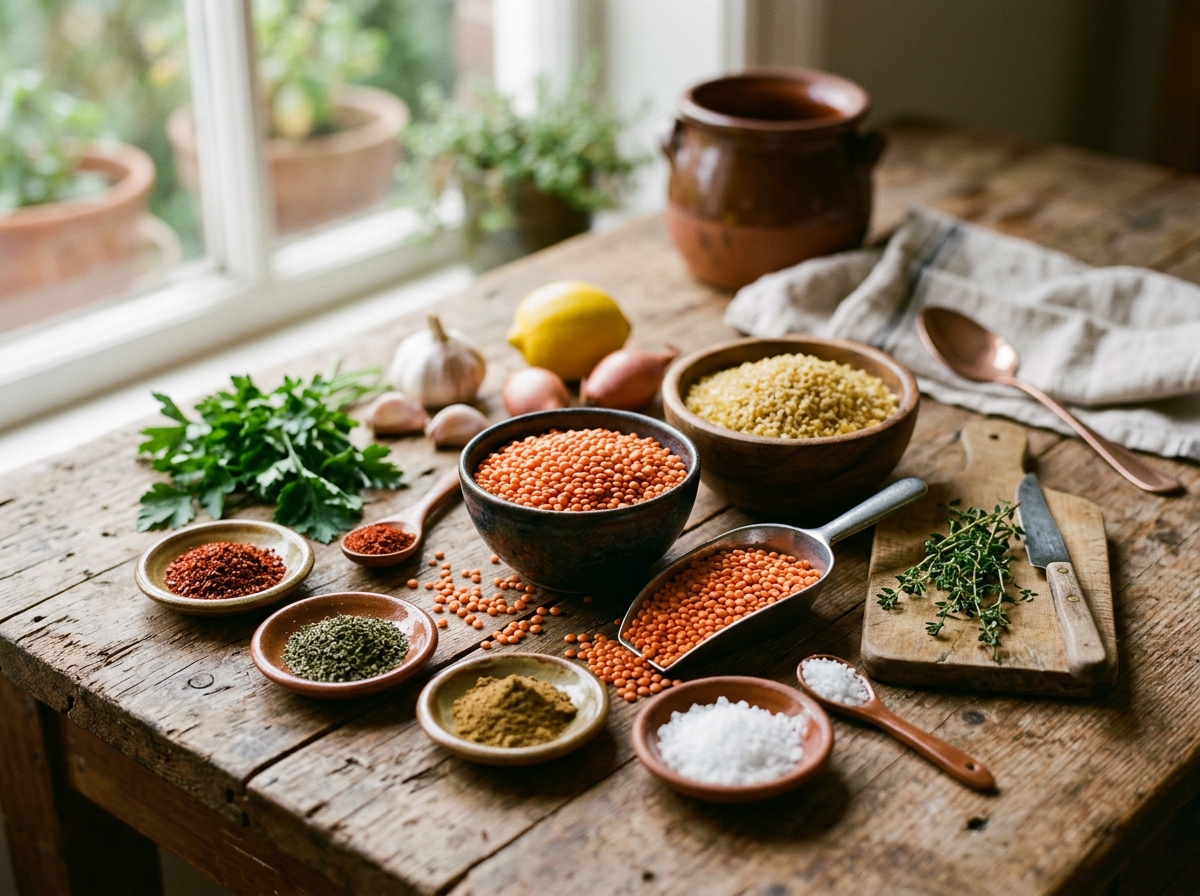
Turkish soup recipes depend on a relatively small pantry of ingredients, but quality matters enormously. Red lentils should be bright orange and split cleanly—avoid any that look dusty or have many broken pieces. Turkish markets sell lentils specifically labeled for soup-making, and they're worth seeking out.
Bulgur comes in different grades, and soup recipes typically call for fine bulgur rather than the coarse variety used in pilafs. Fine bulgur cooks quickly and integrates smoothly into broths without becoming mushy.
For the spice cabinet, invest in good paprika—preferably sweet Hungarian or Turkish varieties. The paprika in Turkish soups isn't just for color; it adds genuine flavor depth. Dried mint should smell intensely minty when you crush it between your fingers. If your dried mint smells like hay, it's too old.
Turkish tomato paste (salça) has a more concentrated flavor than most Western varieties. If you can't find it, use double-concentrate tomato paste and reduce the quantity slightly. The paste should be deep red, almost burgundy, and thick enough to hold its shape on a spoon.
Stock quality makes or breaks Turkish soups. These recipes were developed assuming good homemade stock, though high-quality store-bought works in a pinch. The stock should taste like the animal it came from—rich, slightly gelatinous when cold, and well-seasoned but not salty.
Advanced Techniques: Mastering the Details
Turkish soup mastery lies in understanding a few key techniques that appear across multiple recipes. The kavurma—that final tempering of oil, tomato paste, and spices—transforms soups from simple to sophisticated. Heat your oil until it shimmers but doesn't smoke, add your paste or spices, let them sizzle briefly, then immediately add to the soup.
Terbiye, the egg-lemon thickening technique, requires patience and steady whisking. Always temper your egg mixture with hot broth first, adding it gradually while whisking. Never add terbiye to boiling soup—the residual heat should be enough to thicken the mixture without curdling the eggs.
Texture control comes from understanding how different ingredients break down. Red lentils dissolve completely, bulgur softens but holds its shape, rice becomes tender but remains distinct. Plan your cooking times so everything finishes simultaneously.
Seasoning Turkish soups requires tasting throughout the cooking process, not just at the end. The balance between acidity (from lemon or tomato), richness (from stock and fats), and warmth (from spices) should evolve as the soup cooks. What tastes balanced early in cooking might need adjustment after the flavors have had time to marry.
Regional Variations and Seasonal Adaptations
Turkish soup recipes vary significantly by region, reflecting local ingredients and preferences. Black Sea region soups often feature cabbage and beans, reflecting the area's agricultural traditions. Southeastern Turkish soups incorporate more heat from peppers and complex spice blends influenced by neighboring cuisines.
Seasonal variations make perfect sense in Turkish cooking. Winter soups tend to be heartier, with more meat and grains. Summer versions might feature more vegetables and lighter broths. Spring soups celebrate early greens and herbs, while autumn recipes make the most of the harvest bounty.
These seasonal adjustments aren't arbitrary—they reflect both ingredient availability and the body's changing needs throughout the year. A rich, meaty soup perfect for January snow feels heavy in July heat, while a light vegetable broth delightful in summer won't satisfy during winter's demands.
Serving and Presentation Traditions
Turkish soups arrive at the table with specific accompaniments that aren't optional garnishes—they're integral to the eating experience. Fresh bread, usually crusty and torn rather than sliced, serves for dipping and sopping. Pickled vegetables provide acidic contrast to rich broths. Lemon wedges appear alongside soups that benefit from brightness.
The serving style matters too. Turkish soups get ladled into warmed bowls and served immediately. No one waits for the whole table to be served—you eat while it's genuinely hot. This urgency isn't rudeness; it's understanding that these soups taste best at peak temperature.
Some soups receive final garnishes at the table—a drizzle of good olive oil, a sprinkle of paprika, or fresh herbs torn by hand. These last-minute additions provide aromatic impact and visual appeal, but they also add textural and flavor contrasts that complete the dish.
Bringing Turkish Soup Traditions Home
Mastering Turkish soup recipes connects you to generations of home cooks who understood that good soup requires both technique and intuition. These aren't complicated recipes, but they reward attention to detail and respect for traditional methods.
Start with mercimek çorbası—it's forgiving, uses common ingredients, and teaches you the fundamental techniques you'll use in more complex soups. Once you've mastered the basic method, experiment with ezogelin çorbası to understand how grains and lentils work together.
The beauty of Turkish soup cooking lies in its scalability. These recipes work as well for a family dinner as they do for feeding a crowd. They also freeze beautifully, though you might want to adjust seasoning after thawing since flavors can mute slightly during storage.
Turkish soup culture celebrates the idea that simple ingredients, treated with respect and skill, create profound satisfaction. These recipes represent some of the most nurturing cooking in the world—food that warms not just your body but your spirit. As you explore more Turkish recipes, you'll find this same philosophy running through the cuisine: excellence through simplicity, comfort through tradition, and always, always, the understanding that food cooked with care feeds both body and soul.
Sources & further reading
- İşkembe Çorbası — Atlas Obscura (Gastro Obscura)
- The Great Soup Spat: Greece and Turkey Face Off Over "Patsas" — GreekReporter.com
- Tripe soup — Wikipedia
Related Topics
Enjoyed this article? Share it with fellow food lovers!
Import a recipe, start cooking
Paste any recipe URL and we'll turn it into a Cook Mode experience with step-by-step visuals, voice narration, and built-in timers.