

Turkish Kebab Recipes: Master the Art of Turkish Grilling
Turkish kebabs represent centuries of grilling mastery, where the right spice blend meets perfect technique. Learn the authentic recipes and methods that make Turkish kebabs legendary across the world.
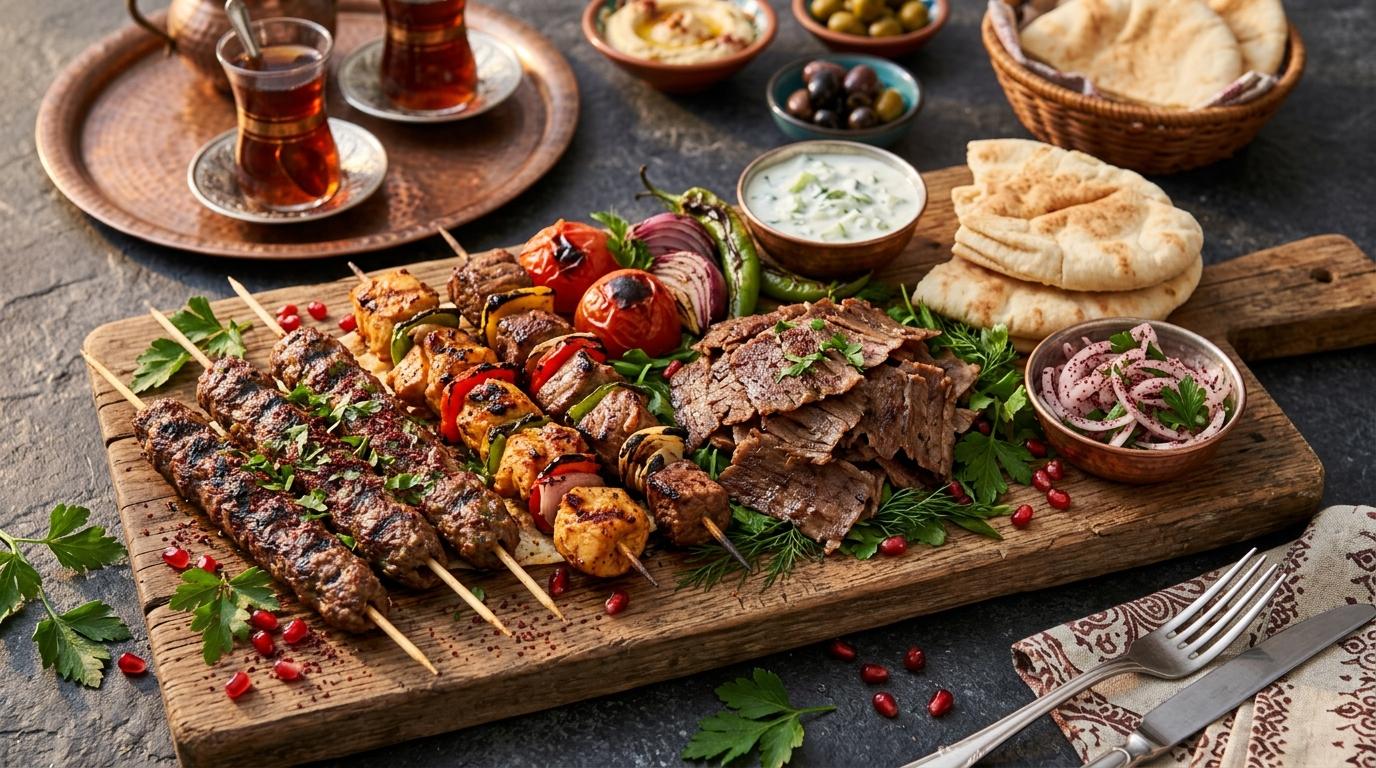
Walk through any Turkish neighborhood and you'll smell it before you see it — that unmistakable aroma of meat hitting hot coals, seasoned with centuries of tradition. Turkish kebabs aren't just grilled meat; they're a masterclass in balancing fire, spice, and technique that's been perfected over generations. Whether you're exploring our comprehensive guide to Turkish recipes or diving deep into kebab culture, understanding these grilling fundamentals will transform your backyard into a Turkish grill house.
The word "kebab" itself comes from Arabic, meaning "to roast," but Turkey has made it an art form. From the towering döner wheels spinning in restaurant windows to the perfectly charred şiş kebabs sizzling over open flames, Turkish kebab culture spans regions, techniques, and flavors that would take a lifetime to master.
The Foundation: Understanding Turkish Kebab Types
Turkish cuisine recognizes dozens of kebab varieties, each with distinct preparation methods and regional characteristics. The most foundational types form the backbone of Turkish grilling.
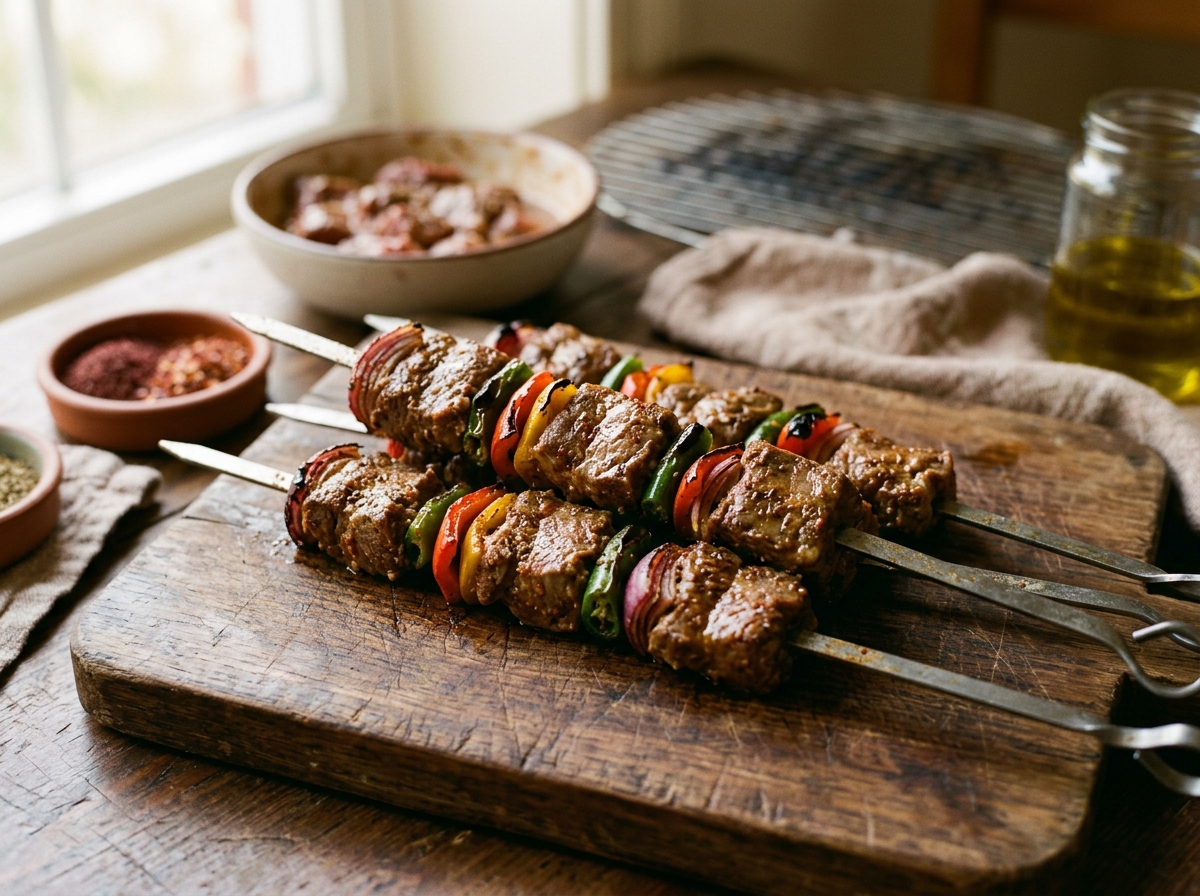
Şiş Kebab represents the classic skewer approach — cubed meat threaded onto metal rods and grilled over direct heat. The key lies in the cube size (roughly 1.5 inches) and the spacing between pieces, allowing heat to circulate while maintaining juiciness.
Köfte Kebab takes ground meat formed into oval or cylindrical shapes, seasoned heavily with herbs and spices. Unlike Western meatballs, Turkish köfte achieves its signature texture through a specific kneading technique that develops protein strands.
Döner Kebab involves layers of marinated meat stacked on a vertical spit, cooking slowly as it rotates. While restaurant döner requires specialized equipment, home versions use similar marinades applied to larger cuts that can be sliced thin after grilling.
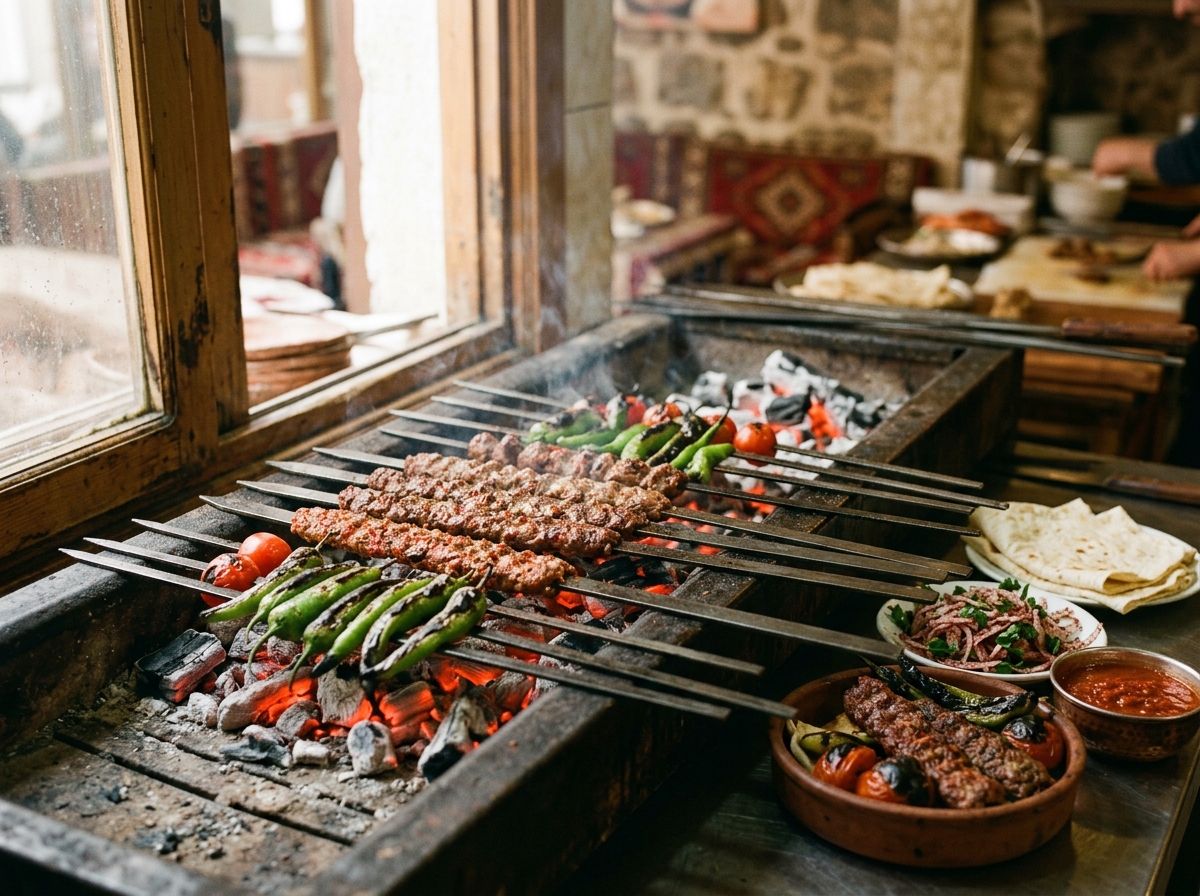
Adana Kebab gets its name from the southeastern city famous for its spicy ground meat kebabs. The mixture includes a significant amount of tail fat, creating the characteristic rich texture and allowing the meat to hold together without binders.
Essential Turkish Spice Blends and Marinades
Turkish kebab marinades work differently than Mediterranean versions. Rather than relying on acid to tenderize, Turkish cooks use specific spice combinations that enhance rather than mask the meat's natural flavor.
Red Pepper Paste (Biber Salçası) forms the backbone of many marinades. This concentrated paste adds sweetness, mild heat, and the deep red color characteristic of Turkish grilling. Mix it with olive oil and yogurt for a base marinade.
Turkish Seven Spice (Baharat) typically includes black pepper, cardamom, cinnamon, cloves, cumin, coriander, and nutmeg. Each spice is toasted individually before grinding, creating layers of flavor that develop during cooking.
Sumac provides the bright, lemony acidity that cuts through rich meats without the harshness of vinegar. Sprinkle it over finished kebabs or incorporate it into yogurt-based sauces.
A classic Turkish kebab marinade combines two tablespoons red pepper paste, one cup full-fat yogurt, three cloves minced garlic, one tablespoon olive oil, one teaspoon each of cumin and coriander, and salt to taste. The yogurt tenderizes gently while the spices penetrate the meat.
Mastering Turkish Grilling Techniques
Turkish grilling prioritizes consistent medium-high heat over blazing flames. The goal is thorough cooking with proper browning, not the aggressive charring that overwhelms delicate spice blends.
Charcoal Selection matters significantly. Turkish grill masters prefer hardwood charcoal that burns hot and clean, avoiding the chemical additives in briquettes that can impart off-flavors. Oak and olive wood charcoals are traditional favorites.
Heat Management involves creating zones on your grill. Bank coals to one side for direct high heat, leaving a cooler zone for gentler cooking. Start kebabs over direct heat to develop color, then move them to indirect heat to finish cooking through.
Skewer Technique prevents meat from spinning when you turn the skewer. Thread cubes so the grain runs parallel to the skewer, and alternate with small pieces of onion or bell pepper to create natural spacers.
Classic Turkish Şiş Kebab Recipe
This recipe represents the foundational technique that applies to most Turkish kebab preparations. Start with lamb shoulder or leg, cut into uniform cubes with some fat content for flavor and moisture.
For two pounds of lamb, combine half a cup yogurt, three tablespoons red pepper paste, four cloves minced garlic, two teaspoons ground cumin, one teaspoon sweet paprika, one teaspoon ground coriander, half a teaspoon black pepper, and salt to taste.
Marinate the meat for at least four hours, though overnight develops better flavor. The yogurt enzymes work slowly, so longer marinating times improve tenderness without making the meat mushy.
Thread onto flat metal skewers, leaving small gaps between pieces. Grill over medium-high coals, turning every three to four minutes. Total cooking time runs eight to twelve minutes for medium doneness, depending on cube size.
Rest the finished kebabs for five minutes before serving. This allows juices to redistribute and makes the meat more tender.
Regional Variations and Specialized Techniques
Different Turkish regions have developed distinct approaches to kebab preparation, each reflecting local ingredients and preferences.
Southeastern Style emphasizes heat and bold spicing. Authentic Adana Kebabs exemplify this approach with their fiery pepper blends and high fat content that keeps the meat moist during aggressive grilling.
Western Turkish Style takes a more moderate approach to spicing, allowing the meat quality to shine. These kebabs often include fresh herbs like parsley and mint mixed directly into the meat.
Black Sea Region incorporates local hazelnuts and herbs, creating unique flavor profiles that differ significantly from the more familiar southeastern styles.
Istanbul Street Style focuses on quick cooking over very hot fires, creating the charred exterior and juicy interior that makes Iskender Kebab such a beloved street food.
Accompaniments and Traditional Serving Methods
Turkish kebabs rarely appear alone on the plate. Traditional accompaniments enhance rather than compete with the grilled meat flavors.
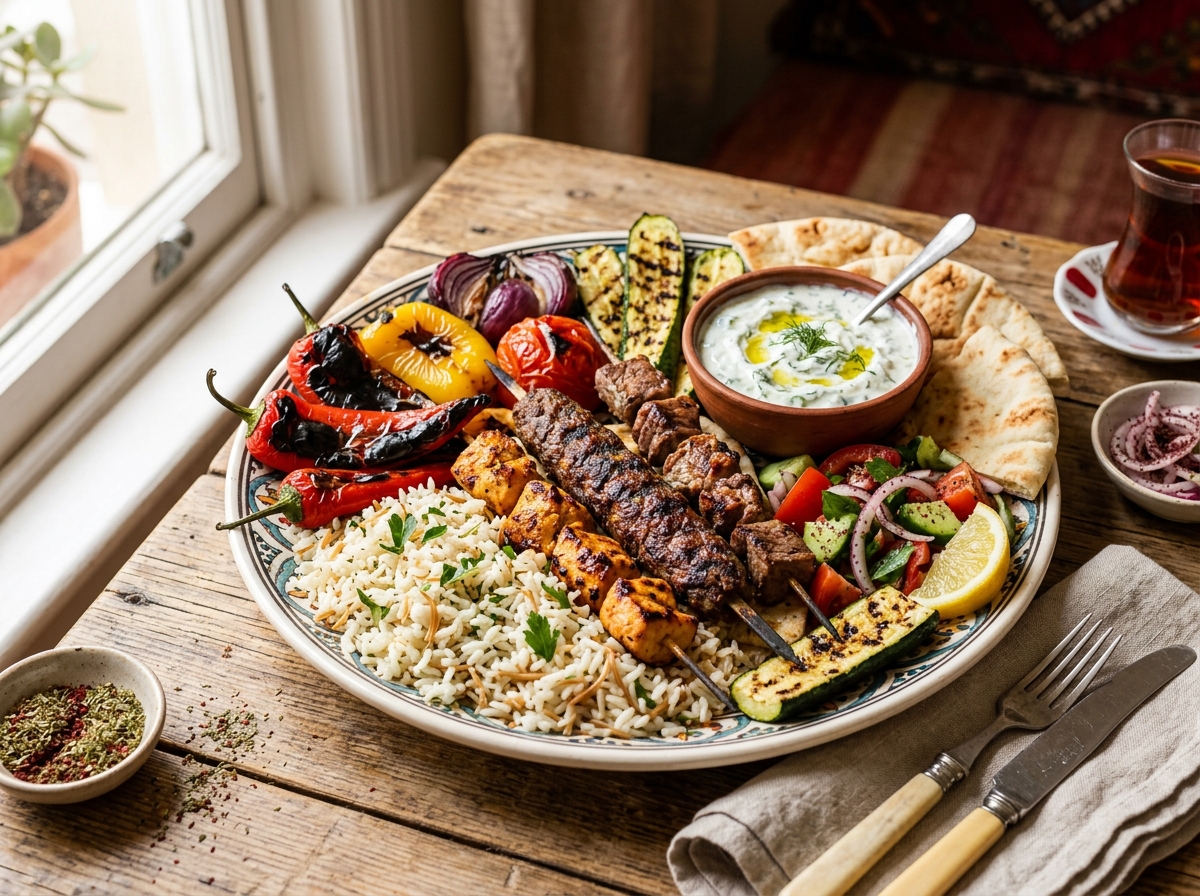
Turkish Rice (Pilav) provides a neutral base that absorbs the meat juices and sauce. Cook basmati rice with a small amount of butter and chicken stock for authentic flavor.
Grilled Vegetables typically include tomatoes, peppers, and onions that cook alongside the meat. The vegetables develop sweet, smoky flavors that complement the spiced meat.
Turkish Bread serves as both accompaniment and utensil. Warm pide or lavash bread wraps around the kebab meat, creating handheld portions perfect for casual eating.
Yogurt Sauce cuts the richness of fatty meats while adding cooling contrast to spicy preparations. Mix thick Greek yogurt with minced garlic, salt, and fresh herbs.
Troubleshooting Common Kebab Problems
Even experienced grill cooks encounter challenges when adapting Turkish techniques to home equipment and ingredients.
Dry, Overcooked Meat usually results from insufficient fat content or excessive heat. Choose cuts with natural marbling, and don't be afraid of slightly pink centers in lamb and beef.
Meat Falling Off Skewers indicates improper threading technique or overly tender marinades. Thread against the grain and limit acidic marinades to four hours maximum.
Uneven Cooking comes from inconsistent cube sizes or poor heat management. Cut meat uniformly and maintain steady temperatures by adding coals gradually rather than all at once.
Bland Flavor often means insufficient seasoning or marinating time. Turkish kebabs require generous seasoning and patience for flavors to develop.
Advanced Techniques for Kebab Mastery
Once you've mastered basic kebab preparation, several advanced techniques can elevate your Turkish grilling.
Fat Rendering involves strategic placement of fatty pieces to self-baste leaner cuts during cooking. Position fat pieces at skewer ends where they render first and drip down.
Smoke Integration uses soaked wood chips or herbs thrown onto coals for aromatic smoke. Oregano stems and bay leaves create distinctly Turkish smoke flavors.
Temperature Staging starts kebabs over high heat for browning, then moves them to cooler zones for gentle finishing. This technique prevents overcooking while ensuring proper color development.
Modern Adaptations for Home Cooks
Turkish kebab techniques adapt well to modern home equipment while maintaining authentic flavors and textures.
Gas Grill Adaptations require creating heat zones manually. Run one side on high heat for browning, keep the other side on medium for finishing. Use a cast iron pan on the cooler side to catch drippings for sauce.
Indoor Alternatives include cast iron grill pans or broiler techniques. While these don't replicate charcoal flavors exactly, proper seasoning and technique still produce excellent results.
Make-Ahead Strategies allow busy cooks to prep marinades and skewer meat in advance. Assembled kebabs hold well in the refrigerator for up to 24 hours before grilling.
The Complete Turkish Kebab Experience
Mastering Turkish kebab recipes opens doors to understanding broader Turkish cooking principles — the balance of spice and meat, the importance of technique over shortcuts, and the social nature of grilled food.
These techniques form the foundation for exploring the full range of Turkish recipes that make this cuisine so compelling. Start with basic şiş kebab, perfect your marinade balance, and gradually work toward more complex preparations.
Turkish kebab mastery takes time, but every grilling session builds your understanding of how heat, spice, and technique work together. Soon you'll be creating the kind of aromatic, perfectly seasoned kebabs that transport you straight to a Turkish grill house — no matter where your backyard happens to be.
Sources & further reading
- Turkish Herb and Spice Mix (Baharat Karisimi) — Saveur
- I Fell in Love with Döner Kebab in Istanbul — and Recreated It at Home — The Mediterranean Dish
- History of Kebab: From Ottoman Empire to Modern Day — Hatay Turkish Restaurant
- The Definitive Digital Atlas of Turkish Kebabs Heritage — Kebabs.com.tr
Related Topics
Enjoyed this article? Share it with fellow food lovers!
Import a recipe, start cooking
Paste any recipe URL and we'll turn it into a Cook Mode experience with step-by-step visuals, voice narration, and built-in timers.