

Turkish Cooking Techniques: Master Traditional Methods
Turkish cuisine's distinctive flavors come from time-tested cooking techniques passed down through generations. From clay pot braising to tandoor-style baking, these traditional methods create the complex, layered tastes that define authentic Turkish cooking.
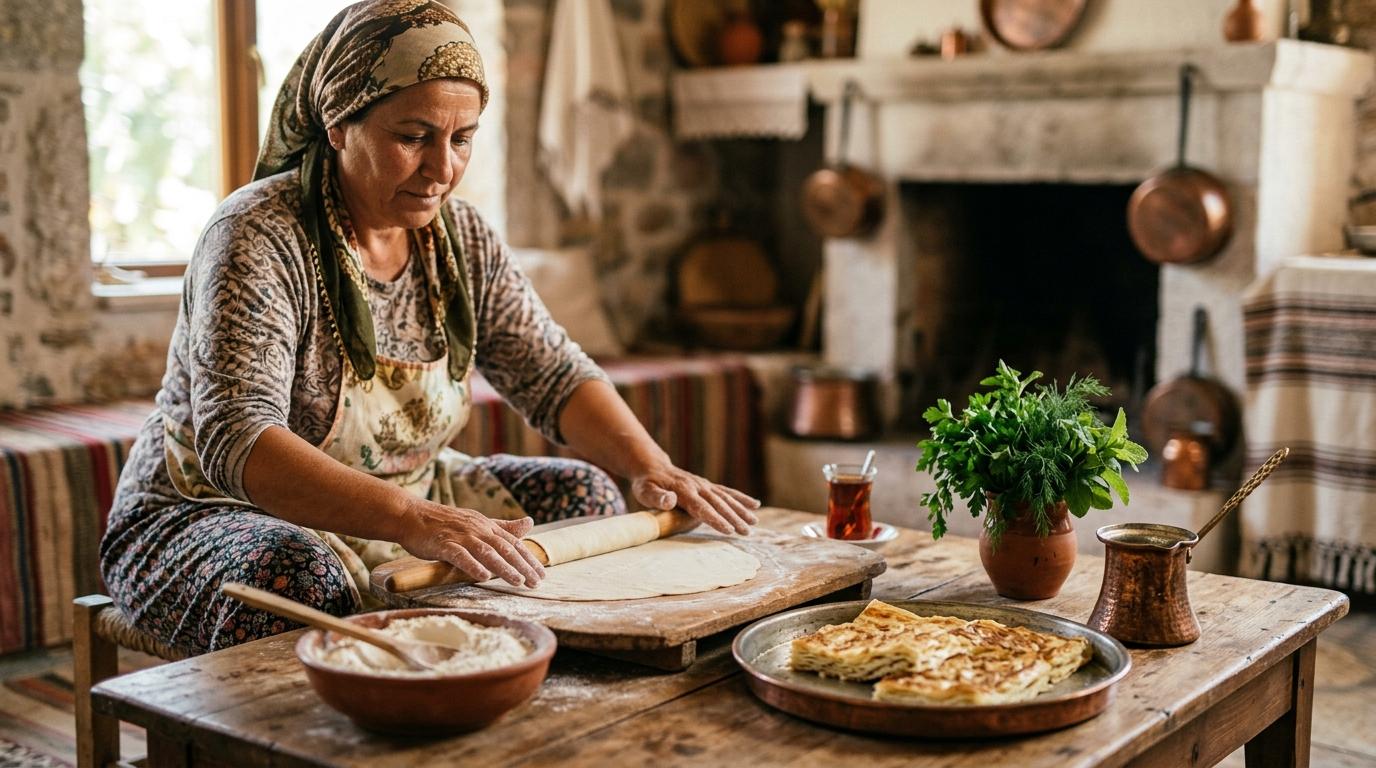
The magic of Turkish cuisine doesn't just lie in its ingredients—it's in the centuries-old techniques that transform simple elements into extraordinary dishes. Whether you're exploring the full range of Turkish recipes or diving deep into specific cooking methods, understanding these traditional techniques will elevate your cooking and help you create authentic flavors that transport you straight to Istanbul's bustling kitchens.
Turkish cooking techniques have been refined over millennia, blending influences from Central Asian nomadic traditions, Byzantine methods, and Ottoman palace cuisine. These aren't just recipes—they're cultural practices that connect modern cooks to a rich culinary heritage.
Clay Pot Cooking: The Foundation of Turkish Flavor
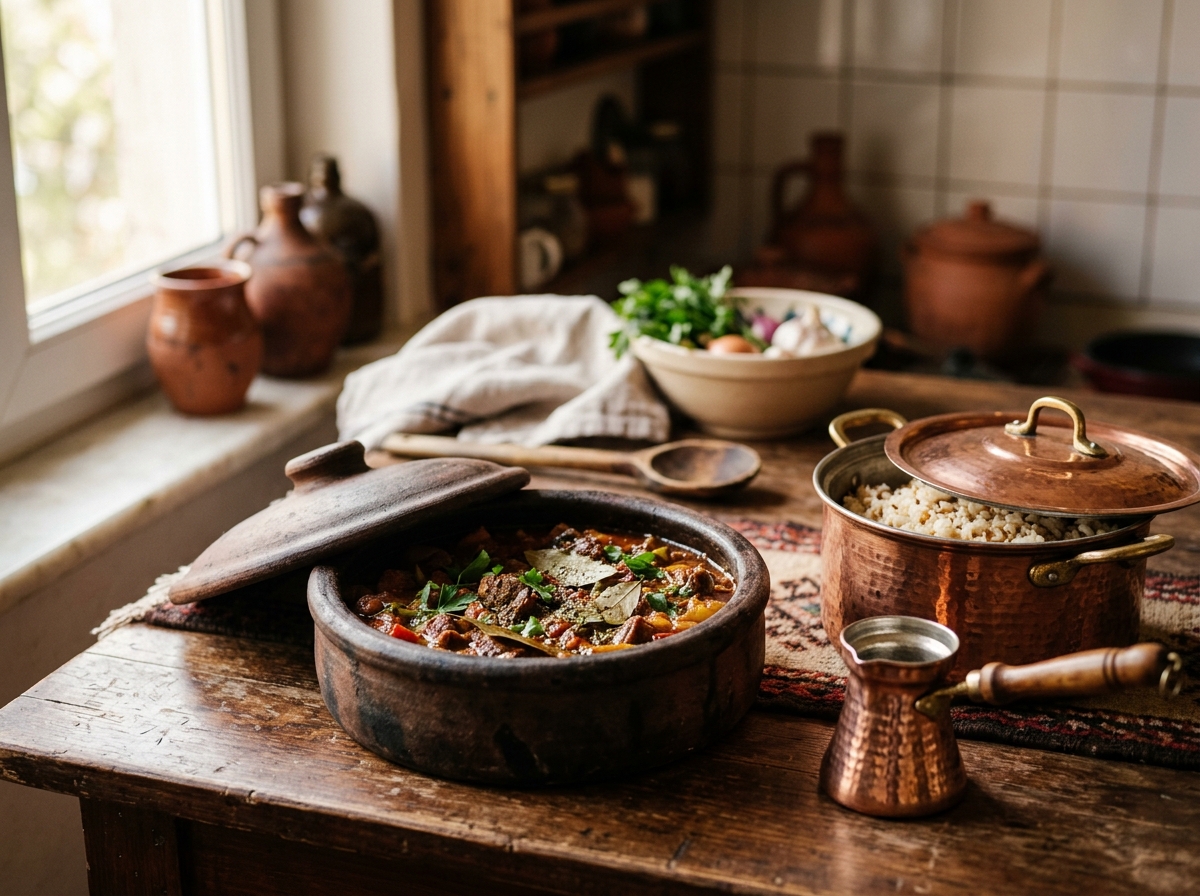
Clay pot cooking, known as "güveç" in Turkish, forms the backbone of traditional Turkish cuisine. These unglazed terra cotta vessels create a unique cooking environment that no modern cookware can replicate.
The porous clay allows moisture to evaporate slowly while retaining heat evenly. This creates a natural steam-braising effect that keeps proteins tender while concentrating flavors. The clay also imparts a subtle mineral taste that Turkish cooks prize.
Before first use, Turkish clay pots require seasoning. Soak the pot in cold water for several hours, then place it in a cold oven and gradually heat to 400°F. This prevents cracking and strengthens the clay structure.
When cooking in clay, always start with a cold pot and cold liquid. The gradual heating prevents thermal shock that could crack the vessel. Traditional dishes like lamb güveç or vegetable casseroles showcase this technique beautifully, developing deep, concentrated flavors impossible to achieve in metal pans.
The Art of Turkish Grilling
Turkish grilling techniques go far beyond simply cooking meat over fire. The traditional method uses specific wood types, precise heat control, and timing that creates the distinctive char and smokiness of authentic Turkish kebabs.
Charcoal from oak or fruitwood provides the preferred heat source. Turkish grill masters build fires that create zones of different temperatures—intense direct heat for searing, and cooler indirect areas for gentle cooking through.
The key lies in the distance between food and coals. Traditional Turkish grills, called "mangal," position meat 8-10 inches above the coals. This allows the fat to render slowly while the exterior develops that coveted char without burning.
Skewer placement follows specific rules too. Adana kebabs use flat, wide skewers that conduct heat into the meat's center while the outside crisps. The constant turning—every 30 seconds initially, then less frequently—ensures even cooking without drying out the interior.
Slow-Simmering Stews and Braises
Turkish stews, or "yahniler," employ a technique that builds layers of flavor through careful temperature control and timing. Unlike Western braising that often uses high initial heat, Turkish methods favor gentle, sustained cooking.
The process starts with sweating aromatics—onions, garlic, peppers—in olive oil over the lowest possible heat. This can take 15-20 minutes, but the slow cooking prevents bitterness while developing sweetness.
Tomato paste gets special treatment in Turkish cooking. Rather than adding it raw, cooks sauté it briefly with the aromatics until it darkens and loses its raw edge. This "kavurma" technique eliminates acidity and concentrates flavor.
Liquid additions happen gradually. Turkish cooks add hot broth or water in stages, allowing each addition to reduce slightly before adding more. This concentrates flavors while preventing the temperature shock that could toughen proteins.
Traditional Bread and Pastry Techniques
Turkish bread-making employs techniques that create the distinctive textures and flavors of authentic Turkish breads and pastries.
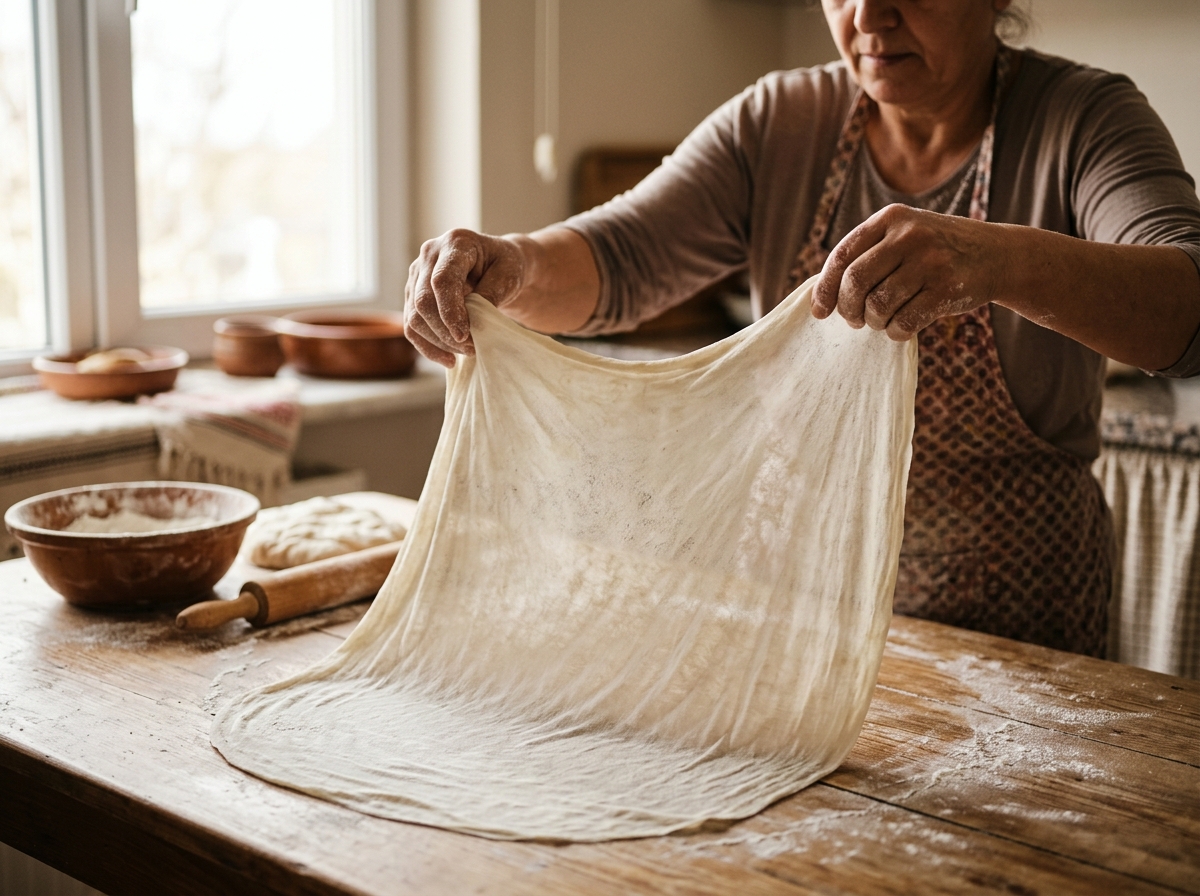
Yufka, the paper-thin pastry used in börek and baklava, requires a technique called "oklava" rolling. Using a thin, long rolling pin, bakers stretch the dough with swift, precise movements that create sheets so thin you can read through them.
The dough itself contains only flour, water, and a touch of oil—no eggs or butter. The elasticity comes from proper gluten development through kneading and resting periods. Traditional bakers rest the dough in 30-minute intervals, developing strength without overworking.
Turkish bread baking uses steam injection at crucial moments. Home bakers can replicate this by placing a pan of hot water in the oven's bottom, creating the humidity that gives Turkish breads their distinctive crust and crumb structure.
Key Ingredients and Their Traditional Preparation
Turkish cooking transforms common ingredients through specific preparation techniques that maximize their potential.
Yogurt plays a central role, but Turkish cooks drain it to concentrate flavors and prevent curdling in hot dishes. Hanging yogurt in cheesecloth for several hours creates "süzme yogurt"—thick, tangy, and stable enough for cooking applications.
Bulgur preparation follows ancient methods. Traditional cooks steam whole wheat berries, then dry and crack them to specific sizes. Each grade serves different purposes—fine bulgur for salads, coarse for pilafs.
Onion preparation varies by dish. For stews and braises, Turkish cooks slice onions with the grain to maintain structure during long cooking. For salads and raw applications, they slice against the grain for tenderness.
Tomato paste gets transformed through the kavurma technique mentioned earlier. Good Turkish tomato paste should be thick enough to hold its shape when spooned, with a deep red color and concentrated flavor.
Olive oil quality matters enormously in Turkish cooking. Cold-pressed, first-extraction oils provide the fruity, peppery notes that complement Turkish flavors. Many dishes finish with a drizzle of raw olive oil to preserve its character.
Temperature Control and Timing
Turkish cooking techniques emphasize patience and precise temperature control rather than high-heat speed cooking.
Most Turkish stews and braises cook at temperatures barely above simmering—around 185°F rather than a rolling boil. This gentle heat prevents proteins from toughening while allowing flavors to meld gradually.
Rice cooking follows the absorption method with specific ratios and timing. Turkish pilaf uses a 1:1.5 ratio of rice to liquid, with butter or oil coating each grain before liquid addition. The pot gets covered tightly and moved off direct heat for the final steaming phase.
Meat cookery timing depends on the cut and cooking method. Tough cuts like lamb shoulder need 2-3 hours of gentle braising to break down connective tissue. Tender cuts like lamb loin cook quickly over high heat to maintain moisture.
Spice and Seasoning Techniques
Turkish spice usage follows specific principles that maximize flavor impact while maintaining balance.
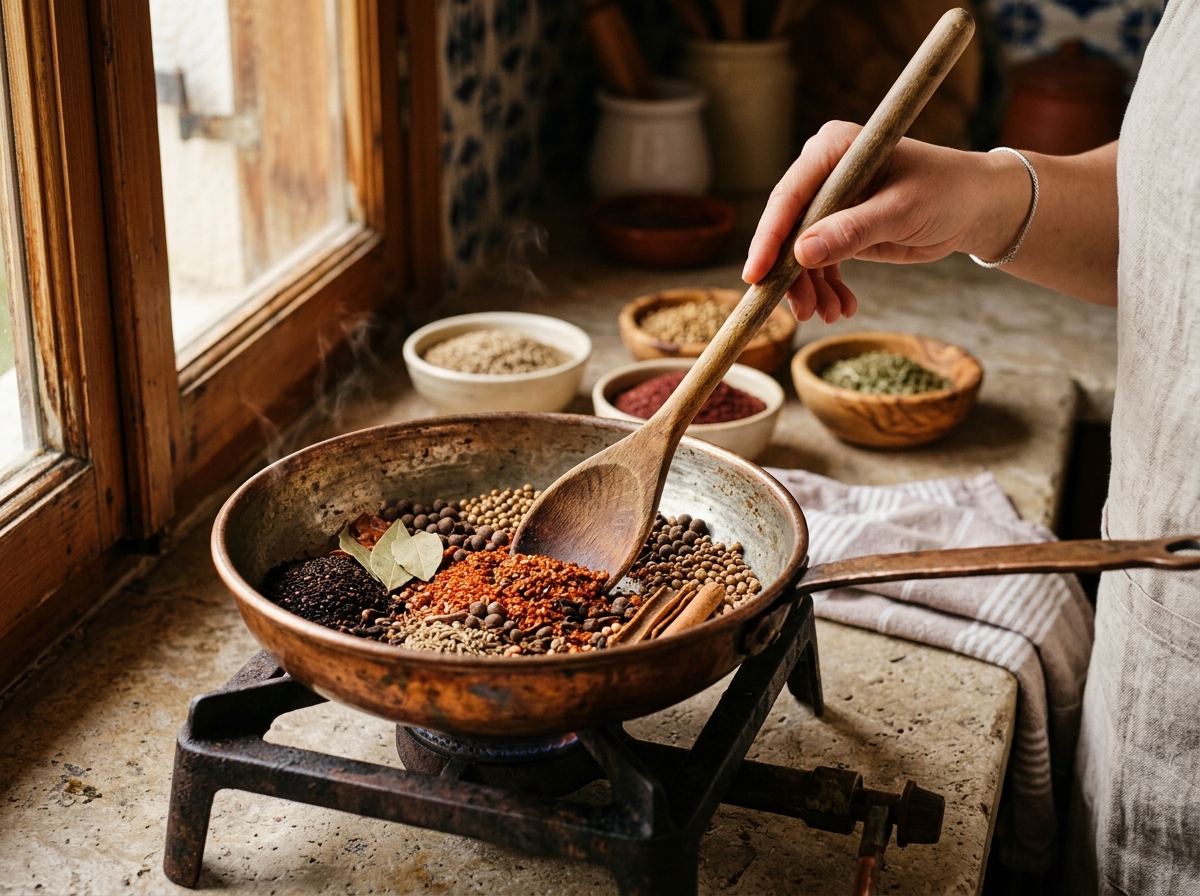
Whole spices get toasted before grinding to release volatile oils. A dry skillet over medium heat for 30-60 seconds transforms spices like cumin, coriander, and allspice into fragrant powder with more complex flavor than pre-ground versions.
Salt timing varies by technique. For grilled meats, salt goes on just before cooking to prevent moisture extraction. For stews and braises, salt gets added in stages—early for vegetable breakdown, and again near the end for final seasoning.
Fresh herbs get added at different stages depending on the herb. Hardy herbs like oregano and thyme go in early to infuse their flavor. Delicate herbs like dill and parsley get stirred in just before serving to preserve their bright flavor and color.
Modern Applications of Traditional Methods
These traditional Turkish cooking techniques translate beautifully to modern home kitchens with minor adaptations.
Clay pot cooking works in modern ovens, though you'll need to adjust temperatures and times. Start 25-50°F lower than recipes suggest and extend cooking times by 20-30% to account for the clay's slower heat transfer.
Home grill masters can create Turkish-style kebabs using charcoal grills with good temperature control. The key is patience—resist the urge to cook over high heat, and focus on steady, moderate temperatures that allow proper rendering and char development.
Dutch ovens and heavy-bottomed pots substitute well for traditional Turkish cooking vessels. The thermal mass helps maintain steady temperatures crucial for proper stews and braises.
Food processors can help with tasks like making fine bulgur or chopping large quantities of onions, but hand techniques often produce superior results for small batches and delicate preparations.
Preserving Traditional Methods
As Turkish cuisine evolves, preserving these traditional techniques becomes increasingly important for maintaining authentic flavors and cultural connections.
Many Turkish families still pass down cooking methods through hands-on teaching rather than written recipes. The subtle adjustments based on ingredient quality, weather conditions, and equipment variations require experience that only comes through practice.
Regional variations add complexity to Turkish cooking techniques. Southeastern Turkey's spicier preparations require different heat management than the milder dishes of the Black Sea region. Understanding these regional differences helps cooks choose appropriate techniques for specific dishes.
Documentation efforts by Turkish culinary historians help preserve techniques that might otherwise disappear. These detailed descriptions of traditional methods provide blueprints for authentic preparation that honor the cuisine's heritage.
Mastering Turkish cooking techniques opens doors to creating authentic flavors that connect you to centuries of culinary tradition. Whether you're perfecting clay pot stews or mastering the art of paper-thin pastry, these methods will transform your understanding of Turkish cuisine. Ready to put these techniques into practice? Explore our complete collection of Turkish recipes and start your journey into this remarkable culinary tradition.
Sources & further reading
- 2,600-Year-Old Tandoor Discovered at Oluz Höyük Reveals Deep Roots of Anatolian Culinary Traditions — Arkeonews
- Preserving traditions and legacies: Ceramic technologies on the UNESCO Intangible Cultural Heritage Lists — The American Ceramic Society
- The Delightful History of the Turkish Güveç — Craftsmanship Magazine
- The Ancient Art of Clay Pot Cooking: A Global History with Anatolian Roots — Kebabs.com.tr
Related Topics
Enjoyed this article? Share it with fellow food lovers!
Import a recipe, start cooking
Paste any recipe URL and we'll turn it into a Cook Mode experience with step-by-step visuals, voice narration, and built-in timers.