

Thai Cooking Mistakes: Common Errors and Expert Fixes
Master Thai cooking by avoiding these common pitfalls. From balancing sweet, sour, salty, and spicy flavors to proper curry paste technique, learn the fixes that transform home cooking into restaurant-quality dishes.
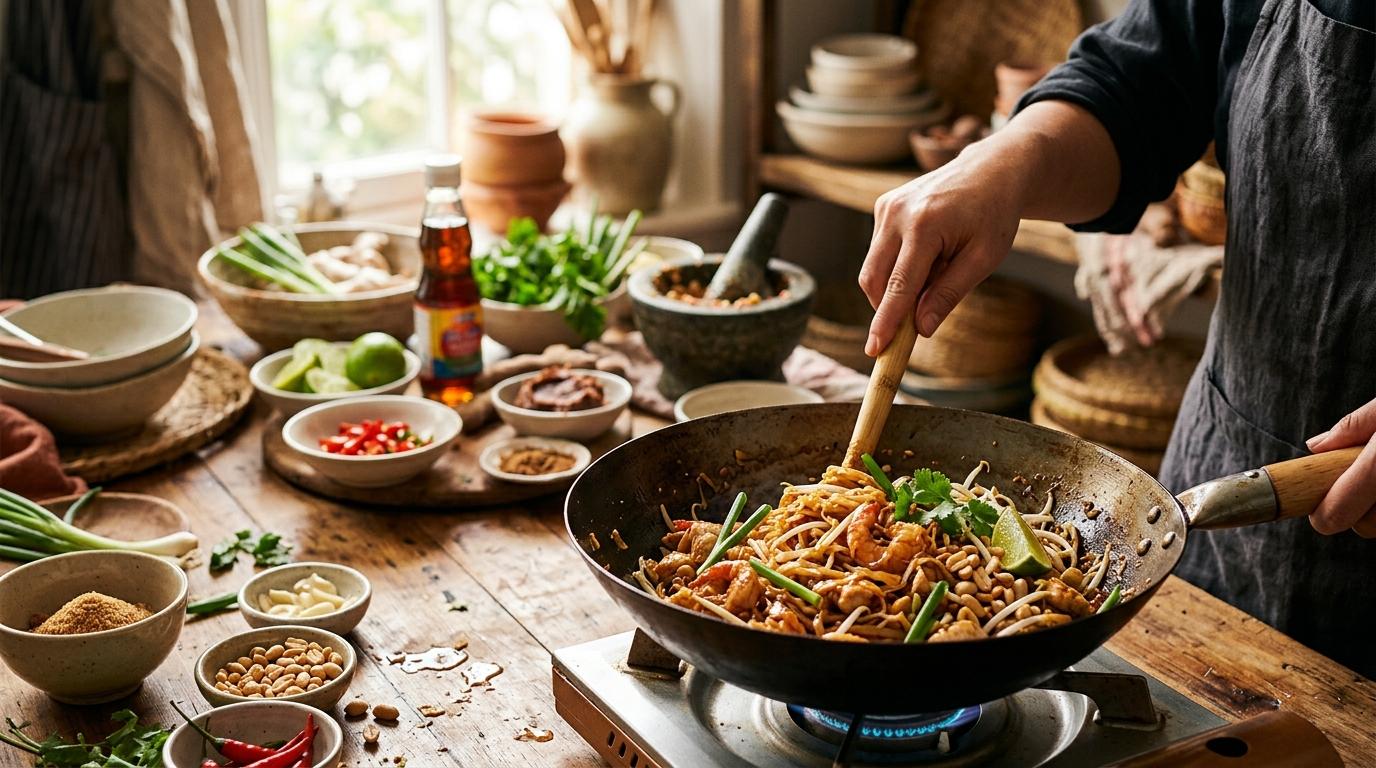
Thai food hits different when it's done right. The interplay of sweet, sour, salty, and spicy creates something magical—but get the balance wrong, and you're left wondering why your pad thai tastes flat or your curry lacks punch. If you've been exploring our collection of thai recipes and finding your results don't match your expectations, you're not alone. Most home cooks make the same handful of mistakes that keep their Thai dishes from reaching their potential.
The good news? These mistakes are fixable once you know what to look for. Thai cooking isn't about following rigid recipes—it's about understanding how flavors work together and adjusting as you go. Let's dive into the most common Thai cooking mistakes and, more importantly, how to fix them.
The Flavor Balance Trap
The biggest mistake in Thai cooking isn't technical—it's philosophical. Too many home cooks treat Thai recipes like baking formulas, measuring everything precisely and calling it done. Thai cooking demands tasting and adjusting.
The four pillars of Thai flavor—sweet, sour, salty, and spicy—need to be in conversation with each other, not just present. Your tom yum should have heat that doesn't mask the lime's tartness. Your pad thai should be sweet enough to balance the fish sauce's funk without tasting like dessert.
The fix: Taste constantly and adjust incrementally. Add a pinch of palm sugar to brighten sour flavors. Squeeze more lime to cut through richness. Use fish sauce like you would salt—a little at a time until the dish sings.
Curry Paste Catastrophes
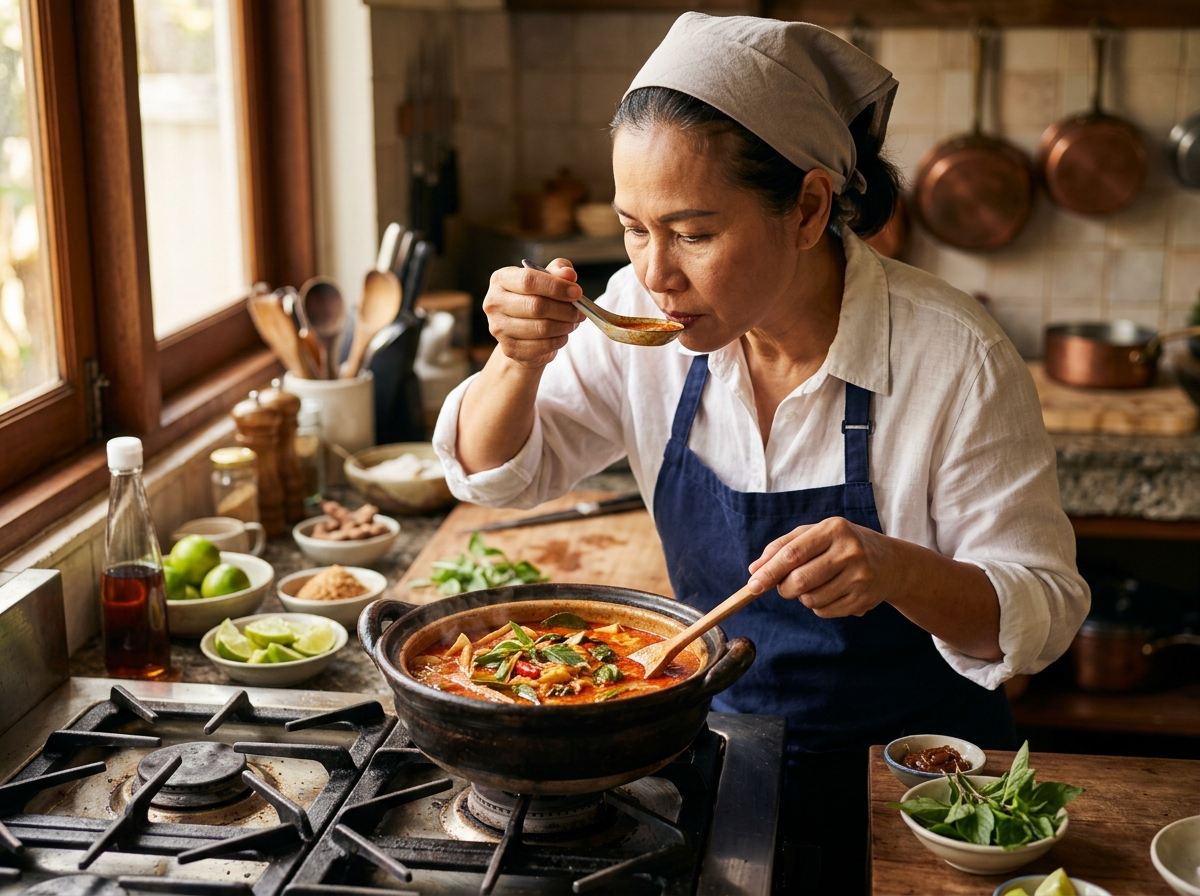
Store-bought curry paste can be a game-changer, but most people use it wrong. The mistake is treating it like tomato paste—just stirring it in and moving on. Curry paste needs to be fried first to release its essential oils and develop depth.
Another common error is using too little paste or the wrong consistency. Thai curry should be aromatic and complex, not watery or bland. If your curry tastes flat, you probably didn't fry the paste long enough or use enough of it.
The fix: Fry your curry paste in a bit of the thick coconut cream (the part that separates at the top of the can) for 2-3 minutes until fragrant. The paste should sizzle and darken slightly. Only then add the rest of your coconut milk. Use more paste than you think you need—a tablespoon per person is a good starting point.
Fish Sauce Fears
Fish sauce intimidates a lot of home cooks, and that fear leads to underseasoning. Yes, it smells intense straight from the bottle. No, that doesn't mean your food will taste fishy if you use it properly.
The mistake is either avoiding fish sauce entirely (substituting soy sauce, which changes the entire flavor profile) or adding it all at once at the end of cooking. Fish sauce works best when it's integrated throughout the cooking process.
The fix: Add fish sauce in stages. A splash early in cooking helps build the umami foundation. Taste and adjust near the end. Good fish sauce should enhance other flavors, not dominate them. If your dish tastes too fishy, you've likely added too much too quickly.
The Coconut Milk Mistake
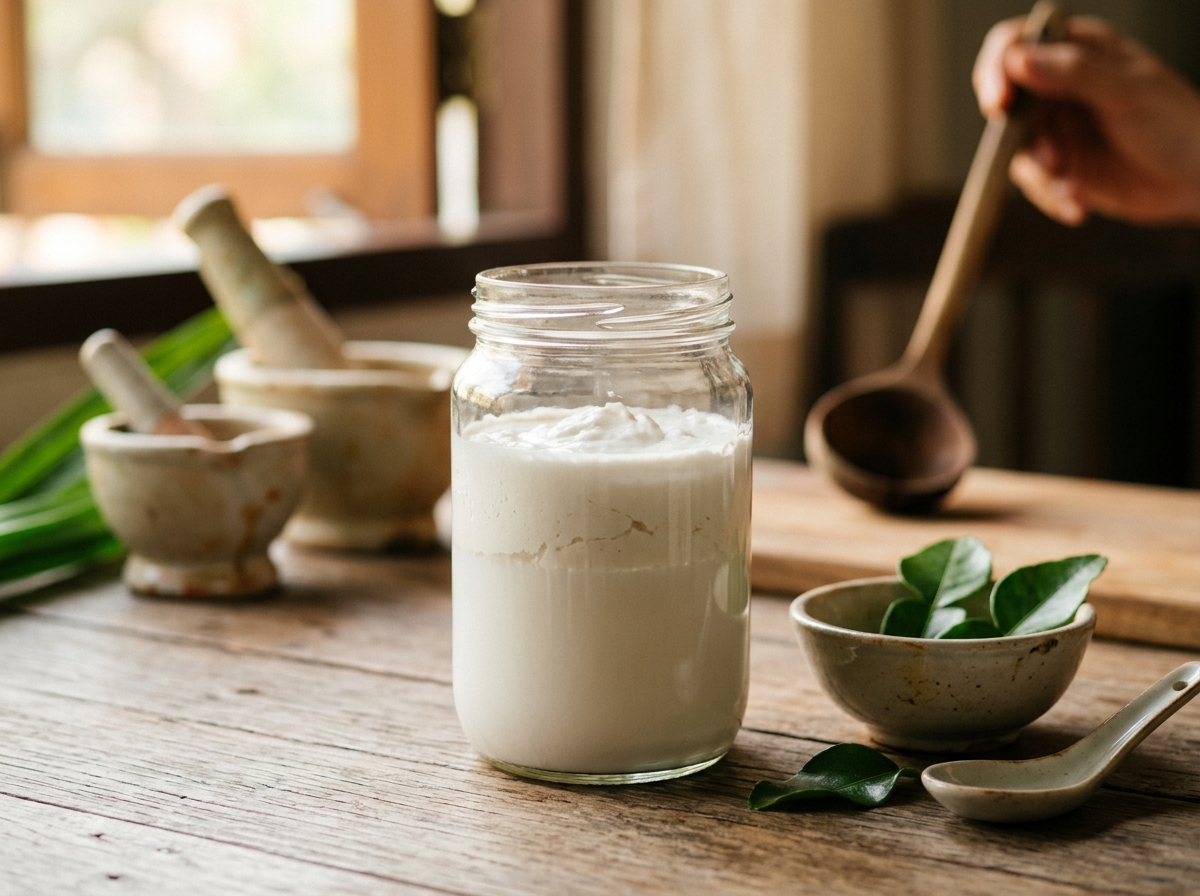
Not all coconut milk is created equal, and using the wrong type can sink your curry before it starts. Light coconut milk won't give you the richness traditional Thai curries need. Full-fat canned coconut milk separates naturally—that thick cream on top isn't a defect, it's a feature.
Many cooks make the mistake of shaking the can before opening, mixing the cream back into the thin milk. This dilutes the fat content you need for properly frying curry paste and building rich, complex sauces.
The fix: Don't shake the can. Scoop out the thick cream first for frying curry paste, then add the thinner milk gradually as needed. If your curry seems too thin, let it simmer uncovered to reduce, or add more of the thick cream.
Heat Level Confusion
Thai food should have heat, but it shouldn't be punishingly spicy. The mistake is either making everything scorching hot or avoiding chiles entirely. Thai heat is about balance—it should enhance other flavors, not obliterate them.
Different chiles serve different purposes. Bird's eye chiles pack serious heat but little flavor. Thai chiles (prik kee noo) are fruity and fierce. Dried chiles in curry paste provide depth more than fire. Using the wrong chile for your purpose throws off the entire dish.
The fix: Start with less heat than you think you want, then build up. You can always add more chiles, but you can't take them out. Remove seeds and membranes to reduce heat while keeping flavor. Balance heat with sweetness (palm sugar) and acidity (lime juice) rather than just adding more chiles.
Timing and Temperature Troubles
Thai cooking moves fast, and timing mistakes are common. The biggest error is not having everything prepped before you start cooking. Thai stir-fries happen over high heat in minutes—there's no time to chop vegetables once the wok is hot.
Another timing mistake is cooking proteins too long. Thai dishes often feature tender beef, perfectly cooked shrimp, or silky chicken. Overcooking makes them tough and chewy.
The fix: Prep everything before you heat the pan. Have your sauce mixed, vegetables chopped, and proteins ready to go. Cook proteins just until done, then remove them from the pan if needed while you finish the vegetables. Add them back at the end to reheat without overcooking.
Rice and Noodle Nightmares
Thai rice should be fluffy and individual grains, not mushy or sticky (unless you're making sticky rice intentionally). The mistake is using too much water or not rinsing the rice properly before cooking.
For noodle dishes like pad thai, the biggest error is oversaucing or overcooking the noodles. Pad thai noodles should have some texture, not be soft and gummy. The sauce should coat the noodles, not pool at the bottom of the plate.
The fix: Rinse jasmine rice until the water runs clear, then use a 1:1.25 ratio of rice to water. For rice noodles, soak them in warm water until pliable but still firm—they'll finish cooking in the pan with the sauce. Add sauce gradually, tossing constantly to coat evenly.
Fresh Herb Handling
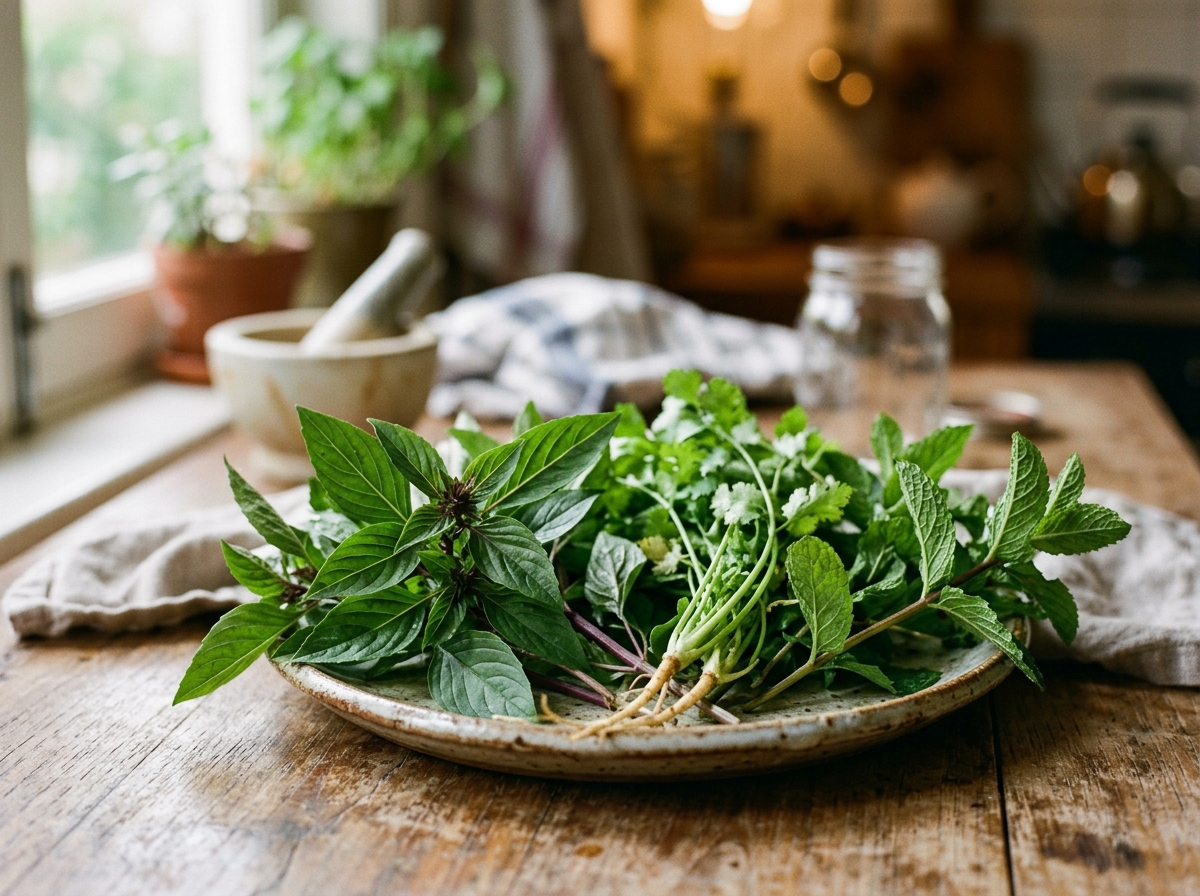
Fresh herbs are crucial to Thai cooking, but many home cooks add them at the wrong time or in the wrong way. Thai basil, cilantro, and mint should taste fresh and vibrant, not wilted and muddy.
The mistake is treating all herbs the same way. Some, like lemongrass and galangal, need long cooking to release their flavors. Others, like Thai basil and cilantro, should be added at the very end to preserve their brightness.
The fix: Add hardy herbs (lemongrass, galangal, makrut lime leaves) early in cooking. Save delicate herbs (Thai basil, cilantro, mint) for the final minute of cooking or as garnish. Tear herbs rather than chopping them to prevent bruising and maintain their aromatic oils.
Key Ingredients That Make the Difference
Having the right ingredients is half the battle in Thai cooking. Palm sugar provides the complex sweetness that regular sugar can't match. Tamarind paste gives the fruity tartness that lime juice alone won't achieve. Fish sauce from a good producer (like Red Boat or Three Crabs) tastes completely different from cheap versions.
Invest in quality curry paste from brands like Mae Ploy or Maesri. Fresh galangal, when you can find it, has a cleaner, more complex flavor than the dried powder. Coconut cream should be thick and rich—avoid "lite" versions that won't give you the fat content you need.
Thai chiles, makrut lime leaves, and fresh lemongrass elevate your cooking from good to restaurant-quality. Many Asian markets carry these ingredients fresh, and they freeze well if you can't use them immediately.
Practice Makes Progress
Thai cooking mistakes are part of the learning process. Every flat curry and oversalted stir-fry teaches you something about balance and technique. The key is understanding that Thai cooking is as much about intuition as it is about following recipes.
Start with simpler dishes and focus on getting the basics right. Master the balance of sweet, sour, salty, and spicy in a basic stir-fry before attempting complex curries. Once you understand how these flavors work together, you'll be able to adjust and improvise with confidence.
Remember that authentic Thai cooking varies by region and personal preference. What tastes right to you might be different from what tastes right to someone else, and that's perfectly fine. The goal isn't perfection—it's understanding the principles well enough to cook food that makes you happy.
Keep practicing, keep tasting, and keep adjusting. With time and attention, these common mistakes become learning opportunities, and your Thai cooking will develop the depth and balance that makes this cuisine so compelling. For more inspiration and techniques to refine your skills, explore our complete guide to thai recipes and discover the dishes that showcase these principles in action.
Sources & further reading
- How to Make Thai Red Curry Paste: Easy VS Traditional Way — Hot Thai Kitchen
- The Truth About Thai Cuisine — Institute of Culinary Education
- Authentic Thai Red Curry Paste Recipe (พริกแกงเผ็ด) — Eating Thai Food
Related Topics
Enjoyed this article? Share it with fellow food lovers!
Import a recipe, start cooking
Paste any recipe URL and we'll turn it into a Cook Mode experience with step-by-step visuals, voice narration, and built-in timers.