

Regional Turkish Recipes from Different Provinces
Turkey's provinces each guard distinct culinary secrets. From Gaziantep's legendary pistachios to Hatay's spice-rich stews, explore the regional recipes that define authentic Turkish cooking.
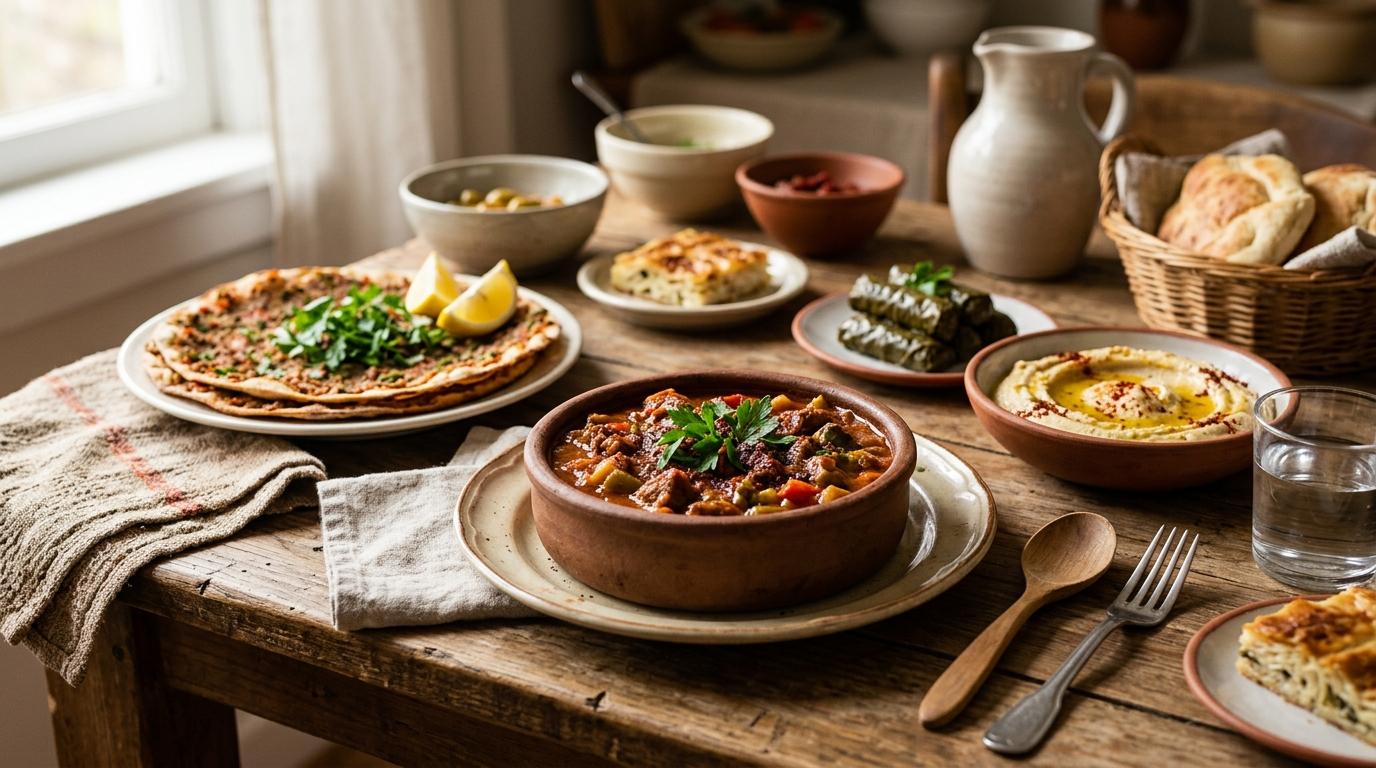
Turkey's vast geography spans three continents, and its cuisine mirrors this remarkable diversity. While many home cooks gravitate toward universally beloved dishes, the real treasures lie in the provincial specialties that have been passed down through generations. These Turkish recipes tell the story of local ingredients, historical influences, and the passionate cooks who've kept these traditions alive in their home kitchens.
Each Turkish province guards its culinary secrets fiercely. Gaziantep claims the finest pistachios in the world. Hatay's cooks layer Middle Eastern spices with Mediterranean technique. Black Sea provinces like Trabzon turn local hazelnuts and anchovies into comfort food that warms the soul during harsh winters.
Understanding regional Turkish cooking means looking beyond Istanbul's famous street food to discover what families actually eat at their dinner tables across the country.
Understanding Turkey's Culinary Geography
Turkey's regional cuisine divides roughly into seven distinct areas, each shaped by climate, geography, and historical trade routes. The Mediterranean coast embraces olive oil and fresh herbs. Central Anatolia relies on wheat, lamb, and preserved foods to survive long winters. The Black Sea region incorporates corn, hazelnuts, and fish into hearty mountain fare.
These regional differences aren't just academic—they create entirely different flavor profiles. A dish called "pilaf" in Istanbul uses different grains, spices, and cooking methods than pilaf from Kayseri or Van. The name stays the same, but the soul of the dish transforms completely.
Provincial Turkish cooks developed these recipes out of necessity, using whatever ingredients their land provided most abundantly. This practical approach created some of Turkey's most ingenious dishes.
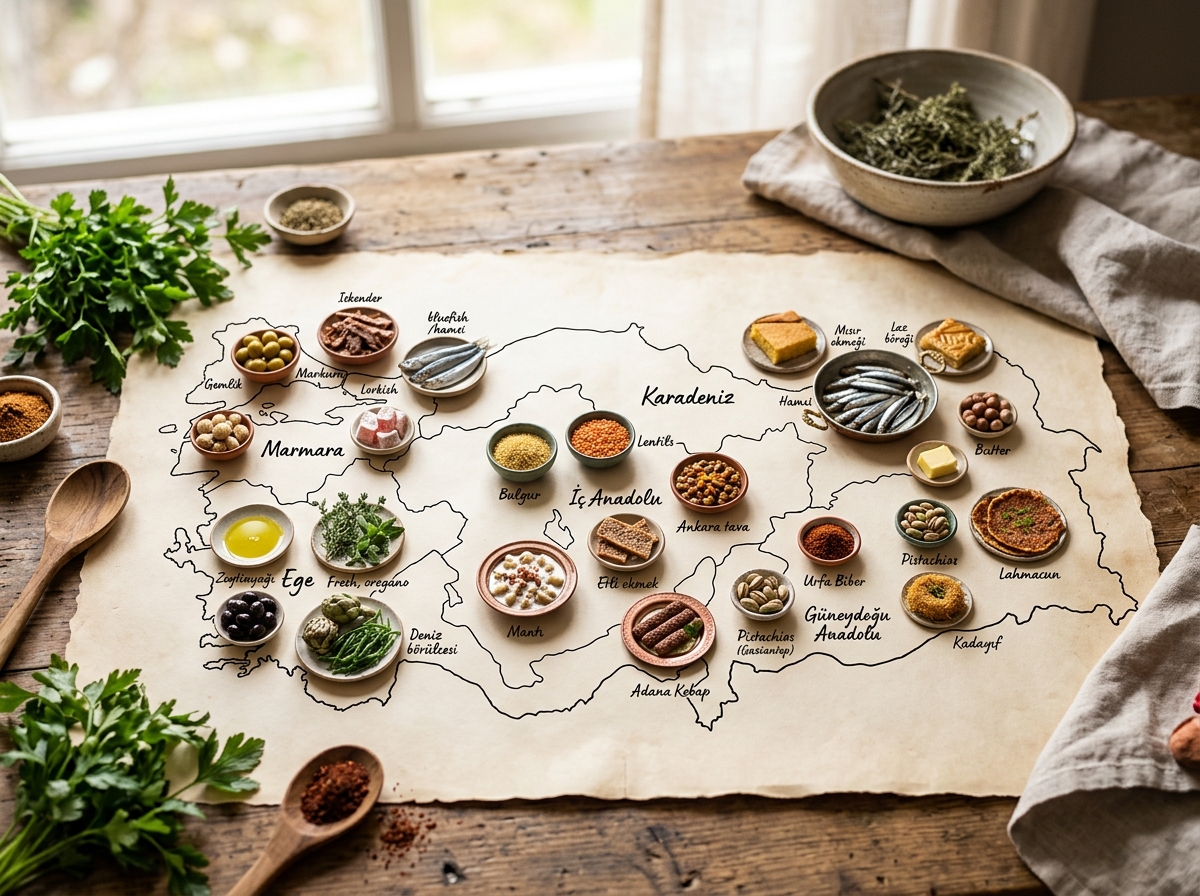
Gaziantep: The Culinary Capital
Gaziantep, in southeastern Turkey, earned UNESCO recognition as a Creative City of Gastronomy—the only Turkish city to hold this distinction. This ancient trading post developed a cuisine that rivals any in the world, built around the region's legendary Antep pistachios.
The city's signature dish, Ali Nazik, combines grilled eggplant puree with yogurt and topped with spiced lamb. The technique seems simple, but Gaziantep cooks have perfected every detail over centuries. They char the eggplants until the skin blackens completely, creating a smoky depth that can't be replicated in a regular oven.
Beyran, Gaziantep's breakfast soup, tells another story entirely. This rich broth combines lamb, rice, and garlic in a way that feels both comforting and energizing. Local cooks serve it steaming hot with a drizzle of spiced butter, often as early as 6 AM to workers heading to the markets.
The region's baklava deserves its own paragraph. Gaziantep baklava uses paper-thin phyllo, local pistachios, and a syrup that balances sweetness with just enough tartness to keep you reaching for another piece. The layers number exactly 40, and the pistachio filling gets ground to a specific consistency that releases oils without becoming paste.
Hatay: Where Three Cuisines Meet
Hatay province, bordering Syria and sitting on the Mediterranean, developed a cuisine that draws from Turkish, Arab, and Mediterranean traditions. The result feels both familiar and exotic to most Turkish palates.
Künefe represents Hatay's genius with dairy and grain. This dessert combines shredded wheat (kadayıf), unsalted cheese, and sugar syrup into something that transcends its humble ingredients. The cheese melts into stretchy ribbons while the wheat crisps to golden perfection. Served hot with crushed pistachios, it's pure comfort in a dish.
Hummus gets a Hatay twist that differs significantly from other regional versions. Local cooks use more tahini than chickpeas, creating a cream-colored spread that's intensely nutty. They finish it with whole chickpeas, olive oil, and a spice mixture that includes both sumac and red pepper flakes.
The region's stuffed kibbeh (içli köfte) showcases the precise hand skills that Hatay cooks develop. The bulgur shell must be thin enough to bite through easily, yet strong enough to contain a filling of spiced meat, pine nuts, and onions. These get shaped into perfect footballs and deep-fried until golden.
Trabzon and the Black Sea: Mountain and Sea
Turkey's Black Sea coast developed a cuisine that seems almost separate from the rest of the country. Here, corn replaces wheat as the primary grain, anchovies get treated like a blessing from the sea, and hazelnuts appear in both sweet and savory dishes.
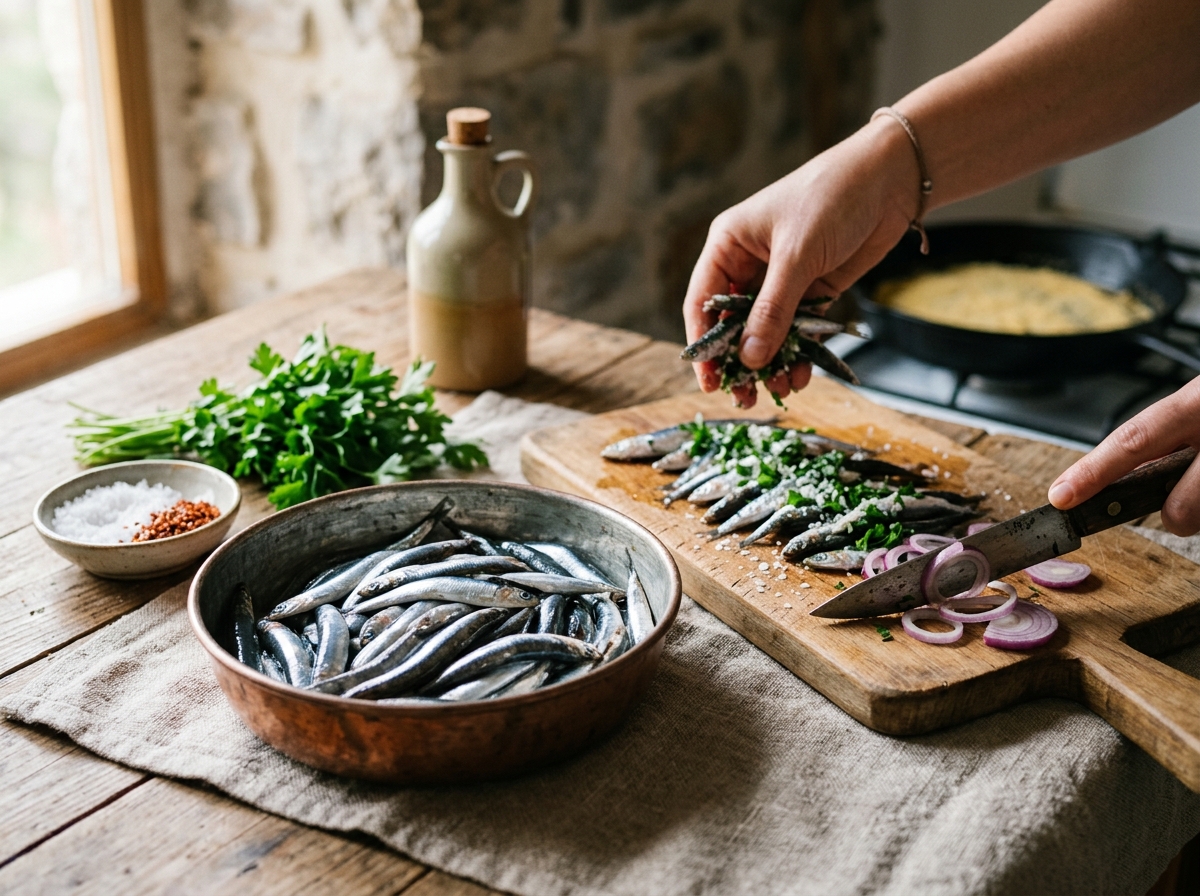
Hamsi (anchovies) reach near-religious status in Trabzon. Local cooks prepare them dozens of ways: fried in cornmeal, baked in rice, even turned into a spicy paste for spreading on bread. The fish run in such abundance during certain seasons that families preserve them for year-round eating.
Mıhlama represents the region's dairy excellence. This fondue-like dish melts local cheese with cornmeal and butter into something that stretches dramatically when lifted with a spoon. It's comfort food designed for cold mountain evenings, served with fresh bread for dipping.
The region's corn bread (mısır ekmeği) differs completely from American cornbread. Trabzon cooks create a dense, slightly sweet loaf that pairs perfectly with the area's strong teas and local honey. The bread keeps for days and actually improves in texture as it ages slightly.
Key Ingredients for Black Sea Cooking
Black Sea cuisine relies on ingredients that reflect the region's unique geography. Fresh anchovies arrive in massive runs during late fall and early winter. Local varieties of corn create meals with completely different textures than standard cornmeal. The region's hazelnuts have protected designation status—they're considered among the world's finest.
Trabzon also produces exceptional butter and cheese from cows that graze on mountain pastures. This dairy richness appears in almost every regional dish, from simple vegetable preparations to elaborate meat stews.
Central Anatolia: Wheat and Lamb Country
Turkey's heartland developed a cuisine based on preservation and sustenance. Long winters and short growing seasons created cooking methods that maximize nutrition and storage life. The results often surprise visitors with their sophistication.
Kayseri's pastırma (cured beef) represents one of the world's great preserved meats. The beef gets coated in çemen, a paste of fenugreek, garlic, and red pepper that creates both flavor and preservation. Properly made pastırma develops complex, almost wine-like flavors that intensify over months of aging.
Tarhana, a fermented soup base, shows Central Anatolian ingenuity at its peak. Cooks combine yogurt, tomatoes, peppers, and wheat flour, then ferment the mixture before drying it into chunks. These keep for years and reconstitute into rich, probiotic soups during winter months.
The region's mantı (Turkish dumplings) require extraordinary patience and skill. The dough gets rolled paper-thin, cut into tiny squares, and filled with seasoned meat before being folded into perfect little purses. A skilled cook can fit 40 mantı on a single spoon—a point of considerable pride in local kitchens.
Eastern Turkey: Bold Flavors from Harsh Landscapes
Turkey's eastern provinces, including Van, Erzurum, and Kars, developed intensely flavored foods to match their dramatic landscapes. These regions experience some of Turkey's harshest winters, creating a cuisine that prioritizes preservation and high-energy foods.
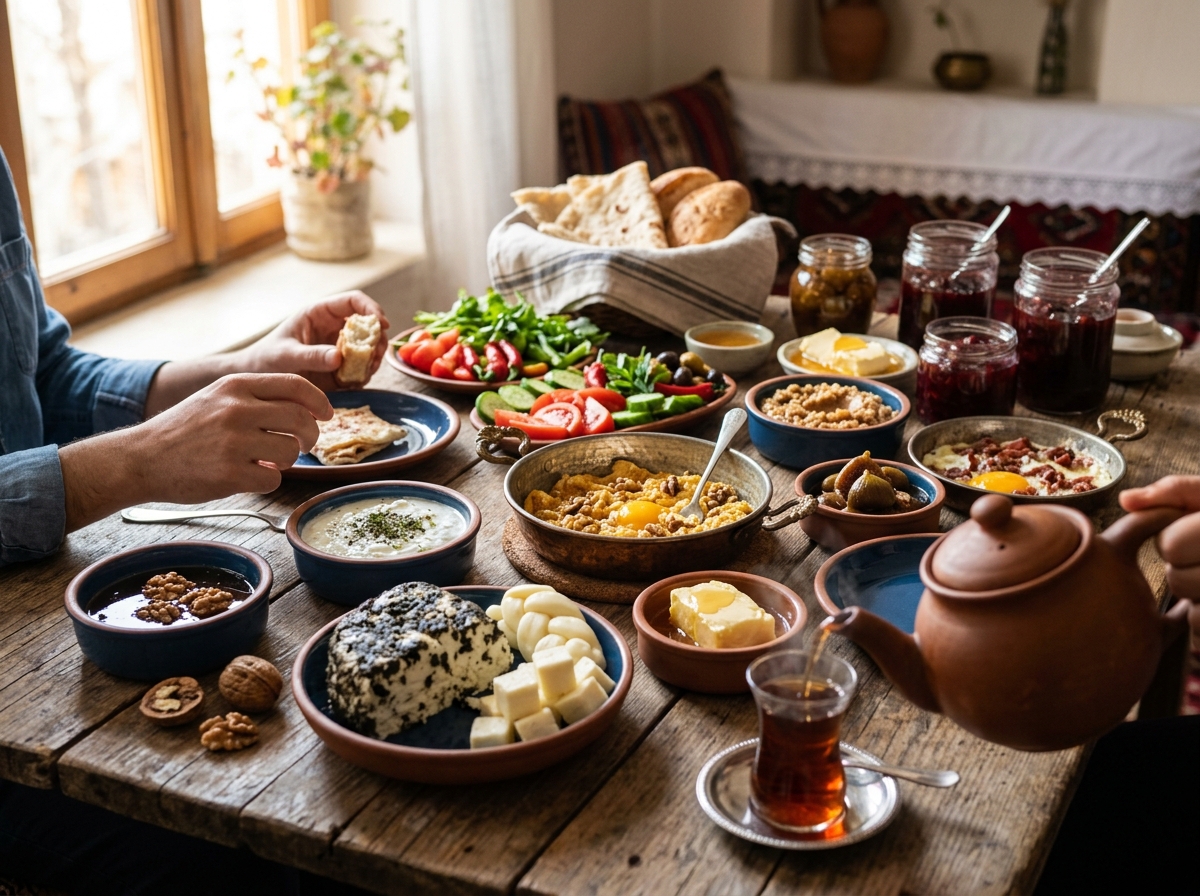
Van's breakfast culture deserves international recognition. The traditional Van breakfast (Van kahvaltısı) includes dozens of small dishes: multiple cheeses, honey, cream, preserves, and eggs prepared several ways. The meal can last for hours, with each element carefully chosen to complement the others.
Kars produces Turkey's finest aged cheeses, including gravyer that rivals anything from Switzerland. The high-altitude pastures and cold aging caves create conditions perfect for developing complex, nutty flavors. These cheeses appear in regional börek and are often served simply with local honey.
Erzurum's cağ kebabı represents a completely different approach to grilling meat. Instead of skewers, chunks of lamb get threaded onto a horizontal spit that rotates slowly over hardwood coals. The result develops a crispy exterior while staying incredibly juicy inside. The meat gets carved directly onto lavash bread with grilled vegetables.
Cooking Techniques That Define Regional Style
Each Turkish region developed specific cooking techniques that work best with local ingredients and fuel sources. Understanding these methods helps home cooks recreate authentic flavors.
Gaziantep cooks master the art of layering flavors through careful spice toasting and timing. They toast whole spices in dry pans until fragrant, then grind them fresh for each dish. This technique appears in everything from kebab marinades to dessert syrups.
Black Sea cooking relies heavily on steaming and gentle braising. The region's abundant rainfall creates cooking methods that preserve delicate flavors rather than concentrating them through high heat. Vegetables get steamed in their own juices with just a touch of olive oil.
Central Anatolian techniques focus on preservation and concentrated flavors. Cooks there developed methods for drying, fermenting, and curing that create shelf-stable ingredients with intense tastes. These preserved elements then get combined with fresh ingredients to create complex dishes.
Bringing Regional Turkish Cooking to Your Kitchen
Recreating authentic regional Turkish flavors requires understanding not just ingredients, but the cooking philosophy behind each dish. Start by sourcing the best possible versions of key ingredients—Turkish markets often carry regional specialties that make a significant difference in final results.
Focus on technique as much as ingredients. The way Gaziantep cooks char eggplant or how Trabzon cooks melt cheese into cornmeal matters enormously for achieving authentic results. These techniques often require practice, but they're not impossibly difficult.
Consider starting with simpler regional specialties before attempting complex dishes like mantı or künefe. A well-made Hatay hummus or Trabzon corn bread provides an excellent introduction to regional flavors without requiring specialized equipment.
Remember that many regional Turkish dishes taste best when shared. These recipes developed in family kitchens where multiple generations cooked together and everyone contributed to the meal preparation.
The beauty of regional Turkish cooking lies in its diversity and depth. Each province offers enough specialties to explore for years, and each dish connects to centuries of local tradition. By learning these Turkish recipes, we're not just expanding our cooking repertoire—we're preserving culinary traditions that deserve to be celebrated and shared.
Sources & further reading
- Hatay Food: Top 6 Dishes — TasteAtlas
- Southern Turkey's Hatay cuisine: how a Mediterranean hub on the Silk Road gave birth to 600 dishes — South China Morning Post
- Rediscovering Turkish cuisine in Antakya, Hatay Gastronomy — GoTürkiye Experiences (Turkey's official tourism/gastronomy portal)
- Hatay - UNESCO City of Gastronomy | Top 25 Restaurants — World's Best Restaurants (Top25Restaurants.com)
Related Topics
Enjoyed this article? Share it with fellow food lovers!
Import a recipe, start cooking
Paste any recipe URL and we'll turn it into a Cook Mode experience with step-by-step visuals, voice narration, and built-in timers.