

Quick 30-Minute Indian Dinner Recipes for Busy Weeknights
Craving authentic Indian flavors but short on time? These 30-minute recipes prove you don't need hours to create satisfying Indian dinners that taste like they've been simmering all day.
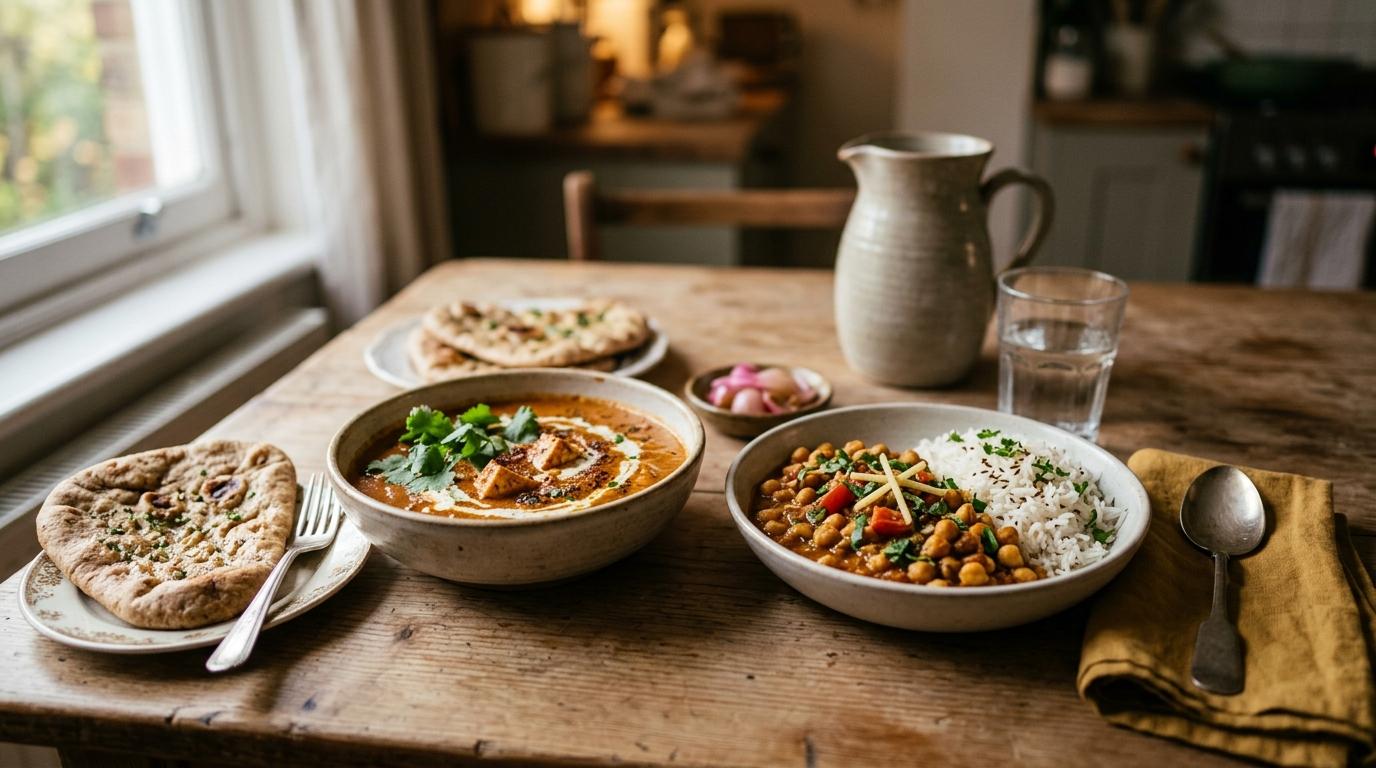
The aroma of cumin seeds hitting hot oil, the gentle bubble of a curry coming together, the satisfaction of fluffy basmati rice—Indian cooking feels like it should take hours. But here's the thing: some of the most beloved dishes from this rich culinary tradition can land on your table in 30 minutes or less. Whether you're exploring our comprehensive collection of Indian recipes or just need dinner sorted tonight, these quick techniques will change how you think about weeknight cooking.
The secret isn't cutting corners—it's understanding which Indian dishes naturally cook fast and which techniques speed things up without sacrificing flavor. We're talking about dal that comes together while rice cooks, curries that develop depth through smart spice layering, and one-pot meals that handle both protein and starch in a single pan.
The Foundation: Building Flavor Fast
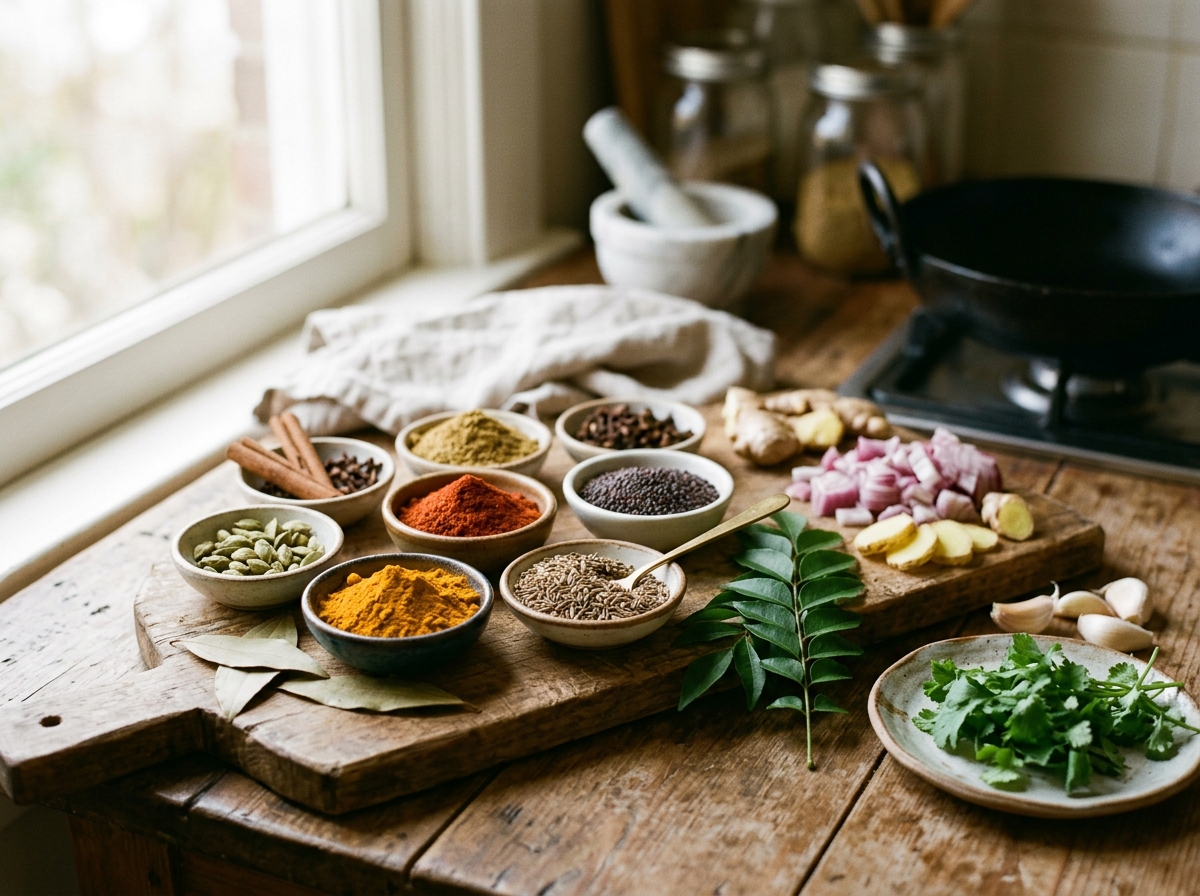
Quick Indian cooking hinges on your spice technique. Instead of blooming whole spices for minutes, we're using ground spices strategically. Start with a hot pan, add oil, then ground cumin and coriander together—they'll release their oils in 30 seconds. Follow immediately with ginger-garlic paste (store-bought is fine here) and let it sizzle until fragrant, about another 30 seconds.
This foundation—what Indian cooks call the tadka or tempering—forms the base for nearly every quick recipe we'll explore. It's your flavor insurance policy, ensuring even a 15-minute dal tastes like it's been developing all afternoon.
Lightning-Fast Lentil Dishes
Red lentils (masoor dal) are the speed demons of the legume world. Unlike their yellow or black cousins that need soaking and long cooking, red lentils break down into creamy comfort in 12-15 minutes.
For a basic Quick Masoor Dal, rinse a cup of red lentils and add them to a pot with 2.5 cups water, a pinch of turmeric, and salt. Bring to a boil, then simmer until they're breaking apart—usually 12 minutes. Meanwhile, heat oil in a small pan, add cumin seeds, let them splutter, then add minced garlic and green chilies. When the garlic turns golden, pour this tempering over the cooked lentils. Finish with a squeeze of lemon and fresh cilantro.
The whole process takes 20 minutes, and you've got a protein-rich dish that pairs with rice or flatbread. For variation, add a diced tomato with the garlic, or stir in a handful of spinach during the last few minutes.
Express Curry Techniques
The key to quick curries is choosing ingredients that cook fast and building layers of flavor efficiently. Paneer, eggs, and pre-cooked proteins like leftover chicken work beautifully here.
Speed Paneer Makhani starts with that cumin-coriander-ginger-garlic base we talked about. Add a can of crushed tomatoes, let it bubble for 5 minutes until it reduces slightly, then stir in cream and garam masala. Cube paneer goes in for just 3-4 minutes—enough to heat through without turning rubbery. Total time: 18 minutes.
For an even faster approach, try Egg Curry. Hard-boil eggs ahead of time (or use store-bought). Your tempering gets diced onion this time—cook until translucent, about 4 minutes. Add tomato, turmeric, and red chili powder, cook until jammy (5 minutes), then add halved hard-boiled eggs and simmer in a splash of water or coconut milk for 5 minutes. It's warming, satisfying, and done in 20 minutes.
One-Pot Rice Solutions
Biryani typically involves layering, dum cooking, and patience. But weeknight "pulao" gives you similar satisfaction with a fraction of the effort.
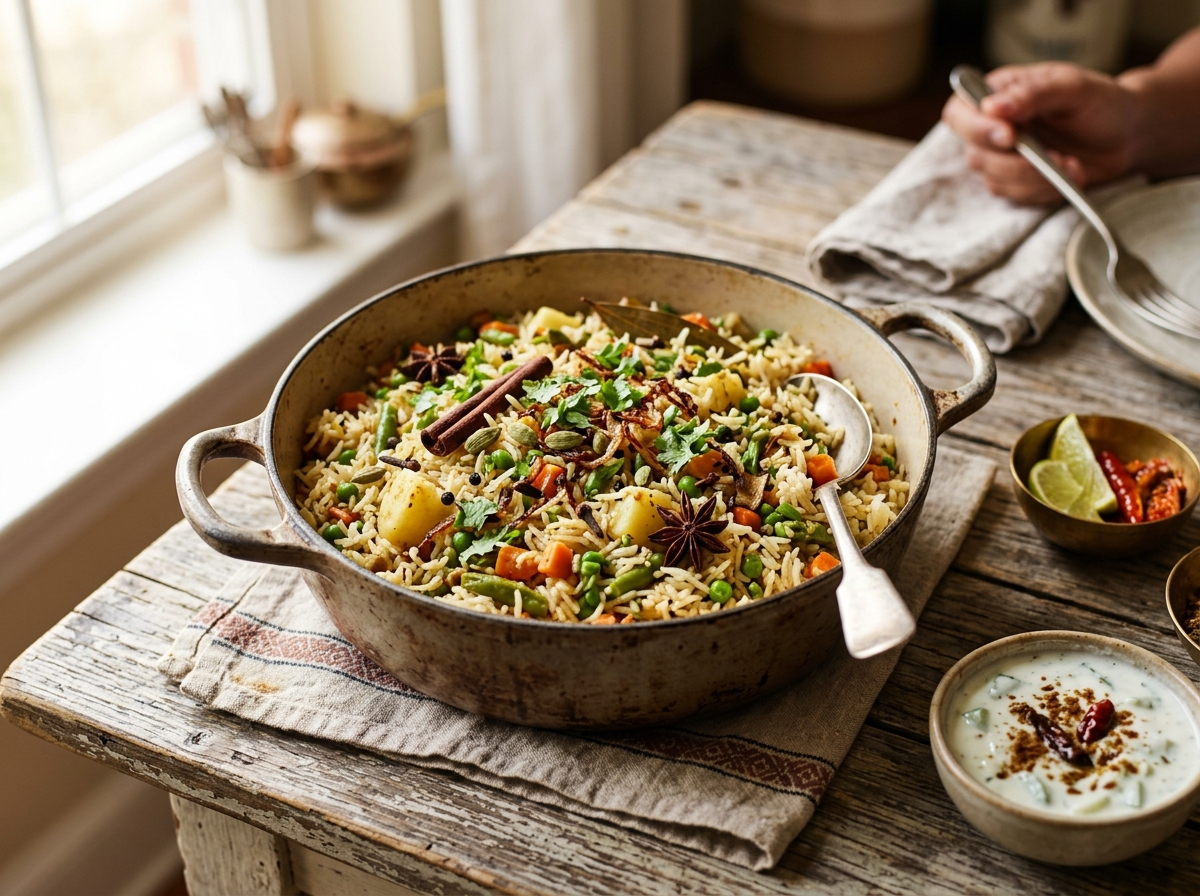
Vegetable Pulao starts with whole spices—bay leaves, cinnamon, and green cardamom—bloomed in oil for 1 minute. Add basmati rice (rinsed and drained) and stir to coat each grain with the aromatic oil, about 2 minutes. Then add your liquid—water or broth—along with salt, turmeric, and whatever quick-cooking vegetables you have: peas, diced carrots, green beans cut small.
The ratio is crucial: 1 cup rice to 1.75 cups liquid. Bring to a boil, cover, reduce heat to low, and cook for 18 minutes without lifting the lid. Rest for 5 minutes, then fluff with a fork. The rice emerges fragrant and studded with tender vegetables—a complete meal that cooks itself while you prep other dishes.
Key Ingredients for Speed
Success with quick Indian cooking depends on having the right ingredients ready to go. These staples will set you up for any 30-minute meal:
Pantry essentials: Cumin (whole and ground), coriander (ground), turmeric, red chili powder, garam masala, bay leaves, green cardamom pods. These six spices handle 90% of quick Indian dishes.
Fresh aromatics: Ginger-garlic paste (store-bought saves time), green chilies, fresh cilantro, lemons. Keep these on hand and you can add brightness to any dish.
Proteins that cook fast: Red lentils, eggs, paneer, firm tofu, cooked shrimp, leftover rotisserie chicken. Each needs 15 minutes or less to become dinner-ready.
Quick-cooking vegetables: Spinach, peas (frozen work great), bell peppers, zucchini, green beans cut small. They'll be tender by the time your spices are fragrant.
Flavor boosters: Canned crushed tomatoes, coconut milk, heavy cream, tamarind paste. These add richness and depth without long cooking times.
The 15-Minute Wonder: Palak Paneer
Traditional palak paneer involves blanching spinach, making a puree, and building a complex base. Our version streamlines the process without losing the soul of the dish.
Heat oil in a large pan, add cumin seeds and let them sizzle. Add ginger-garlic paste and green chilies, cook for 30 seconds. Now here's the shortcut: add frozen spinach directly to the pan—no thawing needed. The ice crystals create steam that wilts the spinach quickly. Season with salt, turmeric, and a pinch of garam masala.
Once the spinach is wilted and most liquid has evaporated (about 8 minutes), add cubed paneer and a splash of cream. Stir gently—paneer is delicate—and cook just until heated through, 3-4 minutes. Finish with a squeeze of lemon juice.
The result tastes like you've been tending it for hours, but it's on the table in 15 minutes. Serve with rice or warm naan for a complete meal.
Smart Shortcuts That Actually Work
Some shortcuts compromise flavor, but these actually improve your weeknight cooking game:
Pre-made ginger-garlic paste saves the daily chopping ritual. Yes, fresh is theoretically better, but practically speaking, the jarred stuff gets you cooking faster and tastes just fine in quick dishes.
Frozen vegetables often work better than fresh for quick cooking. Frozen peas, spinach, and green beans are picked at peak ripeness and cook faster than their fresh counterparts.
Ground spices over whole for speed cooking. Whole spices need time to release their oils, but ground spices bloom in seconds. Save whole spices for dishes where you have more time.
Canned tomatoes give you consistent results year-round. A good crushed tomato has more flavor than a winter hothouse tomato, and it breaks down faster than fresh.
Building a 30-Minute Menu
The magic happens when you coordinate multiple dishes to finish together. Here's how to orchestrate a complete Indian meal in 30 minutes:
Start with rice (18 minutes hands-off cooking time). Get it going first in one pot.
While rice cooks, prep your main dish. If it's dal, start it 12 minutes after the rice. If it's a quick curry, begin 10 minutes after rice starts.
Use the last 5 minutes for final touches: tempering the dal, warming naan, chopping fresh cilantro.
This timeline gives you perfectly timed rice, a main dish, and warm bread without any frantic juggling or cold food.
Beyond the Basics: Quick Regional Variations
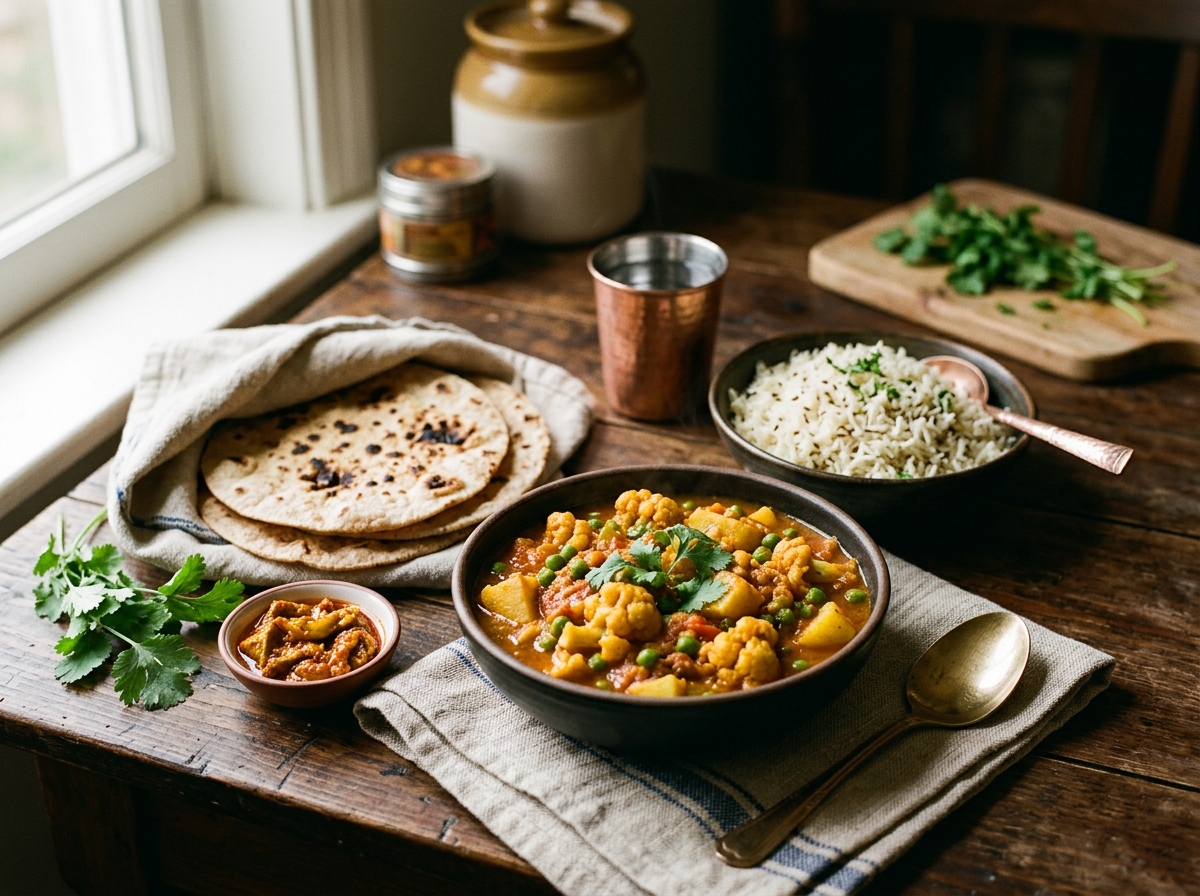
Once you've mastered the fundamental techniques, regional variations become simple tweaks to your base method.
South Indian style: Replace cumin with mustard seeds in your tempering. Add curry leaves if you can find them (they freeze beautifully). Use coconut milk instead of cream for richness.
Bengali touches: Add a pinch of fennel seeds to your spice mix. Use mustard oil instead of neutral oil when possible—its pungency mellows during cooking.
Gujarati influence: A pinch of jaggery or brown sugar balances the heat in any curry. Add it with your tomatoes for subtle sweetness.
These aren't authentic recreations of complex regional cuisines, but they're inspired variations that add interest to your quick cooking repertoire.
Making It Your Own
The beauty of these quick techniques is how adaptable they are. Got leftover roasted vegetables? Toss them into that vegetable pulao. Have some cooked chicken that needs new life? It'll be perfect in a 15-minute curry with tomatoes and cream.
The spice combinations we've outlined are starting points. Like your food spicier? Double the green chilies or add a pinch of cayenne. Prefer milder flavors? Skip the chilies and rely on aromatic spices like cinnamon and cardamom for complexity.
Think of these recipes as templates rather than rigid instructions. Once you understand how the tempering works, how long different proteins need to cook, and which vegetables play well together, you can improvise based on what's in your kitchen.
The Weeknight Revolution
Quick Indian cooking isn't about rushing through recipes—it's about understanding which dishes naturally come together fast and using smart techniques to build flavor efficiently. These 30-minute meals prove that authentic taste doesn't require all-day cooking.
With these foundations in place, weeknight dinners become less about settling for simple and more about choosing from a repertoire of satisfying, flavorful options. Whether you're diving deeper into our complete collection of Indian recipes or just need to get dinner on the table tonight, these quick techniques will serve you well.
The next time someone tells you Indian food is too complicated for a Tuesday night, invite them over. Show them how cumin seeds sound when they hit hot oil, how quickly red lentils transform into silky dal, how a simple tempering can make humble ingredients sing. Sometimes the best meals happen not despite the time constraint, but because of it.
Sources & further reading
- International Weeknight Dinner Ideas — Food Network
- 30+ Indian & Pakistani Dinner Recipes (Easy & Authentic) — Tea for Turmeric
- Sara's Weeknight Meals: On the Table in 20 — PBS
Related Topics
Enjoyed this article? Share it with fellow food lovers!
Import a recipe, start cooking
Paste any recipe URL and we'll turn it into a Cook Mode experience with step-by-step visuals, voice narration, and built-in timers.