

Provençal Recipes: Sun-Soaked Flavors of Southern France
The sun-drenched hills of Provence give us some of France's most vibrant dishes. These recipes celebrate the region's signature herbs, olive oil, and Mediterranean spirit.
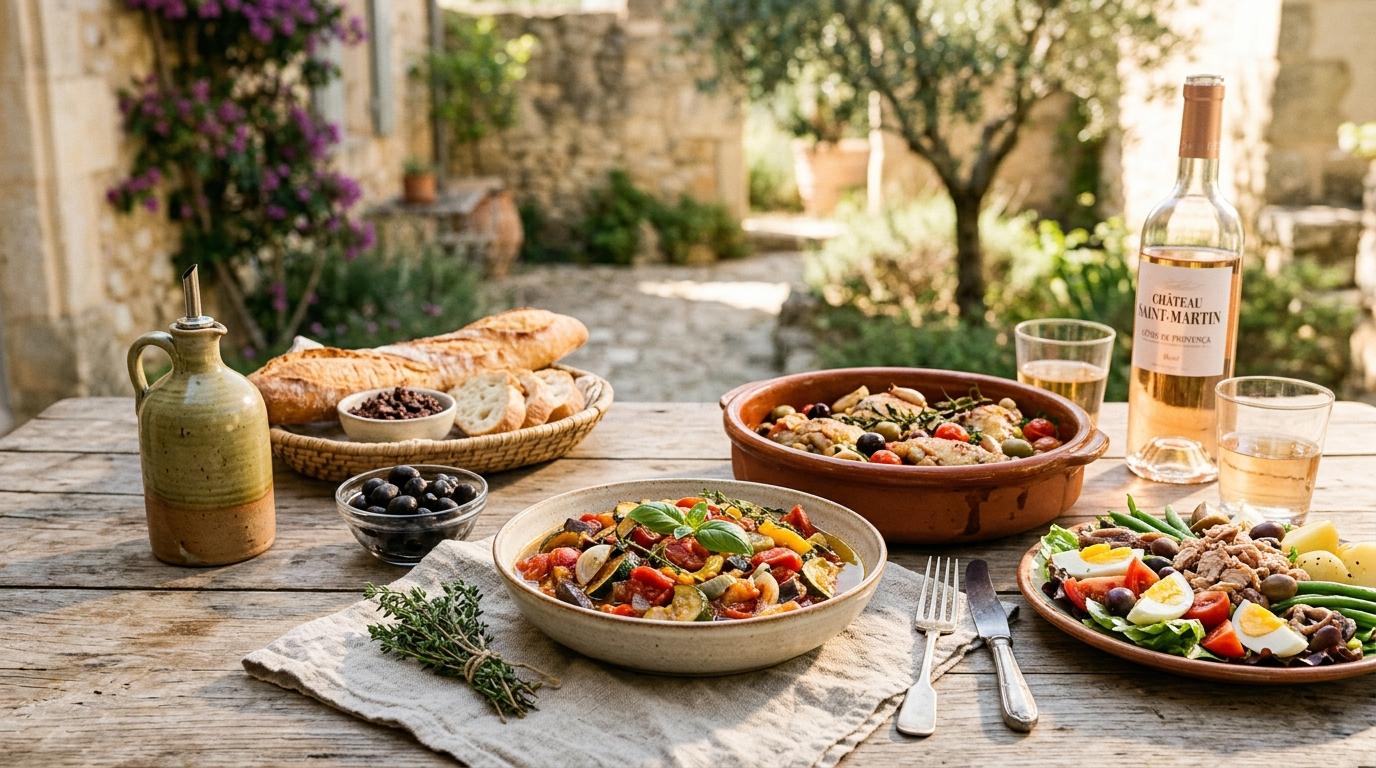
The lavender fields and sun-baked hills of Provence have shaped a cuisine that feels like summer itself—bright, fragrant, and impossibly fresh. While French recipes span everything from buttery Norman cream sauces to the rich braises of Burgundy, Provençal cooking takes a decidedly Mediterranean turn. Here, olive oil replaces butter, herbs grow wild on every hillside, and vegetables take center stage alongside fresh seafood from the nearby coast.
Provençal recipes aren't just about ingredients—they're about a way of cooking that celebrates simplicity and seasonality. This is peasant food elevated by perfect produce and centuries of technique. The region's cooks learned long ago that when your tomatoes are sun-ripened and your herbs are picked fresh, you don't need to do much to make magic happen.
The Heart of Provençal Cooking
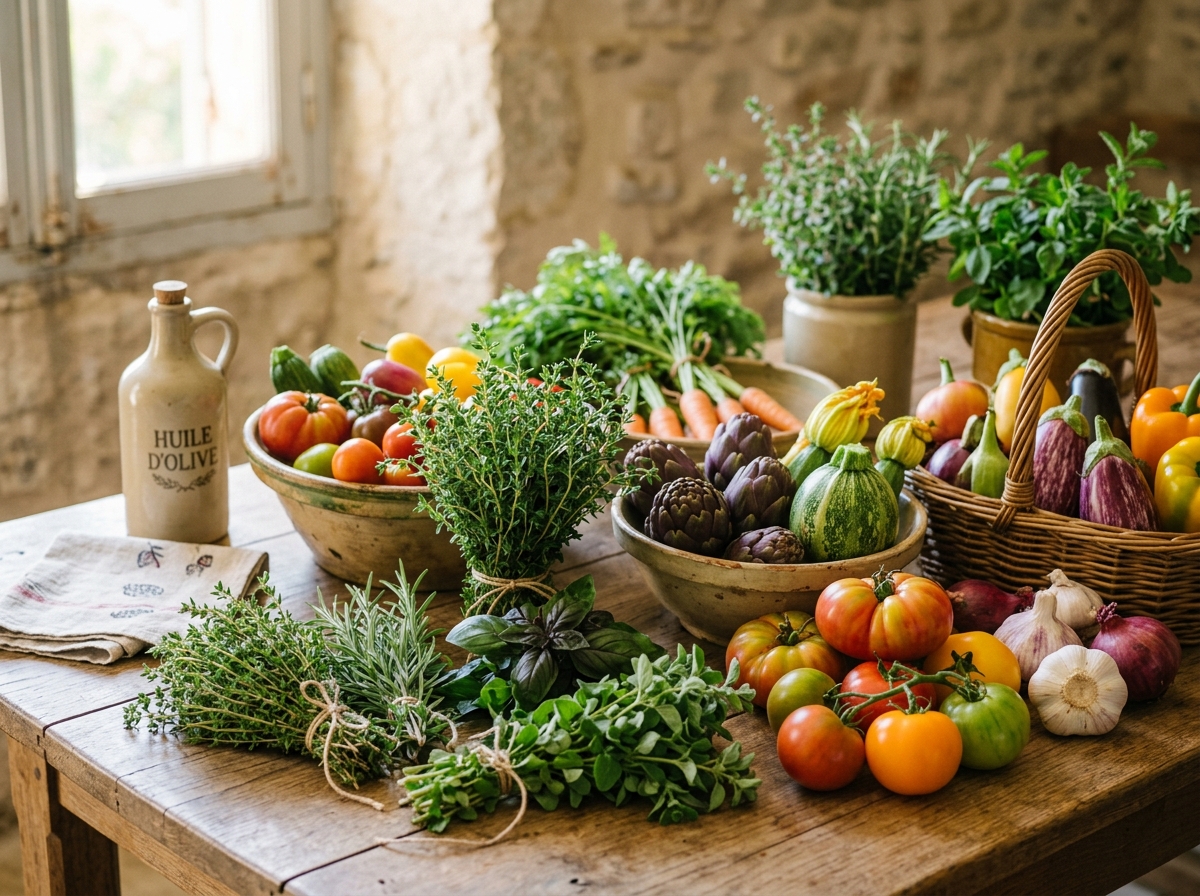
Understanding Provençal cuisine means understanding its geography. Nestled between the Alps and the Mediterranean, Provence enjoys a climate that Mediterranean vegetables adore. The mistral winds keep the air dry, concentrating flavors in everything from tomatoes to olives. This environment created a cooking style that's both rustic and refined.
The foundation of most Provençal dishes starts with a sofrito—a slow-cooked base of onions, garlic, and tomatoes that appears in countless preparations. Unlike the quick sautés of northern French cooking, Provençal techniques often involve long, gentle cooking that allows flavors to meld and deepen.
Olive oil is sacred here. Not just any olive oil, but the fruity, slightly peppery oil pressed from olives grown in the region's rocky soil. It appears in everything from simple vinaigrettes to the garlic-rich aioli that accompanies nearly every meal.
Essential Herbs and Seasonings
The herb blend herbes de Provence didn't originate in tourist shops—it grew wild on the region's hillsides long before anyone thought to bottle it. The classic mix includes thyme, rosemary, oregano, and sometimes lavender, though purists argue that lavender is a modern addition for the tourist trade.
Fresh herbs matter more here than almost anywhere else in French cooking. Basil appears in the famous pistou (the Provençal cousin to Italian pesto), while tarragon and chervil brighten fish dishes. Fennel, both the bulb and the wild fronds, adds an anise note that pairs beautifully with the region's abundant seafood.
Garlic deserves its own mention. Provençal cooks use it liberally, but always with purpose. Whether it's rubbed on toasted bread for a simple tartine or pounded into aioli, garlic provides the pungent backbone that ties many dishes together.
Key Ingredients of Provence
The Provençal pantry reflects the region's Mediterranean location and agricultural abundance. Tomatoes, introduced from the New World centuries ago, have become so integral to the cuisine that it's hard to imagine Provence without them. The variety called coeur de boeuf (ox heart) is prized for its meaty texture and intense flavor.
Olives appear in multiple forms: pressed for oil, cured for tapenade, or scattered whole through braises and stews. The small black olives of Nyons have protected designation status, while the larger green olives from the Vallée des Baux are equally treasured.
Anchovies might seem like a minor ingredient, but they're crucial to authentic Provençal cooking. Often dissolved into sauces where they add depth rather than fishiness, they appear in everything from pissaladière (the onion tart that's Provence's answer to pizza) to the classic anchovy butter served with raw vegetables.
Capers, usually the small ones packed in salt rather than brine, provide bursts of briny brightness. They're scattered over fish, stirred into sauces, and mashed into tapenade alongside olives and anchovies.
Classic Provençal Dishes
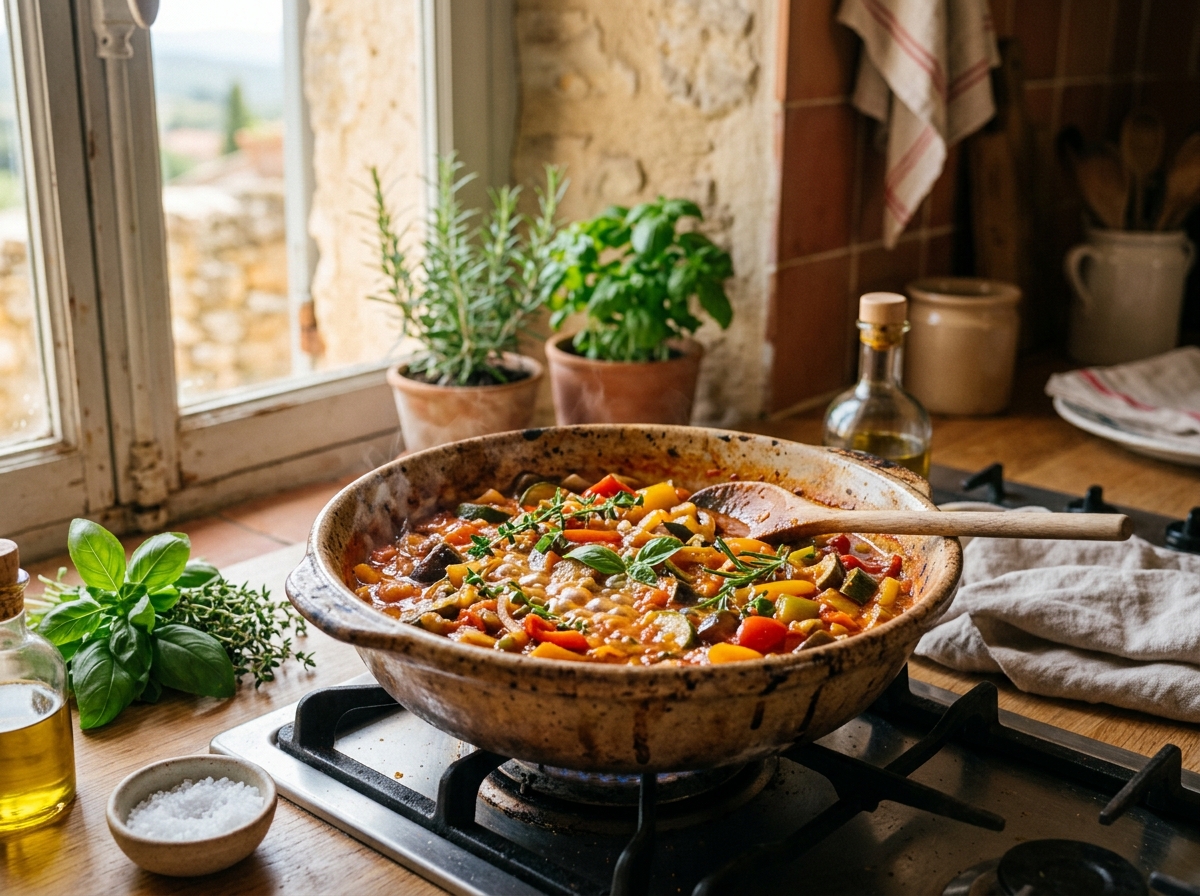
Ratatouille stands as perhaps the most famous Provençal export, though the Disney movie version bears little resemblance to the rustic stew traditionally served throughout the region. Real ratatouille involves cooking each vegetable separately before combining them, ensuring that eggplant, zucchini, peppers, and tomatoes all maintain their distinct textures and flavors.
Bouillabaisse, the golden fish stew from Marseille, represents Provençal cooking at its most complex. The authentic version requires specific Mediterranean fish and a precise technique for emulsifying olive oil into the broth. Served with rouille (a spicy mayonnaise) and crusty bread, it's a meal that demands attention and rewards patience.
Tapenade, the olive spread that appears on every Provençal table, varies from village to village. Some versions include capers and anchovies; others add hard-boiled eggs or tuna. The constant is the pulse of the mortar and pestle, which creates a texture no food processor can match.
Socca, the chickpea flour pancake sold from street carts in Nice, shows how simple ingredients can create something magical. Made from just chickpea flour, water, olive oil, and salt, it's cooked in wood-fired ovens until the edges crisp while the center remains creamy.
Daube, the wine-braised beef stew, slow-cooks for hours in a sealed pot called a daubière. Orange zest and herbes de Provence perfume the meat while it becomes fork-tender. Traditionally served with pasta or polenta, it's Provence's answer to winter comfort food.
Cooking Techniques That Define the Region
Provençal cooking favors techniques that concentrate and preserve flavors. Confit, most famous for duck legs, also applies to vegetables like tomatoes and garlic. Slow-cooking in olive oil transforms tough vegetables into silky preserves that keep for months.
The technique called à la Provençale—cooking with tomatoes, garlic, and herbs—appears throughout French cuisine as shorthand for the region's flavor profile. But authentic Provençal cooking goes deeper, using techniques like the slow reduction of tomatoes to create concentrated flavor bases.
Grilling over vine cuttings gives foods a distinctive smoky flavor that gas or charcoal can't replicate. Fish, vegetables, and meats all benefit from this technique, which requires patience but rewards with incomparable flavor.
The art of making aioli—real aioli, not mayonnaise with garlic—involves slowly emulsifying olive oil into egg yolks and garlic using only a whisk and elbow grease. The result is a sauce with personality, one that varies based on the oil, the garlic, and the maker's technique.
Seasonal Cooking and Market Culture
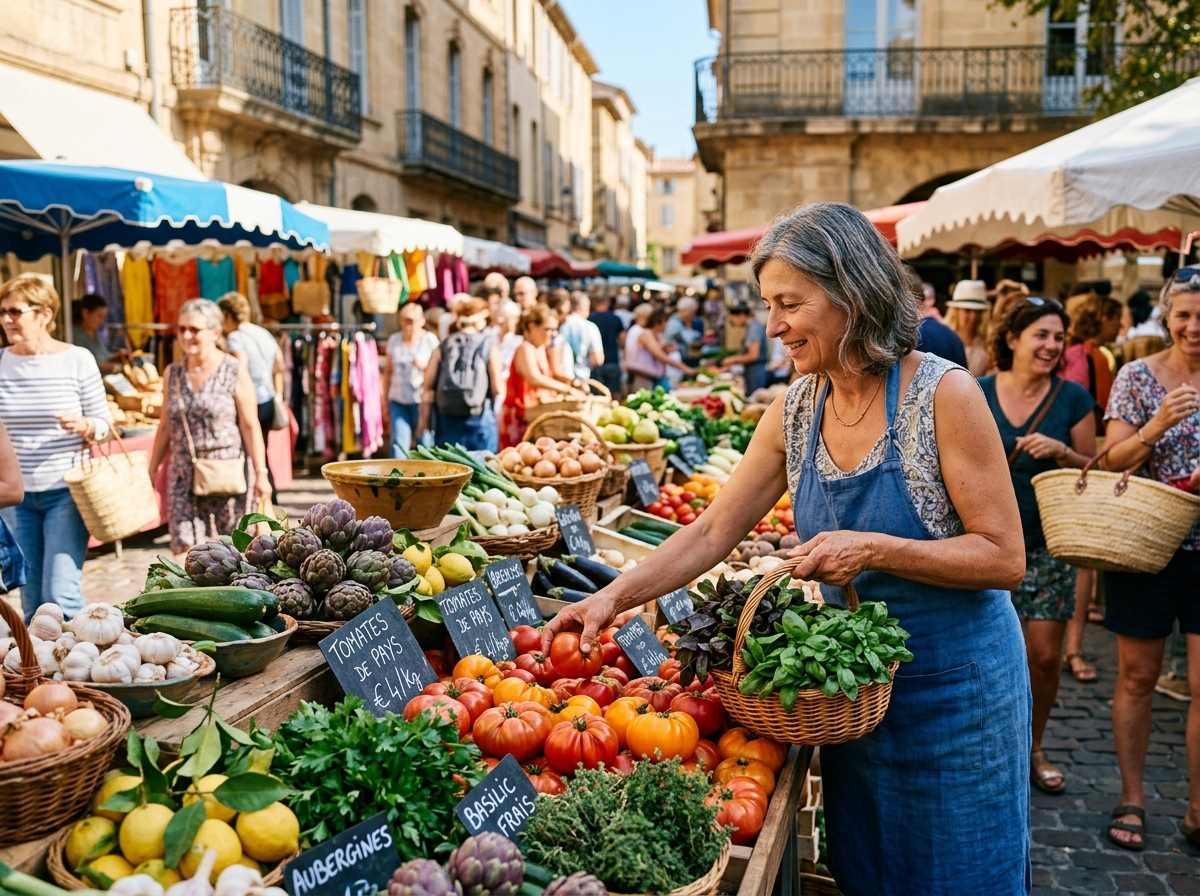
Provençal cooking follows the rhythms of the market and the season more strictly than perhaps any other French regional cuisine. Spring brings tender artichokes and fresh peas, summer explodes with tomatoes and zucchini, fall offers wild mushrooms and game, and winter calls for hearty braises and preserved foods.
The region's markets aren't just places to shop—they're cultural institutions where recipes are shared and traditions preserved. Vendors will tell you how to prepare their vegetables, when to use which herbs, and why their olives are superior to the neighboring stall's.
This seasonal approach means that authentic Provençal recipes can't always be replicated exactly outside the region. But understanding the principles—use the best ingredients available, don't overcomplicate them, and let time work its magic—allows home cooks anywhere to capture the spirit of Provençal cooking.
Bringing Provence to Your Kitchen
You don't need to live in the South of France to cook Provençal food successfully, but you do need to shop thoughtfully. Seek out the best olive oil you can afford—it makes a difference you can taste. Find a reliable source for anchovies packed in salt rather than oil, and don't skip the capers.
Grow herbs if you can, even if it's just a pot of basil on a windowsill. Fresh herbs transform Provençal dishes from good to extraordinary. If you must use dried herbs, buy them in small quantities and replace them frequently.
Practice patience with your cooking. Provençal dishes rarely benefit from rushing. Let your sofrito cook slowly until the onions are jammy and sweet. Allow your daube to braise until the meat falls apart. Give your aioli time to emulsify properly rather than rushing with a blender.
Most importantly, taste as you go. Provençal cooking isn't about following recipes to the letter—it's about understanding how flavors work together and adjusting seasoning to create balance. A little more garlic here, a splash more wine there, an extra pinch of herbs at the end.
The Spirit of Provençal Hospitality
Beyond the recipes and techniques, Provençal cooking embodies a particular approach to food and life. Meals are meant to be shared, conversations are meant to linger, and the simple pleasure of good food among friends takes precedence over perfection.
This philosophy influences how we approach these recipes. They're not about impressing guests with complicated techniques or exotic ingredients. Instead, they celebrate the kind of cooking that brings people together around a table laden with simple, beautiful food.
Whether you're making a quick weeknight ratatouille or spending a weekend on homemade bouillabaisse, remember that Provençal cooking is ultimately about joy. It's about the satisfaction of peeling tomatoes by hand, the meditation of stirring aioli, and the pleasure of sharing the results with people you care about.
As you explore these sun-soaked flavors, you're connecting with centuries of cooks who understood that the best meals come from the heart as much as the kitchen. These French recipes from Provence remind us why cooking remains one of life's great pleasures—simple ingredients, time-honored techniques, and the magic that happens when we cook with love.
Sources & further reading
- What Are Herbs de Provence? How to Make (and Use) Your Own Provençal Herb Blend — MasterClass
- Cuisine of Provence — Wikipedia
- Bourride — Wikipedia
- The Art of French Cuisine: Provence - Cuisine workshop and tasting — Le Cordon Bleu Paris
Related Topics
Enjoyed this article? Share it with fellow food lovers!
Import a recipe, start cooking
Paste any recipe URL and we'll turn it into a Cook Mode experience with step-by-step visuals, voice narration, and built-in timers.