

Middle Eastern Soup Recipes: Warming Bowls of Comfort
Middle Eastern soups transform simple ingredients into soul-warming bowls of comfort. From Persian herb stews to Levantine lentil broths, these recipes carry centuries of tradition in every spoonful.
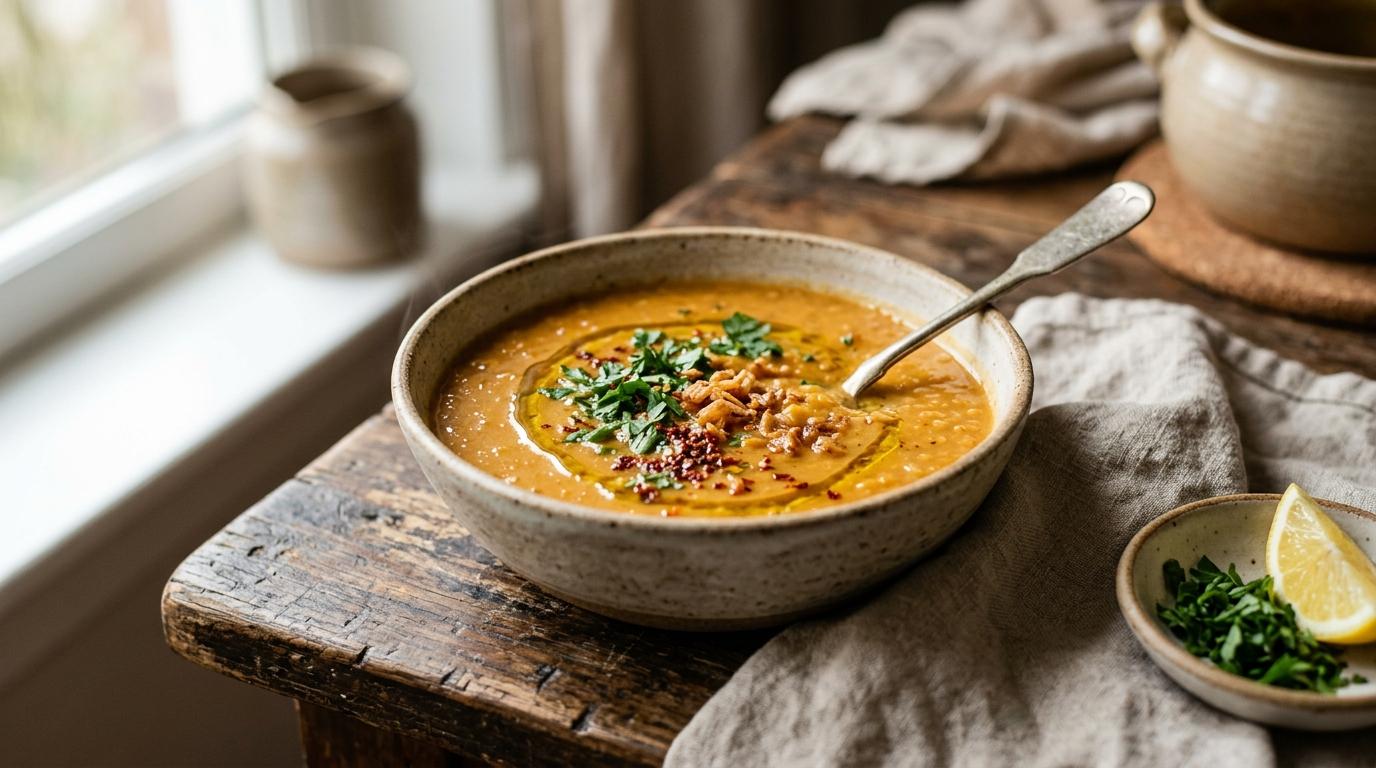
When winter winds blow through ancient cities from Tehran to Damascus, kitchens fill with the gentle bubbling of soup pots. Middle Eastern soups carry the weight of history in their broths — each region adding its own signature blend of spices, herbs, and textures. These aren't just meals; they're liquid comfort that connects us to generations of cooks who understood that the best medicine often comes in a bowl. Whether you're exploring our comprehensive collection of middle eastern recipes or diving deep into these soul-warming soups, you'll discover that each spoonful tells a story.
The magic of Middle Eastern soup-making lies in layering flavors rather than rushing to the finish line. These recipes teach patience — the kind where you toast whole spices until they release their oils, where you build depth one ingredient at a time. The reward is broths so rich they coat the spoon, vegetables that melt on your tongue, and aromas that transform your kitchen into something that feels like home.
The Foundation of Flavor: Building Middle Eastern Soup Bases
Great Middle Eastern soups start with a proper base, and that almost always means blooming spices in fat. Whether you're using olive oil, ghee, or butter, this initial step separates good soup from transcendent soup. Whole cumin seeds crackle and pop, releasing their earthy perfume. Coriander seeds follow, then maybe a cinnamon stick or cardamom pods.
The aromatics come next — onions that cook until they're golden and sweet, garlic that sizzles just until fragrant. Some recipes call for tomato paste, which gets stirred into the hot oil until it darkens and concentrates its flavor. This is your canvas, and everything that follows will be painted on top of these carefully built layers.
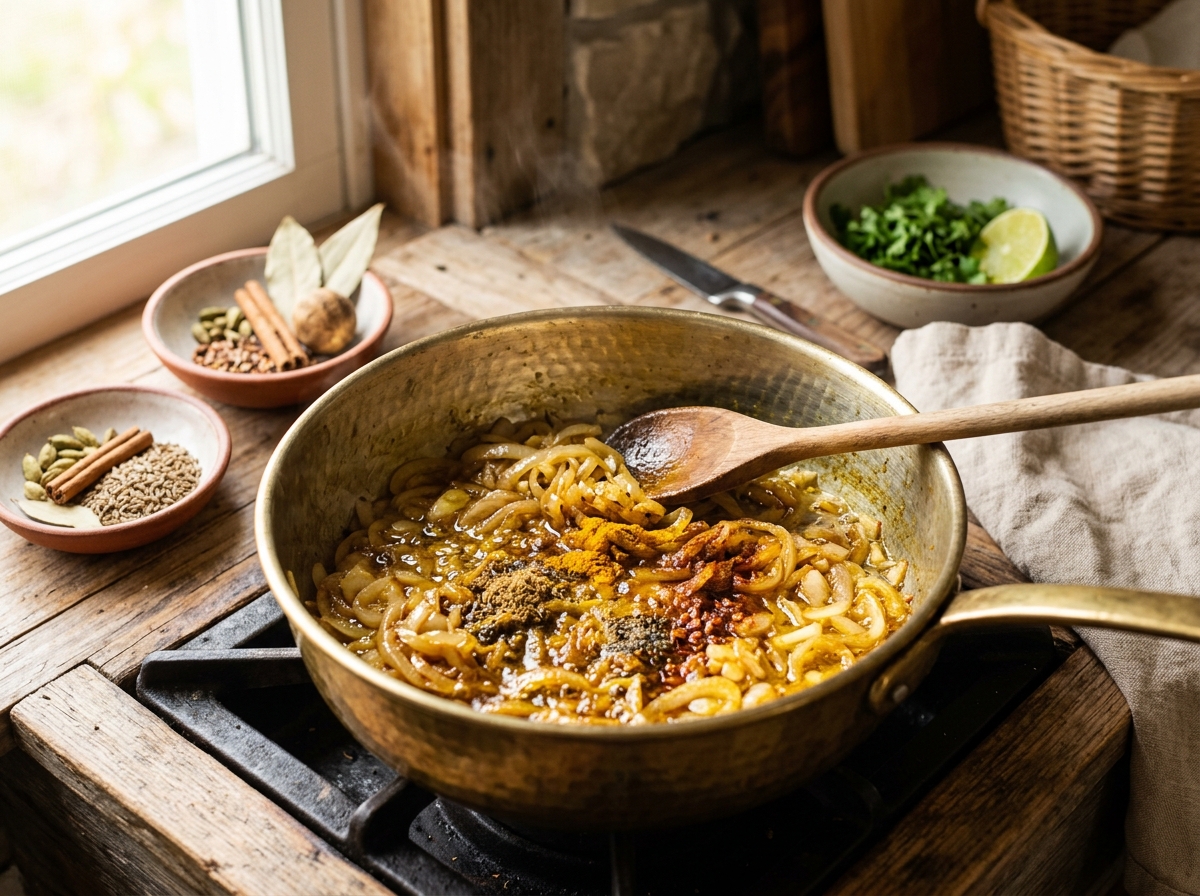
Stock matters, but it doesn't have to be complicated. Chicken stock brings richness, vegetable stock keeps things light, and sometimes just water with the right seasonings creates the perfect backdrop. The key is understanding that your liquid is carrying all those beautiful flavors you've built in the pot.
Persian Powerhouses: Ash-e Reshteh and Beyond
Persian soup culture runs deep, with ash-e reshteh standing as perhaps the most celebrated example. This thick, hearty soup combines fresh herbs, legumes, and thin noodles in a symphony that somehow manages to taste both ancient and immediate. The herbs — parsley, cilantro, dill, green onions, and sometimes fenugreek — get chopped fine and cooked down until they form a green base that's intensely aromatic.
The beauty of ash-e reshteh lies in its flexibility. Kidney beans, chickpeas, and black-eyed peas provide protein and texture, while the thin Persian noodles (reshteh) give the soup its name and substance. Each spoonful offers something different — sometimes you catch a tangle of noodles, sometimes a perfectly tender bean, always that bright hit of herbs.
The traditional garnish of fried onions, mint oil, and kashk (fermented whey) transforms the soup from rustic to restaurant-worthy. The crispy onions add sweetness and crunch, the mint oil brightens everything up, and kashk provides a tangy, umami depth that's hard to replicate with other ingredients.
Ash-e anar, pomegranate soup, takes a completely different approach. Ground walnuts thicken the broth while pomegranate molasses provides a sweet-tart backbone that's unlike anything else in the soup world. Meatballs studded with rice make it substantial enough for dinner, while fresh herbs keep it feeling bright despite the rich walnut base.
Levantine Classics: From Shorba to Harira
Lebanese and Syrian kitchens excel at lentil-based soups that prove simplicity doesn't mean boring. Red lentil shorba starts with those familiar aromatic spices — cumin, coriander, turmeric — then builds into something golden and satisfying. The lentils break down as they cook, naturally thickening the soup while providing protein and fiber.
What sets great shorba apart is the final flourish of lemon juice and fresh herbs. The acid brightens the entire pot, cutting through the earthiness of the lentils and making every other flavor pop. Some cooks add a handful of vermicelli or rice for texture, others prefer to keep it pure lentil. Both approaches work beautifully.
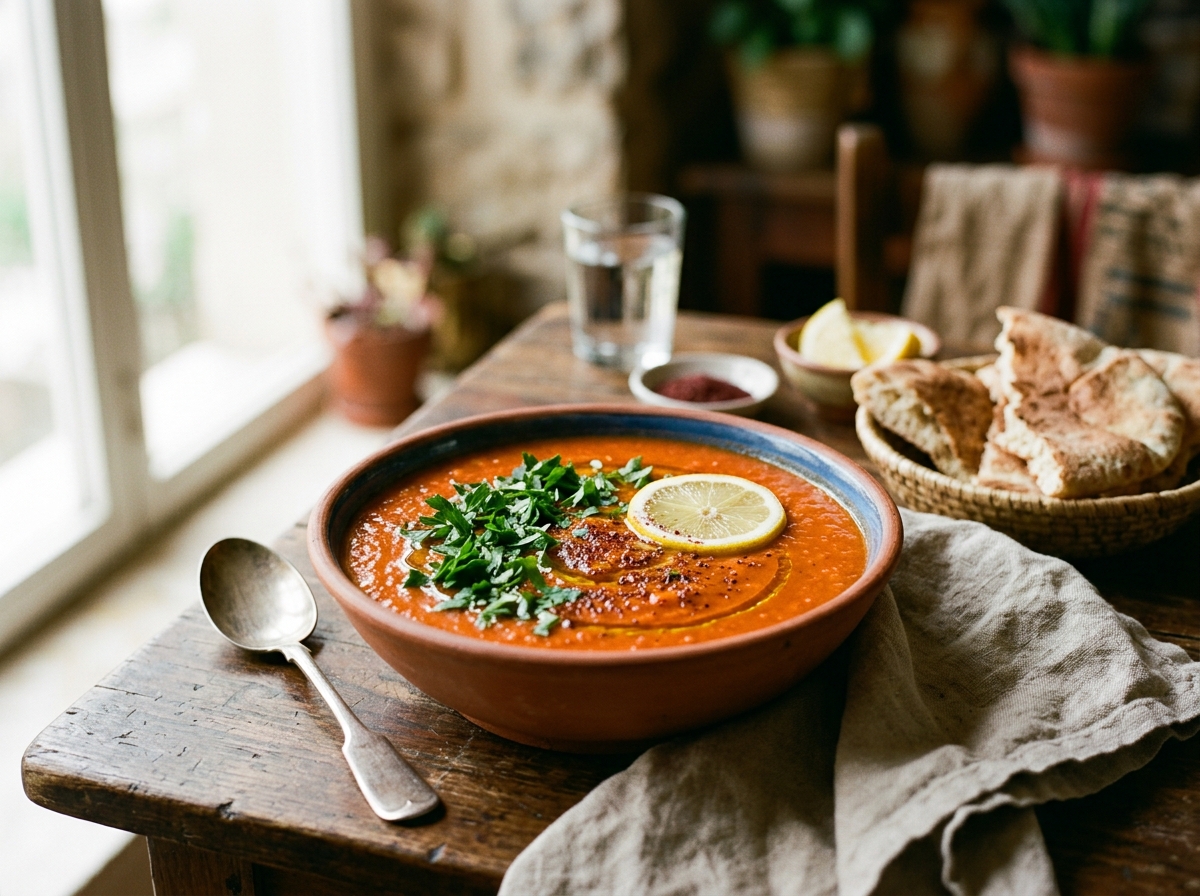
Harira, though more commonly associated with Moroccan cuisine, has variations throughout the Levant that deserve attention. The Lebanese version tends to be lighter than its North African cousin, focusing on tomatoes, lentils, and chickpeas with a generous handful of fresh cilantro and parsley stirred in at the end.
The technique for harira involves building layers of flavor through careful timing. Onions cook until soft, tomatoes break down into a silky base, and lentils simmer until they're tender but still hold their shape. The final addition of herbs and lemon transforms what could be a heavy, stodgy soup into something bright and nourishing.
Key Ingredients That Make the Difference
Middle Eastern soups rely on a handful of ingredients that might not be in every American pantry, but they're worth seeking out. Sumac adds a lemony tartness without additional liquid. Za'atar brings herbaceous complexity. Pomegranate molasses provides sweet-tart depth that's impossible to replicate with fresh pomegranate juice alone.
Dried mint, used differently than fresh, adds an almost medicinal quality that works beautifully in bean-based soups. Turmeric provides color and earthiness without overwhelming other flavors. Baharat — the warm spice blend of cinnamon, cardamom, and black pepper — gives soups a complexity that individual spices can't match.
Fresh herbs matter enormously, but they're used differently than in Western cooking. Large quantities get cooked down into the soup base rather than just sprinkled on top. Parsley, cilantro, and dill become integral parts of the soup's structure, not just garnishes.
Legumes form the backbone of many Middle Eastern soups. Red lentils cook quickly and break down to thicken broths naturally. Chickpeas and white beans hold their shape and provide satisfying texture. Black-eyed peas, less common in American kitchens, bring a subtle nutty flavor that works beautifully with herbs and spices.
Techniques That Elevate Your Soup Game
Temperature control separates good Middle Eastern soups from great ones. These aren't soups that benefit from aggressive boiling — they want to simmer gently, allowing flavors to meld without breaking down delicate ingredients. Lentils can turn mushy in minutes if the heat's too high, while beans need steady, gentle cooking to become tender without falling apart.
Seasoning happens in stages, not all at once. Salt early helps draw moisture from vegetables and concentrates flavors. Acid — lemon juice, pomegranate molasses, or sumac — comes near the end to preserve brightness. Delicate herbs get stirred in just before serving to maintain their color and fresh flavor.
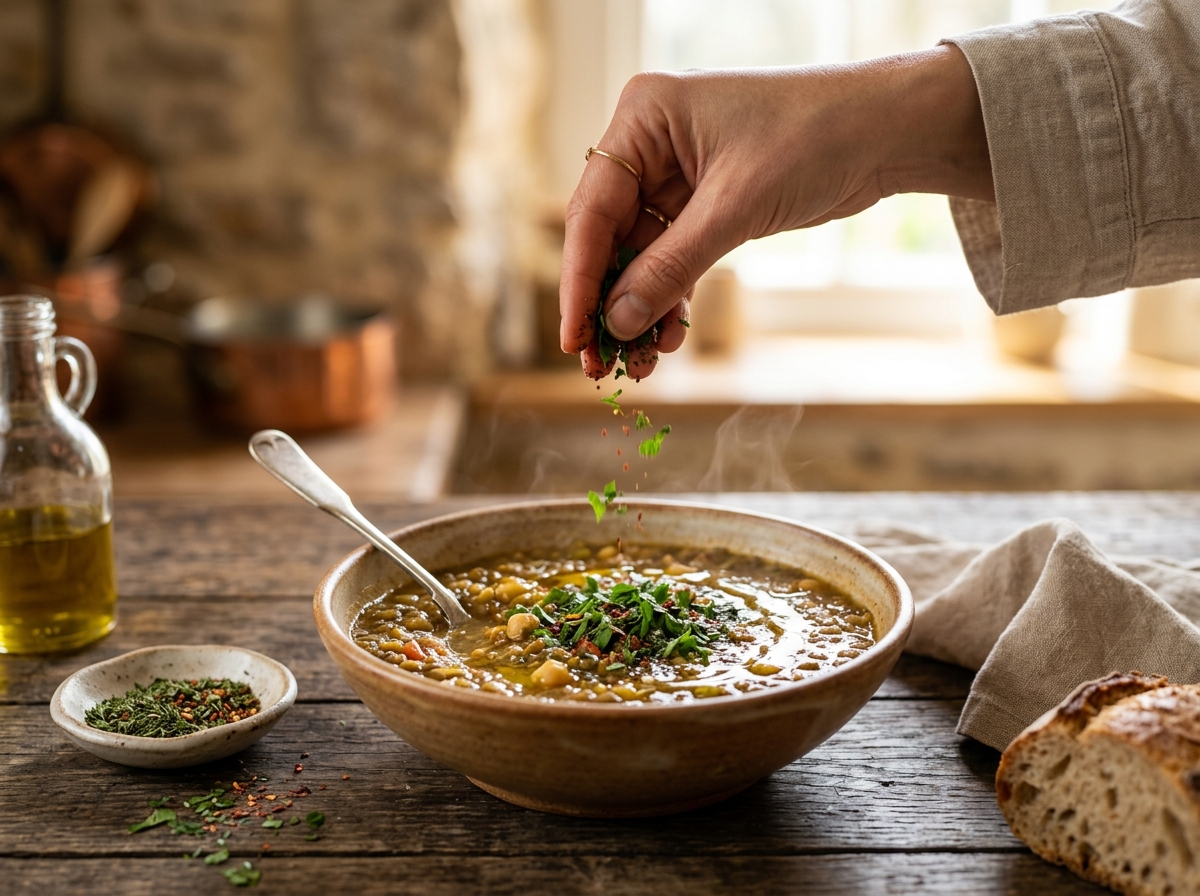
Garnishes aren't afterthoughts in Middle Eastern cuisine; they're integral parts of the dish. Fried onions add sweetness and crunch. Herb oils provide color and aromatic lift. A swirl of yogurt or labneh cools and enriches. These final touches transform a simple soup into something special.
Pro Tips for Perfect Results
Toast your whole spices before grinding them, even if you're using pre-ground versions later. The difference in depth and complexity is remarkable. A dry skillet over medium heat for just a minute or two will release oils you didn't know were there.
Don't rush the onion stage. Golden onions provide sweetness that balances the earthiness of legumes and spices. Pale onions contribute harsh flavors that no amount of seasoning can fix.
Taste and adjust constantly, especially with acid and salt. Middle Eastern soups often walk a careful line between rich and bright, and that balance shifts as ingredients cook down and flavors concentrate.
Making Middle Eastern Soups Your Own
These traditional recipes welcome adaptation, but understanding the core principles helps guide your creativity. The holy trinity of onions, garlic, and spices provides the foundation. Legumes or grains add substance. Fresh herbs bring brightness. Acid balances everything out.
You can substitute lentil varieties based on what you have — red lentils cook fastest and break down most completely, while green and black lentils hold their shape better. Different beans work in most recipes, though cooking times will vary. Even the herbs can flex — if you can't find fenugreek for ash-e reshteh, extra dill and parsley will still create something delicious.
Consider your serving situation when adapting recipes. Some soups, like ash-e reshteh, are substantial enough to serve as complete meals. Others work better as starters or alongside bread and cheese. The consistency can usually be adjusted by varying the amount of liquid or cooking time.
Serving and Storage
Middle Eastern soups often improve with time, making them perfect for meal prep or entertaining. The flavors continue to meld in the refrigerator, though you may need to add liquid when reheating since legumes and grains continue absorbing moisture.
Serve these soups with good bread — pita, lavash, or crusty country bread all work beautifully. A dollop of yogurt or labneh provides cooling contrast, while a drizzle of good olive oil adds richness. Fresh herbs for garnish let each person customize their bowl.
Most of these soups freeze well, though those with dairy or delicate herbs might need refreshing with fresh ingredients after thawing. Portion them in serving sizes for easy weeknight meals.
The Comfort of Tradition
What makes Middle Eastern soups special isn't just their flavors — it's their ability to create comfort and connection. These are recipes passed down through generations, each family adding their own touches while maintaining the essential character that makes them recognizable across borders and decades.
Whether you're making a simple lentil shorba on a busy weeknight or preparing elaborate ash-e reshteh for a gathering, you're participating in a tradition that values patience, layered flavors, and the understanding that good food brings people together. These soups remind us that sometimes the most nourishing meals are also the simplest ones.
As you explore these recipes and others in our collection of middle eastern recipes, remember that cooking is a conversation between past and present. Each bowl you make carries forward the wisdom of countless cooks while creating new memories around your own table. The best Middle Eastern soups aren't just about following recipes — they're about understanding the principles that make them work and adapting them to your own kitchen, your own family, your own sense of what tastes like home.
Sources & further reading
- Lentil soup — Wikipedia
- Aush reshteh — Wikipedia
- Vegetarian Soups from the Middle East — The Vegetarian Resource Group (VRG)
- Leaning Levantine — National Culinary Review (American Culinary Federation)
Related Topics
Enjoyed this article? Share it with fellow food lovers!
Import a recipe, start cooking
Paste any recipe URL and we'll turn it into a Cook Mode experience with step-by-step visuals, voice narration, and built-in timers.