

Middle Eastern Rice Recipes: From Jeweled Persian to Fragrant Pilaf
Master the art of Middle Eastern rice and grain cooking with time-tested recipes for Persian jeweled rice, Lebanese rice pilaf, and aromatic bulgur dishes that transform simple ingredients into stunning centerpieces.
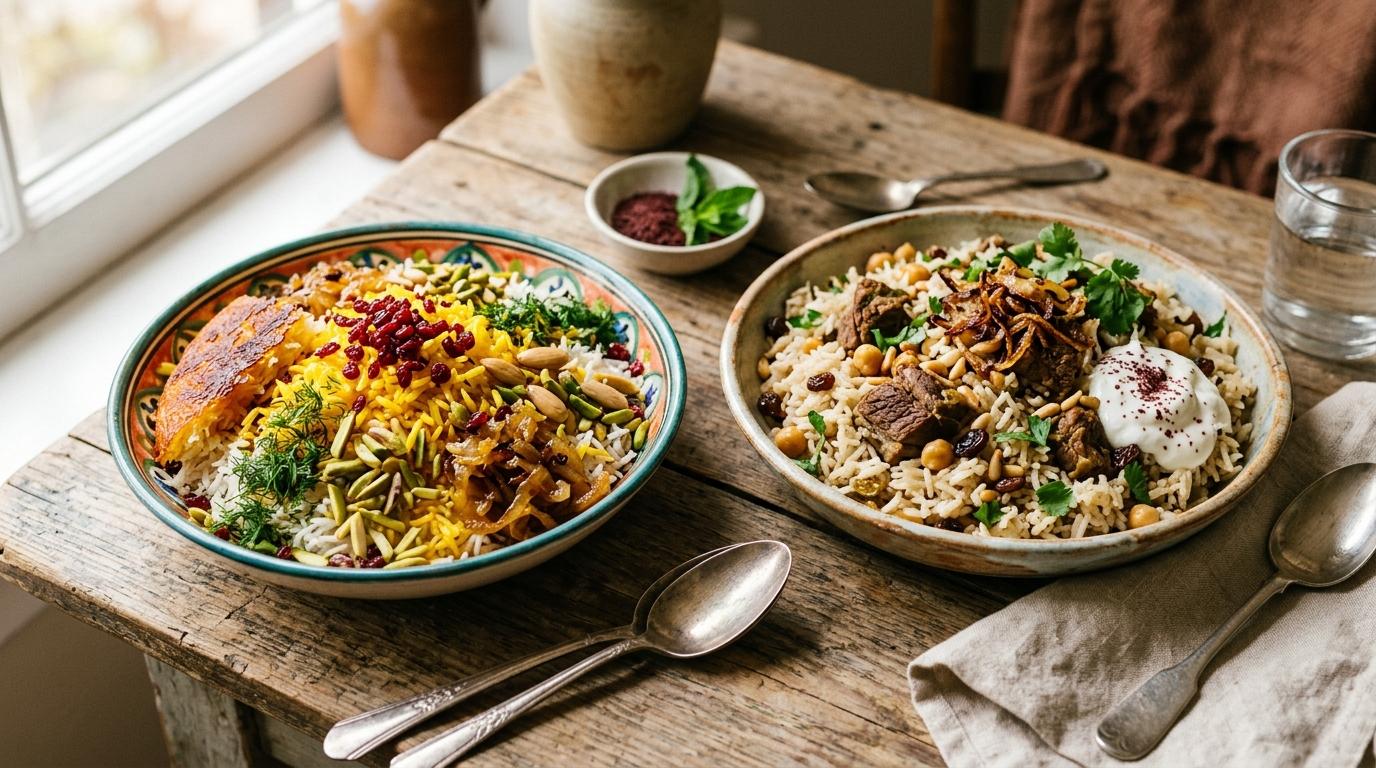
Rice isn't just sustenance in Middle Eastern cooking—it's poetry. From the jeweled splendor of Persian polo to the comforting simplicity of Lebanese ruz bi sha'riyeh, these grains carry centuries of tradition in every fragrant kernel. Whether you're exploring our collection of middle eastern recipes or diving deep into this specific craft, understanding rice and grain cookery opens doors to some of the region's most beloved dishes.
Middle Eastern rice cooking transforms humble grains into something transcendent. The technique matters as much as the ingredients—the way you wash the rice, bloom the spices, and control the steam determines whether you end up with separate, fluffy grains or a mushy disappointment.
Each country brings its own personality to rice cookery. Iranians create architectural masterpieces with their tahdig (the coveted crispy bottom). Lebanese cooks fold vermicelli into their rice for texture and nutty depth. Turkish kitchens perfume bulgur with tomatoes and herbs until it tastes like sunshine.
Understanding Middle Eastern Rice Varieties
The foundation of great Middle Eastern rice starts with choosing the right grain. Basmati reigns supreme for most dishes—its long grains stay separate when cooked properly, and its natural fragrance complements the region's bold spices without competing.
Persian cooking often calls for aged basmati, sometimes stored for years to develop deeper flavor and better texture. The grains become more brittle with age, which sounds counterintuitive but actually helps them cook more evenly and maintain their shape.
For everyday pilaf, look for basmati that's at least one year old. The packages sometimes indicate aging, but if not, choose grains that feel dry and break cleanly when you snap them. Avoid rice that feels oily or has a stale smell.
Short-grain rice appears in certain regional dishes, particularly those meant to be creamy rather than fluffy. Egyptian rice puddings and some Levantine stuffed vegetable fillings use these starchier varieties intentionally.
Essential Techniques for Perfect Middle Eastern Rice
The washing ritual matters more than most Western cooks realize. Rinse your basmati until the water runs completely clear—this removes surface starch that would otherwise make your rice gluey. Some Persian cooks wash rice up to seven times, and while that might seem excessive, it's insurance against clumpy results.
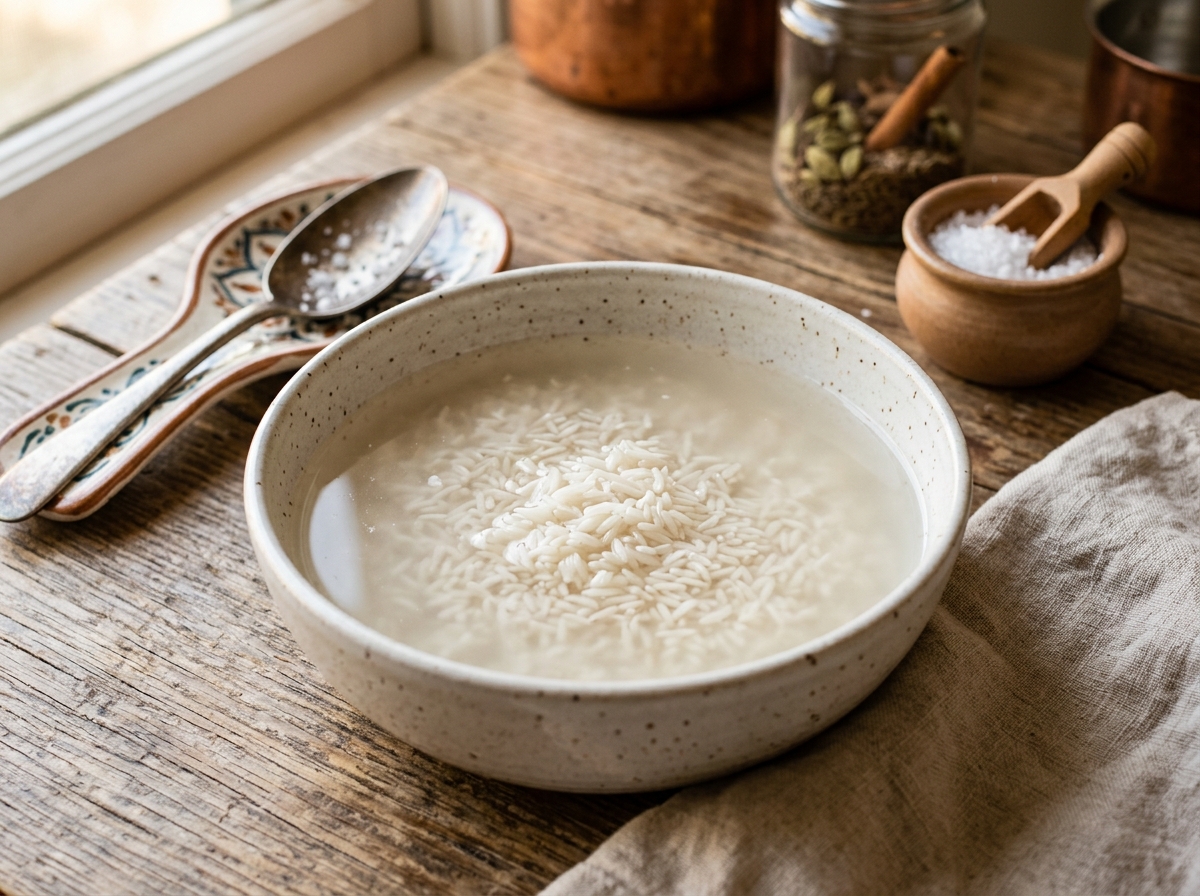
Soaking comes next. Thirty minutes minimum for basmati, though an hour or two won't hurt. The grains absorb water and soften slightly, which helps them cook more evenly. Add a tablespoon of salt to the soaking water—this seasons the rice from the inside out.
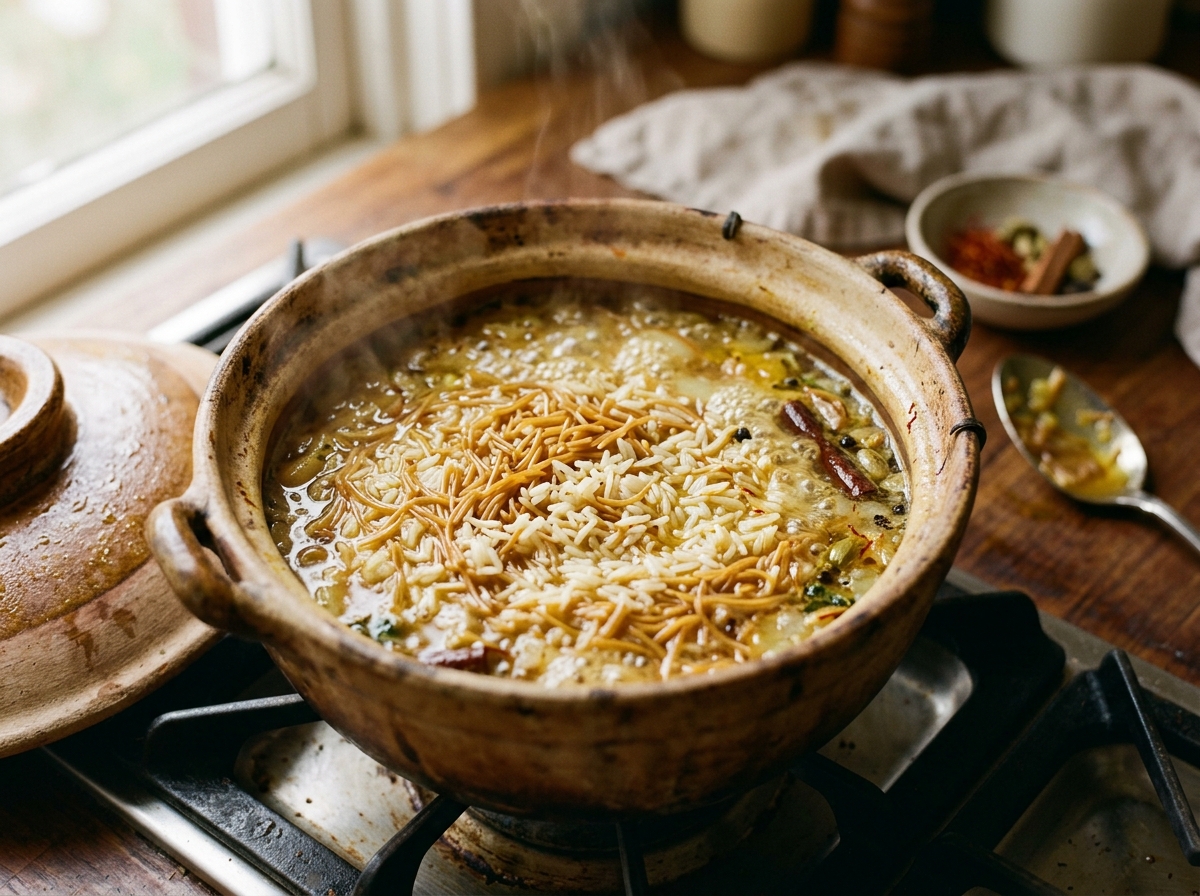
The blooming technique separates amateur from expert. Heat your oil or ghee first, then add whole spices like cinnamon sticks, cardamom pods, or bay leaves. You'll hear them sizzle and smell their oils releasing—this is flavor insurance. Some recipes call for vermicelli at this stage, toasted until golden before the rice joins the party.
Temperature control determines texture. Start hot to get the grains moving, then drop to the lowest possible heat once you've added liquid and covered the pot. This gentle steaming is what creates fluffy, separate grains instead of a sticky mess.
Persian Jeweled Rice (Polo ba Morasa)
This is Persian rice cookery at its most celebratory. Jeweled rice transforms a simple grain into something fit for royalty, studded with dried fruits, nuts, and aromatic spices that catch the light like actual gems.
The base starts with perfectly cooked basmati, but the magic happens in the layering. Saffron-stained rice gets folded with toasted almonds, pistachios, dried barberries, and orange zest. Each component contributes its own flavor note—the barberries provide tart brightness, the nuts add richness, and the saffron brings that distinctive Persian perfume.
Barberries deserve special mention. These tiny, intensely sour dried berries (zereshk in Persian) are available at Middle Eastern markets and online. They're worth seeking out—their tartness cuts through rich dishes beautifully, and their ruby color is part of the visual appeal.
The tahdig tradition elevates this dish from special to spectacular. The crispy rice crust that forms at the bottom of the pot is considered the prize portion. Some cooks add sliced potatoes or lavash bread to encourage better crust formation. Getting perfect tahdig takes practice, but even imperfect versions taste amazing.
Lebanese Rice Pilaf (Ruz bi Sha'riyeh)
Lebanese pilaf represents comfort cooking at its finest. The addition of vermicelli might seem unusual if you're not familiar with Middle Eastern techniques, but those thin pasta strands add textural interest and a subtle nutty flavor from toasting.
The process starts by breaking vermicelli into inch-long pieces and toasting them in oil or butter until they turn golden brown. This step is crucial—pale vermicelli contributes little, but properly browned pasta adds depth and complexity to the finished dish.
The rice-to-liquid ratio matters enormously. Too much water creates mushy rice, while too little leaves hard centers. The standard ratio is one cup rice to one and three-quarter cups liquid, but this varies with rice age and desired texture. Start conservative—you can always add liquid, but you can't take it away.
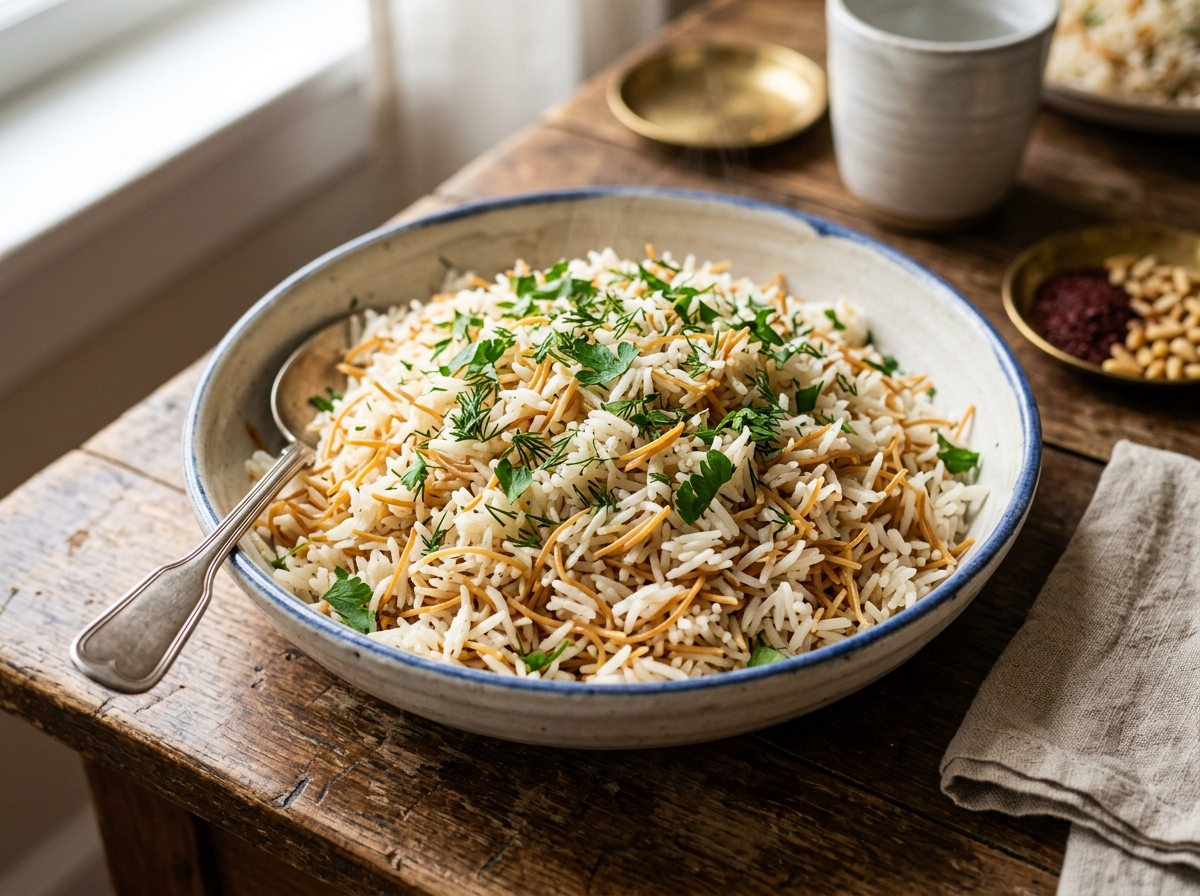
Seasoning happens in layers. Salt goes into the cooking liquid, but many Lebanese cooks finish with a drizzle of good olive oil and a sprinkle of toasted pine nuts. These final touches add richness and textural contrast that make simple rice feel luxurious.
Turkish Bulgur Pilaf (Bulgur Pilavı)
Bulgur brings different possibilities to Middle Eastern grain cookery. These pre-cooked, dried wheat berries have a nutty flavor and chewy texture that pairs beautifully with tomatoes, herbs, and warm spices.
Fine bulgur works for tabbouleh-style salads, but pilaf demands coarser grades. Medium or coarse bulgur holds its shape during cooking and provides satisfying bite. The cooking method resembles rice pilaf but requires less liquid since bulgur is already partially cooked.
Turkish bulgur pilaf often includes diced tomatoes, which break down during cooking and stain the grains an appealing reddish color. Fresh herbs—parsley, dill, or mint—get stirred in at the end for brightness and color contrast.
The liquid choice affects final flavor significantly. Chicken or vegetable stock creates richer results than plain water. Some recipes call for tomato paste bloomed in oil before adding the bulgur, which intensifies both color and flavor.
Key Ingredients and Where to Find Them
Quality ingredients make the difference between good and transcendent rice dishes. Aged basmati rice is worth seeking out at Middle Eastern markets, where turnover ensures freshness and proper storage.
Saffron remains the most expensive ingredient, but a little goes far. Buy whole threads rather than powder—they keep better and you can verify quality. Real saffron threads are deep red with slightly lighter tips, and they'll stain warm liquid golden yellow within minutes.
Barberries, dried sour cherries, and other specialty dried fruits are available online if your local Middle Eastern market doesn't stock them. Store them in airtight containers in a cool, dark place—they'll keep for months.
Ghee or clarified butter provides rich flavor without burning at high temperatures. You can make your own by slowly melting butter and straining out the milk solids, or buy prepared ghee from Indian or Middle Eastern markets.
Advanced Techniques and Troubleshooting
Creating perfect tahdig requires patience and attention. Use a heavy-bottomed pot to distribute heat evenly, and don't be tempted to peek too often—lifting the lid releases steam that's crucial for proper cooking.
If your rice turns out too sticky, you probably didn't wash it thoroughly enough or used too much liquid. For future batches, increase washing time and reduce liquid slightly. If it's too dry or has hard centers, add a bit more liquid and extend cooking time.
Burnt bottom doesn't necessarily mean failure—unless it's truly charred, that crispy layer might be perfectly good tahdig. Let the pot rest off heat for ten minutes before investigating. Sometimes what smells like burning is actually caramelization.
Leftover rice and grain dishes reheat beautifully. Add a splash of stock or water, cover, and warm gently on the stovetop or in the microwave. The flavors often improve overnight as spices marry with the grains.
Serving and Pairing Suggestions
These rice and grain dishes shine alongside grilled meats and vegetables. Persian jeweled rice pairs beautifully with our kabob koobideh, while Lebanese pilaf complements everything from roasted chicken to lamb kofta.
Consider temperature when planning your meal. Rice dishes taste best warm rather than hot, which makes them perfect for entertaining—they hold well and actually improve as they rest slightly.
Fresh herbs, toasted nuts, and good olive oil make excellent finishing touches. A sprinkle of sumac adds tartness and color, while a dollop of thick yogurt provides cooling contrast to spiced dishes.
These recipes scale well for larger gatherings. Double or triple quantities work fine, though you may need to adjust cooking times slightly for larger pots. Just maintain the same ratios of rice to liquid and seasonings.
Conclusion
Middle Eastern rice and grain cookery rewards patience and attention to detail. These aren't difficult techniques, but they do require understanding the fundamentals—proper washing, temperature control, and timing. Once you master these basics, you'll have access to a repertoire of dishes that can anchor any meal.
The beauty of these recipes lies in their versatility. They work equally well as everyday sides or centerpiece dishes for special occasions. They're also forgiving once you understand the principles—add your own touches with different nuts, dried fruits, or herb combinations.
Whether you're exploring the full range of middle eastern recipes or focusing specifically on rice and grain dishes, these techniques will serve you well. Start with one recipe, master it, then branch out to explore the rich variations that make Middle Eastern cooking so endlessly fascinating.
Sources & further reading
- Bulgur | Description, History, Preparation, & Nutrition — Encyclopaedia Britannica
- Lebanese Rice with Vermicelli — The Mediterranean Dish
- Persian Rice Tahdig - How to Make Tahdig — The Mediterranean Dish
- Javaher Polo Will Be Your Holiday Table's Crown Jewel — America's Test Kitchen
Related Topics
Enjoyed this article? Share it with fellow food lovers!
Import a recipe, start cooking
Paste any recipe URL and we'll turn it into a Cook Mode experience with step-by-step visuals, voice narration, and built-in timers.