

Mexican Soup Recipes: Authentic Stews That Warm the Soul
Mexican soups and stews bring centuries of tradition to your bowl with rich broths, tender meats, and vibrant chiles that create comfort food at its finest.
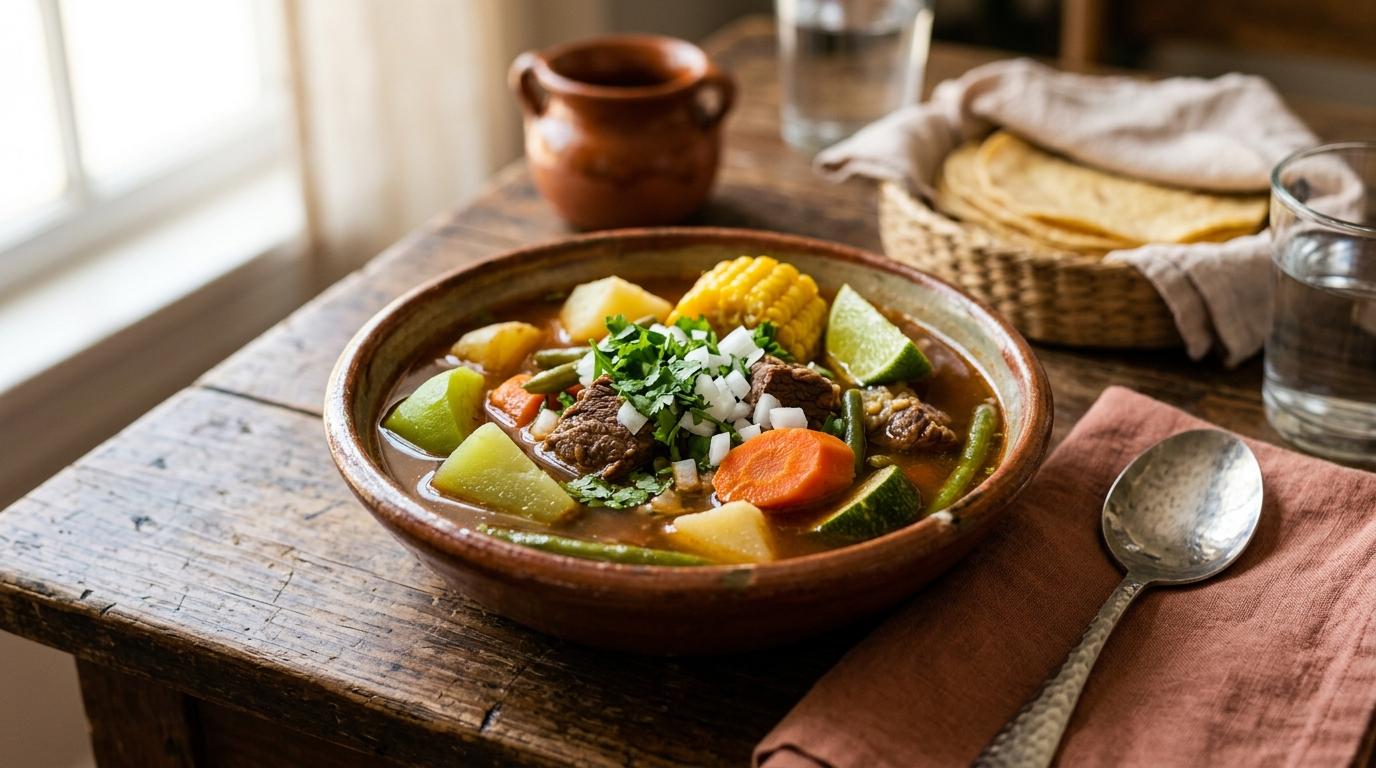
Mexican soup recipes represent some of the most soul-warming dishes in the culinary world, where ancient techniques meet bold flavors in bowls that have fed families for generations. From the ceremonial pozole served at celebrations to the healing powers of caldo de pollo, these recipes showcase the depth and complexity that makes Mexican recipes so beloved worldwide.
Unlike the thin broths you might expect, Mexican soups are substantial affairs—rich with hominy, tender meats, and layers of chile-driven flavor that build with each spoonful. They're comfort food that carries cultural weight, often served during holidays, family gatherings, or when someone needs healing.
The beauty of Mexican soup-making lies in its foundation: deeply flavored broths built from toasted chiles, aromatics, and slow-simmered bones. These aren't quick weeknight fixes—they're weekend projects that fill your kitchen with incredible aromas and reward patience with unforgettable flavor.
The Foundation: Building Mexican Soup Broths
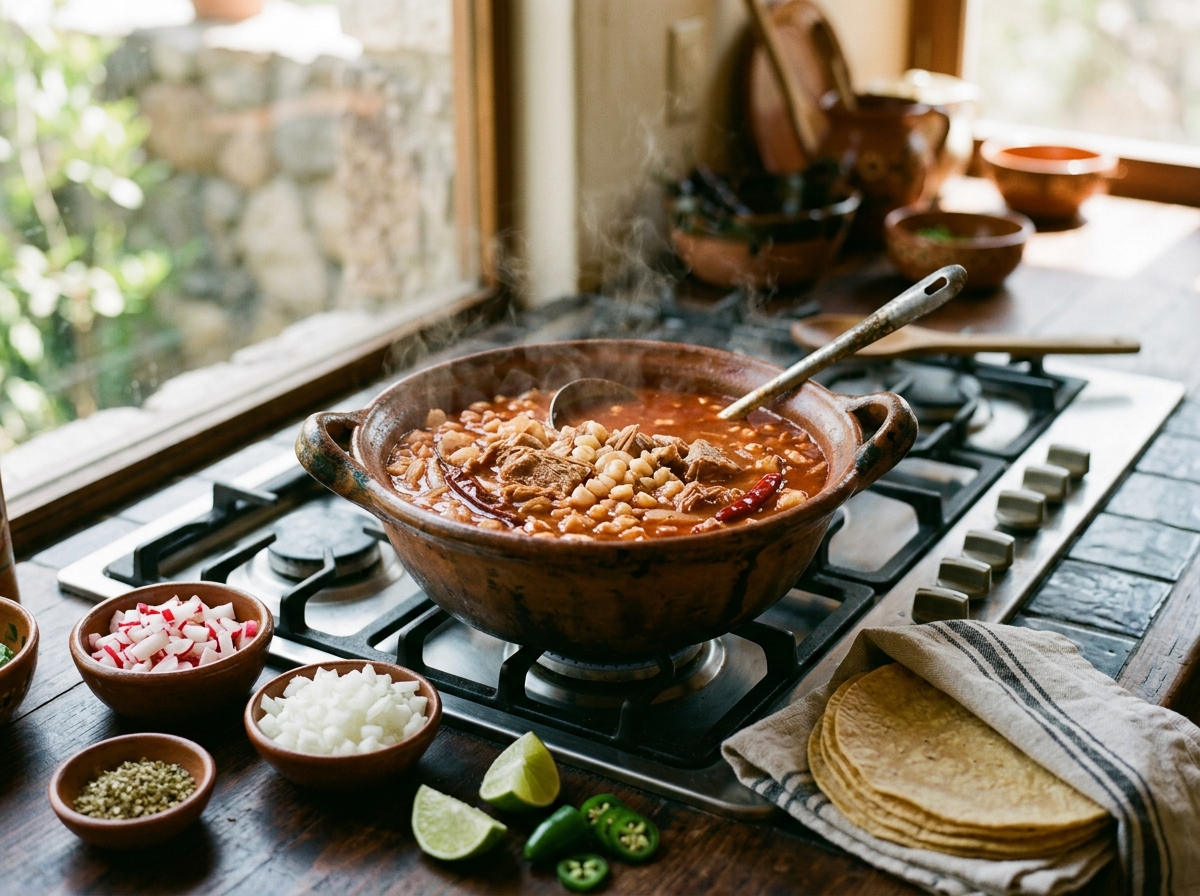
Great Mexican soups start with great broths, and the technique differs significantly from European traditions. Instead of starting with mirepoix, Mexican cooks begin with toasted dried chiles—guajillo, ancho, chipotle, or combinations that create complex flavor profiles.
The process begins by removing stems and seeds from dried chiles, then toasting them briefly in a dry pan until fragrant. This step awakens oils and deepens flavors that would remain dormant in untoasted chiles. The toasted chiles then soak in hot broth or water before blending into a smooth paste.
Bone broths form another crucial element. Beef bones, pork shoulder bones, or chicken carcasses simmer for hours with onion, garlic, and bay leaves, creating the rich foundation that carries all other flavors. The collagen from bones gives body and richness that transforms simple vegetables into something substantial.
Mexican cooks also employ a technique called "frying" the sauce—cooking the chile paste in hot oil or lard until it darkens and concentrates. This step develops deeper flavors and prevents the raw taste that can plague uncooked chile mixtures.
Pozole: The King of Mexican Soups
Pozole represents the pinnacle of Mexican soup craft, a dish so revered it's served at weddings, New Year celebrations, and other significant gatherings. The soup centers around hominy—dried corn kernels treated with lime to remove hulls—which creates a unique texture and subtle flavor.
Three main varieties exist: pozole rojo (red), pozole verde (green), and pozole blanco (white). Each gets its color from different chile combinations or herbs, but all feature tender pork and the characteristic hominy that gives pozole its name.
For pozole rojo, the most popular version, dried guajillo and ancho chiles create the signature red broth. Pork shoulder or pork butt simmers until fork-tender, often alongside pig's feet for added richness. The cooking liquid becomes the soup base, enriched with the toasted chile paste.
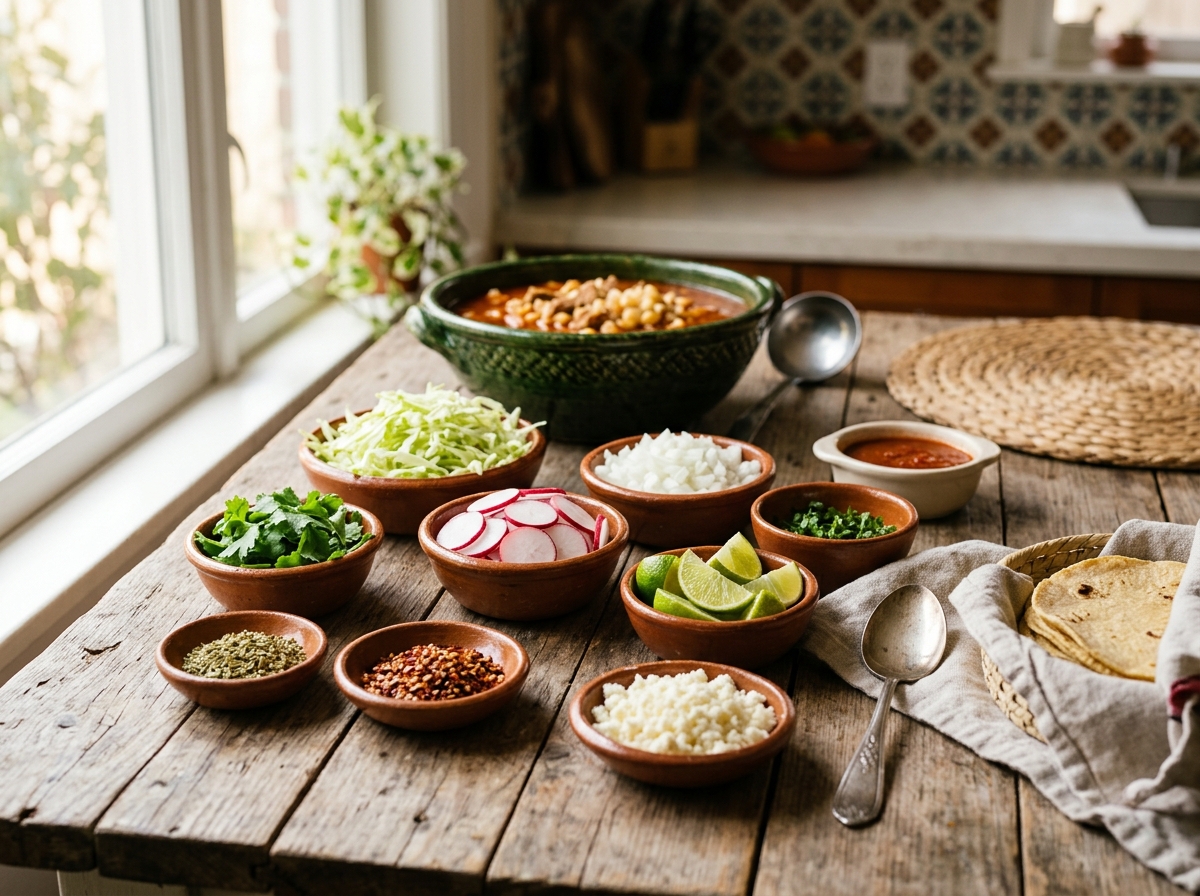
The magic happens in the garnishes. Pozole arrives at the table with an array of fresh toppings: thinly sliced radishes, shredded cabbage, chopped onion, oregano, crushed red pepper, and lime wedges. Each diner customizes their bowl, creating textural contrast and bright flavors against the rich, earthy base.
Regional Variations and Specialty Soups
Mexican soup traditions vary dramatically by region, each area contributing signature dishes that reflect local ingredients and cultural influences.
Menudo, primarily from Northern Mexico, challenges adventurous eaters with its honeycomb tripe base. This weekend breakfast soup requires extensive preparation—the tripe needs thorough cleaning and long cooking to achieve tenderness. Red chile broth flavored with hominy creates a soup believed to cure hangovers and provide strength for hard labor.
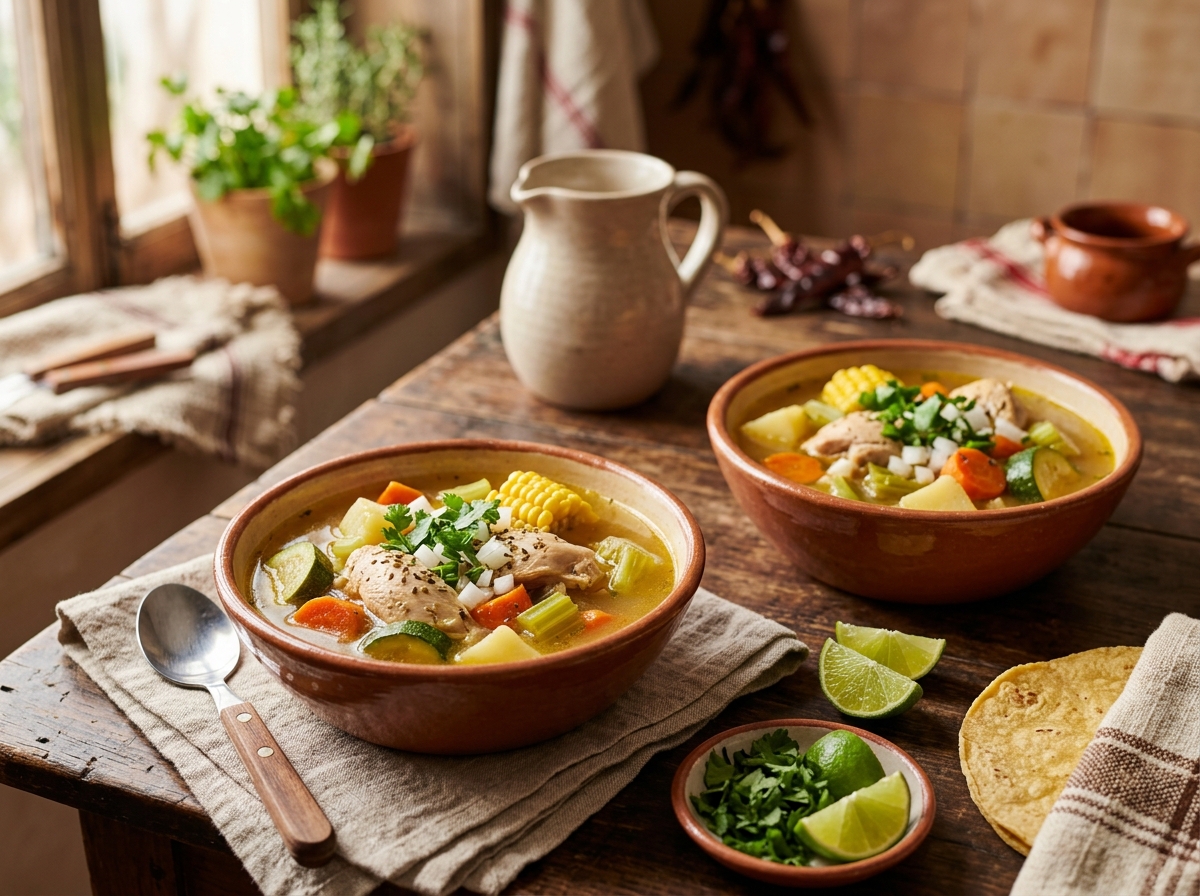
Caldo de pollo represents everyday comfort food across Mexico. Unlike American chicken soup, Mexican versions feature whole chicken pieces, large vegetable chunks, and cilantro-lime brightness. The broth gets depth from sautéed onions and garlic, often with a touch of tomato for color and acidity.
Albondigas soup showcases Mexican meatball mastery. Ground beef mixed with rice, onion, and herbs forms tender meatballs that simmer in a clear broth with carrots, potatoes, and zucchini. Mint leaves add an unexpected aromatic note that distinguishes this from Italian versions.
Birria, originally from Jalisco, has gained massive popularity recently. This complex stew features goat or beef chuck roast braised in an aromatic chile mixture until fall-apart tender. The cooking liquid transforms into a rich, deeply flavored consommé perfect for dunking tacos.
Key Ingredients and Where to Find Them
Authentic Mexican soup recipes depend on specific ingredients that create their distinctive flavors. Understanding these components and their sources helps ensure success in your kitchen.
Dried chiles form the backbone of most Mexican soups. Guajillo chiles provide mild heat with fruity undertones, while ancho chiles (dried poblanos) contribute sweet, chocolate-like notes. Chipotle chiles add smokiness and moderate heat. Mexican markets offer the best selection and prices, but many supermarkets now carry basic varieties.
Hominy comes canned or dried, though canned versions work perfectly for most home cooks. Look for Mexican brands like Goya or Juanita's in the international aisle. The kernels should be plump and tender, not mushy or hard.
Mexican oregano differs significantly from Mediterranean oregano, offering a more floral, citrusy flavor that complements chiles beautifully. It's worth seeking out at Mexican groceries or ordering online.
Fresh masa harina can thicken broths and add corn flavor, while dried epazote leaves provide an essential flavor component for certain bean soups. Many recipes also call for Mexican crema, which offers richness without the tang of sour cream.
Quality matters with proteins. Pork shoulder with good marbling creates the best pozole, while whole chickens provide more flavor than boneless pieces for caldo de pollo. Don't skip bones—they're essential for rich, gelatinous broths.
Cooking Techniques for Perfect Results
Mexican soup success relies on proper technique more than exact measurements. Understanding these methods helps you adapt recipes and troubleshoot problems.
Chile preparation determines final flavor quality. Remove all stems and seeds unless you want serious heat. Toast chiles in a dry pan just until they smell aromatic—burned chiles turn bitter and ruin entire batches. Soaking time varies by chile type, but most need 20-30 minutes in hot liquid.
Blending technique affects texture significantly. Strain chile mixtures through fine-mesh sieves to remove skin particles that create grittiness. Some cooks blend with cooking liquid for smoother integration, while others prefer thicker pastes thinned gradually.
Layered cooking builds complex flavors. Sauté aromatics first, then add proteins to brown. Pour in liquids gradually, allowing each addition to integrate before adding more. This prevents separation and creates smoother final products.
Skimming fat and impurities during long cooking keeps broths clear and clean-tasting. Use a ladle or large spoon to remove foam and fat that rises to the surface, especially during the first hour of simmering.
Seasoning happens in stages. Salt early helps extract flavors from proteins and vegetables, but reserve final adjustments until near completion. Acidity from lime juice or vinegar should be added just before serving to maintain brightness.
Modern Adaptations and Time-Saving Tips
Traditional Mexican soup recipes often require all-day cooking, but modern adaptations can reduce time without sacrificing authenticity.
Pressure cookers or Instant Pots dramatically reduce cooking times for tough cuts and dried beans. Pozole that normally takes 3-4 hours finishes in 90 minutes under pressure. However, you'll still need to toast and blend chiles separately—no shortcuts work for this crucial step.
Make-ahead strategies help busy cooks. Chile pastes freeze beautifully for up to six months, ready to transform into soup bases. Cooked broths improve overnight as flavors meld, making them perfect weekend prep for weeknight meals.
Batch cooking makes sense for large-format recipes like pozole. These soups freeze well and often taste better reheated. Portion into serving-size containers, leaving room for expansion during freezing.
Substitute strategies work when ingredients aren't available. Poblano peppers can replace some dried chiles in fresh preparations, while smoked paprika adds complexity when chipotle chiles aren't accessible. However, hominy has no good substitute—its unique texture and flavor are irreplaceable.
Serving and Presentation Traditions
Mexican soups come with rich serving traditions that enhance the dining experience and allow customization for different tastes.
Garnish stations let diners personalize their bowls. Traditional setups include small bowls of diced onion, sliced radishes, shredded cabbage, oregano, crushed red pepper, and lime wedges. Some families add diced avocado, Mexican crema, or crumbled queso fresco.
Accompaniments matter as much as the soup itself. Warm corn tortillas, crusty bolillos (Mexican rolls), or tostadas provide textural contrast and help stretch servings. Some regions serve specific breads with certain soups—birria often comes with corn tortillas for dipping and making tacos.
Timing considerations affect service. These soups typically improve after resting, making them perfect for entertaining. Prepare bases earlier in the day, then reheat gently before serving. Keep garnishes fresh and serve them at room temperature for best flavor.
Family-style service encourages sharing and conversation. Large soup tureens placed in the center of the table let everyone serve themselves, while the array of garnishes creates an interactive dining experience that brings people together.
Nutritional Benefits and Comfort Food Appeal
Mexican soups offer substantial nutritional benefits alongside their comfort food appeal, making them perfect for cold weather or when someone needs nourishing.
Bone broths provide collagen, minerals, and amino acids that support joint health and digestion. The long cooking process extracts maximum nutrition from bones and vegetables, creating easily absorbed nutrients.
Chile peppers contribute vitamin C, antioxidants, and compounds that may boost metabolism and reduce inflammation. Different varieties offer varying levels of these beneficial compounds, making diverse chile use nutritionally advantageous.
Hominy provides complex carbohydrates and essential amino acids that complement proteins in the same dish. This traditional pairing creates complete protein profiles similar to beans and rice combinations.
The high vegetable content in most Mexican soups adds fiber, vitamins, and minerals often missing from typical comfort foods. Large chunks of carrots, potatoes, and zucchini provide substance and nutrition.
Troubleshooting Common Issues
Even experienced cooks encounter problems with Mexican soups. Understanding common issues and solutions helps ensure consistent results.
Bitter flavors usually result from burned chiles or over-toasting spices. Start over with fresh chiles if this happens—no amount of sugar or cream can fix truly bitter chile paste. Toast chiles briefly and watch carefully for color changes.
Greasy broths need fat removal through skimming, chilling, or using separator tools. Excessive fat often comes from not trimming proteins properly or using too much oil during sautéing. Remove visible fat from meats before cooking.
Thin broths lack body from insufficient cooking time or inadequate bone content. Extend simmering time or add gelatin powder as a quick fix. Properly made bone broths should gel when chilled.
Gritty textures come from inadequately strained chile mixtures or seeds that weren't removed. Always strain sauces through fine-mesh sieves and take time to remove all seeds from dried chiles.
Mexican soup recipes offer endless opportunities to explore authentic flavors and traditional techniques that have sustained families for generations. Whether you start with a simple caldo de pollo or tackle the complexity of pozole rojo, these soups reward careful attention with deeply satisfying results that connect us to Mexico's rich culinary heritage. The time invested in proper technique pays dividends in flavor, nutrition, and the pure comfort that comes from a perfectly crafted bowl of soup.
As you explore these traditional recipes, remember that they're part of the broader landscape of Mexican recipes that showcase this cuisine's incredible depth and regional diversity. Each soup tells a story of place, tradition, and the communal power of sharing exceptional food with the people we love.
Sources & further reading
- Chileatole — Wikipedia
- Hearty New Mexican Soups and Stews (Bernalillo County Extension) — New Mexico State University Cooperative Extension Service
- New Mexico Soups & Stews, Posole & Chile Recipes — Visit Albuquerque (official city tourism authority)
Related Topics
Enjoyed this article? Share it with fellow food lovers!
Import a recipe, start cooking
Paste any recipe URL and we'll turn it into a Cook Mode experience with step-by-step visuals, voice narration, and built-in timers.