

Mexican Rice Recipes: Mastering Arroz and Beyond
Mexican rice dishes offer endless possibilities beyond basic Spanish rice. From traditional arroz rojo to creative bean combinations, these recipes bring authentic flavors and satisfying textures to your table.
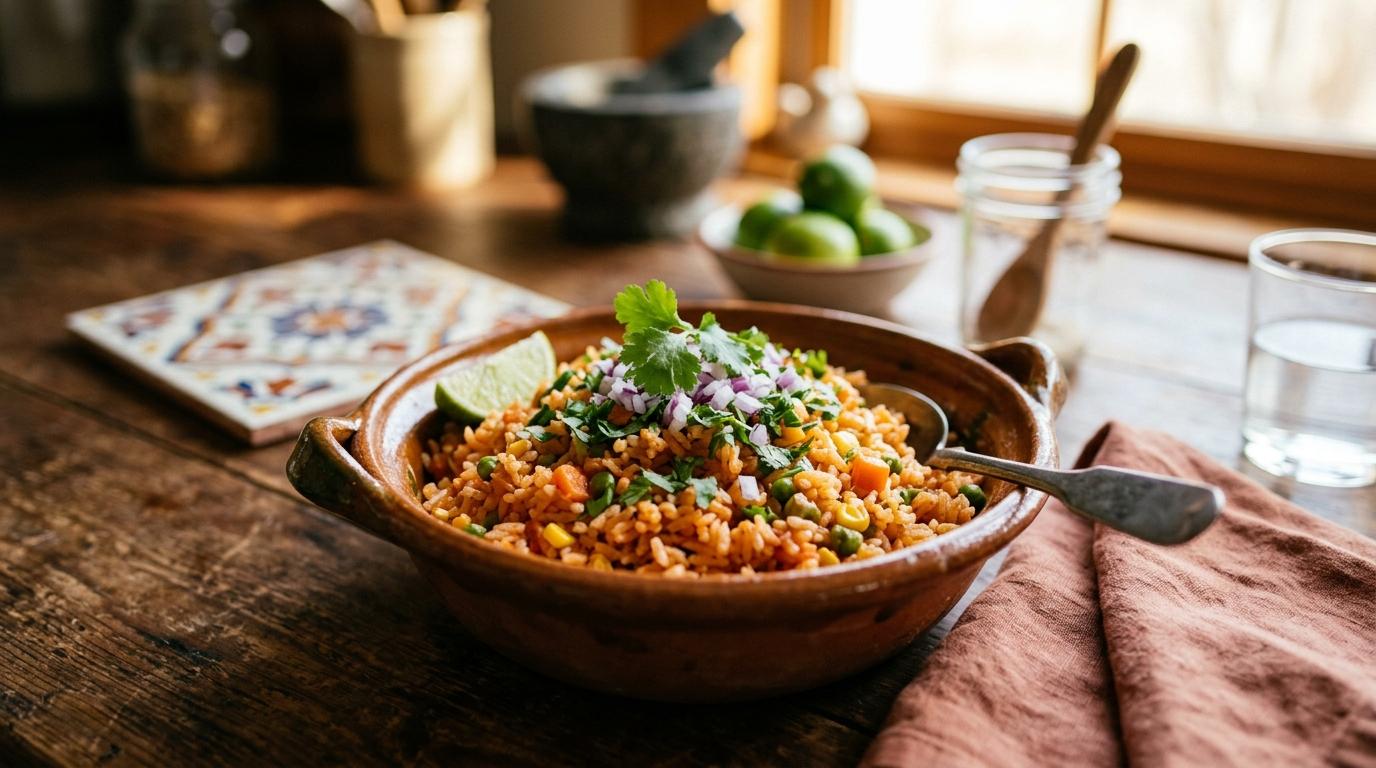
Mexican rice isn't just a side dish—it's the foundation that transforms a simple meal into something memorable. Whether you're building a complete Mexican feast or need the perfect accompaniment to your favorite Mexican recipes, mastering these rice and bean combinations will change how you think about this humble grain.
The secret lies in understanding that Mexican rice recipes aren't about drowning rice in tomato sauce. They're about building layers of flavor through technique, from toasting the rice to choosing the right liquid ratios. Each grain should be separate, fluffy, and infused with the aromatics that make Mexican cuisine so compelling.
The Foundation: Classic Arroz Mexicano
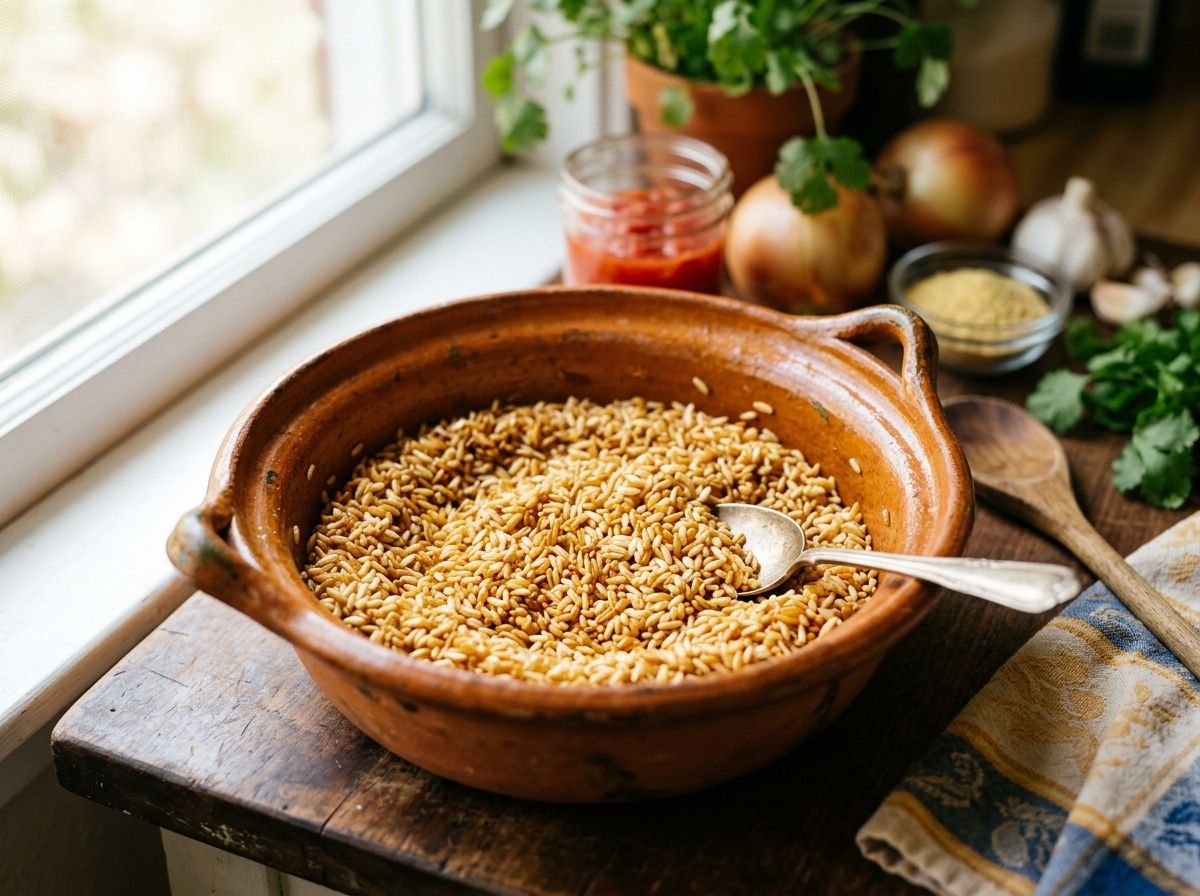
True Mexican rice starts with a fundamental technique that many home cooks skip: toasting the rice in oil until it turns golden and sounds like tiny maracas in the pan. This step creates a protective coating around each grain, preventing mushiness and building nutty depth.
The traditional method calls for long-grain white rice—never converted or parboiled varieties that won't achieve the proper texture. Heat neutral oil (not olive oil, which can become bitter) in a heavy-bottomed pan. Add the rice and stir constantly until you hear that telltale sound and see the grains turn pale gold.
Then comes the aromatics. Onion and garlic go in next, cooking until fragrant but not browned. The liquid—a combination of chicken broth and tomato—should be warm when you add it. Cold liquid shocks the rice and affects the final texture.
The ratio matters: roughly 1¾ cups liquid to 1 cup rice, though this varies with your specific rice and desired consistency. Bring the mixture to a boil, then reduce to the lowest simmer, cover tightly, and resist the urge to lift the lid for 18-20 minutes.
Arroz Rojo: The Red Rice Revolution
Arroz rojo takes the basic technique and amplifies it with a vibrant tomato base that goes far beyond canned sauce. The key is creating a proper tomato puree from fresh tomatoes, onion, and garlic—all charred first to develop complex flavors.
Char whole Roma tomatoes, half an onion, and several garlic cloves directly over a gas flame or under a broiler until the skins blister and blacken in spots. This step adds smoky depth that can't be replicated with raw vegetables. Blend the charred vegetables with a splash of broth until smooth, then strain to remove any tough skin pieces.
The rice gets toasted as before, then the tomato puree goes in with the broth. The result is rice with an intense red color and layered flavor that complements everything from grilled meats to simple eggs.
For extra richness, add a bay leaf and a cinnamon stick during cooking. Remove them before serving, but they infuse the rice with subtle warmth that makes people wonder what makes your version taste different.
Key Ingredients for Authentic Flavor
Quality ingredients make the difference between acceptable rice and memorable rice. Long-grain white rice is non-negotiable—jasmine works well, basmati less so. The starch content affects how the grains separate and hold their shape.
For liquid, chicken broth provides richness that water can't match. If you're vegetarian, use a robust vegetable broth, not just water with salt. The rice absorbs all that liquid, so it needs to taste good on its own.
Tomatoes vary dramatically in quality and flavor. Fresh tomatoes require more work but deliver superior results. If using canned, choose whole tomatoes in juice rather than pre-crushed varieties, which often include additives that affect the final texture.
Onions and garlic should be fresh and aromatic. Old garlic turns bitter when cooked, and sweet onions like Vidalia can make the rice too mild. Yellow onions provide the right balance of sweetness and sharpness.
Rice and Bean Combinations
Rice and beans together create complete proteins and satisfying meals that sustained entire civilizations. Mexican cuisine offers several traditional pairings that go beyond simple mixing.
Arroz con frijoles typically layers flavors rather than just stirring beans into rice. Cook the rice as usual, then fold in warm refried beans just before serving. The beans should ribbon through the rice, not disappear completely.
For arroz con frijoles negros, black beans get cooked separately with onion, garlic, and cumin until creamy. The cooking liquid from the beans can replace some of the broth in the rice, tying the flavors together while maintaining distinct textures.
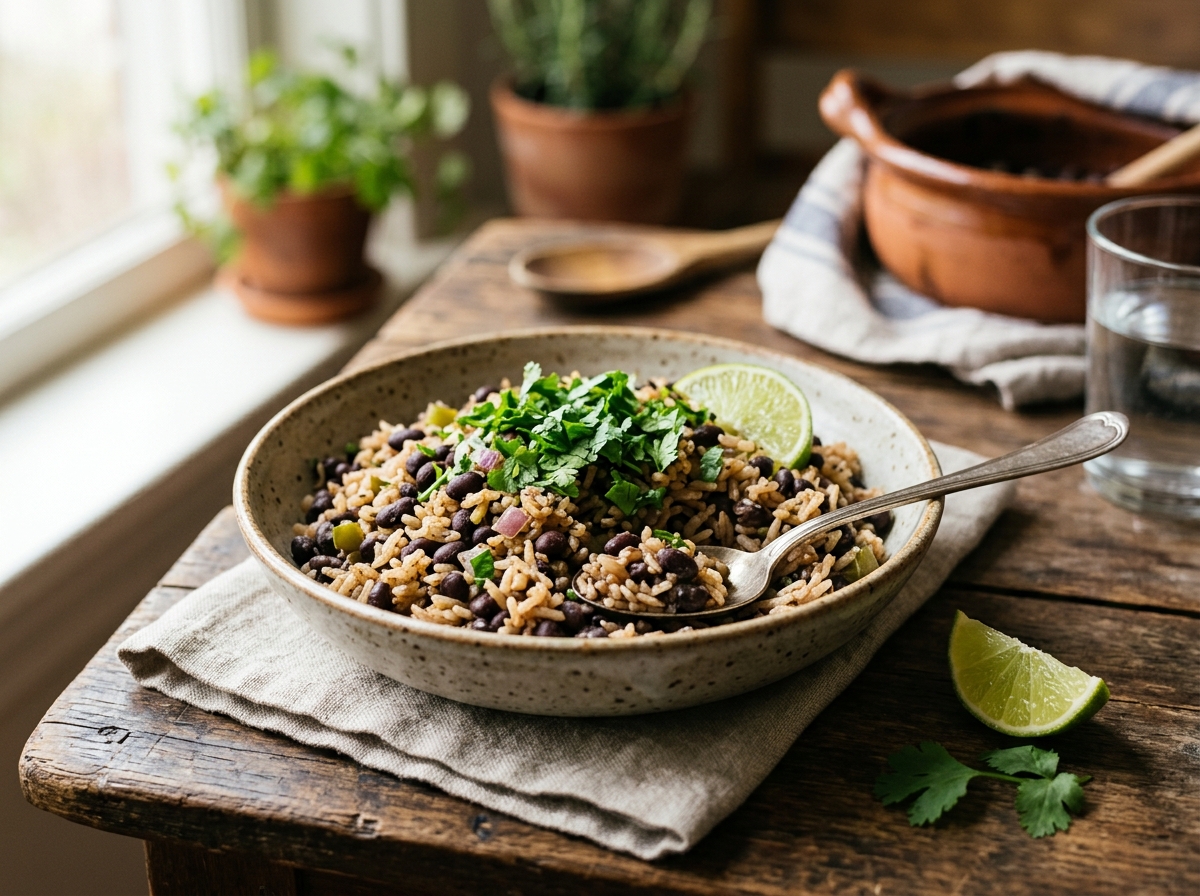
Moros y cristianos—literally "Moors and Christians"—cooks rice and black beans together from the start. The rice absorbs the dark bean cooking liquid, creating a dramatic presentation with complex earthy flavors.
Advanced Techniques for Restaurant Quality
Professional Mexican kitchens use techniques that home cooks often overlook. Resting the rice after cooking is crucial—let it sit off heat for 10 minutes before fluffing with a fork. This allows moisture to redistribute evenly throughout.
Temperature control matters more than timing. If your rice finishes cooking but still seems wet, remove the lid and cook on high heat for 30 seconds to evaporate excess moisture. If it seems dry, sprinkle a tablespoon of warm broth over the surface before the final rest.
For extra richness, add a tablespoon of butter or lard after the rice finishes cooking. Fold it in gently—this adds silkiness without making the rice greasy.
Seasoning happens in layers. Salt goes in with the liquid, but taste after cooking and adjust. A squeeze of lime juice brightens the entire dish, and fresh cilantro adds color and fresh flavor that complements the earthier base notes.
Troubleshooting Common Problems
Mushy rice usually means too much liquid or insufficient toasting. Next time, toast the rice longer and reduce liquid by 2-3 tablespoons. Dry, crunchy rice needs more liquid and possibly lower heat during simmering.
If your rice lacks flavor, the problem often lies in under-seasoned broth or skipping the aromatics step. Onion and garlic should be fragrant before adding liquid—this step can't be rushed.
Burnt rice at the bottom isn't always a disaster. In some Mexican regions, the slightly caramelized bottom layer (socarrat) is considered a delicacy. Just don't scrape it up when serving.
Modern Variations and Creative Additions
Traditional techniques provide the foundation, but modern Mexican cooks aren't afraid to experiment. Coconut rice uses coconut milk for part of the liquid, creating richness that pairs beautifully with spicy dishes.
Green rice (arroz verde) gets its color from pureed cilantro, parsley, and poblano peppers blended into the cooking liquid. The herbs cook down but leave behind vibrant color and fresh flavor.
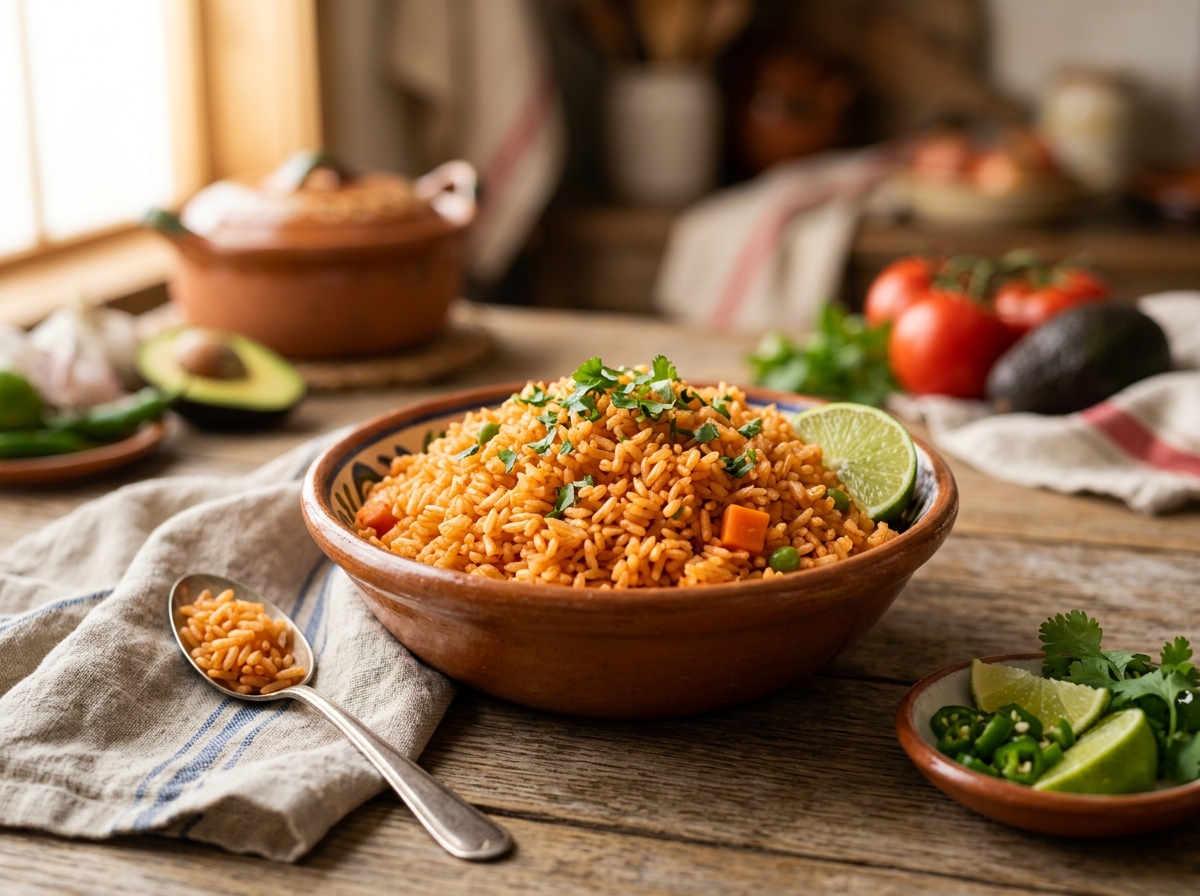
For heartier meals, add diced vegetables during the final minutes of cooking. Peas, corn, and diced carrots work well, but add them when the rice is almost done to prevent overcooking.
Seafood versions include shrimp or crab folded in after cooking, along with a splash of lime juice and chopped cilantro. The residual heat warms the seafood without overcooking it.
Serving and Pairing Suggestions
Mexican rice serves as more than a side dish—it can anchor an entire meal. Serve alongside grilled meats, use as a base for bowl meals, or stuff into peppers for a complete dinner.
The rice pairs naturally with beans, but consider the flavors. Spicy rice needs mild beans, while simple rice can handle boldly seasoned legumes. Balance is key to avoiding overwhelming any single element.
For casual meals, serve family-style in a large bowl with lime wedges and extra cilantro on the side. For more formal presentations, pack the rice into a small bowl or cup, then invert onto the plate for a neat dome shape.
Mexican rice and bean dishes represent comfort food at its finest—simple ingredients transformed through technique into something greater than the sum of their parts. Master these fundamentals, and you'll have the foundation for countless variations that showcase the depth and versatility of Mexican recipes. Every grain tells a story of tradition, technique, and the magic that happens when humble ingredients meet skilled hands.
Sources & further reading
- Arroz Rojo: Fail Proof Mexican Red Rice Recipe — Mexican Made Meatless
- Authentic Mexican Rice Recipe (Classic Arroz Rojo) — Ask Chef Dennis
- How to Make Arroz Rojo - BEST Mexican Red Rice Recipe — Lola's Cocina
- Arroz negro (Mexican cuisine) — Wikipedia
Related Topics
Enjoyed this article? Share it with fellow food lovers!
Import a recipe, start cooking
Paste any recipe URL and we'll turn it into a Cook Mode experience with step-by-step visuals, voice narration, and built-in timers.