

Lebanese Recipes Guide: Authentic Levantine Cooking at Home
Discover the rich flavors of Lebanese cuisine with traditional recipes and time-tested techniques. This comprehensive guide covers everything from mezze to main dishes, bringing authentic Levantine cooking to your kitchen.
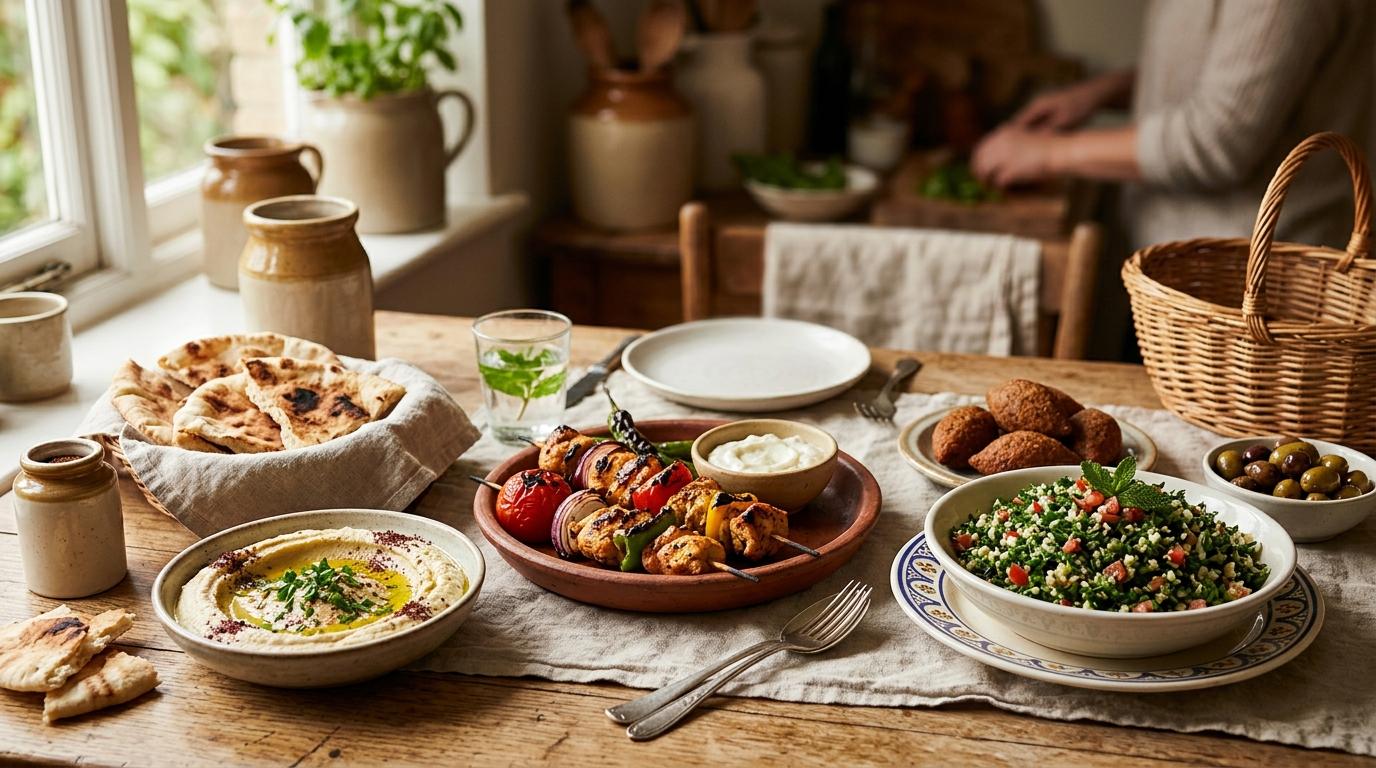
Lebanese cuisine sits at the heart of Middle Eastern recipes, offering a symphony of fresh herbs, bright citrus, and aromatic spices that make every meal feel like a celebration. From the mountains of Lebanon to the bustling streets of Beirut, this Levantine cooking tradition has perfected the art of turning simple ingredients into extraordinary dishes that nourish both body and soul.
What makes Lebanese recipes so compelling isn't just their incredible flavor—it's their ability to bring people together. This is food meant for sharing, built around the concept of mezze where small plates encourage lingering conversations and second helpings.
The beauty of Lebanese cooking lies in its restraint. Rather than masking ingredients with heavy sauces, Lebanese cooks let each component shine. Fresh parsley isn't just a garnish—it's the star of tabbouleh. Lemon juice doesn't just brighten—it transforms. Olive oil doesn't just cook—it carries the essence of the Mediterranean.
Understanding Levantine Cooking Philosophy
Lebanese cuisine belongs to the broader Levantine tradition, which encompasses the cooking of Syria, Lebanon, Palestine, and Jordan. This regional approach to food emphasizes seasonality, freshness, and the generous use of herbs and vegetables.
The Lebanese kitchen operates on a few fundamental principles. First, ingredients should taste like themselves—tomatoes should burst with summer sweetness, cucumbers should crunch with garden freshness. Second, balance is everything. You'll find this in the interplay between tart and rich in dishes like fattoush, where sumac-dressed vegetables meet creamy labneh.
Third, Lebanese cooks understand that time is an ingredient. Some dishes, like slow-cooked lamb stews, develop their character over hours of gentle simmering. Others, like fresh herb salads, demand last-minute preparation to preserve their vibrancy.
Essential Lebanese Cooking Techniques
Master a few key techniques, and you'll unlock the secrets of Lebanese cooking. The first is proper herb preparation. Lebanese recipes use herbs by the handful, not the pinch. When making tabbouleh, you'll chop more parsley than you think possible, creating a green salad punctuated by bulgur rather than the other way around.
Grinding and pounding is another crucial skill. A mortar and pestle isn't just traditional—it's practical. Crushing garlic with salt creates a paste that distributes more evenly than chopped cloves. Pounding kibbeh mixture develops the right texture that makes these meat and bulgur patties hold together perfectly.
Lebanese cooks also master the art of layering flavors. This shows up clearly in dishes like musakhan, where onions cook slowly until sweet and jammy, then get brightened with sumac's tartness and warmed with allspice.
Key Ingredients in Lebanese Cooking
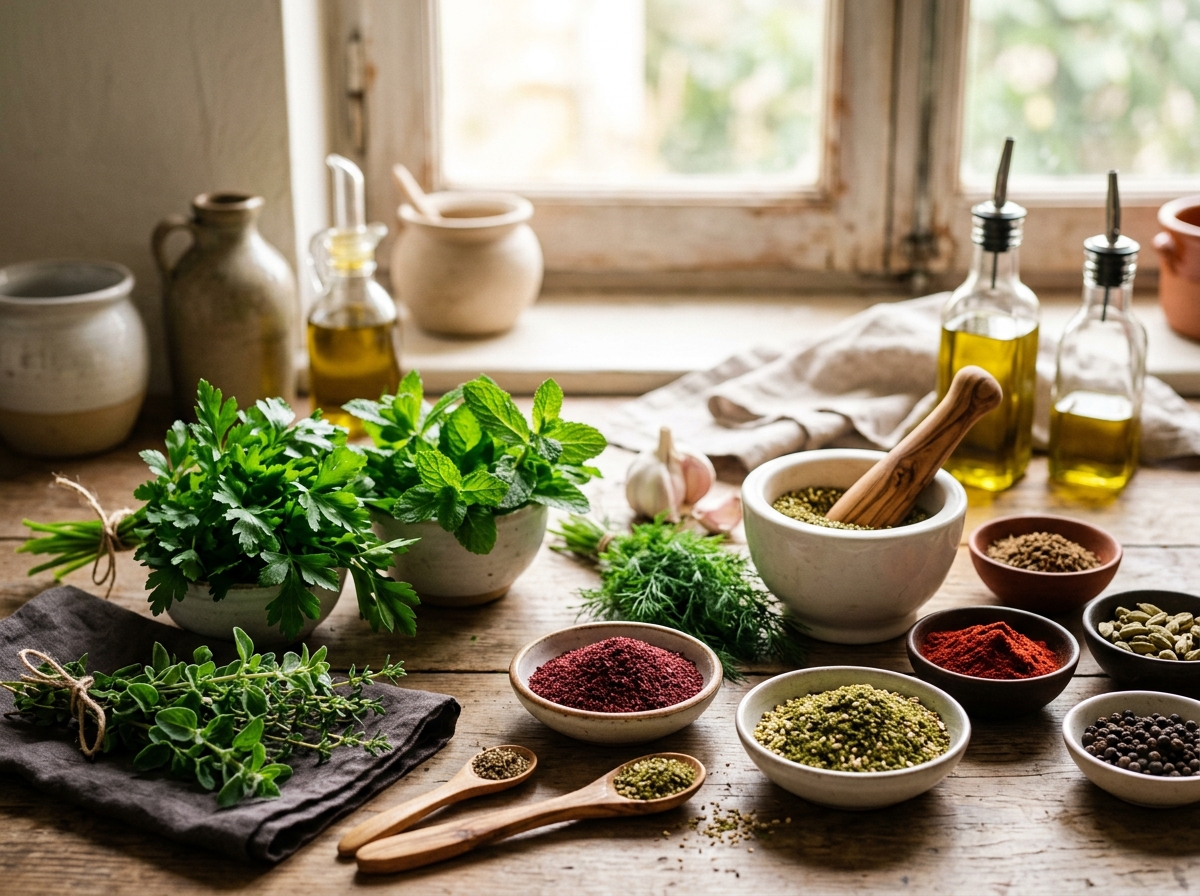
The Lebanese pantry centers around ingredients that add brightness and depth without overwhelming delicate flavors. Sumac, a burgundy-colored spice ground from berries, provides the tartness that defines many Levantine dishes. It's what makes fattoush sing and gives za'atar its distinctive tang.
Pomegranate molasses acts as Lebanese cooking's secret weapon. This thick, dark syrup concentrates the fruit's tartness into a few drops that can transform a simple chicken dish or elevate roasted vegetables. A little goes far—start with a teaspoon and taste your way up.
Rose water and orange blossom water might seem exotic, but Lebanese cooks use them judiciously to add floral notes to desserts and some savory dishes. Think of them as seasoning rather than flavoring—a few drops can brighten rice pudding or add complexity to simple syrup.
Tahini deserves special mention. This sesame paste forms the backbone of hummus and baba ganoush, but Lebanese cooks also use it in sauces, dressings, and even sweets. Look for brands that separate slightly in the jar—this indicates minimal processing and better flavor.
Classic Lebanese Mezze Dishes
Mezze culture defines Lebanese dining, turning meals into social events where conversation flows as freely as the food. These small plates showcase the cuisine's range, from creamy dips to crunchy salads to stuffed vegetables.
Hummus represents Lebanese cooking at its most elemental—chickpeas, tahini, lemon juice, and garlic transformed into something greater than the sum of its parts. The secret lies in using dried chickpeas that you cook yourself, which creates a creamier texture than canned versions. Peel the chickpeas after cooking for restaurant-quality smoothness.
Baba ganoush follows similar principles with different ingredients. Char the eggplant over an open flame or under a broiler until the skin blackens and the flesh turns smoky and soft. This smoky flavor can't be replicated any other way—it's what separates authentic baba ganoush from simple eggplant puree.
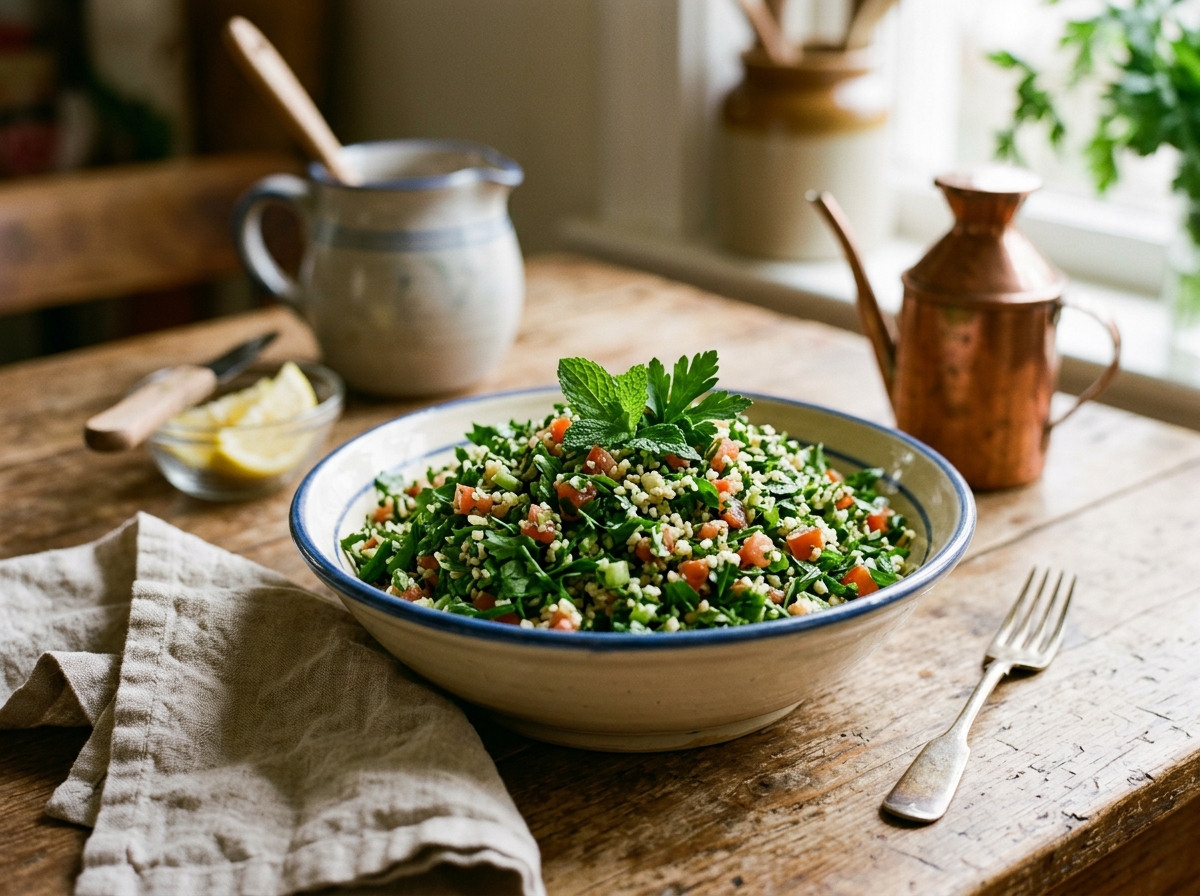
Tabbouleh challenges preconceptions about grain salads. Traditional Lebanese tabbouleh contains mostly parsley with just enough bulgur to add texture and absorb the lemon-olive oil dressing. The key is chopping the parsley fine enough that it doesn't overwhelm but not so fine that it turns to mush.
Main Dishes That Define Lebanese Cuisine
Lebanese main dishes often center around lamb, chicken, or fish, prepared with the same emphasis on fresh flavors and aromatic spices that characterizes the mezze tradition.
Kibbeh, often called Lebanon's national dish, comes in many forms. The most common version shapes a shell of bulgur and ground lamb around a spiced meat filling, then deep-fries until golden. The technique requires patience—the bulgur mixture needs proper kneading to hold together, and the filling must cool completely before assembly.
Fattoush showcases Lebanese cooks' resourcefulness, transforming day-old pita bread into a crucial component of a vibrant salad. The bread crisps in the oven, then soaks up the sumac-spiked dressing while maintaining some texture. This interplay between crisp and soft, tart and mild, makes fattoush endlessly satisfying.
Lebanese rice dishes demonstrate restraint and elegance. Rather than loading rice with multiple spices, Lebanese cooks might add just vermicelli noodles, toasted until golden, and a cinnamon stick. The result lets you taste the rice while adding subtle complexity.
Sweets and Desserts
Lebanese desserts often feature phyllo pastry, nuts, and aromatic syrups that reflect the cuisine's Ottoman influences while maintaining distinctly Levantine character.
Baklava in Lebanese hands becomes more delicate than its Greek cousin, with thinner layers of phyllo and lighter syrup. The key lies in the syrup temperature—it should be cool when it meets the hot pastry, creating the perfect absorption without making the baklava soggy.
Ma'amoul cookies represent Lebanese baking at its most refined. These semolina cookies filled with dates, nuts, or figs require special wooden molds that imprint intricate patterns. The dough needs careful handling—too much kneading develops gluten and toughens the cookies.
Modern Applications of Traditional Techniques
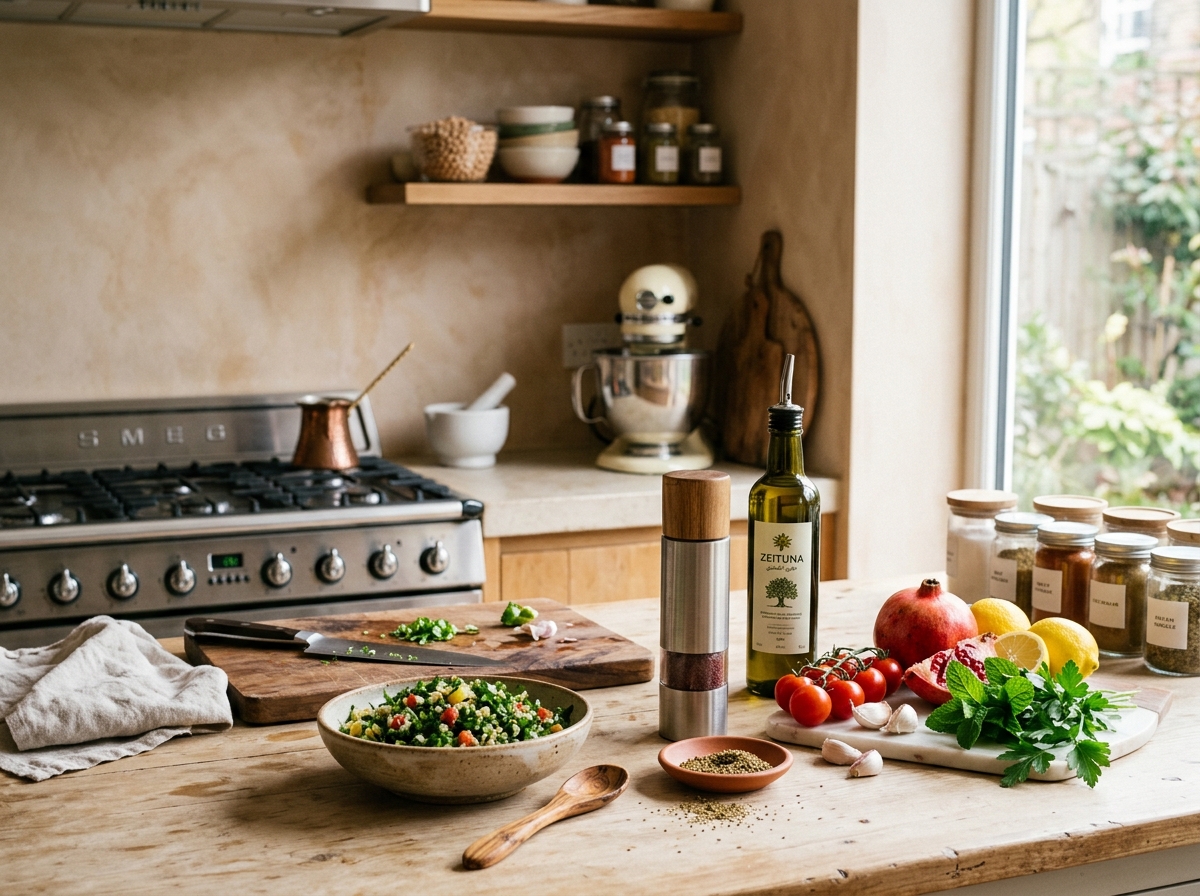
Contemporary Lebanese cooks adapt traditional methods to modern kitchens without losing authenticity. Food processors can handle the heavy chopping required for tabbouleh, but pulse carefully to avoid turning herbs to mush. Stand mixers make quick work of kibbeh dough, but finish by hand to achieve the proper texture.
You can approximate the smoky flavor essential to baba ganoush using a gas burner if you don't have access to an open flame. Hold the eggplant with tongs directly over the flame, turning frequently until the skin chars evenly.
Building a Lebanese Meal
Lebanese meals flow differently than Western dining, with dishes appearing gradually and guests sampling from multiple plates. Start planning with mezze—aim for variety in textures, temperatures, and flavors. Cold dishes like hummus and tabbouleh balance warm options like stuffed grape leaves.
Consider your guests' stamina for rich foods. Lebanese cuisine includes many cream-based and nut-heavy dishes that can overwhelm if served together. Balance rich mezze with lighter salads and vegetable dishes.
Don't forget bread—Lebanese meals assume fresh pita or other flatbreads will accompany most dishes. Many mezze items are designed to be scooped rather than eaten with utensils.
Seasonal Cooking the Lebanese Way
Lebanese cooking celebrates seasons through ingredient selection rather than heavy seasonal preparations. Spring means fresh herbs at their peak—the perfect time for tabbouleh and fattoush. Summer brings the tomatoes and cucumbers that make these salads sing.
Fall and winter shift focus to heartier preparations. This is when Lebanese cooks braise lamb with root vegetables or prepare warming lentil soups spiked with lemon juice and brightened with fresh herbs.
The key is letting seasons guide your menu rather than forcing dishes. Lebanese cuisine's emphasis on fresh ingredients means that seasonal cooking happens naturally when you shop for the best available produce.
Learning Lebanese recipes connects you to a culinary tradition that values both technique and hospitality. These dishes invite sharing and conversation, turning simple meals into memorable gatherings. Whether you're making your first batch of hummus or perfecting your kibbeh technique, you're participating in a food culture that understands cooking as an act of love.
The techniques and principles you'll master in Lebanese cooking extend far beyond individual recipes. The careful balance of flavors, the generous use of fresh herbs, and the emphasis on quality ingredients will enhance all your cooking. Start with one or two dishes that appeal to you, master them completely, then expand your repertoire gradually.
Ready to explore more? Our comprehensive Middle Eastern recipes collection offers dozens of authentic dishes from across the region, each with detailed instructions and cultural context to guide your culinary journey.
Sources & further reading
- Mama's Lebanese Kitchen | Authentic Lebanese Cuisine Recipes — Mama's Lebanese Kitchen
- Maureen Abood — Maureen Abood (published Lebanese-American cookbook author, 'Rose Water & Orange Blossoms')
- 30 Lebanese Recipes I Grew Up Eating {Traditional Dishes} — Feel Good Foodie
- The Best Traditional Lebanese Food Dishes (24 Recipes) - The Matbakh — The Matbakh
Related Topics
Enjoyed this article? Share it with fellow food lovers!
Import a recipe, start cooking
Paste any recipe URL and we'll turn it into a Cook Mode experience with step-by-step visuals, voice narration, and built-in timers.