

Indian Street Food Recipes: 8 Famous Dishes to Make at Home
Bring the vibrant flavors of India's street markets to your kitchen with these authentic recipes. From crispy pani puri to savory vada pav, these beloved street foods are easier to make at home than you think.
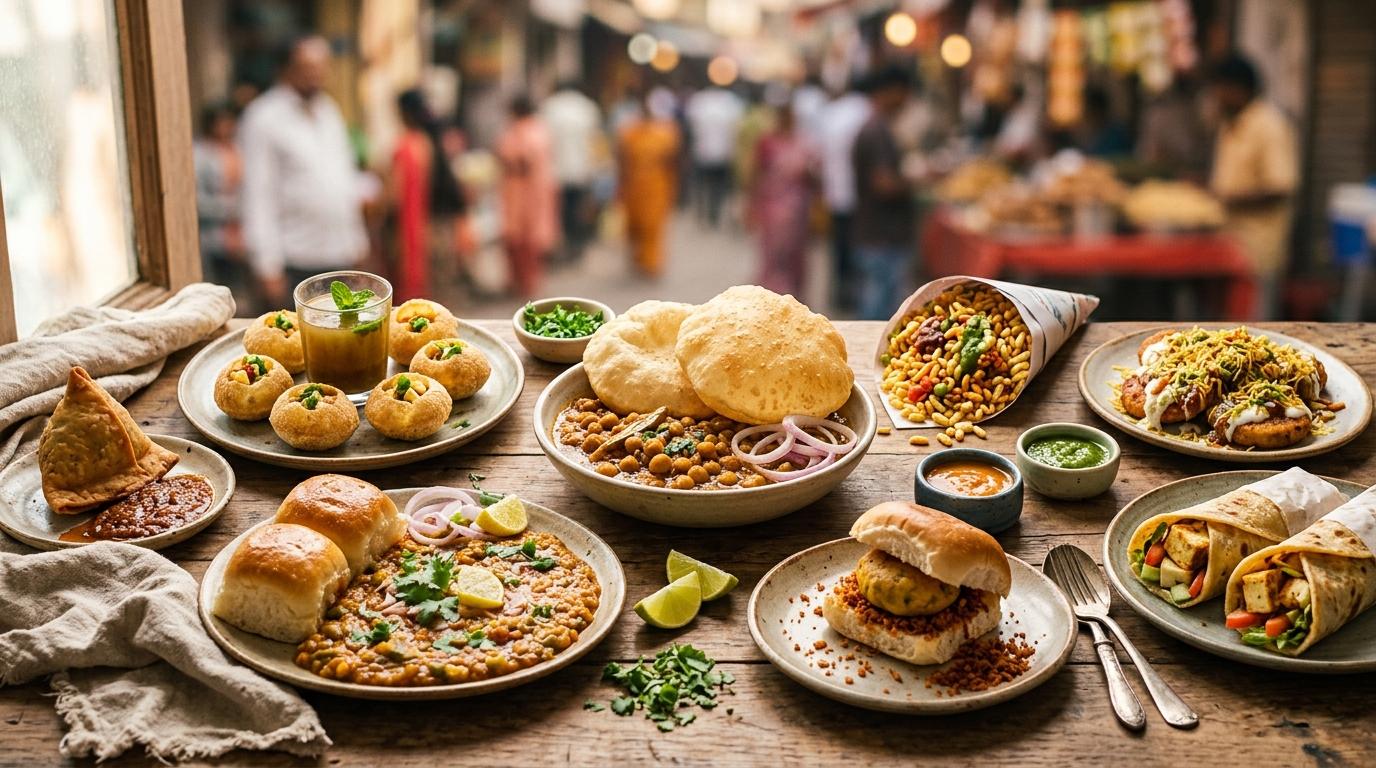
The sizzle of oil, the ping of tamarind, the crunch of fried lentils — India's street food scene pulses with an energy that's impossible to replicate exactly at home. But we can get surprisingly close. These indian recipes capture the soul of what makes street vendors across Mumbai, Delhi, and Kolkata so magnetic: bold flavors that hit every taste bud and textures that keep you coming back for more.
Indian street food isn't just snacking — it's an art form built on contrast. Sweet meets sour, soft meets crunchy, cool meets spicy. The best vendors understand this balance intuitively, adjusting flavors on the fly based on the crowd, the weather, even the time of day.
Making these dishes at home requires some planning, but the payoff is worth it. You get to control the spice level, use the freshest ingredients, and most importantly, recreate those complex flavor profiles that make street food so addictive.
Essential Techniques for Street Food Success
Before diving into specific recipes, let's talk technique. Street food vendors work fast, but they also work smart. They prep components ahead of time, keep chutneys ready, and know exactly when to add each element.
Temperature matters enormously. Hot foods should be blazing hot, cold chutneys should be properly chilled, and anything fried needs to maintain its crispness. Street vendors achieve this through constant motion — they're frying, assembling, and serving in rapid succession.
At home, we can mimic this by having everything prepped and organized before we start assembling. Think of it as mise en place for street food.
Key Ingredients for Authentic Flavors
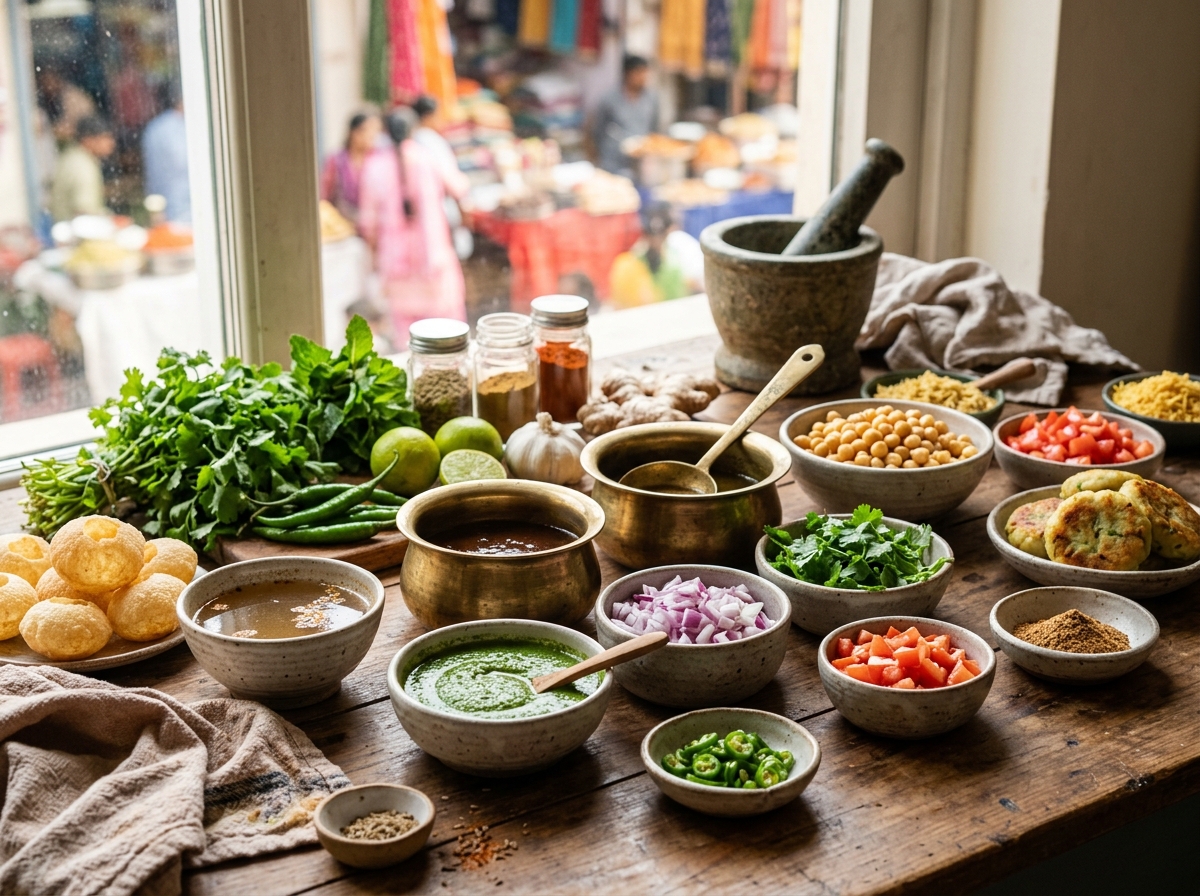
The magic of Indian street food lives in its chutneys and spice blends. Tamarind chutney provides that sweet-tart backbone, while mint-cilantro chutney adds freshness and heat. Date chutney brings deep sweetness, and various spice powders — chaat masala, black salt, roasted cumin — tie everything together.
Chaat masala deserves special mention. This tangy spice blend contains dried mango powder (amchur), black salt, cumin, coriander, and other aromatics. It's what gives street food that distinctive, almost addictive quality that keeps you reaching for more.
Black salt (kala namak) is another game-changer. Despite its name, it's actually pinkish-gray and has a sulfurous aroma that might seem off-putting at first. But it adds a unique mineral depth that regular salt simply can't match.
Fresh elements matter just as much. Crisp sev (thin chickpea flour noodles), chopped onions, cilantro, and various puffed items provide textural contrast. These components should be prepared fresh or stored properly to maintain their crunch.
Pani Puri: The Crown Jewel
Pani puri might be India's most beloved street food — hollow, crispy shells filled with spiced water, chutneys, and various fillings. The name literally means "water bread," but that doesn't capture the explosion of flavors that happens when you bite down.
The puris themselves are available at Indian grocery stores, but making the pani (spiced water) is where you can really shine. Start with a base of mint-cilantro water, add tamarind chutney for sweetness, and season with chaat masala and black salt. The water should be intensely flavored — almost too strong on its own, because it gets diluted when mixed with the fillings.
Traditional fillings include boiled potatoes, chickpeas, and chopped onions. But the real secret is in the layering: a small spoonful of sweet chutney, a sprinkle of spice powder, the filling, and then the pani. You eat the whole thing in one bite, letting all the flavors meld in your mouth.
Vada Pav: Mumbai's Beloved Burger
Often called the "Indian burger," vada pav consists of a deep-fried potato dumpling (vada) sandwiched in a soft bread roll (pav) with various chutneys. It's Mumbai street food at its most essential — filling, flavorful, and designed to be eaten on the go.
The vada is made from mashed potatoes mixed with green chilies, ginger, and mustard seeds, then dipped in a chickpea flour batter and fried until golden. The key is getting the batter consistency right — thick enough to coat well, but not so thick that it overwhelms the potato.
The pav should be lightly toasted and slathered with green chutney (mint-cilantro) and sweet chutney (tamarind-date). Some vendors also add a dry garlic chutney that adds another layer of flavor complexity.
Bhel Puri: Textural Symphony
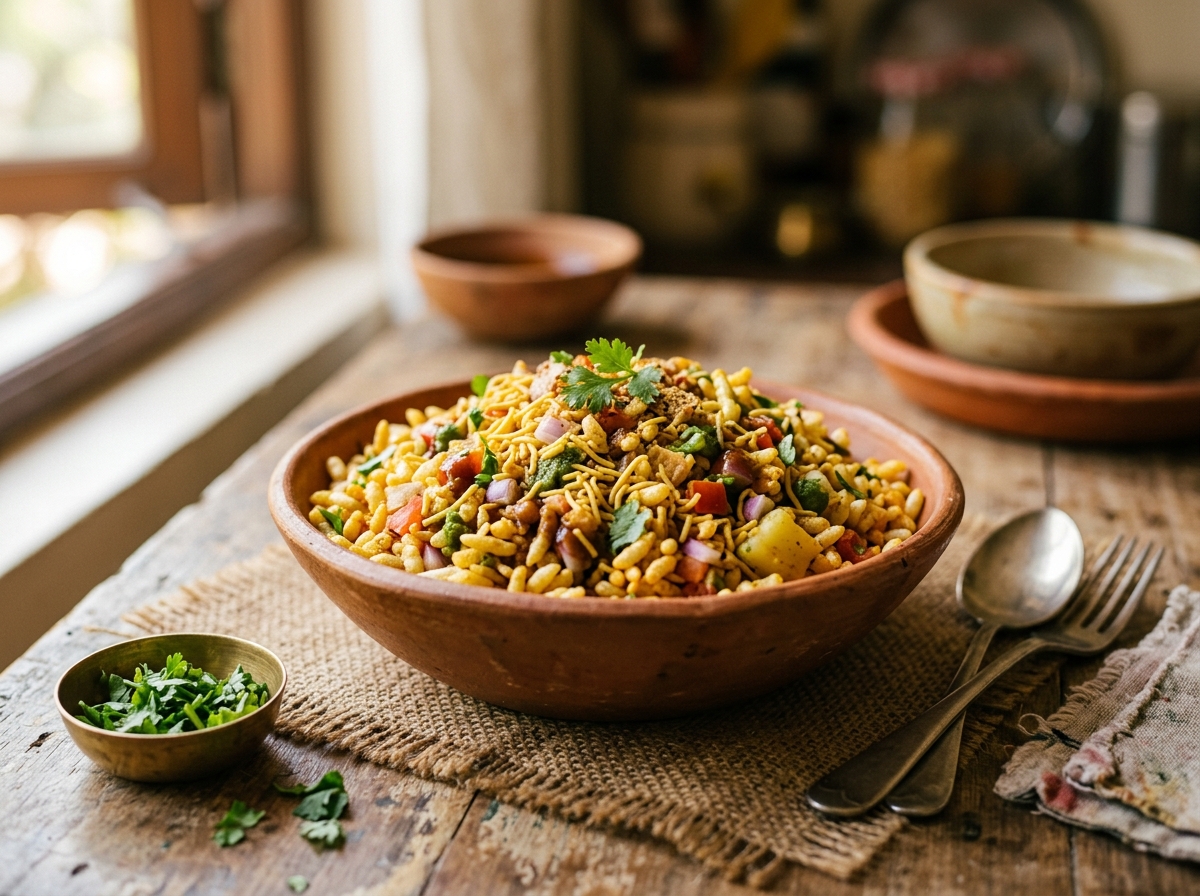
Bhel puri showcases the Indian street food genius for combining textures. Puffed rice forms the base, mixed with sev, chopped vegetables, chutneys, and various crunchy elements. It's assembled fresh to order because the puffed rice loses its crunch quickly once the chutneys are added.
The art lies in the proportions. Too much chutney and everything becomes soggy. Too little and the flavors don't integrate. Street vendors develop an intuitive sense for these ratios, but at home, start conservatively and add more as needed.
Traditional bhel includes chopped onions, tomatoes, boiled potatoes, and cilantro. The chutneys — tamarind, mint-cilantro, and sometimes a spicy red chili chutney — provide the flavor base, while chaat masala and sev add the final seasoning touches.
Aloo Tikki: Crispy Potato Perfection
Aloo tikki are pan-fried potato patties that serve as a base for countless street food variations. The basic tikki is made from mashed potatoes mixed with spices and formed into patties, but the toppings transform them into complex flavor bombs.
The potato mixture should be well-seasoned and hold together without being gummy. Adding a small amount of cornstarch or breadcrumbs helps with binding, while spices like cumin, coriander, and red chili powder build the flavor foundation.
Aloo tikki chaat takes these patties and tops them with yogurt, chutneys, onions, and sev. The contrast between the warm, crispy tikki and the cool yogurt creates a temperature play that's quintessentially street food.
Dahi Vada: Cool and Tangy
Dahi vada offers a cooling counterpoint to spicier street foods. Soft lentil dumplings are soaked in seasoned yogurt and topped with chutneys and spices. It's comfort food that also happens to be incredibly refreshing.
The vadas are made from a batter of soaked and ground urad dal (black lentils), which creates incredibly light and spongy dumplings when fried. After frying, they're soaked in warm water to soften, then drained and topped with thick, seasoned yogurt.
The yogurt should be hung or strained to remove excess whey — this prevents the dish from becoming watery over time. Season it with roasted cumin powder and a touch of black salt for authentic flavor.
Chole Bhature: The Hearty Option
While not exclusively street food, chole bhature appears at countless stalls across North India. The combination of spiced chickpeas (chole) and deep-fried bread (bhature) provides serious sustenance and bold flavors.
The chole requires slow cooking to develop deep, complex flavors. Onions, tomatoes, and ginger-garlic paste form the base, while spices like chole masala, garam masala, and dried mango powder add layers of flavor. The chickpeas should be tender and the gravy thick enough to cling to the bhature.
Bhature are made from a yeasted dough that puffs dramatically when fried. The key is rolling them thin enough to puff but thick enough to hold the chole without breaking.
Samosa: The Universal Favorite
Samosas transcend regional boundaries — you'll find variations across India and beyond. The classic version features a crispy shell filled with spiced potatoes and peas, though countless variations exist.
The pastry dough requires careful handling. Too much oil and it becomes greasy; too little and it tears during assembly. The dough should rest before rolling, which makes it more pliable and easier to work with.
Filling preparation is equally important. The potato mixture should be well-spiced and completely cooled before filling the pastry. Any moisture will make the shells soggy during frying.

Mastering the Chutneys
Street food chutneys deserve their own attention because they're what elevate simple ingredients into memorable dishes. Each chutney serves a specific purpose in the flavor profile.
Mint-cilantro chutney provides heat and freshness. Blend fresh mint, cilantro, green chilies, ginger, and a splash of lemon juice until smooth. Add water gradually to reach the desired consistency.
Tamarind chutney balances sweet and sour. Soak tamarind pulp, then cook it with jaggery or brown sugar, along with spices like cumin and red chili powder. The mixture should be thick enough to coat a spoon.
Date chutney adds pure sweetness and helps balance spicier elements. Dates are cooked down with a minimal amount of water until they form a thick, jam-like consistency.
Bringing It All Together
The beauty of Indian street food lies in its accessibility and adaptability. You don't need special equipment or hard-to-find ingredients — just an understanding of how flavors work together and a willingness to taste and adjust as you go.
Start with one or two recipes and master them before expanding your repertoire. Pay attention to timing — have all your components ready before you start assembling, because street food is best eaten immediately after preparation.
These recipes connect us to the vibrant food culture that thrives on India's streets. While we may not be able to replicate the exact atmosphere of a Mumbai chaat stall, we can capture those essential flavors and techniques that make indian recipes so compelling. The key is understanding that street food is about more than just recipes — it's about balancing flavors, textures, and temperatures to create something that's greater than the sum of its parts.
Sources & further reading
- Pani Puri: Tracing the Tangy Tale of India's Beloved Street Snack — En Route Indian History
- The Street Foods of Mumbai – Vada Pav, Bhel Puri, Chaat Papri — Lassi with Lavina
- The Origin of Pani Puri: The Story Behind India's Favorite Street Snack — Swiggy
Related Topics
Enjoyed this article? Share it with fellow food lovers!
Import a recipe, start cooking
Paste any recipe URL and we'll turn it into a Cook Mode experience with step-by-step visuals, voice narration, and built-in timers.