

Healthy Middle Eastern Recipes: Fresh Flavors & Nutrition
Middle Eastern cuisine offers incredible health benefits without sacrificing bold flavors. These nutrient-dense recipes prove that healthy eating can be both satisfying and delicious.
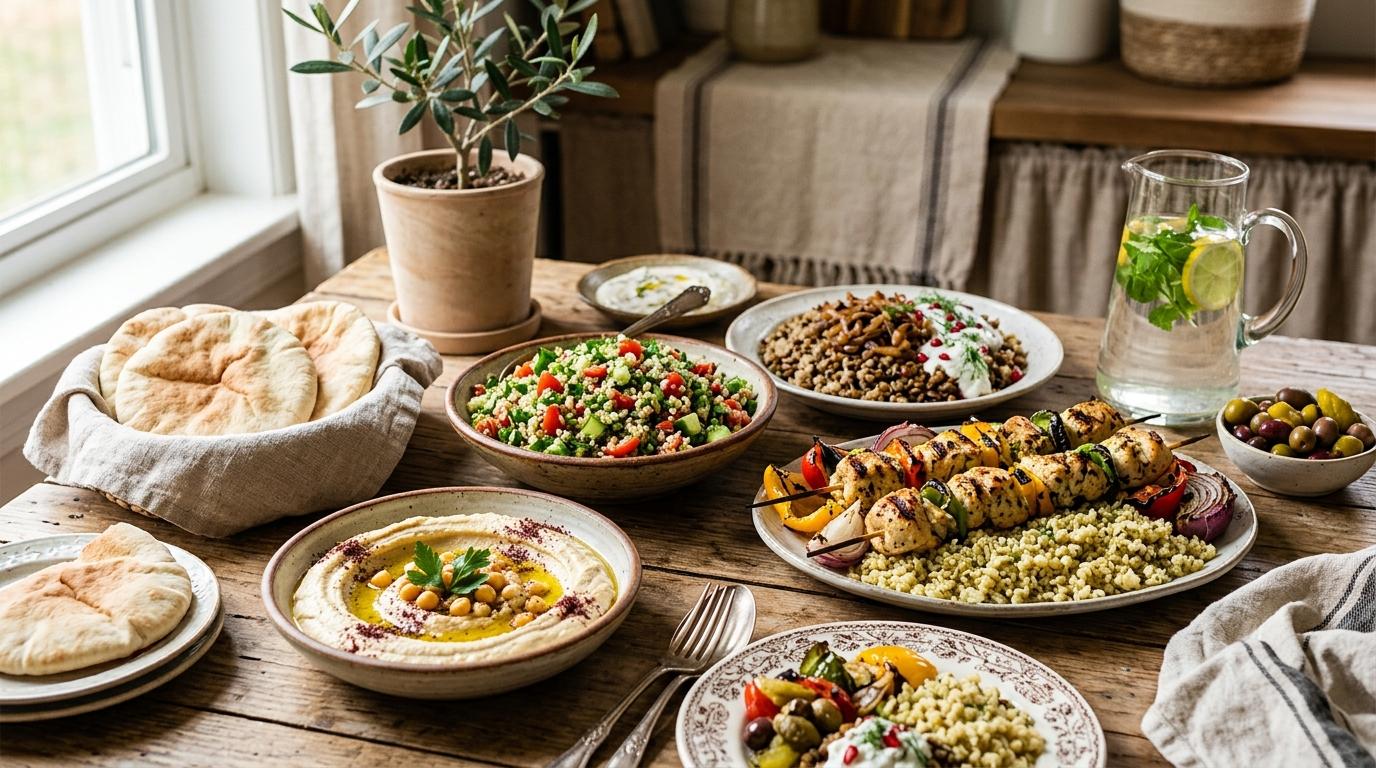
Middle Eastern cuisine has quietly been delivering some of the world's healthiest dishes for centuries, long before "superfoods" became a marketing term. The region's emphasis on legumes, whole grains, fresh herbs, and olive oil creates a natural foundation for nutritious eating that doesn't feel like deprivation. If you're exploring the broader world of Middle Eastern recipes, you'll discover that many traditional dishes are inherently packed with nutrients, fiber, and plant-based proteins.
The Mediterranean diet—which overlaps significantly with Middle Eastern eating patterns—consistently ranks as one of the healthiest in the world. But unlike trendy diet plans that come and go, these recipes have sustained entire cultures for generations. They're built around ingredients that happen to be nutritional powerhouses: chickpeas loaded with protein and fiber, tahini rich in healthy fats, leafy herbs bursting with antioxidants.
What makes healthy Middle Eastern recipes particularly appealing is their flavor complexity. You're not trading taste for nutrition. The region's mastery of spice blending means every dish delivers bold, satisfying flavors that make you forget you're eating something that's incredibly good for you.
The Nutritional Foundation of Middle Eastern Cuisine
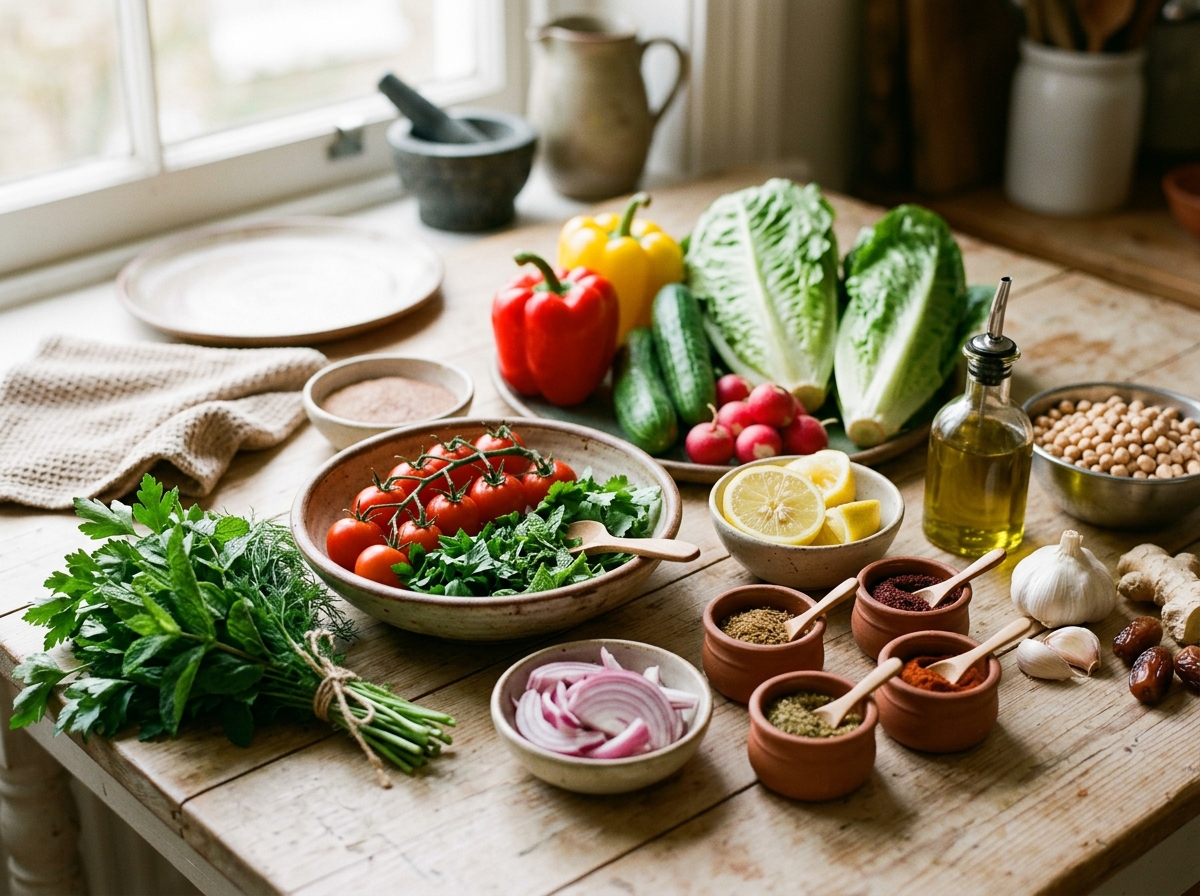
Middle Eastern cooking revolves around ingredients that modern nutritionists champion. Legumes—chickpeas, lentils, fava beans—form the protein backbone of countless dishes. These aren't just cheap fillers; they're complete nutritional packages delivering plant-based protein, complex carbohydrates, and essential minerals like iron and folate.
Olive oil, the region's primary cooking fat, provides monounsaturated fats that support heart health. Unlike many cuisines that rely heavily on butter or processed oils, Middle Eastern dishes use olive oil both for cooking and as a finishing touch, preserving its beneficial compounds.
The herb and spice tradition contributes more than flavor. Parsley, mint, and cilantro aren't just garnishes—they're concentrated sources of vitamins A and C. Spices like turmeric, cumin, and sumac deliver anti-inflammatory compounds that have been studied for their health benefits.
Whole grains play a central role, from bulgur wheat in tabbouleh to freekeh in hearty pilafs. These provide sustained energy and fiber that keeps you satisfied longer than refined grains.
Key Ingredients for Healthy Middle Eastern Cooking
Building a healthy Middle Eastern pantry starts with a few foundational ingredients that appear across multiple dishes. These ingredients work together to create meals that are both nutritionally dense and deeply satisfying.
Tahini deserves special attention. This sesame seed paste provides healthy fats, protein, and a creamy texture that makes vegetables irresistible. It's the secret behind hummus's satisfying richness and transforms simple roasted vegetables into a substantial meal.
Za'atar combines dried herbs, sesame seeds, and sumac into a tangy blend that elevates everything from roasted vegetables to yogurt-based dips. The sumac contributes vitamin C and antioxidants, while the herbs provide minerals and flavor compounds that may support digestion.
Pomegranate molasses adds sweet-tart depth to dishes while providing antioxidants. Unlike refined sugar-based condiments, it delivers complex flavor that satisfies cravings for both sweet and sour elements.
Greek yogurt (or labneh, the strained version) provides probiotics and protein while serving as a cooling counterpoint to spiced dishes. It's more nutritionally dense than sour cream and adds tanginess that brightens vegetable-forward meals.
Protein-Packed Plant-Based Dishes
Middle Eastern cuisine excels at creating satisfying, protein-rich meals without relying heavily on meat. These dishes prove that plant-based eating doesn't mean sacrificing substance or flavor.
Hummus variations go far beyond the basic chickpea version. Try white bean hummus with roasted garlic, or red lentil hummus spiked with harissa. Each variation provides complete proteins when paired with whole grain pita or vegetables. The key to exceptional hummus is patience: peel the chickpeas after cooking for ultra-smooth texture, and don't skimp on the tahini.
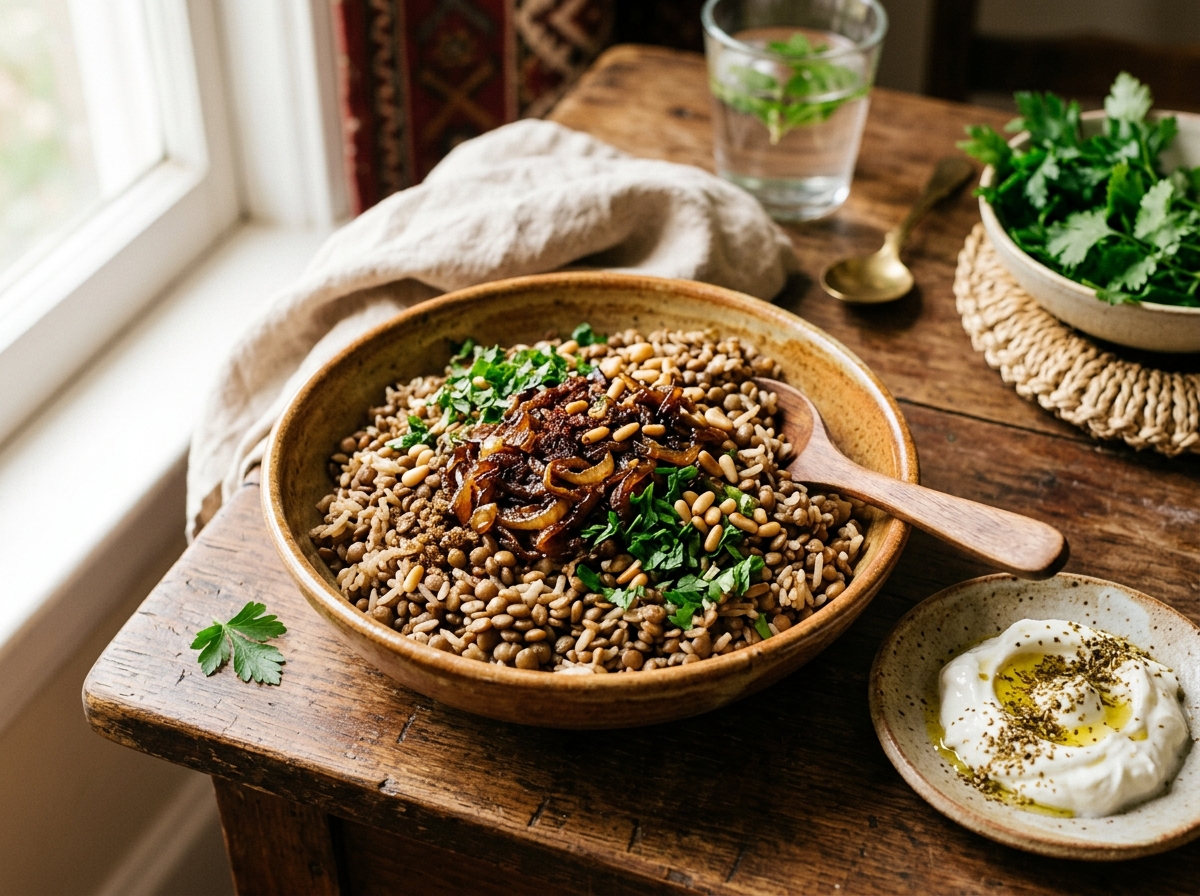
Mjadara, the lentil and rice dish topped with caramelized onions, delivers complete protein through the combination of legumes and grains. The slow-cooked onions provide natural sweetness that makes this humble dish deeply satisfying. Use green or brown lentils for the best texture—red lentils cook too quickly and become mushy.
Falafel made properly (from dried chickpeas, never canned) provides substantial protein and fiber. Baking instead of deep-frying reduces oil content while maintaining the crispy exterior. Serve with tahini sauce and plenty of fresh vegetables for a complete meal.
Vegetable-Forward Dishes That Satisfy
Middle Eastern cuisine treats vegetables as stars, not supporting players. These dishes showcase how proper seasoning and cooking techniques can make vegetables the most compelling part of your meal.
Tabbouleh flips the typical grain salad ratio—it's primarily herbs with just enough bulgur for texture. The result is a dish packed with vitamins, minerals, and fresh flavor. The key is chopping the parsley and mint by hand, not in a food processor, to maintain texture. Let the salad rest for at least an hour so the bulgur absorbs the lemon juice and olive oil.
Baba ganoush transforms eggplant into a creamy, smoky dip that's rich in fiber and antioxidants. Char the eggplant directly over a gas flame or under the broiler until the skin blackens and the flesh collapses. This creates the characteristic smoky flavor that makes baba ganoush irresistible.
Fattoush makes use of day-old pita bread combined with whatever vegetables you have on hand. The sumac-spiked dressing provides tartness and antioxidants, while the mixture of textures—crispy bread, crunchy vegetables, soft herbs—creates a salad that's substantial enough to serve as a meal.
Stuffed vegetables—whether grape leaves, zucchini, or bell peppers—showcase the cuisine's ingenuity with plant-based fillings. Traditional rice and herb stuffings provide complex carbohydrates and plenty of flavor from pine nuts, fresh dill, and mint.
Whole Grain Foundations
Middle Eastern cuisine has embraced whole grains long before they became a health trend. These grains provide sustained energy and create satisfying bases for vegetable and protein additions.
Freekeh, young green wheat that's been roasted, provides more protein and fiber than regular wheat. Its nutty, smoky flavor pairs beautifully with roasted vegetables and fresh herbs. Cook freekeh like rice, but expect it to retain a pleasant chewy texture.
Bulgur comes in different grinds, from fine (perfect for tabbouleh) to coarse (ideal for pilafs). It cooks quickly and absorbs flavors well. Unlike many whole grains, bulgur doesn't require long cooking times, making it perfect for weeknight meals.
Barley appears in hearty soups and stews, providing beta-glucan fiber that may help lower cholesterol. Pearl barley cooks faster than hulled barley but retains good nutritional value. Use it in place of rice in stuffed vegetables or as a base for grain bowls.
Smart Cooking Techniques for Maximum Nutrition
The way you prepare these healthy ingredients matters as much as the ingredients themselves. Middle Eastern cooking techniques preserve and enhance nutritional value while building complex flavors.
Gentle sautéing in olive oil at moderate temperatures preserves the oil's beneficial compounds while developing flavor. Don't let the oil smoke—this breaks down the healthy fats and creates bitter flavors.
Steaming vegetables until just tender, then finishing with olive oil and lemon juice, preserves water-soluble vitamins while adding flavor. This technique works particularly well for green vegetables like green beans and broccoli.
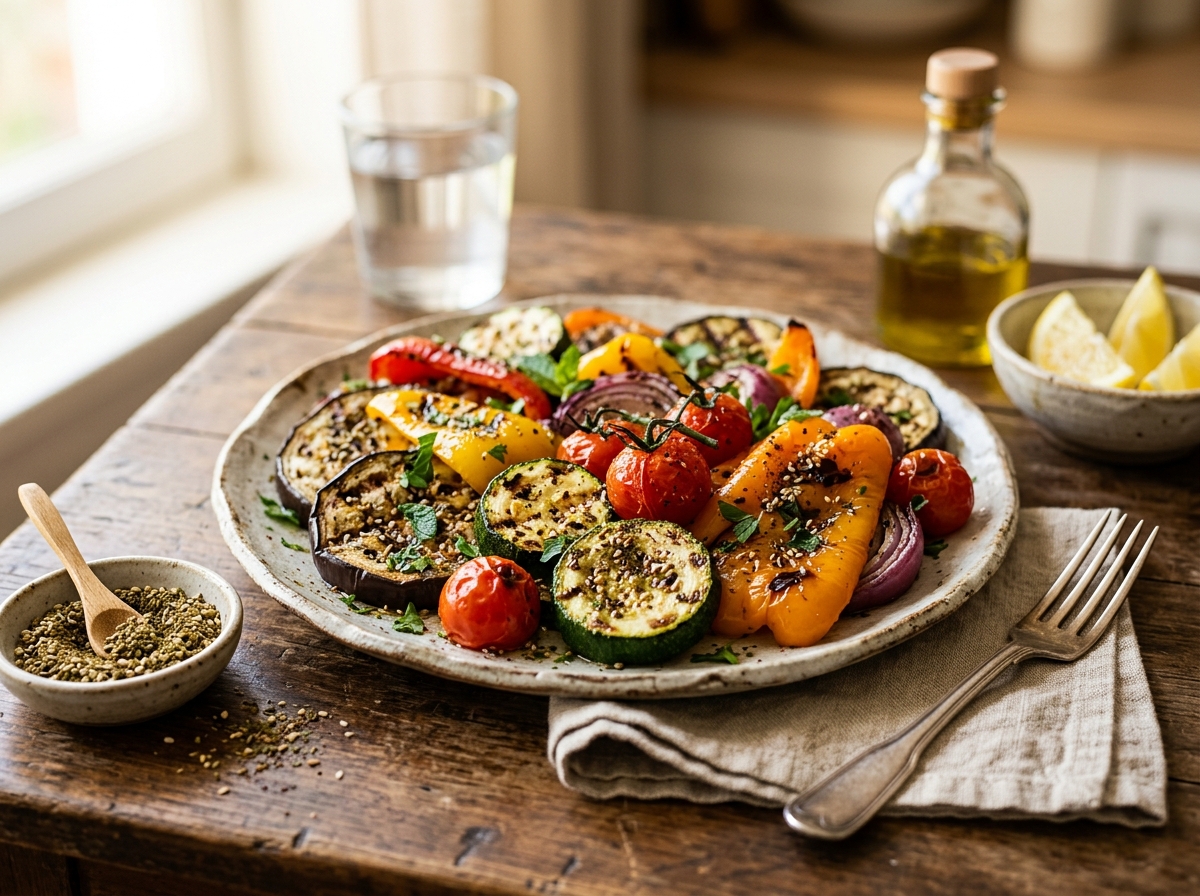
Grilling vegetables concentrates their natural sugars while adding smoky flavor without extra calories. Brush vegetables lightly with olive oil and season with za'atar or other spice blends before grilling.
Slow cooking legumes from dried (rather than using canned) gives you control over sodium content and texture. Soak beans overnight, then simmer with aromatics like bay leaves, onion, and garlic for maximum flavor development.
Building Balanced Meals
The traditional Middle Eastern approach to meal composition naturally creates balanced nutrition. A typical meal might include a protein-rich dip like hummus, a whole grain component, plenty of vegetables, and healthy fats from olive oil or nuts.
Start with a base of whole grains—bulgur, freekeh, or brown rice. Add legumes for protein and fiber. Include plenty of vegetables, both raw and cooked, for vitamins and minerals. Finish with healthy fats from olive oil, tahini, or nuts.
The mezze tradition makes this approach natural. Instead of one large entree, you serve multiple smaller dishes that together create a complete nutritional profile. This also encourages variety, ensuring you get a wide range of nutrients across the meal.
Fresh herbs aren't garnishes—they're nutritional contributors. A handful of parsley provides significant vitamin C and iron. Mint aids digestion. Cilantro may help with heavy metal detoxification. Use herbs generously throughout your meals.
Making It Work for Modern Life
These healthy Middle Eastern recipes fit well into busy schedules when you understand a few key strategies. Many dishes improve with time, making them perfect for meal prep and advance planning.
Prepare large batches of staples like hummus, tahini sauce, and cooked grains on weekends. These keep well refrigerated and can be combined with fresh vegetables throughout the week for quick, healthy meals.
Many Middle Eastern salads and dips actually benefit from resting time. Tabbouleh tastes better after the bulgur has absorbed the dressing. Baba ganoush develops deeper flavor overnight. Plan these dishes ahead for better results and less daily prep work.
Keep your spice collection well-stocked. Having quality cumin, sumac, za'atar, and other Middle Eastern spices on hand means you can transform simple ingredients into flavorful, satisfying meals quickly.
Embrace room temperature eating. Many Middle Eastern dishes taste best at room temperature, which means less last-minute heating and more flexibility with timing. This approach also preserves the nutritional value of ingredients like olive oil and fresh herbs.
Healthy Middle Eastern recipes offer a sustainable approach to nutritious eating that doesn't feel like a diet. The emphasis on whole foods, plant proteins, and bold flavors creates meals that satisfy both your nutritional needs and your taste preferences. As you explore more Middle Eastern recipes, you'll discover that healthy cooking and delicious food aren't opposing goals—they're natural partners in this rich culinary tradition.
Sources & further reading
- Why the Mediterranean diet works — Harvard Gazette (Harvard University)
- Guide to the Mediterranean diet — Harvard Health Publishing (Harvard Medical School)
- A practical guide to the Mediterranean diet — Harvard Health Publishing (Harvard Medical School)
- More benefits of a Mediterranean diet — Harvard Health Publishing (Harvard Medical School)
Related Topics
Enjoyed this article? Share it with fellow food lovers!
Import a recipe, start cooking
Paste any recipe URL and we'll turn it into a Cook Mode experience with step-by-step visuals, voice narration, and built-in timers.