
Healthy Indian Cooking: Traditional Techniques for Modern Wellness
Discover how traditional Indian cooking techniques naturally promote health through spice-forward flavors, vegetable-centric dishes, and mindful preparation methods that have nourished generations.
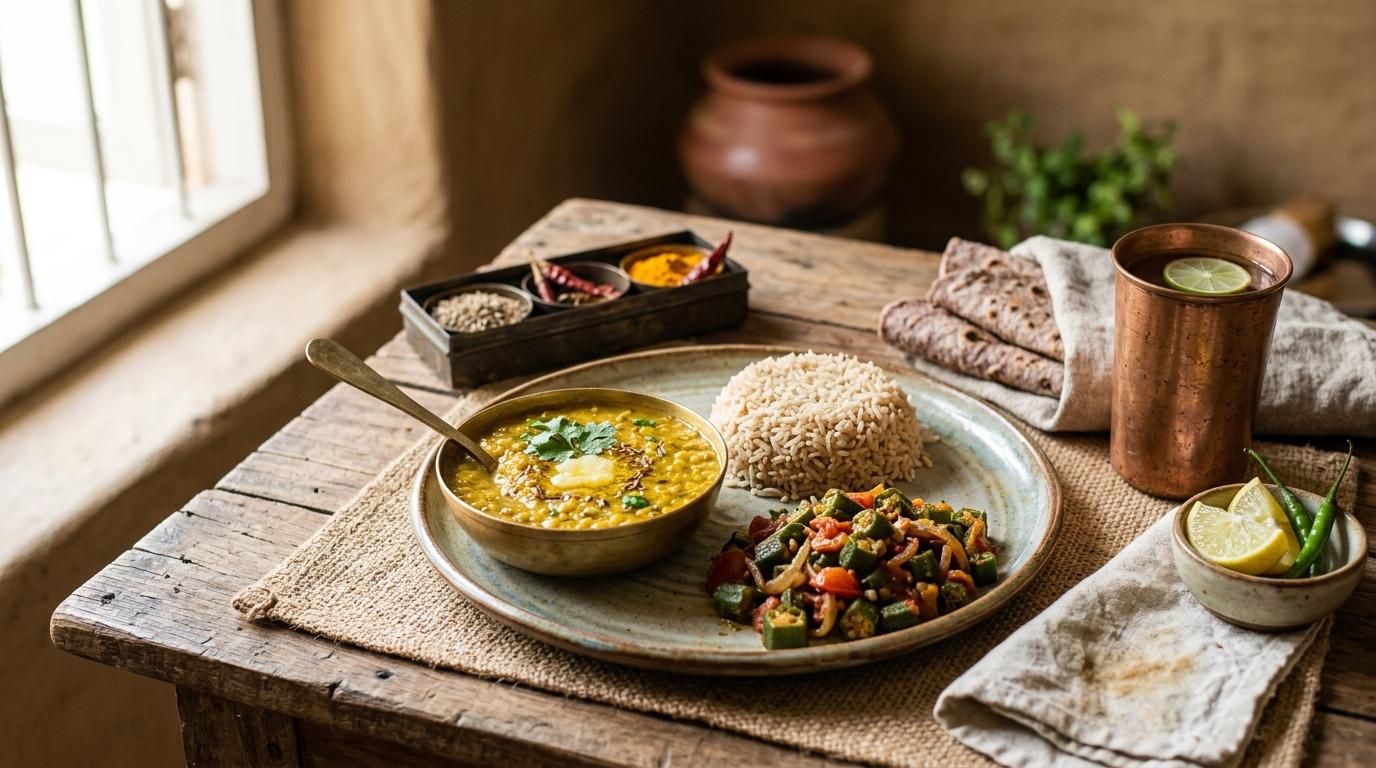
Indian cuisine has always been inherently healthy—long before wellness became a lifestyle trend. The traditional techniques woven throughout our collection of best Indian recipes naturally emphasize vegetables, legumes, whole grains, and spices that double as medicine. Yet somewhere along the way, restaurant-style Indian cooking convinced many that authentic flavors require swimming pools of oil and cream.
The truth is more interesting. Traditional Indian home cooking developed around principles that modern nutritionists now champion: using spices to reduce inflammation, building meals around plant proteins, and creating complex flavors through technique rather than heavy fats.
Let's explore how to cook Indian food that honors both tradition and health—without sacrificing the bold, layered flavors that make this cuisine so compelling.
The Foundation: Understanding Healthy Indian Cooking Principles
Healthy Indian cooking starts with understanding that flavor comes from technique, not quantity of fat. Traditional Indian home kitchens rely on a few core principles that naturally promote nutrition while building incredible taste.
The concept of "tempering" or tadka forms the backbone of most Indian dishes. This technique involves heating whole spices in a small amount of oil or ghee until they release their essential oils and become aromatic. Unlike Western cooking that might use oil as a cooking medium, tempering uses fat as a flavor vehicle—meaning you need far less to achieve maximum impact.
Ayurvedic cooking principles also guide healthy Indian cuisine. The idea of balancing six tastes—sweet, sour, salty, bitter, pungent, and astringent—in each meal naturally leads to nutrient diversity. When you're incorporating bitter greens, astringent legumes, and pungent spices, you're building meals with varied nutrients and natural detoxification properties.
Mastering Low-Oil Cooking Techniques
The secret to reducing oil without losing flavor lies in understanding how spices behave under different cooking conditions. Water-based tempering, for instance, uses the moisture from onions, tomatoes, or even direct water to cook spices without oil.
Start your base by sautéing onions in just a teaspoon of oil until they begin to soften. Add a splash of water and let it steam-cook the onions until they're golden and jammy. This technique, called bhuno, concentrates flavors while using a fraction of the oil found in restaurant versions.
For spice pastes, dry roast whole spices in a pan until fragrant, then grind them with a small amount of water instead of oil. This creates intensely flavored spice mixtures that form the backbone of curries without added fat. The water evaporates during cooking, leaving behind pure, concentrated spice flavors.
Steam-cooking vegetables before adding them to curries is another traditional technique that reduces oil dependency. Par-steam cauliflower, potatoes, or okra until just tender, then finish them in your spice base. The vegetables absorb flavors more readily when they're already partially cooked, and you need less oil to prevent sticking.
Key Ingredients for Healthy Indian Cooking
Building a healthy Indian pantry means focusing on ingredients that deliver both nutrition and authentic flavor. Whole spices remain more potent than pre-ground versions and offer better control over your cooking process.
Turmeric stands as perhaps the most important spice for healthy Indian cooking. Its active compound, curcumin, provides anti-inflammatory benefits, but it needs to be cooked with a small amount of fat and black pepper to become bioavailable. A tiny pinch of black pepper and a teaspoon of oil or ghee in your tempering activates turmeric's benefits.
Ghee, despite being a saturated fat, serves specific purposes in healthy Indian cooking. Used in small quantities, it helps absorb fat-soluble vitamins from vegetables and spices. Traditional cooking uses ghee more like a seasoning than a cooking medium—a teaspoon to finish a dal or a tablespoon to temper spices for a large pot of curry.
Legumes and lentils form the protein foundation of healthy Indian meals. Moong dal cooks quickly and digests easily, making it perfect for light dinners. Chana dal provides a nutty flavor and substantial texture, while masoor dal breaks down completely, creating creamy bases for curries without dairy.
Fresh ingredients matter enormously in healthy Indian cooking. Ginger, garlic, and green chilies form the trinity of fresh aromatics that appear in most savory dishes. These ingredients provide flavor intensity that reduces the need for salt and fat while offering natural antimicrobial and digestive benefits.
Healthy Versions of Classic Dishes
Transforming beloved Indian dishes into healthier versions requires understanding what makes them appealing in the first place. Take dal makhani, typically loaded with cream and butter. The appeal lies in its rich, velvety texture and complex spice layers, not necessarily the dairy.
Create that same richness by slow-cooking black lentils with pureed tomatoes and onions until they break down completely. Finish with just a tablespoon of cream or cashew cream for six servings. The long cooking time develops deep flavors that restaurant versions achieve through excessive cream.
Chicken curry benefits from marinating the protein in yogurt and spices before cooking. This technique, borrowed from tandoori preparations, tenderizes the meat while infusing flavor. Cook the marinated chicken in its own juices first, then add your spice base. The rendered chicken juices become part of the sauce, reducing the need for added fats.
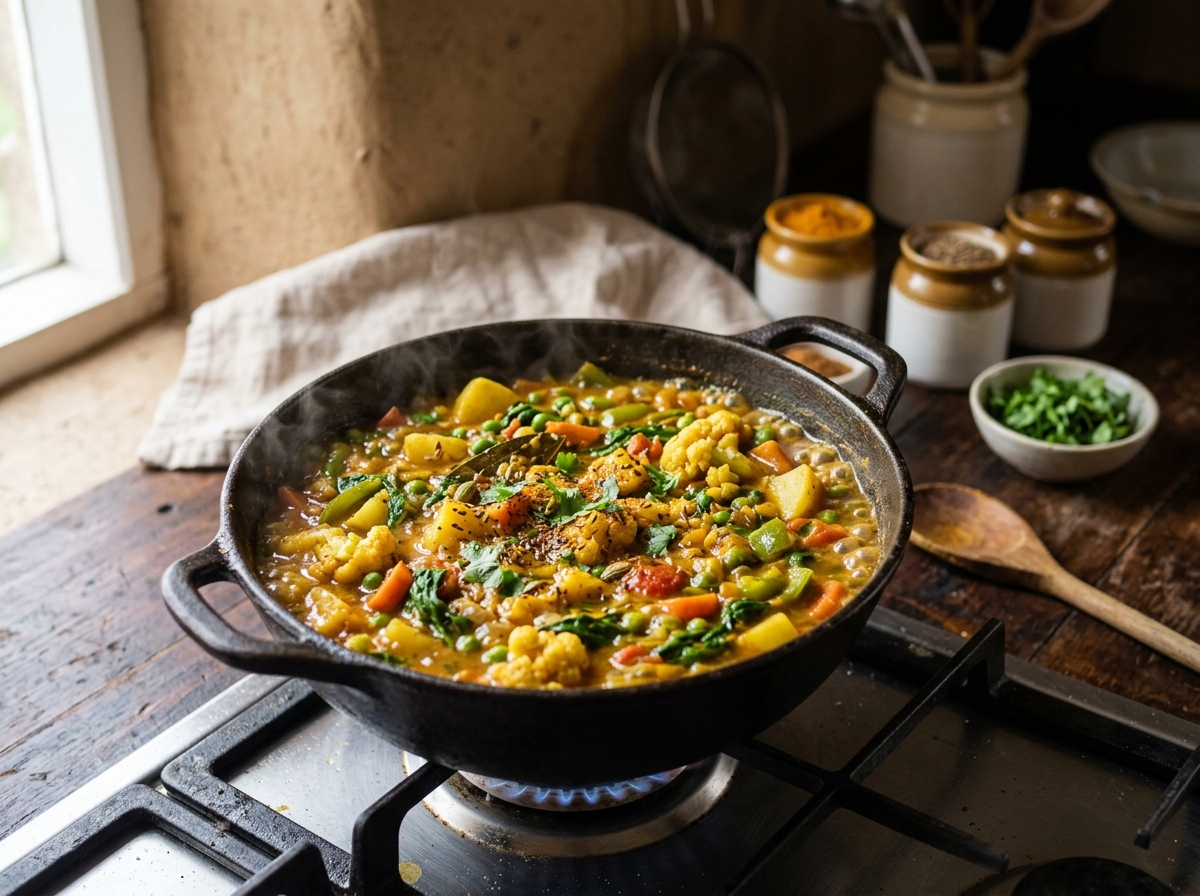
Vegetable curries shine when you understand the individual cooking requirements of each vegetable. Root vegetables like carrots and potatoes need longer cooking times and benefit from initial steaming. Leafy greens like spinach and fenugreek leaves should be added at the end to preserve their nutrients and vibrant color.
For biryanis and pilafs, toast the rice in a dry pan before adding liquid. This technique, called bhuno, gives the rice a nutty flavor without oil while helping grains stay separate during cooking. Use vegetable or chicken stock instead of plain water for additional flavor depth.
Maximizing Nutrition Through Spice Combinations
Indian spice combinations aren't random—they're carefully balanced to enhance both flavor and nutritional absorption. The classic combination of turmeric, cumin, coriander, and fenugreek in curry powder provides complementary health benefits while creating complex taste profiles.
Cumin aids digestion and iron absorption, making it an ideal partner for iron-rich leafy greens. Always toast cumin seeds before grinding to maximize their digestive properties and nutty flavor. The toasted seeds release oils that help your body process other nutrients more efficiently.
Coriander seeds balance the intensity of other spices while providing vitamin C and antioxidants. Crushing coriander seeds lightly before cooking releases their citrusy oils without turning them bitter. This technique works particularly well in vegetable dishes where you want brightness without acidity.
Fenugreek leaves and seeds offer natural blood sugar regulation, making them valuable additions to grain-based dishes. Fresh fenugreek leaves, called methi, add bitter complexity to simple dal preparations. Dried fenugreek seeds, toasted and ground, provide maple-like sweetness to spice blends.
Building Balanced Meals
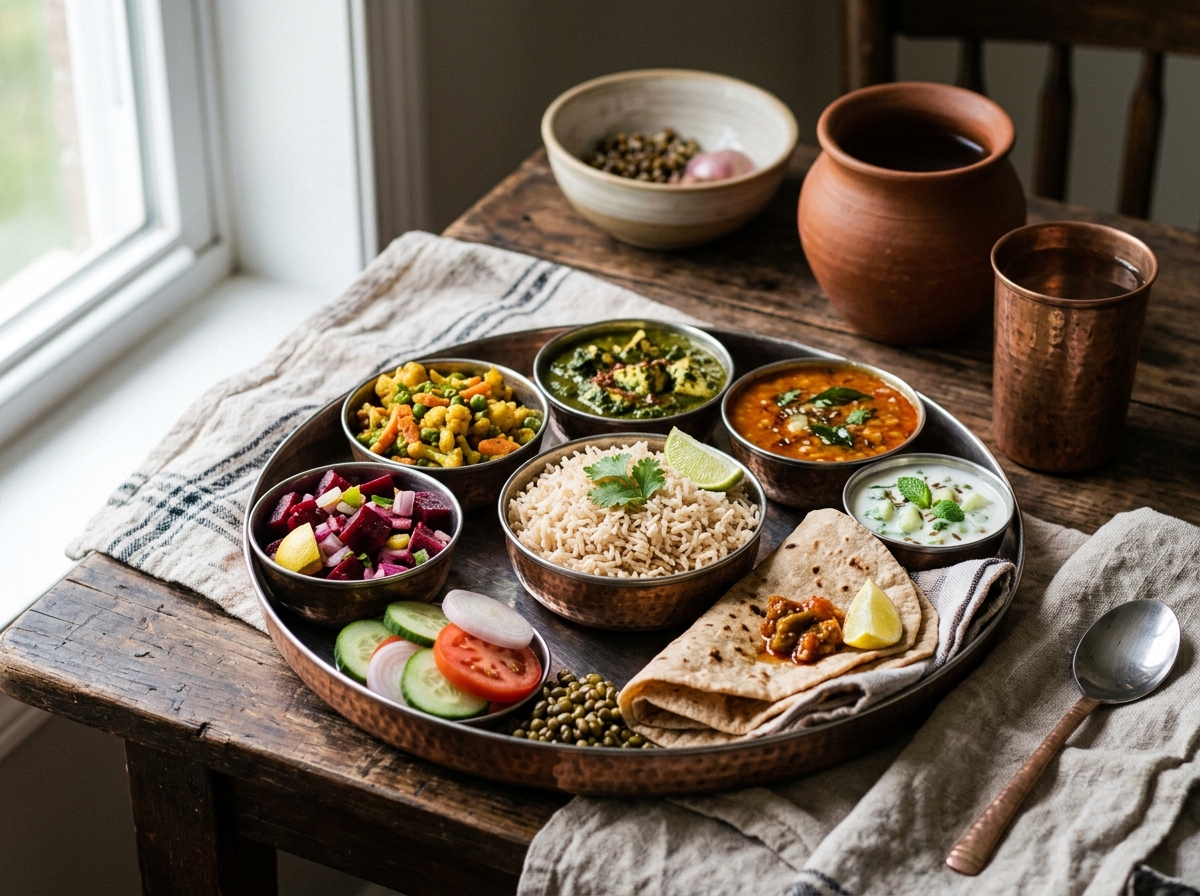
Healthy Indian meals follow a natural template that ensures nutritional completeness. The typical thali includes a grain (rice or bread), a legume (dal or beans), vegetables (dry and wet preparations), and a small portion of pickles or chutneys for probiotics and flavor intensity.
This combination automatically provides complete proteins when grains and legumes are consumed together. The varied vegetable preparations ensure different cooking methods preserve different nutrients—some vegetables benefit from raw preparations, others from cooking.
Portion control happens naturally in traditional Indian meals because of the variety. When you have six or seven small portions of different preparations, you're less likely to overeat any single dish. The abundance of flavors and textures satisfies psychological hunger alongside physical hunger.
Practical Tips for Everyday Healthy Indian Cooking
Making healthy Indian cooking practical for busy schedules requires some strategic planning and technique shortcuts. Spice pastes can be made in batches and frozen in ice cube trays, giving you instant flavor bases for weeknight meals.
Prepare a master spice mix combining equal parts turmeric, cumin, coriander, and a smaller amount of red chili powder. This becomes your go-to seasoning for quick vegetable stir-fries, dal preparations, and simple meat dishes. Store it in an airtight container and it stays fresh for months.
Pre-chopped ginger-garlic paste keeps in the refrigerator for weeks when stored properly with a thin layer of oil on top. Make a large batch by processing equal amounts of fresh ginger and garlic with just enough water to create a smooth paste. This eliminates daily prep work for most Indian dishes.
Cook grains and legumes in larger batches and freeze portions. Pre-cooked brown rice freezes better than white rice and reheats beautifully in curries. Cooked lentils can be transformed into different dishes throughout the week—today's simple dal becomes tomorrow's lentil curry with vegetables.
Use your pressure cooker or Instant Pot for hands-off cooking of tougher cuts of meat and dried legumes. The high heat and steam naturally break down fibers without requiring additional fats. Pressure-cooked chicken thighs become incredibly tender and flavorful with just spices and onions.
Seasonal and Regional Adaptations
Healthy Indian cooking adapts beautifully to seasonal ingredients and regional preferences. Summer cooking focuses on cooling ingredients—yogurt-based dishes, cucumber raitas, and lighter legumes like moong dal. Winter cooking emphasizes warming spices like ginger, cinnamon, and cloves alongside heartier vegetables and grains.
South Indian techniques like tempering with curry leaves, mustard seeds, and dried chilies create intensely flavorful dishes with minimal oil. The fermentation processes used for dosas and idlis naturally increase nutrient availability while creating probiotics for digestive health.
North Indian techniques like slow-cooking in clay pots develop complex flavors through gentle, even heat. You can approximate this effect using a slow cooker or low oven temperatures for braises and stews.
Eastern Indian cooking emphasizes fish and vegetables, often prepared with minimal spicing to highlight natural flavors. Bengali-style fish curries use nigella seeds and fennel for subtle complexity without overwhelming the delicate protein.
Western Indian cuisine incorporates more dried fruits, nuts, and dairy, but these can be used judiciously as garnishes rather than main ingredients. A few cashews or almonds, toasted and crushed, provide richness and texture without significantly increasing calories.
Conclusion
Healthy Indian cooking isn't about restriction—it's about understanding traditional techniques that naturally emphasize nutrition while building incredible flavors. When you master tempering, understand spice combinations, and respect the natural cooking requirements of different ingredients, you create meals that satisfy both body and soul.
The techniques we've explored connect directly to the broader world of Indian recipes, showing how traditional wisdom aligns perfectly with modern wellness goals. Whether you're preparing a simple weeknight dal or an elaborate weekend feast, these principles ensure your cooking honors both authentic flavors and nutritional needs.
Start with one or two techniques—perhaps tempering with less oil or incorporating more legumes into your weekly rotation. As these become natural, you'll find yourself instinctively creating healthier versions of your favorite dishes without sacrificing the complex, satisfying flavors that make Indian cuisine so compelling.
Sources & further reading
- The Art of Ayurvedic Cooking: Principles for Harmonizing Your Meals — EliteAyurveda Blog & Articles
- Fundamentals of Ayurvedic Cuisine through Ayurvedic Nutrition and Cooking (ANC) — Ayurveda College
- Food as Medicine 101: Ayurvedic Nutrition for Body, Mind, & Spirit — Saumya Ayurveda
Related Topics
Enjoyed this article? Share it with fellow food lovers!
Import a recipe, start cooking
Paste any recipe URL and we'll turn it into a Cook Mode experience with step-by-step visuals, voice narration, and built-in timers.