
French Vegetarian Recipes That Prove France Does Plant-Based
French cuisine isn't all foie gras and butter—discover the elegant vegetarian traditions that have sustained French kitchens for centuries, from Provençal ratatouille to delicate cheese soufflés.
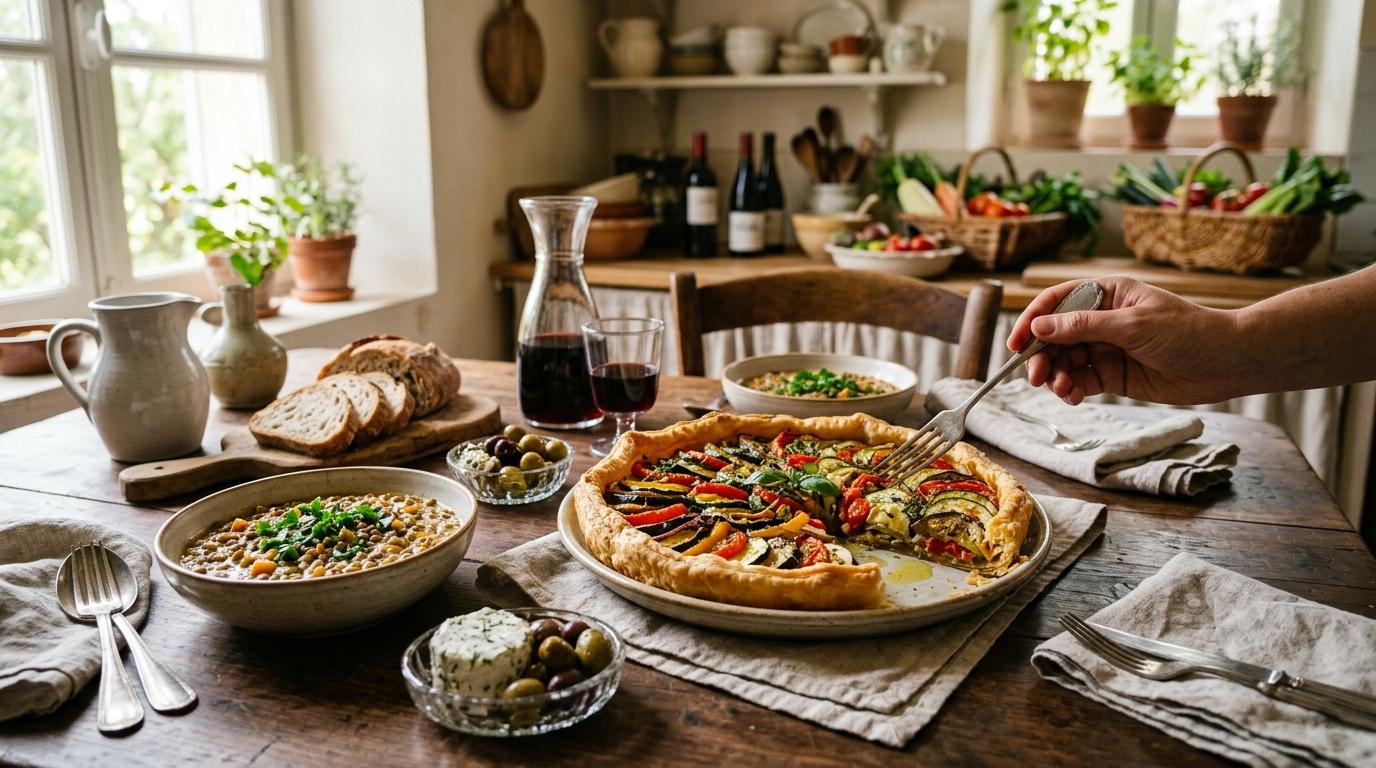
Walk into any French bistro and you might assume vegetables play second fiddle to duck confit and beef bourguignon. But dig deeper into France's culinary traditions—especially the rich repertoire of French recipes—and you'll discover a treasure trove of vegetarian dishes that have sustained French kitchens for generations. From the sun-drenched vegetables of Provence to the earthy comfort of a perfect onion soup, French vegetarian cooking proves that plants can be just as elegant and satisfying as any meat-centered meal.
The secret lies in technique, not trends. French cooks have always understood that coaxing maximum flavor from humble ingredients requires patience, proper seasoning, and respect for the ingredient itself. A simple leek transforms into silky vichyssoise. Summer vegetables become the iconic ratatouille. Even cheese—France's other great passion—elevates vegetables into soufflés and gratins that feel like celebration meals.
The Foundation: French Vegetable Techniques
Before diving into specific recipes, let's talk technique. French vegetarian cooking isn't about substituting meat—it's about understanding how to build layers of flavor using vegetables, herbs, and classic French methods.
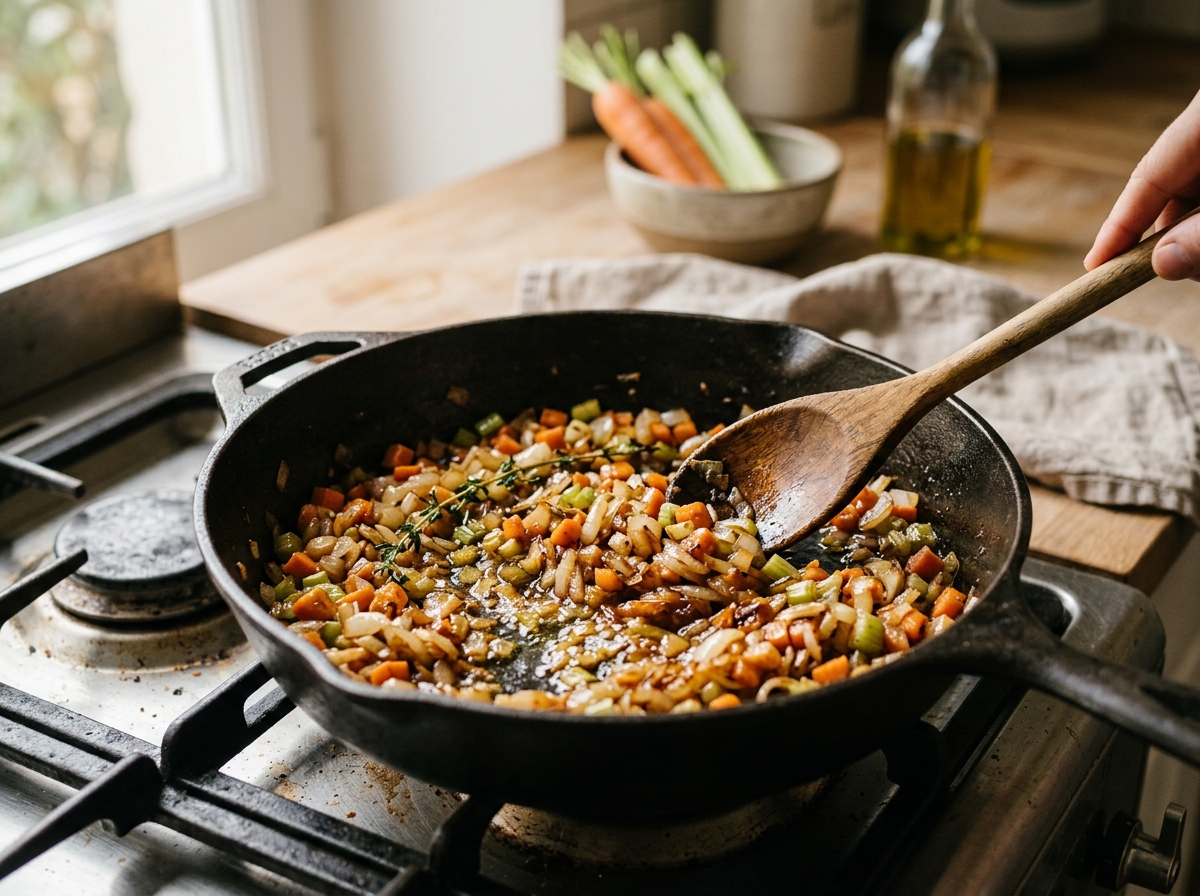
Start with the holy trinity of French cooking: onion, carrot, and celery, known as mirepoix. This aromatic base appears in countless French dishes, providing depth without any animal products. Sauté these vegetables slowly in good olive oil or butter until they're soft and golden—this takes at least 10 minutes, sometimes 20. Rushing this step means missing the sweet, complex flavors that develop with proper caramelization.
The French also excel at layering flavors through proper seasoning at each stage. Salt your vegetables as they cook, not just at the end. Add herbs in stages—hardy herbs like thyme and rosemary early in the cooking process, delicate ones like parsley and chives just before serving. A splash of white wine or cognac can deglaze a pan and add another layer of complexity.
Iconic French Vegetarian Mains
Ratatouille: The Crown Jewel of Provence
Ratatouille might be the most famous French vegetarian dish, but it's also the most misunderstood. Too many recipes dump everything into a pot and call it a day. Real ratatouille requires cooking each vegetable separately to preserve its distinct character, then combining them for a final simmer.
Start with eggplant and zucchini, salted and drained to remove excess moisture. Sauté them separately until golden, then set aside. In the same pan, cook bell peppers until their skins start to blister. Finally, build your base with onions, garlic, and tomatoes cooked down until jammy. Combine everything for a final 20-minute braise with herbs de Provence, bay leaves, and a touch of good olive oil.
The result should be rustic but refined—each vegetable identifiable but harmonious with the others. Serve it hot as a main course with crusty bread, or let it cool to room temperature as the French often do.
Soupe à l'Oignon Gratinée (Without the Beef Stock)
French onion soup can absolutely be vegetarian without sacrificing depth. The key is building umami through caramelized onions—lots of them. Plan on at least 45 minutes of slow cooking to get those onions properly bronzed and sweet.
Use a mix of yellow and red onions for complexity. A splash of dry sherry or white wine adds brightness, while a bay leaf and fresh thyme provide herbal notes. Instead of beef stock, use a rich vegetable stock enhanced with mushroom powder or a piece of Parmesan rind simmered in the broth.
The classic Gruyère topping remains non-negotiable—it's what transforms simple onion broth into something transcendent. Toast your bread separately before floating it on the soup and adding cheese. This prevents soggy bread and ensures proper browning under the broiler.
Cheese Soufflé: French Technique at Its Finest
A properly executed cheese soufflé represents French cooking at its most technical and rewarding. It's essentially a flavored white sauce (béchamel) lightened with beaten egg whites and enriched with cheese—usually Gruyère or Comté.
The technique requires attention but not complexity. Make your béchamel base, stir in egg yolks and cheese, then fold in whipped whites with a light touch. The soufflé rises through steam created by the egg whites, so proper folding technique is crucial—cut down through the center, sweep across the bottom, then up and over. Repeat until just combined.
Bake in a properly preheated oven and resist the urge to open the door for the first 25 minutes. The soufflé should be golden on top and still slightly jiggly in the center when done.
Essential French Vegetarian Sides
Haricots Verts with Shallots and Almonds
French green beans aren't just vegetables—they're an exercise in timing and texture. The beans should be crisp-tender, bright green, and never squeaky. Blanch them in heavily salted boiling water for exactly 3-4 minutes, then shock in ice water to stop the cooking.
The French finishing touch involves sautéing minced shallots in butter until fragrant, adding the blanched beans for a quick toss, then finishing with toasted sliced almonds and a squeeze of lemon. The result is elegant enough for company but simple enough for weeknight dinners.
Gratin Dauphinoise
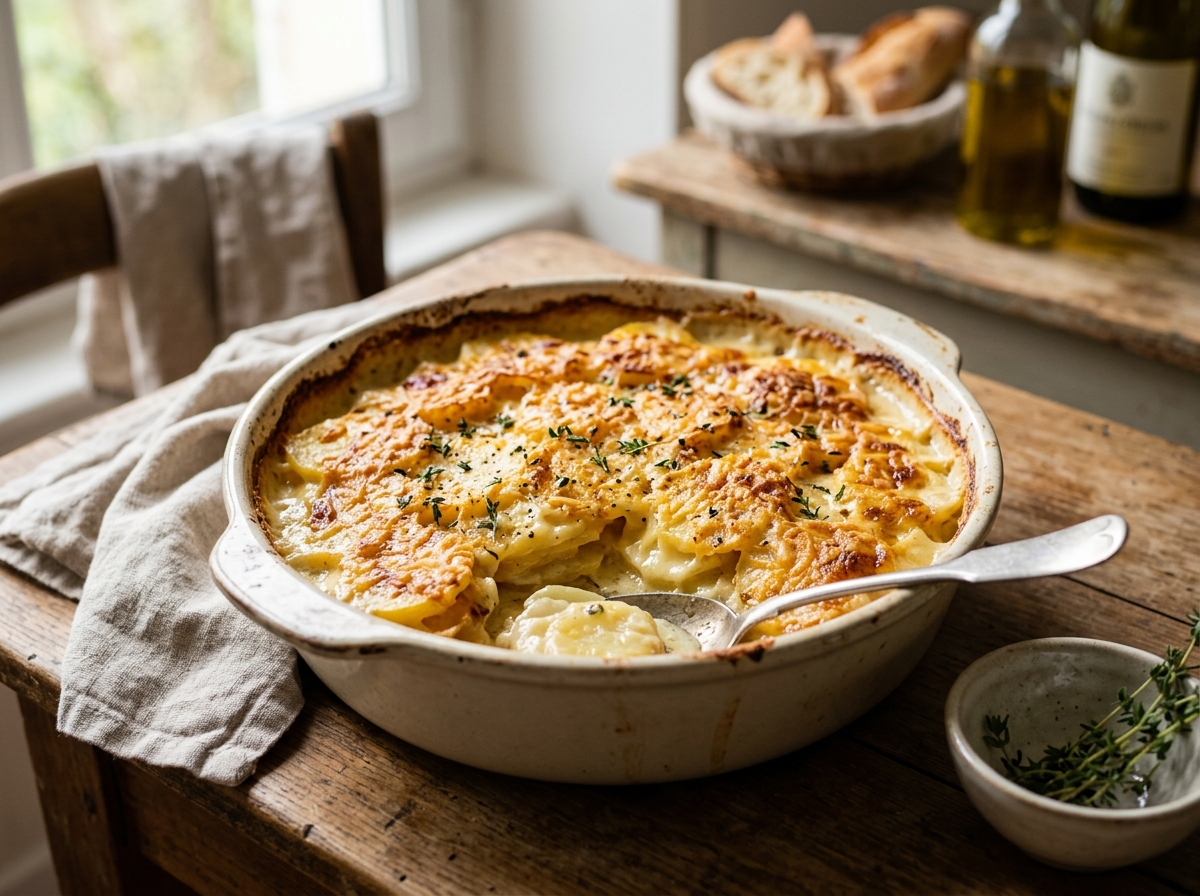
This creamy potato gratin from the Dauphiné region proves that vegetables can be as indulgent as any meat dish. Thinly sliced potatoes are layered with cream, garlic, and nutmeg, then baked until golden and bubbling.
The technique matters here. Slice your potatoes uniformly—a mandoline helps—and don't rinse away the starch. Layer them in overlapping shingles, seasoning each layer with salt, pepper, and a whisper of nutmeg. The cream should just barely cover the potatoes. Bake low and slow until the top is golden and a knife slides through easily.
Braised Leeks with White Wine
Leeks braised in white wine showcase the French ability to transform humble ingredients into something special. Halve the leeks lengthwise after trimming, leaving enough root end to hold them together. Sauté cut-side down until golden, then flip and add white wine, vegetable stock, and herbs.
Braise until tender—about 20 minutes—then reduce the braising liquid to a glossy sauce. The leeks should be fork-tender but still hold their shape, and the sauce should coat the back of a spoon.
Key Ingredients for French Vegetarian Cooking
Success in French vegetarian cooking depends on quality ingredients and proper technique. Here's what to keep on hand:
Vegetables: Seek out the best seasonal produce you can find. French cooking celebrates the ingredient, so mediocre vegetables will never produce stellar results. Eggplant should be firm with glossy skin. Tomatoes should smell like tomatoes. Onions should be dry and papery on the outside, firm beneath.
Herbs: Fresh herbs are non-negotiable. Herbes de Provence (thyme, rosemary, oregano, and sometimes lavender) are essential for southern French dishes. Keep fresh parsley, chives, tarragon, and chervil on hand for finishing touches.
Cheese: Invest in good French cheeses. Gruyère, Comté, and Roquefort each bring distinct flavors to vegetarian dishes. A piece of Parmesan rind adds umami depth to vegetable stocks and braises.
Pantry staples: Good olive oil (preferably French), unsalted butter, dry white wine for cooking, and high-quality sea salt. Dijon mustard adds tang to vinaigrettes and gravies.
Seasonal French Vegetarian Menus
Spring: Celebrating Fresh Growth
Spring in France means asparagus, artichokes, and the first tender peas. A classic spring menu might start with asparagus à la Française—steamed spears finished with hollandaise or simple lemon butter. Follow with a delicate pea soup enriched with fresh mint, and finish with strawberry tart when the first berries appear in markets.
Summer: Provence on a Plate
Summer vegetarian French cooking reaches its peak with dishes like salade Niçoise (hold the anchovies, double the vegetables), cold ratatouille with fresh basil, and tomato tart made with perfectly ripe tomatoes, herbed goat cheese, and a buttery pâte brisée.
Fall: Hearty Comfort
As temperatures cool, French vegetarian cooking turns to warming braises and gratins. Think pumpkin soup with chestnuts, endive braised with walnuts and blue cheese, or a rustic tart with caramelized onions and fresh herbs.
Winter: Rich and Satisfying
Winter calls for dishes like French onion soup, cheese fondue with crusty bread and wine, or a rich mushroom bourguignon using mixed wild mushrooms in place of beef. These dishes prove that vegetarian food can be just as satisfying as traditional French fare.
Mastering French Vegetarian Techniques
The difference between good and great French vegetarian cooking often comes down to mastering a few key techniques that appear across multiple recipes.
Proper sautéing: Don't overcrowd your pan. Vegetables should sizzle when they hit the oil, and there should be space between pieces. Cook in batches if necessary.
Building flavor layers: Season throughout the cooking process, not just at the end. Taste and adjust as you go. A pinch of salt early in cooking draws out moisture and concentrates flavors.
Finishing touches: Fresh herbs, a drizzle of good olive oil, a squeeze of lemon, or a grating of cheese can transform a simple dish into something special. The French call this "la petite touche"—the small touch that makes all the difference.
Knife skills: Uniform cuts ensure even cooking. Take time to dice vegetables properly—your dishes will cook more evenly and look more professional.
Wine Pairings for French Vegetarian Dishes
French vegetarian dishes pair beautifully with French wines, naturally. Light dishes like asparagus or delicate soups work well with Sancerre or Muscadet. Richer dishes like gratin or cheese soufflé can handle a white Burgundy or even a light red like Beaujolais. Don't overlook rosé from Provence—its bright acidity and food-friendly nature make it perfect with summer vegetable dishes.
French vegetarian cooking isn't about restrictions—it's about celebrating the incredible variety and flavor that plants can provide when treated with respect and proper technique. These dishes have sustained French families through seasons and centuries, proving that great cooking isn't about the most expensive ingredients, but about understanding how to coax maximum flavor from whatever you're working with.
Whether you're exploring the broader world of French recipes or focusing specifically on plant-based options, these vegetarian dishes offer a delicious entry point into one of the world's great culinary traditions. Master a few of these techniques, and you'll find yourself reaching for vegetables with the same excitement other cooks reserve for prime cuts of meat.
Sources & further reading
- Behind the Dish: Cheese Souffle by Yannick Alleno — MICHELIN Guide
- French Cheese Soufflé — Taste France Magazine
- Recipe for French Cheese Soufflé — The Good Life France
- Recipe of the month: Cheese Soufflé + launch of a French Cheese Club by Artisanal — Consulat général de France à New York (French Consulate, New York)
Related Topics
Enjoyed this article? Share it with fellow food lovers!
Import a recipe, start cooking
Paste any recipe URL and we'll turn it into a Cook Mode experience with step-by-step visuals, voice narration, and built-in timers.