
French Desserts: Classic Pastries and Sweet Treats
French desserts represent centuries of refined technique and flavor. From delicate pastries to rich custards, these sweet classics bring elegance to any table with surprising accessibility for home cooks.
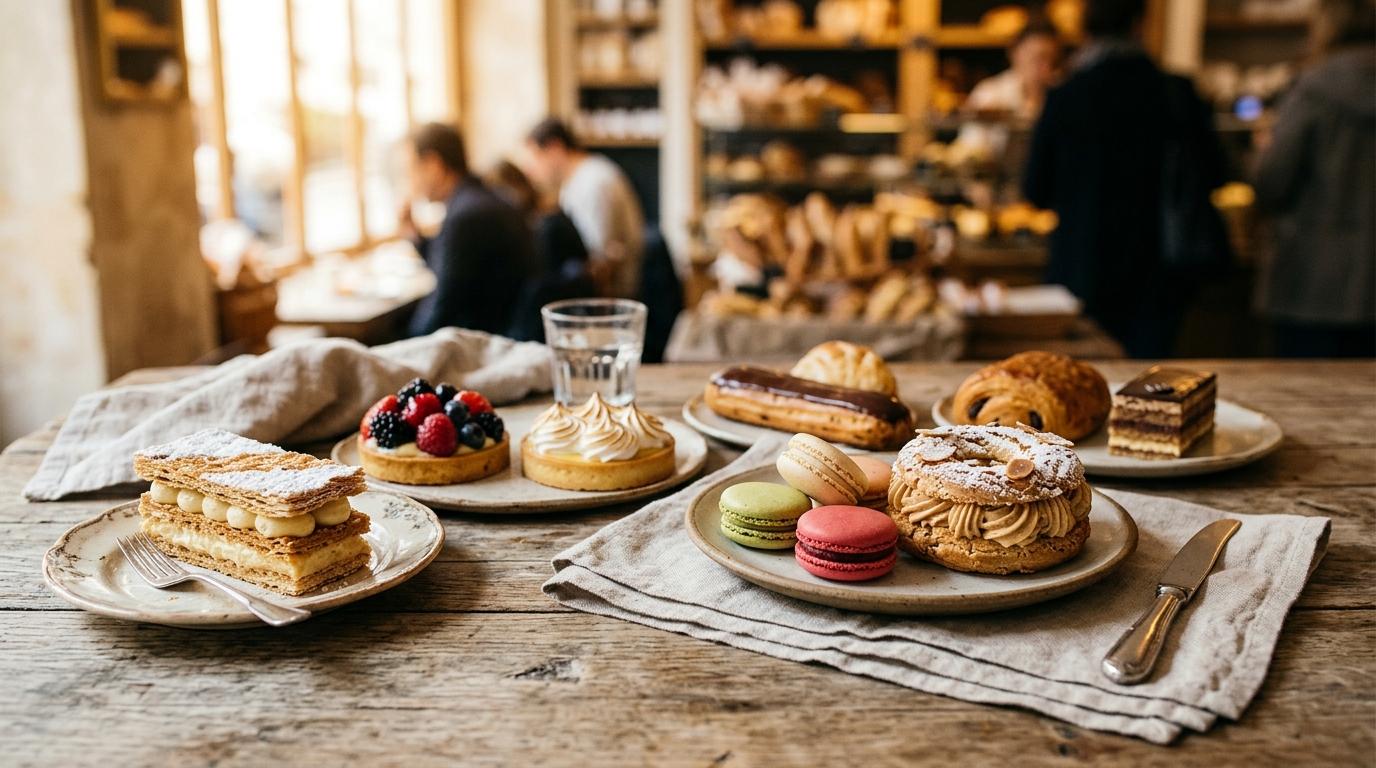
French desserts occupy a special place in the culinary world — they're the sweet culmination of centuries of technique, precision, and an almost obsessive pursuit of perfection. From the satisfying crack of a crème brûlée's caramelized sugar to the delicate chew of a perfect macaron, these treats represent the pinnacle of pastry craft. Whether you're exploring our comprehensive collection of French recipes or diving deep into the world of French sweets, understanding these classics opens up a universe of elegant desserts.
The beauty of French desserts lies not just in their sophistication, but in their foundational techniques. Master a few key methods — making pastry cream, tempering chocolate, or creating the perfect pâte à choux — and you'll unlock dozens of variations and applications.
Let's explore the essential French desserts every home cook should know, from approachable classics to show-stopping centerpieces.
The Fundamentals: Key Techniques Behind French Desserts
French pastry revolves around a handful of fundamental techniques that appear across countless recipes. Understanding these basics transforms intimidating desserts into manageable projects.
Pastry cream (crème pâtissière) forms the backbone of countless French desserts. This rich, vanilla-scented custard fills éclairs, layers between cake, and provides the base for diplomat cream and chiboust cream. The key lies in tempering your egg yolks — slowly whisking hot milk into the yolk mixture prevents curdling while ensuring a silky texture.
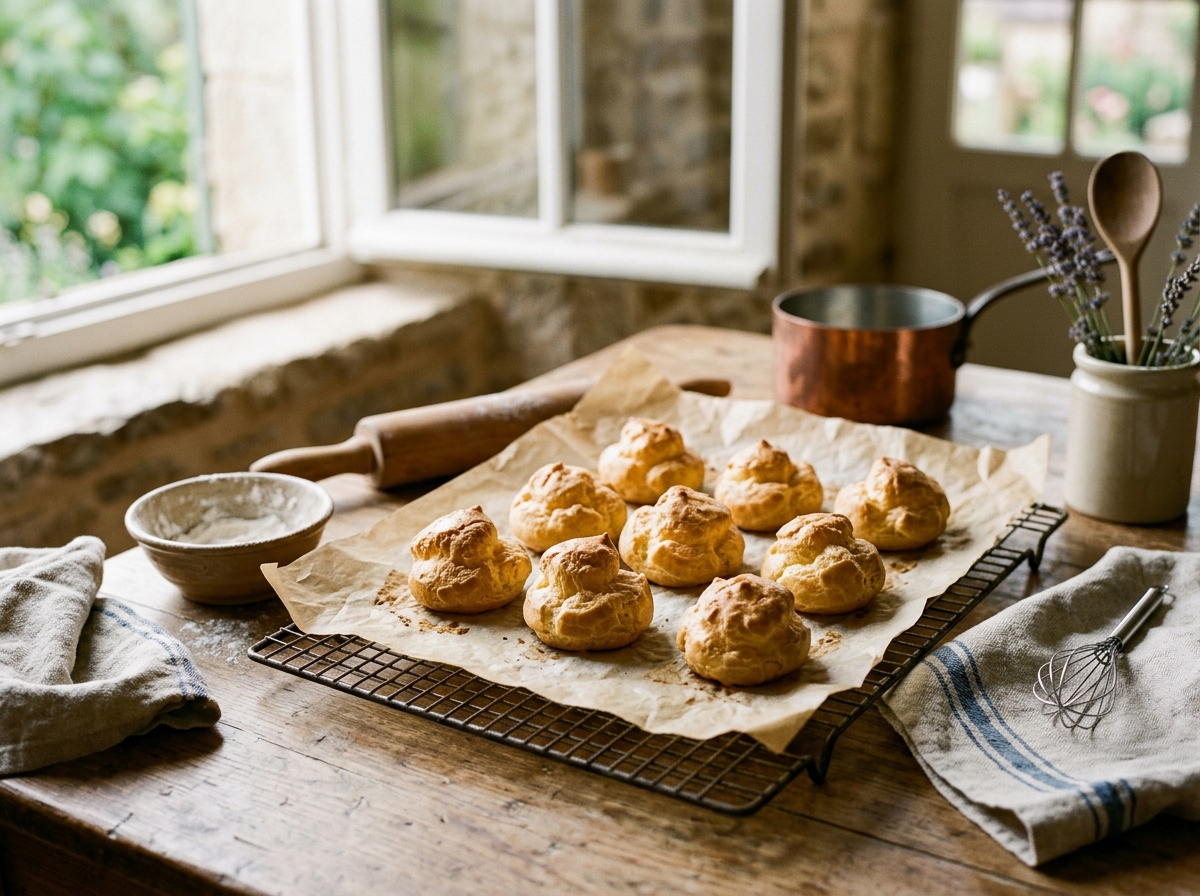
Choux pastry (pâte à choux) creates the shells for éclairs, profiteroles, and croquembouche. This cooked dough relies on steam for leavening, which means proper moisture content is crucial. Cook the paste until it pulls away from the pan sides and forms a slight film on the bottom — this ensures enough moisture has evaporated for proper puffing.
Caramel work appears in everything from crème caramel to tarte tatin. Dry caramel — sugar heated without water — offers more control and deeper flavor than wet caramel. Watch for the color change from amber to deep golden, then immediately stop the cooking with your chosen liquid.
Essential French Desserts Every Cook Should Master
Crème Brûlée
This dessert embodies French pastry philosophy: simple ingredients executed with precision create something transcendent. Heavy cream, egg yolks, sugar, and vanilla transform through gentle heat into silky custard topped with crackling caramelized sugar.
The secret lies in the water bath (bain-marie). This gentle, even heat prevents the eggs from curdling while ensuring a smooth set. Your custard is ready when it jiggles slightly in the center but holds firm around the edges.
For the signature sugar crust, use superfine sugar for even melting. A kitchen torch gives you control, but a broiler works too — just watch carefully to prevent burning.
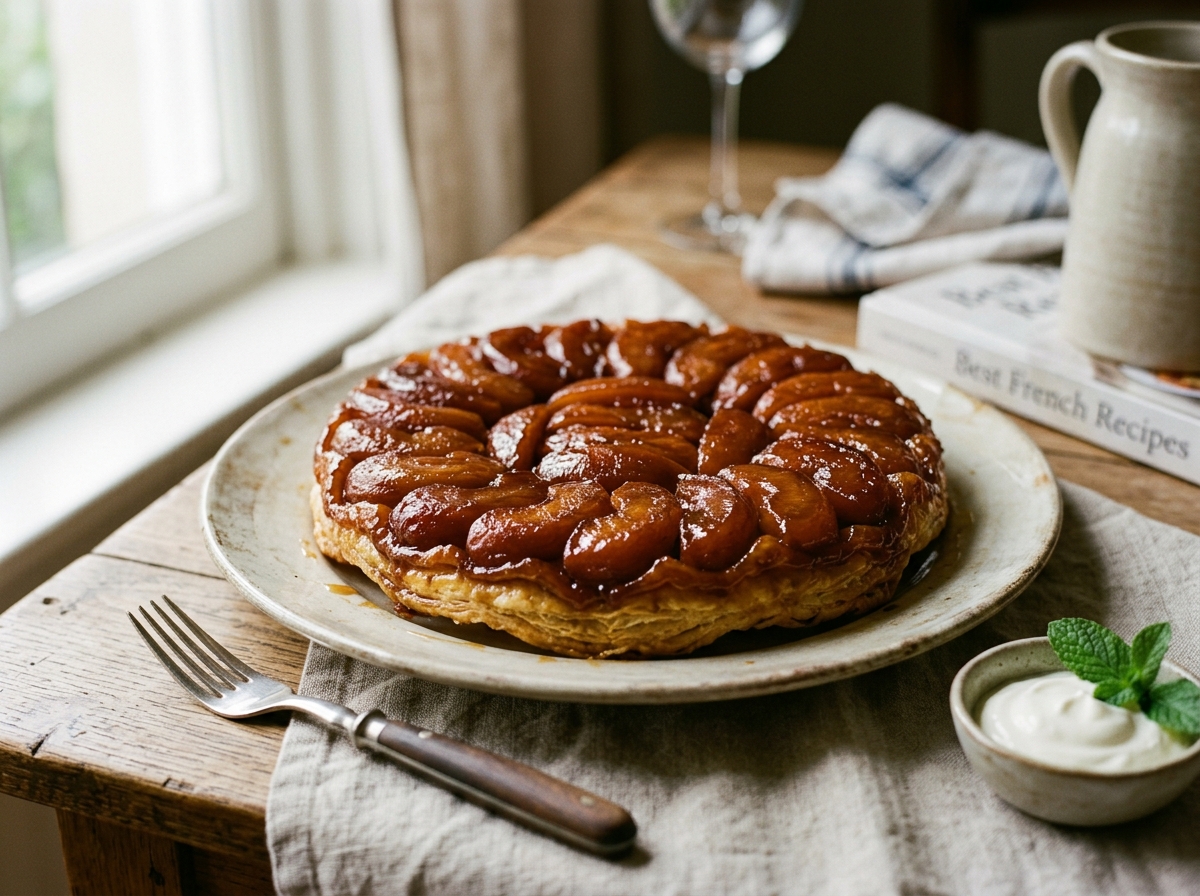
Tarte Tatin
This upside-down apple tart emerged from happy accident at the Hotel Tatin in the 1880s. Today, it represents rustic French elegance at its finest.
Start your caramel in the tart pan itself — this eliminates transfer steps and ensures even distribution. Once the sugar reaches deep amber, add butter and sliced apples. The fruit will release moisture, so let it cook down until the juices thicken slightly.
Roll your pastry slightly larger than the pan, then tuck the edges down around the apples. This creates a well that holds everything together during the flip.
Macarons
These delicate sandwich cookies challenge even experienced bakers, but understanding the science makes them achievable. Almond flour and powdered sugar create the structure, while aged egg whites provide stability.
The macaronage technique — folding the dry ingredients into the meringue — determines your final texture. Under-mix and your shells crack; over-mix and they spread flat. Look for the "ribbon stage" where the batter falls in thick ribbons that dissolve back into the mixture within ten seconds.
Resting the piped shells develops the characteristic "skin" that creates the signature "foot" during baking. Your finger should barely stick when you lightly touch the surface.
Key Ingredients for French Dessert Success
French desserts demand quality ingredients, but you don't need specialty items for most recipes. Focus on these essentials:
European-style butter contains less water than American butter, creating richer pastries and more stable creams. Brands like Plugrá or Kerrygold work beautifully.
Vanilla beans provide incomparable flavor compared to extract. Split the pod, scrape the seeds, then steep the pod in warm cream or milk for maximum extraction.
High-quality chocolate makes an enormous difference in ganache, mousse, and glazes. Look for chocolate with 60-70% cacao for desserts — it provides richness without overwhelming bitterness.
Fine sea salt enhances sweetness and balances rich flavors. A pinch in caramel or chocolate desserts creates depth and complexity.
Fresh eggs from pasture-raised hens offer superior flavor and color in custards and creams. Room-temperature eggs incorporate more easily into batters and meringues.
Building Blocks: French Pastry Doughs
Three fundamental doughs create the foundation for countless French desserts. Master these and you'll have endless possibilities.
Pâte Brisée (Short Crust Pastry)
This all-butter pastry creates the base for fruit tarts, quiches, and galettes. The goal is flaky layers created by keeping butter pieces visible in the dough.
Work quickly to prevent the butter from melting. Pulse butter and flour in a food processor just until the mixture resembles coarse meal with some pea-sized butter pieces remaining. Ice water binds the dough — add just enough for it to hold together when squeezed.
Pâte Sucrée (Sweet Pastry)
Richer and more tender than pâte brisée, this sweet pastry cradles delicate fruit tarts and custard-filled desserts. Extra sugar and egg yolks create a cookie-like texture that won't compete with creamy fillings.
Cream butter and sugar until light, then add egg yolks gradually. The flour goes in last — mix just until combined to prevent tough pastry.
Puff Pastry (Pâte Feuilletée)
While time-consuming, homemade puff pastry creates incomparable layers and butter flavor. The lamination process — repeatedly folding butter into dough — creates hundreds of delicate layers.
Temperature control is crucial. Both dough and butter should have similar consistency — pliable but not soft. If either becomes too warm, refrigerate before continuing.
Show-Stopping French Dessert Presentations
French desserts excel at dramatic presentation. A few techniques elevate simple sweets into restaurant-quality centerpieces.
Croquembouche transforms basic profiteroles into an impressive tower. Dip each cream-filled choux in caramel, then stack into a cone shape. Spun sugar threads add ethereal beauty.
Charlotte Russe lines a mold with ladyfingers, then fills with bavarian cream. When unmolded, the geometric pattern of cookies creates stunning visual impact.
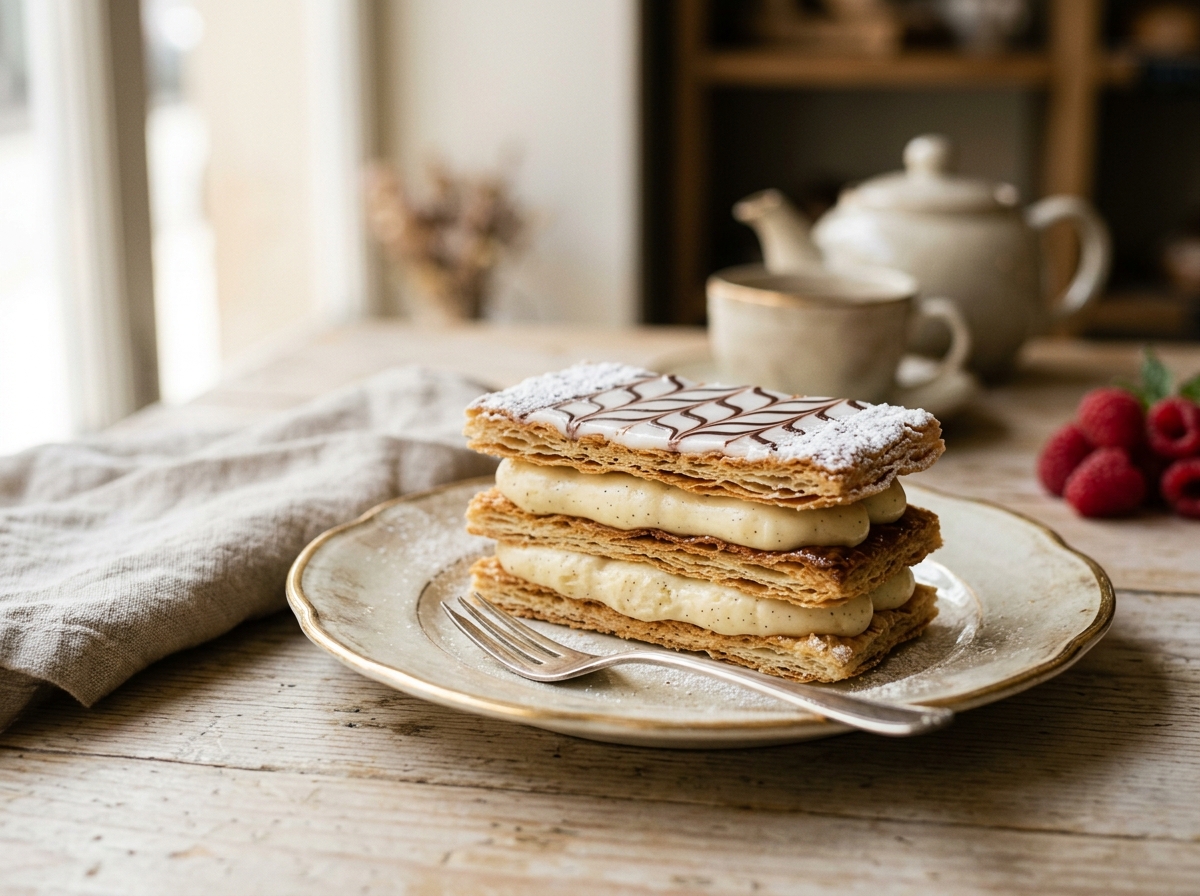
Mille-feuille layers crisp puff pastry with pastry cream, typically finished with distinctive white fondant marked with chocolate lines. The contrast of textures — crisp, creamy, smooth — makes each bite interesting.
Modern Takes on Classic French Desserts
Contemporary pastry chefs honor traditional techniques while introducing new flavors and presentations. These adaptations maintain the spirit of French pastry while speaking to modern tastes.
Flavor infusions breathe new life into classics. Earl Grey crème brûlée, brown butter madeleines, or lavender macarons use traditional methods with contemporary ingredients.
Deconstructed presentations play with expectations. A "tarte tatin" might become individually plated components — caramelized apple, pastry crisp, and vanilla ice cream arranged artfully on the plate.
Health-conscious adaptations reduce sugar or dairy while maintaining essential textures and flavors. Coconut milk creates surprisingly rich custards, while natural sweeteners like maple syrup add complexity to caramels.
Troubleshooting Common French Dessert Issues
Even experienced bakers encounter challenges with French desserts. Understanding common problems and their solutions prevents frustration.
Curdled custards usually result from too-high heat or inadequate tempering. Always heat gently and whisk constantly. If curdling occurs, immediately strain the mixture and whisk in cold cream to stop cooking.
Flat macarons indicate over-mixed batter or insufficient aging of egg whites. Age whites at room temperature for 24 hours, and stop mixing as soon as the batter reaches ribbon stage.
Soggy pastry bottoms plague fruit tarts and custard-filled desserts. Blind bake pastry shells completely before filling, and consider brushing with beaten egg white as a moisture barrier.
Crystallized caramel happens when sugar crystals form during cooking. Use a clean pan, avoid stirring once sugar begins melting, and add a small amount of corn syrup or lemon juice to prevent crystallization.
Seasonal French Desserts
French pastry follows the seasons, celebrating each period's best ingredients. This approach ensures optimal flavor while connecting desserts to their cultural roots.
Spring brings strawberry tarts with their jewel-like fruit arrangements, rhubarb galettes, and delicate fruit mousses that showcase early season produce.
Summer features stone fruit clafoutis, berry gratins, and frozen desserts like parfait glacé that provide relief from heat while highlighting peak-season fruit.
Fall introduces apple and pear tarts, chestnut desserts, and warming spices like cinnamon and cardamom that complement cooler weather.
Winter embraces rich chocolate desserts, citrus-based sweets that brighten cold days, and preserved fruit preparations that recall summer's abundance.
French desserts represent more than sweet endings — they embody a philosophy of technique, quality, and respect for ingredients. Whether you start with simple crème brûlée or tackle complex puff pastry, each dessert teaches valuable lessons about patience, precision, and the joy of creating something beautiful.
These classics connect us to generations of pastry chefs who refined these recipes through countless iterations. When you master French dessert techniques, you join this tradition while creating memories around your own table. Explore our complete collection of French recipes to discover how these sweet skills complement savory French cooking techniques, creating complete meals that celebrate this remarkable cuisine.
Sources & further reading
- French Pastry School — École Ducasse
- French pastry: classic recipes and famous names — École Ducasse
- Top 10 French Pastries You Should Know — Le Cordon Bleu
Related Topics
Enjoyed this article? Share it with fellow food lovers!
Import a recipe, start cooking
Paste any recipe URL and we'll turn it into a Cook Mode experience with step-by-step visuals, voice narration, and built-in timers.