

French Breakfast Recipes: Start Your Day the French Way
French breakfasts are more than just croissants and coffee. From creamy scrambled eggs to golden pain perdu, these morning recipes capture the elegant simplicity that makes French cuisine irresistible.
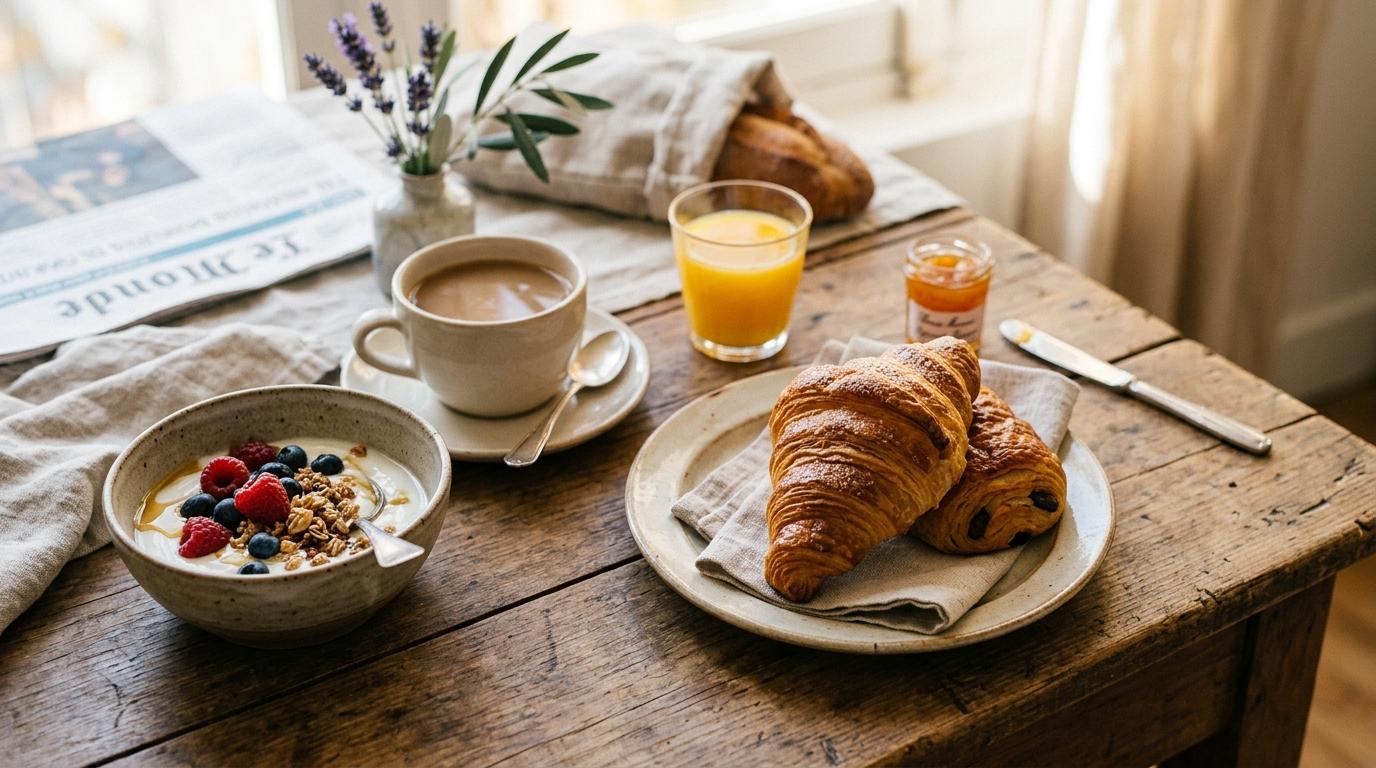
The French approach to breakfast reveals something essential about their food philosophy: even the simplest morning meal deserves attention to detail and quality ingredients. While exploring the broader world of french recipes, you'll discover that breakfast in France isn't about rushing out the door with a muffin—it's about taking a moment to savor the day's first flavors.
French breakfast traditions vary dramatically by region and occasion. In Normandy, you might find buckwheat galettes filled with ham and cheese. Parisians often stick to a simple tartine with café au lait. But when the weekend arrives, French kitchens come alive with more elaborate dishes that bridge breakfast and brunch.
The beauty of French breakfast recipes lies in their restraint. Rather than piling on endless toppings or complicated flavor combinations, each dish focuses on perfecting a few key elements. A proper French omelette uses just eggs, butter, and salt—but the technique transforms these basics into something sublime.
The Foundation: Coffee and Bread
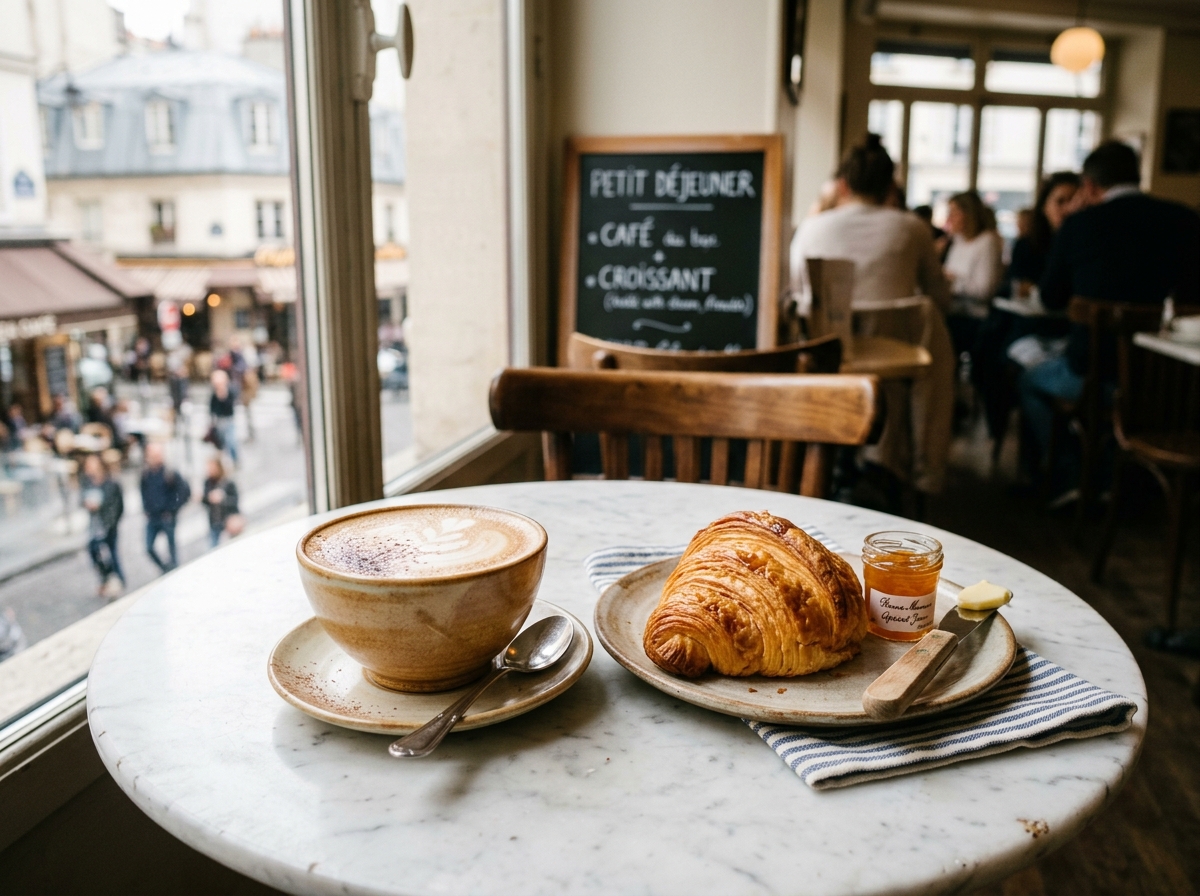
Every French breakfast starts with two non-negotiables: good coffee and fresh bread. The café au lait isn't just coffee with milk—it's equal parts strong coffee and hot milk, served in a wide bowl that you can cradle in both hands.
To make proper café au lait, brew your coffee strong. French roast works beautifully, but any dark roast with good body will do. Heat whole milk until it's steaming but not boiling—you want it hot enough to warm the coffee without scalding. Pour both simultaneously into a wide ceramic bowl, creating that characteristic light brown color that French children recognize as breakfast.
The bread component usually means a tartine: a slice of good bread, toasted until golden, then topped simply. Butter and jam remain the classic choice, but honey, fresh fruit, or even a smear of soft cheese work beautifully. The key is using bread with character—a crusty baguette, pain de campagne, or brioche.
Pain Perdu: French Toast Perfected
Pain perdu literally means "lost bread"—a way to rescue stale bread that might otherwise go to waste. The French version differs significantly from American French toast, focusing on custard-like richness rather than sweetness.
Start with day-old brioche or challah, sliced thick. The custard base uses more egg yolks than whole eggs—typically three yolks to one whole egg per four slices. Add just enough milk or cream to thin the mixture, a pinch of salt, and the barest whisper of vanilla.
Soak each slice thoroughly, letting the bread drink up the custard until it's saturated but not falling apart. Cook in butter over medium-low heat, giving each side time to develop a golden crust while the center sets into silk. The finished pain perdu should taste primarily of eggs and butter, with the bread providing structure rather than competing flavors.
Serve with a light dusting of powdered sugar or a drizzle of honey. Fresh berries add color and acidity, but they're not essential. The dish stands beautifully on its own.
The Art of French Scrambled Eggs
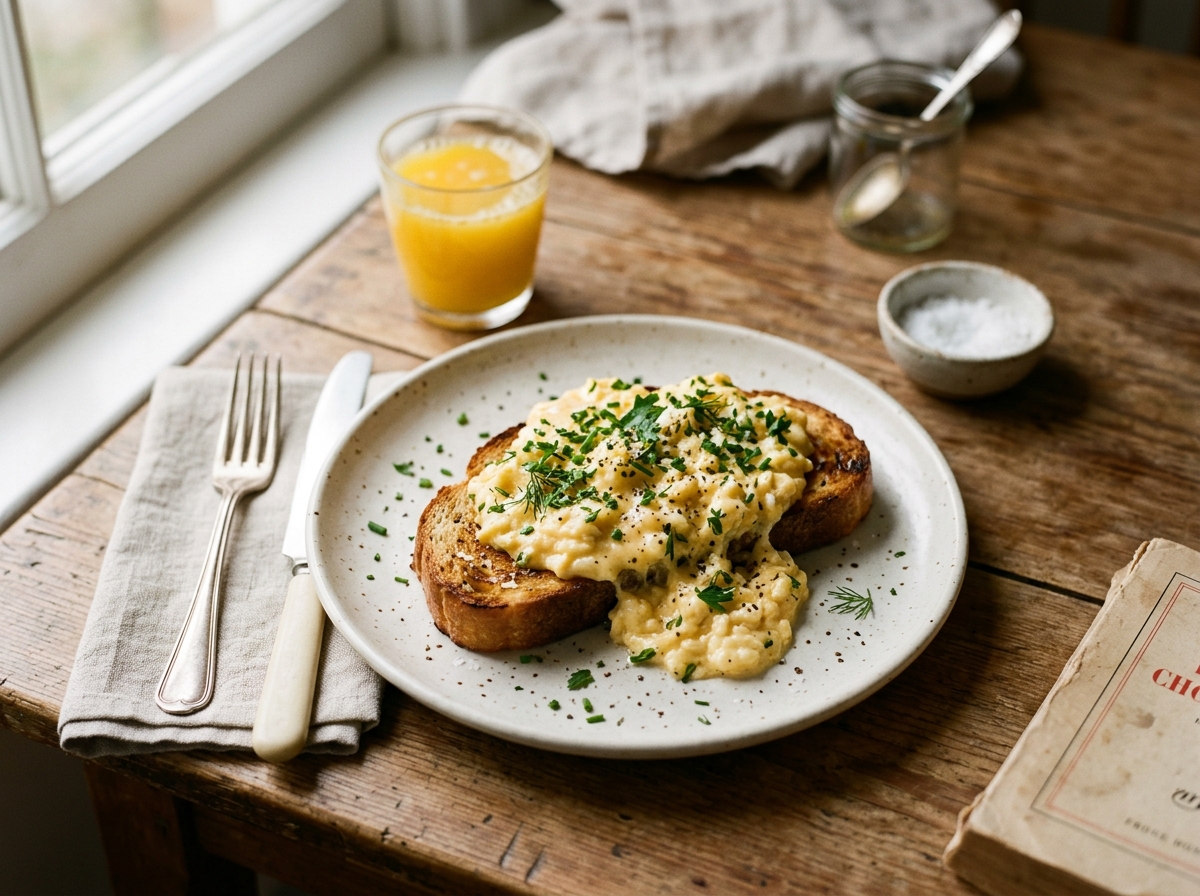
French scrambled eggs (œufs brouillés) require patience and low heat. The goal isn't the fluffy curds familiar to American kitchens, but rather a creamy, almost sauce-like consistency that coats a spoon.
Use the freshest eggs you can find—their flavor will shine through in this simple preparation. Crack six eggs into a cold, heavy-bottomed saucepan. Add a generous knob of cold butter, cut into small pieces, and a pinch of fine salt.
Place the pan over the lowest possible heat and begin stirring immediately with a wooden spoon or silicone spatula. Keep stirring constantly, scraping the bottom and sides of the pan. The eggs will seem to do nothing for several minutes, then suddenly begin to thicken.
As the mixture approaches the consistency of heavy cream, remove the pan from heat while continuing to stir. The residual heat will finish the cooking. Taste and adjust the salt, then serve immediately on warm toast or alongside fresh herbs like chives or tarragon.
Weekend Indulgence: Croque Monsieur
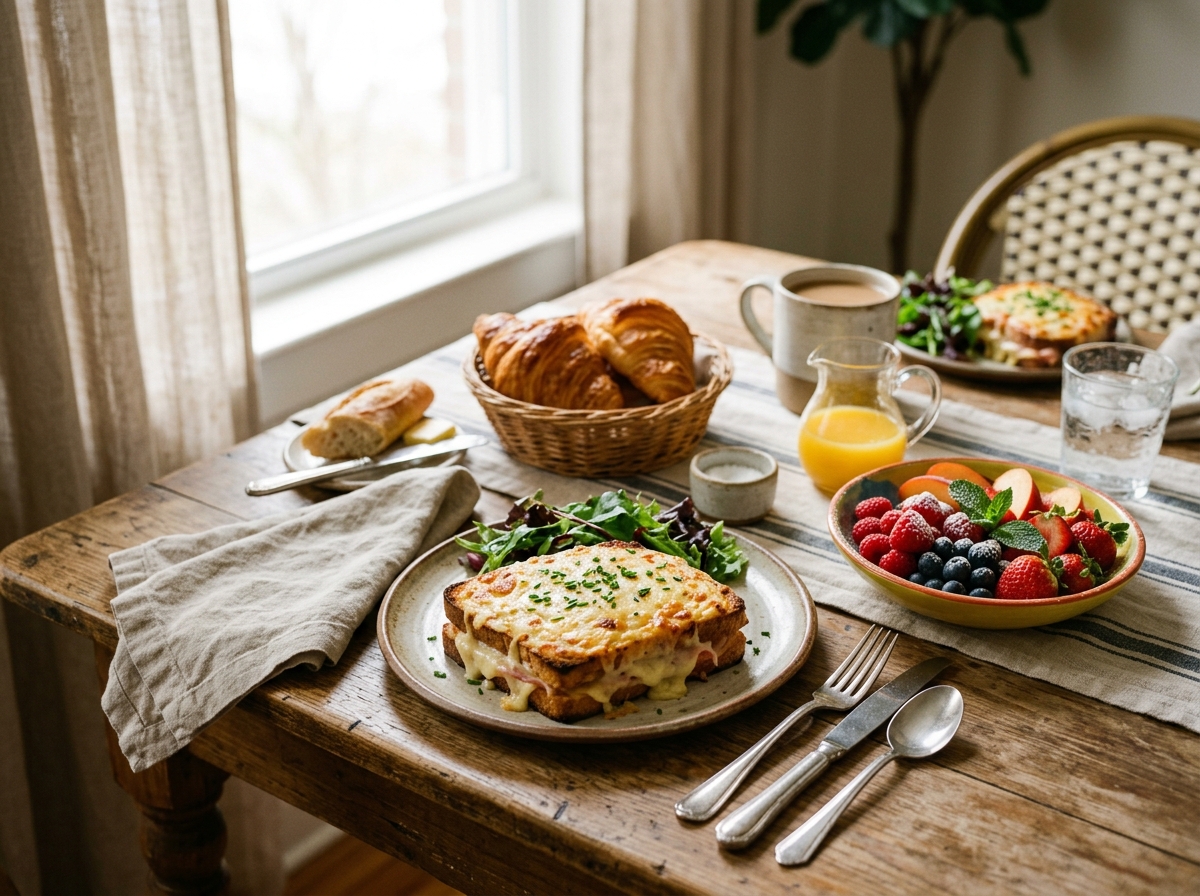
When French breakfast extends into brunch territory, the croque monsieur emerges as the ultimate indulgence. This hot sandwich elevates simple ingredients—ham, cheese, and bread—into something that feels distinctly sophisticated.
The bread matters enormously here. Use pain de mie if you can find it, or substitute with high-quality white sandwich bread. The ham should be good quality—think more deli counter than plastic package. Gruyère cheese provides the nutty, melting quality that defines the dish.
The béchamel sauce sets croque monsieur apart from ordinary grilled cheese. Make a light roux with butter and flour, then slowly whisk in warm milk until smooth. Season with salt, white pepper, and just a touch of nutmeg.
Assemble the sandwiches with ham and cheese between bread slices, then top with béchamel and more grated Gruyère. Broil until golden and bubbling, with crispy edges and a molten center.
Key Ingredients for Authentic French Breakfast
Success with French breakfast recipes starts with sourcing the right ingredients. Prioritize quality over convenience—these simple dishes have nowhere for inferior products to hide.
For dairy, seek out European-style butter with higher fat content. It makes a noticeable difference in both flavor and browning. Whole milk creates the proper richness for café au lait, while heavy cream elevates scrambled eggs and pain perdu.
Eggs should be as fresh as possible, preferably from pasture-raised chickens. The deeper orange yolks not only taste better but create the golden color that marks properly made French breakfast dishes.
Bread deserves special attention. If you have access to a French bakery, take advantage. Otherwise, look for breads with substantial crust and open crumb structure. Avoid anything too sweet or enriched with excess sugar—French breakfast bread should taste primarily of wheat and have enough structure to hold up to butter and toppings.
For coffee, choose a dark roast with good body. French roast works perfectly, but any coffee that can stand up to milk without disappearing will work. Grind just before brewing for the best flavor.
Timing and Technique
French breakfast cooking rewards patience and attention to detail. These aren't recipes you can multitask through—each requires your full focus for the brief time it takes to execute properly.
Start with coffee preparation, since it can hold while you cook. Heat the milk gently in a separate pan, keeping it warm but not boiling. The goal is coffee and milk at similar temperatures so neither cools the other significantly.
For scrambled eggs, timing matters more than technique. Once you start stirring, don't stop until the eggs reach the proper consistency. Have warm plates ready, since the eggs continue cooking even after removing from heat.
Pain perdu benefits from advance preparation. You can soak the bread slices several hours ahead, covering and refrigerating until ready to cook. This actually improves the final texture, allowing the custard to penetrate completely.
Regional Variations and Modern Adaptations
While classic French breakfast recipes remain largely unchanged, regional variations add interesting dimensions to explore. Breton galettes, made from buckwheat flour, offer a savory alternative to sweet morning dishes. Fill them with ham, cheese, and a barely-set egg for a complete breakfast that showcases northern French flavors.
In Provence, morning meals might include fresh goat cheese spread on toast with honey and herbs, reflecting the Mediterranean influence on southern French cuisine. These lighter preparations work particularly well in warmer weather when heavier dishes feel excessive.
Modern French cooks have embraced some international influences while maintaining core techniques. You might find pain perdu made with brioche infused with orange blossom water, or scrambled eggs finished with crème fraîche and smoked salmon.
Making French Breakfast Work for Busy Mornings
The contemplative pace of traditional French breakfast doesn't always align with modern schedules, but you can adapt these recipes for quicker preparation without sacrificing quality.
Prepare pain perdu custard the night before, soaking bread slices until morning. A quick pan-fry delivers the same results with no morning prep time. Similarly, you can make croque monsieur components ahead, assembling and broiling when ready to eat.
French scrambled eggs, despite their reputation for requiring patience, actually cook faster than most egg dishes once you start. The key is having everything ready before you begin—warm plates, toast prepared, herbs chopped.
For everyday mornings, master the simple tartine. Good bread, quality butter, and seasonal jam create a breakfast that honors French principles without requiring extensive technique. Save the more elaborate dishes for weekends when you can give them proper attention.
Conclusion
French breakfast recipes teach us that morning meals don't need complexity to be memorable. Whether you're perfecting the silky texture of proper scrambled eggs or learning to balance coffee and milk in café au lait, these dishes reward attention to detail with flavors that justify getting up a few minutes earlier.
The techniques you'll master here—from building a proper roux for croque monsieur to achieving the perfect custardy interior in pain perdu—form part of the broader foundation of french recipes. Each skill builds toward understanding the French approach to cooking: respect for ingredients, precision in technique, and the belief that every meal, even breakfast, deserves to be made well.
Start with café au lait and tartines, then gradually incorporate the more involved dishes as your comfort level grows. Soon you'll find yourself approaching every morning meal with the same thoughtfulness that makes French cuisine so enduringly appealing.
Sources & further reading
- Best French Toast Recipe (Pain perdu) — Mad About Macarons (Jill Colonna, Paris-based cookbook author)
- Classic French Toast (Pain Perdu) — Pardon Your French
- Pain Perdu (French Toast) Recipe — French Today
Related Topics
Enjoyed this article? Share it with fellow food lovers!
Import a recipe, start cooking
Paste any recipe URL and we'll turn it into a Cook Mode experience with step-by-step visuals, voice narration, and built-in timers.