

Essential Middle Eastern Spices: Your Complete Flavor Guide
Unlock the vibrant flavors of Middle Eastern cuisine with these essential spices. From aromatic baharat to tangy sumac, discover how these key ingredients transform simple dishes into memorable meals.
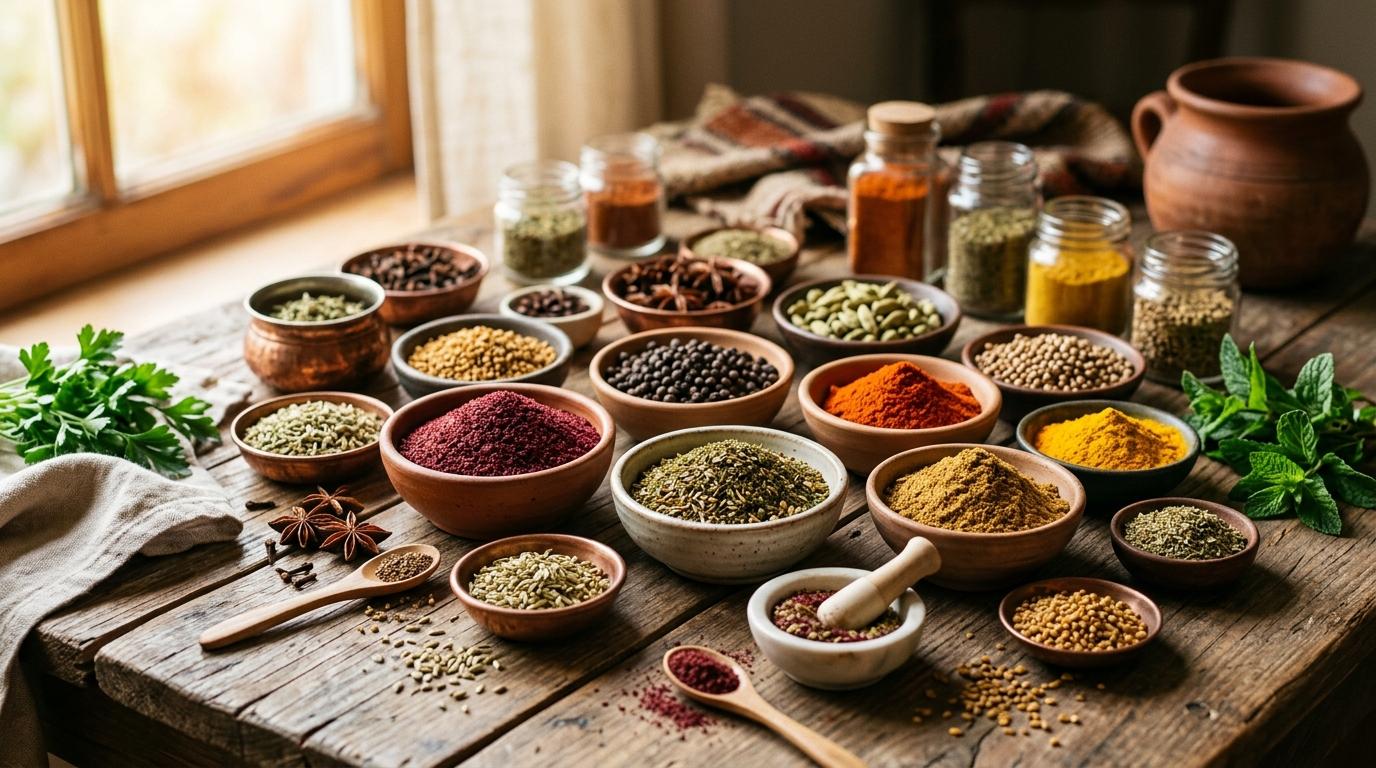
When you step into a Middle Eastern kitchen, the first thing that hits you is the smell. Not just any smell — a warm, complex perfume that seems to rise from every surface. That's the magic of Middle Eastern spices at work, and it's exactly what makes the best Middle Eastern recipes so captivating. These aren't just seasonings; they're the foundation of flavors that have traveled across continents and centuries.
Middle Eastern cuisine spans from Morocco to Iran, encompassing Arabic, Persian, Turkish, and Levantine traditions. What unites these diverse food cultures is their masterful use of spices — not just for heat or single-note flavoring, but for building layers of complexity that make every bite interesting.
If you've ever wondered why restaurant Middle Eastern food tastes so much richer than your home attempts, the answer usually lies in the spice cabinet. Most home cooks rely on familiar Western herbs and basic spice blends, missing the key seasonings that give dishes like Persian kabob koobideh their distinctive character.
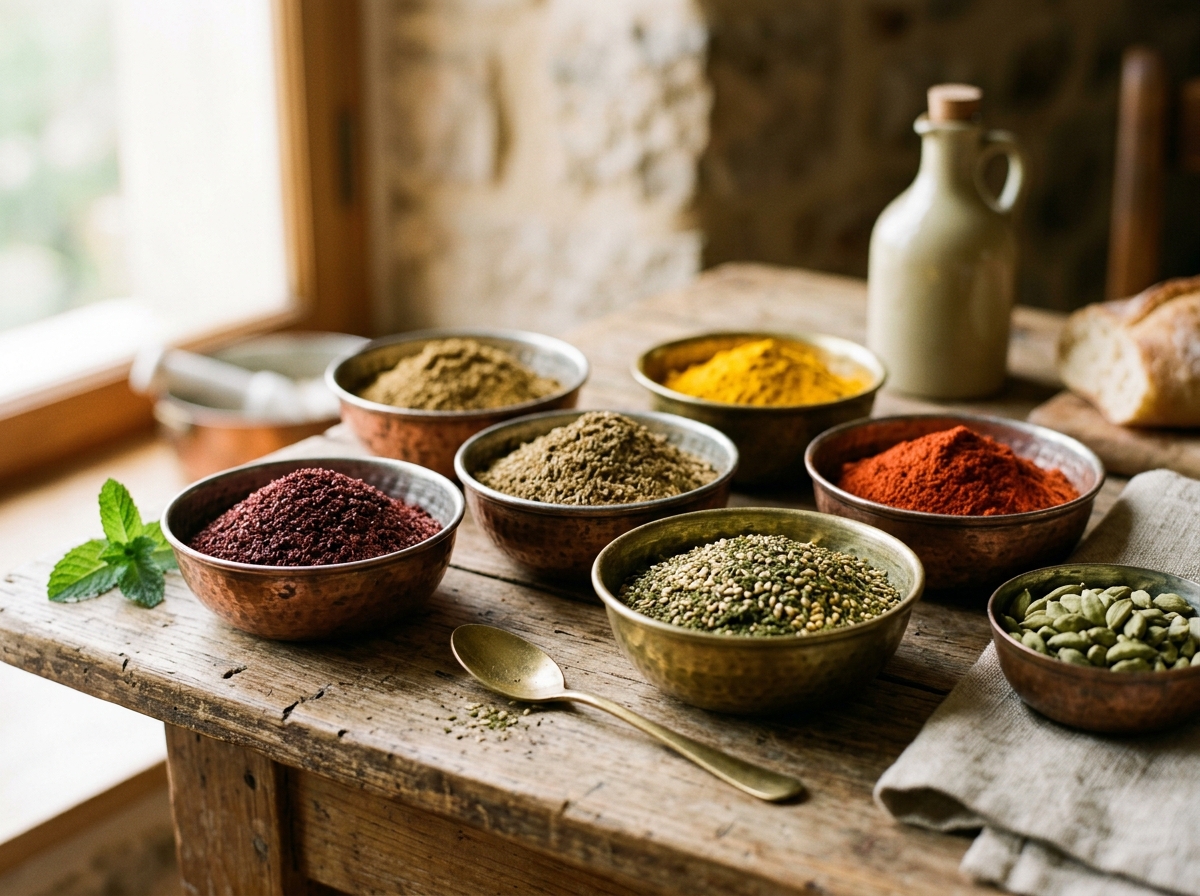
The Foundation: Essential Middle Eastern Spices
Let's start with the spices you absolutely need to stock your pantry. These aren't exotic ingredients you'll use once — they're workhorses that will transform your everyday cooking.
Baharat: The Mother of All Blends
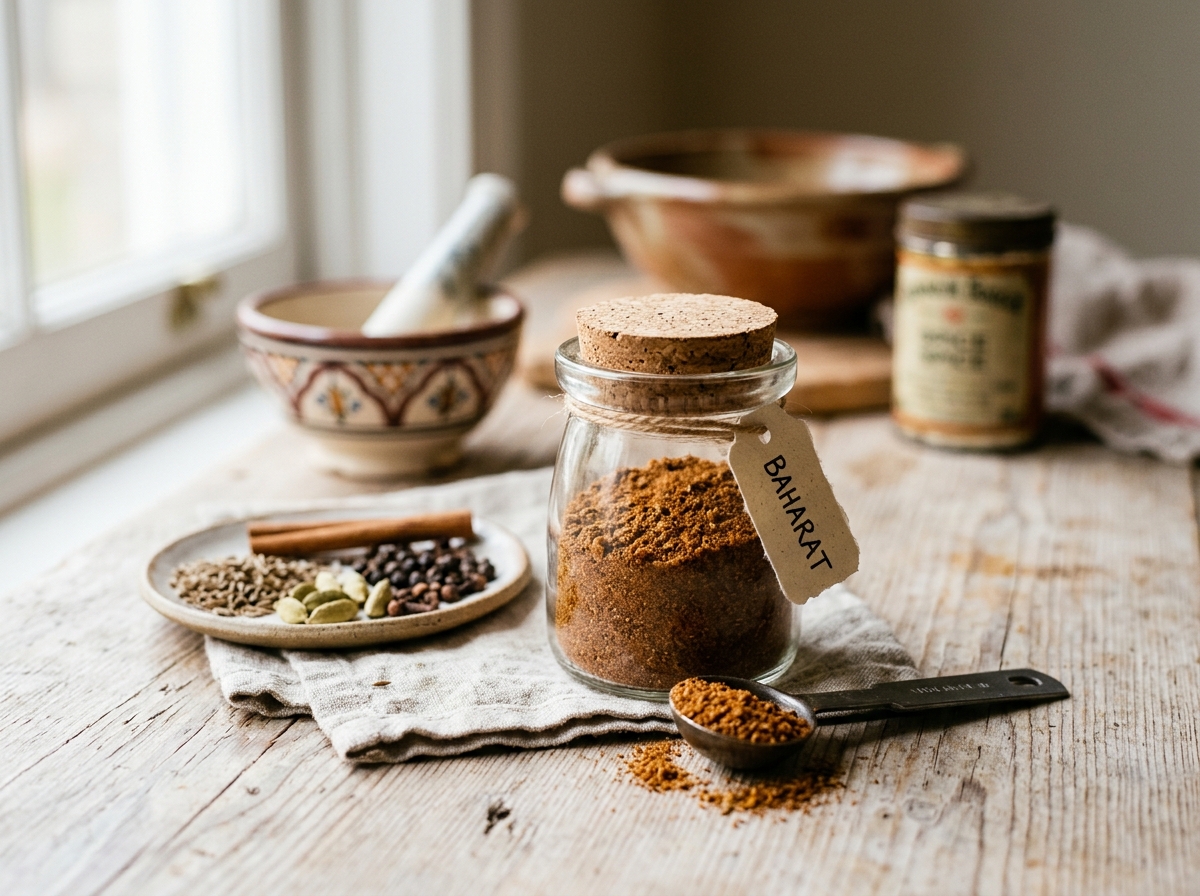
Baharat literally means "spices" in Arabic, and this blend lives up to its name. The base typically includes black pepper, allspice, cinnamon, and cloves, but every family has their variation. Some add nutmeg, others cardamom. The result is warm, slightly sweet, and incredibly versatile.
You'll find baharat rubbed on lamb, stirred into rice, and sprinkled over roasted vegetables. It's particularly magical with root vegetables — the sweet spices complement their earthy flavor while the pepper adds just enough bite.
Za'atar: More Than Just a Seasoning
Za'atar deserves its own category because it's simultaneously an herb, a spice blend, and a cultural institution. Wild thyme forms the base, mixed with sumac, sesame seeds, and salt. The proportions vary by region — Lebanese za'atar tends to be more lemony, while Palestinian versions often include more thyme.
The beauty of za'atar lies in its versatility. Sprinkle it on olive oil-brushed bread before baking, mix it into labneh for an instant dip, or dust it over roasted chicken in the final minutes of cooking. That distinctive tangy, herbal flavor comes from the sumac, which brings us to our next essential.
Sumac: The Secret to Brightness
If you've been struggling to add acidity to Middle Eastern dishes without using lemon juice, sumac is your answer. These deep red berries are ground into a coarse powder that delivers tartness with a subtle fruity note. It's what gives fattoush salad its characteristic zing and turns simple grilled meat into something special.
Sumac doesn't just add flavor — it adds color. A light dusting turns pale dishes vibrant and makes food look as good as it tastes. Keep it away from heat, though. Add sumac at the end of cooking or as a finishing touch to preserve its bright acidity.
The Aromatics: Building Depth
These spices work behind the scenes, adding complexity without shouting for attention.
Cardamom: Sweet and Intense
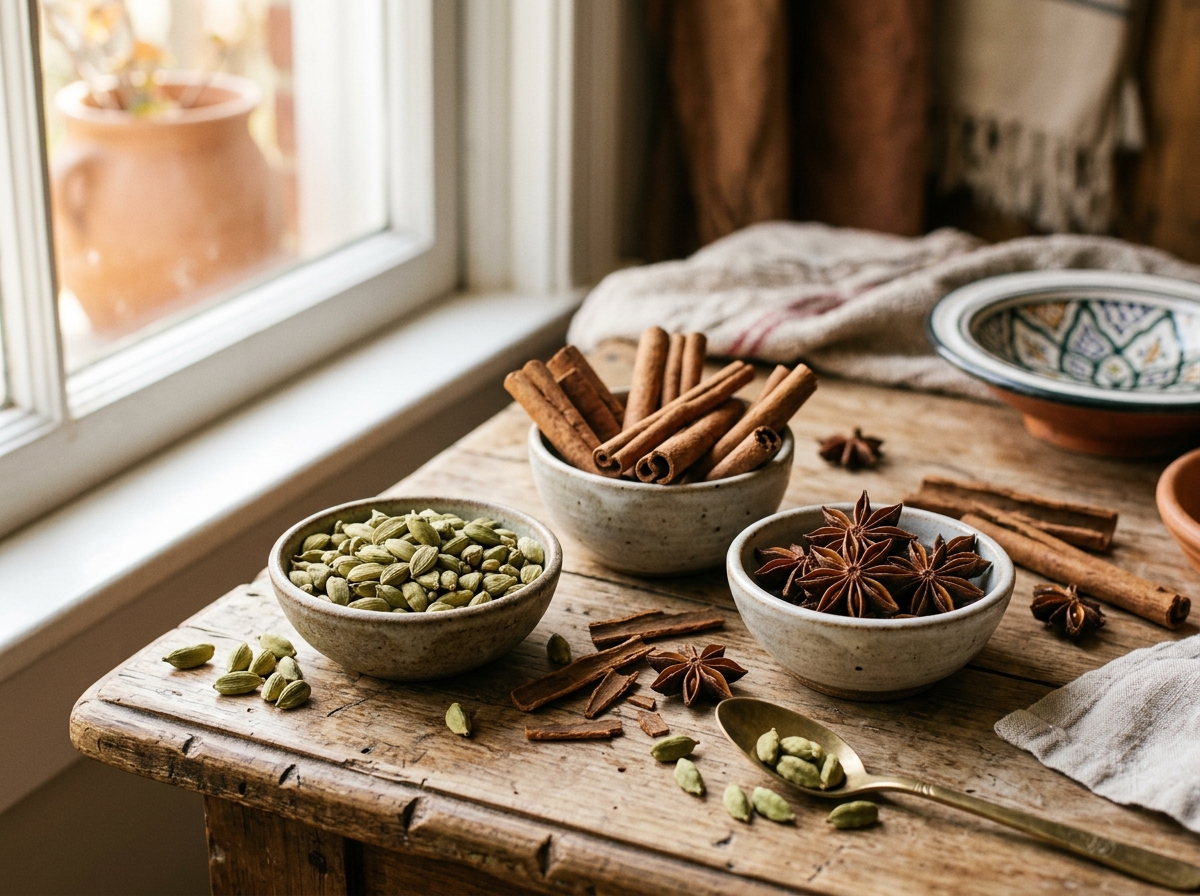
Cardamom pods hide intensely fragrant seeds inside their papery shells. Green cardamom is most common in Middle Eastern cooking, prized for its floral sweetness and slight eucalyptus note. You'll find it in everything from Turkish coffee to Persian rice dishes.
Buy whole pods and crack them open as needed. Pre-ground cardamom loses its punch quickly, and you want every bit of that aromatic oil. For rice dishes, toss a few whole pods into the cooking liquid — they'll infuse the grains with subtle perfume.
Cinnamon and Cassia: Not All Bark is the Same
Most Middle Eastern recipes call for cinnamon, but they're usually referring to cassia — the thick, sweet bark we know as "cinnamon" in America. True cinnamon (Ceylon cinnamon) is more delicate and expensive, with a subtle, almost floral quality.
Cassia's bold sweetness works perfectly in meat dishes and rice pilafs. It's particularly important in Persian cooking, where it balances the richness of lamb and adds warmth to jeweled rice dishes. Buy it in sticks when possible — ground cinnamon goes stale quickly.
Allspice: The Multitasker
Despite its name, allspice is a single spice — dried berries that taste like a combination of cinnamon, cloves, and nutmeg. In Middle Eastern cooking, it's essential for meat dishes and appears in most versions of baharat.
Allspice berries are particularly important in stuffed vegetables — the warmth complements rice fillings and helps meld all the flavors together. Toast whole berries lightly before grinding for the best flavor.
The Heat Builders: Beyond Basic Pepper
Middle Eastern cuisine uses heat strategically, building warmth rather than just adding fire.
Aleppo Pepper: Gentle Fire
This Syrian chili delivers moderate heat with a fruity, almost raisin-like sweetness. Unlike cayenne, which just burns, Aleppo pepper adds complexity. It's traditionally used as a finishing spice, sprinkled over hummus or mixed into meat before grilling.
The texture matters here — good Aleppo pepper should have some coarseness to it, with visible flakes rather than fine powder. This gives you bursts of flavor and heat rather than uniform spiciness.
Urfa Biber: The Smoky Alternative
Also from Turkey, urfa biber (or isot pepper) brings deep, smoky heat with chocolate undertones. It's darker than Aleppo pepper and more complex, with a lingering warmth that builds gradually.
Use urfa biber when you want heat with sophistication. It's particularly good with rich meats and in tomato-based dishes where its smokiness can shine.
Key Ingredients for Your Spice Collection
Building a Middle Eastern spice pantry doesn't require exotic shopping trips. Start with these essentials:
Whole spices to buy: Cardamom pods, cinnamon sticks, allspice berries, black peppercorns, cumin seeds
Ground spices to stock: Sumac, za'atar, baharat (or make your own), Aleppo pepper, turmeric
Seeds and nuts: Sesame seeds (for za'atar), pine nuts, pistachios
Storage tip: Keep whole spices in airtight containers away from light and heat. Toast them lightly in a dry pan before grinding — the difference in aroma is remarkable.
Grinding your own: A coffee grinder dedicated to spices gives you better flavor than pre-ground alternatives. Clean it between different spices with uncooked rice — grind the rice to powder, then wipe clean.
Making Your Own Spice Blends
Once you understand the individual spices, creating your own blends becomes intuitive. Here's a basic baharat recipe to get you started:
Basic Baharat: 2 tablespoons black peppercorns, 2 tablespoons allspice berries, 1 tablespoon whole cloves, 2 cinnamon sticks, 1 whole nutmeg (or 2 teaspoons ground)
Toast everything except the nutmeg in a dry pan until fragrant, about 2-3 minutes. Let cool completely, then grind with the nutmeg until fine. Store in an airtight container for up to six months.
For za'atar, combine 1/4 cup dried thyme, 2 tablespoons sumac, 2 tablespoons toasted sesame seeds, and 1 teaspoon salt. Adjust the proportions to your taste — some prefer more sumac for extra tang.
Using Spices Like a Pro
Understanding when and how to add spices makes the difference between good and extraordinary Middle Eastern cooking.
Blooming spices: Many Middle Eastern recipes start by heating whole spices in oil until they release their aroma. This technique, called blooming, intensifies flavors dramatically. Watch for the moment when the kitchen fills with fragrance — that's your cue to add the next ingredient.
Layering flavors: Don't dump all your spices in at once. Add hardier spices like cinnamon and allspice early in cooking, then finish with delicate ones like sumac or fresh herbs.
Balance is key: Middle Eastern cuisine excels at balancing sweet, sour, and savory elements. If a dish tastes flat, try adding a pinch of cinnamon (for sweetness) or sumac (for acidity) rather than more salt.
Regional Variations Worth Knowing
While many spices appear throughout the Middle East, different regions have their preferences:
Persian/Iranian: Heavy use of saffron, dried limes, and sweet spices like cinnamon in meat dishes
Levantine (Syria, Lebanon, Palestine, Jordan): Za'atar, sumac, and seven-spice blends dominate
Turkish: Urfa biber, Turkish red pepper flakes, and unique spice combinations
North African: Ras el hanout, preserved lemons, and more complex heat from various chilies
Understanding these regional preferences helps you choose the right spices for specific dishes and develop your own style within the tradition.
Common Mistakes to Avoid
Even experienced cooks make these spice-related errors:
Using old spices: Ground spices lose potency after six months to a year. If you can't smell it strongly when you open the container, it won't add much to your food.
Adding delicate spices too early: Sumac, za'atar, and fresh herbs should go on at the end. High heat destroys their bright flavors.
Forgetting to taste and adjust: Spice levels vary between brands and batches. Always taste as you go and adjust accordingly.
Overwhelming the dish: More isn't always better. Middle Eastern spicing is about harmony, not dominance.
Beyond the Basics
Once you've mastered the essentials, explore these more specialized spices:
Mahlab: Ground cherry pit kernels that add almond-like sweetness to breads and pastries
Nigella seeds: Small black seeds with an onion-like flavor, perfect for breads and savory dishes
Dried lime (loomi): Intensely sour and aromatic, essential for Persian stews
Mastic: Pine-scented resin used in desserts and some savory dishes
These specialty ingredients aren't necessary for everyday cooking, but they add authenticity to specific regional dishes.
The world of Middle Eastern spices is vast and rewarding. Start with the essentials — baharat, za'atar, sumac, and good cardamom — and let your palate guide you toward the more specialized seasonings. Each spice tells a story of trade routes, family traditions, and the endless human quest to make food more delicious.
As you build your spice collection, remember that the best Middle Eastern recipes are about more than following instructions — they're about understanding how these ancient flavors work together to create something greater than the sum of their parts. With the right spices in your pantry, every meal becomes an opportunity to explore one of the world's most sophisticated culinary traditions.
Sources & further reading
- What Is Sumac? — Institute of Culinary Education
- What is Za'atar Seasoning? — Institute of Culinary Education
- 9 Essential Middle Eastern Spices and Pantry Ingredients — Taste of Home
- What is Sumac? — The Mediterranean Dish
Related Topics
Enjoyed this article? Share it with fellow food lovers!
Import a recipe, start cooking
Paste any recipe URL and we'll turn it into a Cook Mode experience with step-by-step visuals, voice narration, and built-in timers.