

Essential Indian Spices Guide: Build Your Perfect Spice Collection
Transform your cooking with this comprehensive guide to essential Indian spices. From cumin to cardamom, learn which spices to buy, how to store them, and the flavor secrets that make Indian cuisine extraordinary.
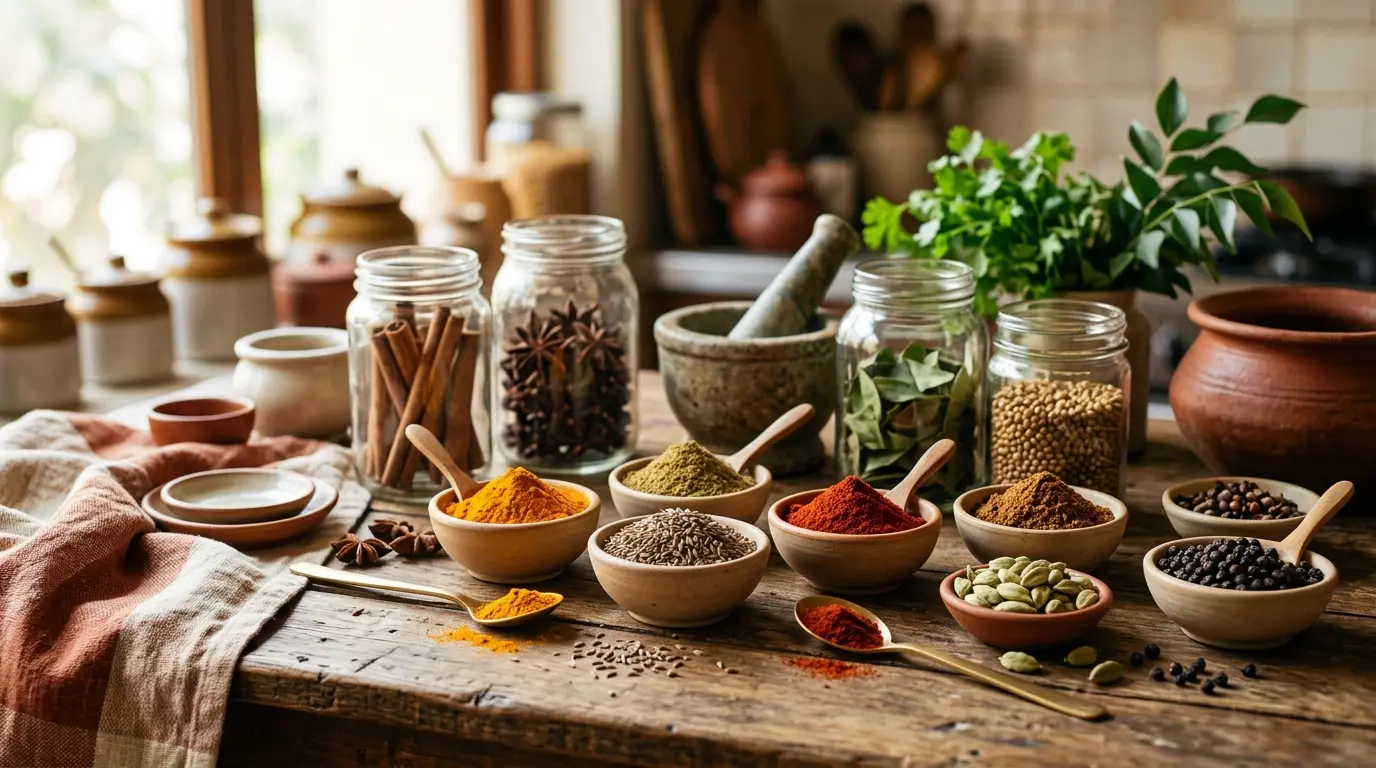
The heart of Indian cooking doesn't live in elaborate techniques or expensive equipment—it lives in a well-stocked spice drawer. While our collection of Indian recipes can guide you through specific dishes, understanding the spices themselves transforms you from following recipes to creating your own flavor combinations. The difference between good Indian food and extraordinary Indian food often comes down to knowing which spices to use, when to use them, and how they work together.
Indian cuisine spans a subcontinent with thousands of regional variations, but certain spices appear again and again across different traditions. These are your foundation spices—the ones that will unlock the doors to authentic flavor profiles whether you're making a weeknight curry or an elaborate feast.
Building a spice collection can feel overwhelming, especially when you're standing in an Indian grocery store surrounded by unfamiliar names and wondering where to start. This guide cuts through the confusion. We'll focus on the essential spices that deliver maximum impact, explain how each one tastes and smells, and show you how to use them in your cooking.
The Foundation Five: Start Here
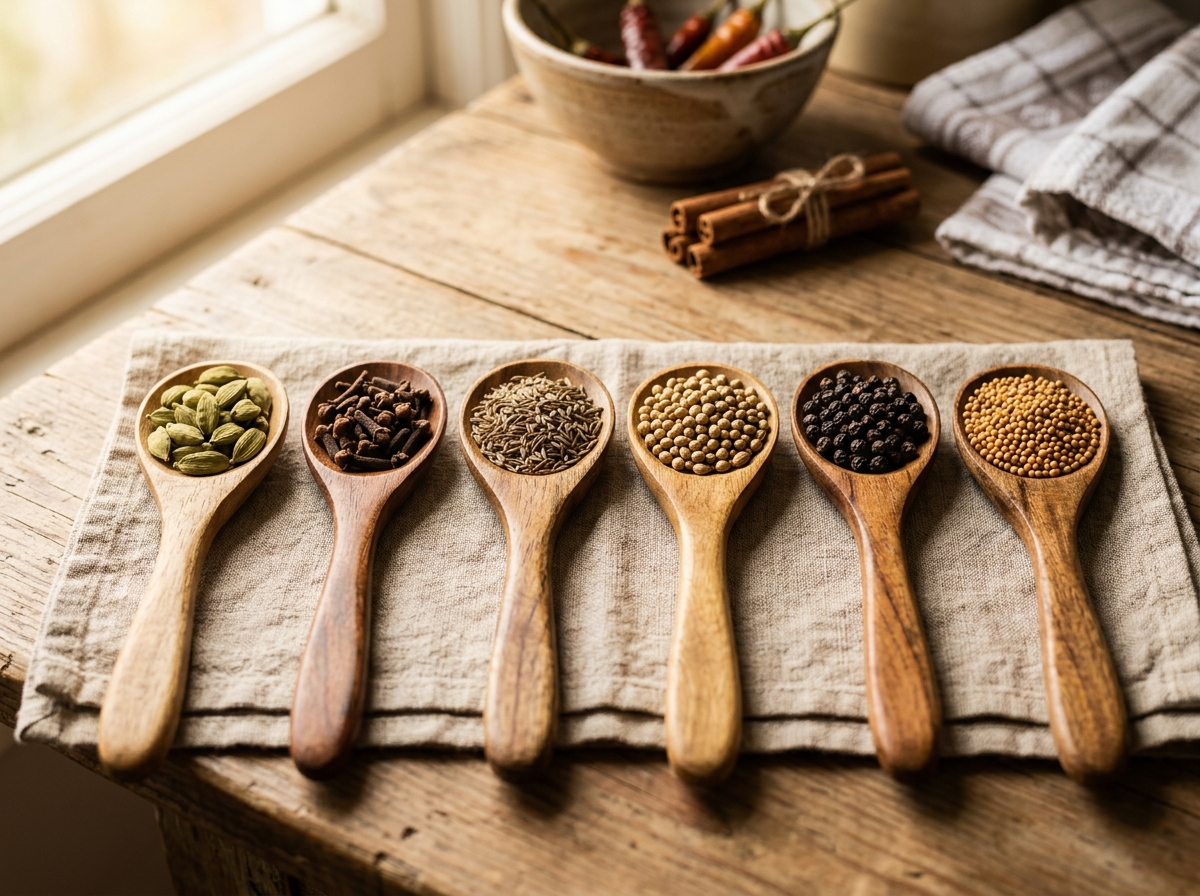
If you're building an Indian spice collection from scratch, start with these five spices. They appear in more Indian dishes than any others and give you the building blocks for authentic flavor.
Cumin (Jeera)
Cumin seeds smell earthy and warm, with a slight bitterness that mellows when you cook them. In Indian cooking, cumin appears in two main forms: whole seeds that you temper in hot oil to release their fragrance, and ground powder that gets mixed into spice blends.
Whole cumin seeds sizzle and pop when they hit hot oil, filling your kitchen with that unmistakable curry house aroma. Ground cumin brings depth to spice mixes and marinades. Buy both forms if possible, but if you can only choose one, go with whole seeds—you can always grind them fresh.
Coriander (Dhania)
Fresh coriander seeds taste nothing like the herb. They're sweet, citrusy, and floral, with none of the soap-like qualities that some people detect in fresh cilantro leaves. Ground coriander is probably the most used spice powder in Indian cooking, appearing in everything from simple dal to complex curry bases.
Toasting whole coriander seeds before grinding them intensifies their flavor dramatically. Heat them in a dry pan until they smell fragrant and turn slightly golden—about two minutes over medium heat.
Turmeric (Haldi)
Fresh turmeric root looks like ginger's orange cousin, but most home cooks use the dried, ground version. Turmeric tastes earthy and slightly bitter, with a musky warmth that's hard to describe but impossible to mistake once you know it.
Beyond its distinctive flavor, turmeric gives Indian food its characteristic golden color. A little goes a long way—too much turns dishes bitter and gives them an artificial orange tint. Start with half a teaspoon per dish and adjust from there.
Red Chili Powder (Lal Mirchi)
Not all chili powders are created equal. Mexican chili powder contains cumin and other spices; Indian red chili powder is pure ground dried chilies. The heat level varies dramatically depending on which chilies were used, so buy from an Indian grocery store if possible and ask about the heat level.
Kashmiri red chili powder is prized for its vibrant color and mild heat—perfect if you want the red color without overwhelming spiciness. Cayenne pepper makes a decent substitute in a pinch.
Garam Masala
This isn't a single spice but a blend, and every region of India has its own version. Most garam masalas contain cinnamon, cardamom, cloves, black pepper, cumin, and coriander in different proportions. Some include nutmeg, mace, or bay leaves.
Good garam masala smells warm and complex, like a spice market concentrated in a jar. Add it at the end of cooking to preserve its delicate aromatics, or use it as a finishing spice sprinkled over completed dishes.
The Supporting Cast: Building Flavor Complexity
Once you've mastered the foundation five, these spices add nuance and regional authenticity to your cooking. You don't need all of them immediately, but each one opens up new recipe possibilities.
Mustard Seeds (Rai/Sarson)
Black mustard seeds are tiny, round, and pack surprising punch when you heat them in oil. They pop and splutter, releasing a nutty, slightly sharp flavor that's essential in South Indian cooking and Bengali cuisine. Yellow mustard seeds are milder and more commonly available.
The tempering technique—heating whole spices in oil until they release their aromatics—transforms mustard seeds completely. Raw, they're bitter and sharp. Properly tempered, they become nutty and complex.
Cardamom (Elaichi)
Green cardamom pods contain tiny black seeds that smell intensely floral and citrusy. It's one of the most expensive spices in the world, but a little goes far. Crush the pods lightly before adding them to dishes, or remove the seeds entirely and grind them fresh.
Black cardamom is different—larger, smoky, and earthy rather than floral. Don't substitute one for the other, but both have their place in Indian cooking.
Fenugreek Seeds (Methi)
These small, hard, amber-colored seeds taste slightly bitter with notes of maple syrup. They're essential in many South Indian dishes and add depth to spice blends. Be careful with quantity—too much fenugreek makes dishes unpleasantly bitter.
Asafoetida (Hing)
This powdered resin smells absolutely terrible in the jar—like concentrated garlic and onions left in the sun too long. But add a tiny pinch to hot oil, and it transforms into something magical: deeply savory and umami-rich, like the essence of caramelized onions.
A little asafoetida goes very far. Start with just a pinch—literally a pinch between your fingers—and see how it deepens the flavor of your dishes.
Fennel Seeds (Saunf)
Fennel seeds taste like licorice and are commonly used in Indian cooking both as a spice and as a mouth freshener after meals. They add sweetness and complexity to spice blends and are essential in many regional cuisines, particularly from Kashmir and Bengal.
Key Ingredients for Your Spice Collection
When building your Indian spice collection, quality matters more than quantity. Here's what to look for and where to shop:
Where to Buy: Indian grocery stores offer the best selection and prices. Online retailers like Mountain Rose Herbs and Penzeys provide good quality whole spices. Avoid buying Indian spices from regular supermarkets unless you're in a pinch—the turnover is usually too slow, and the spices lose their potency sitting on shelves.
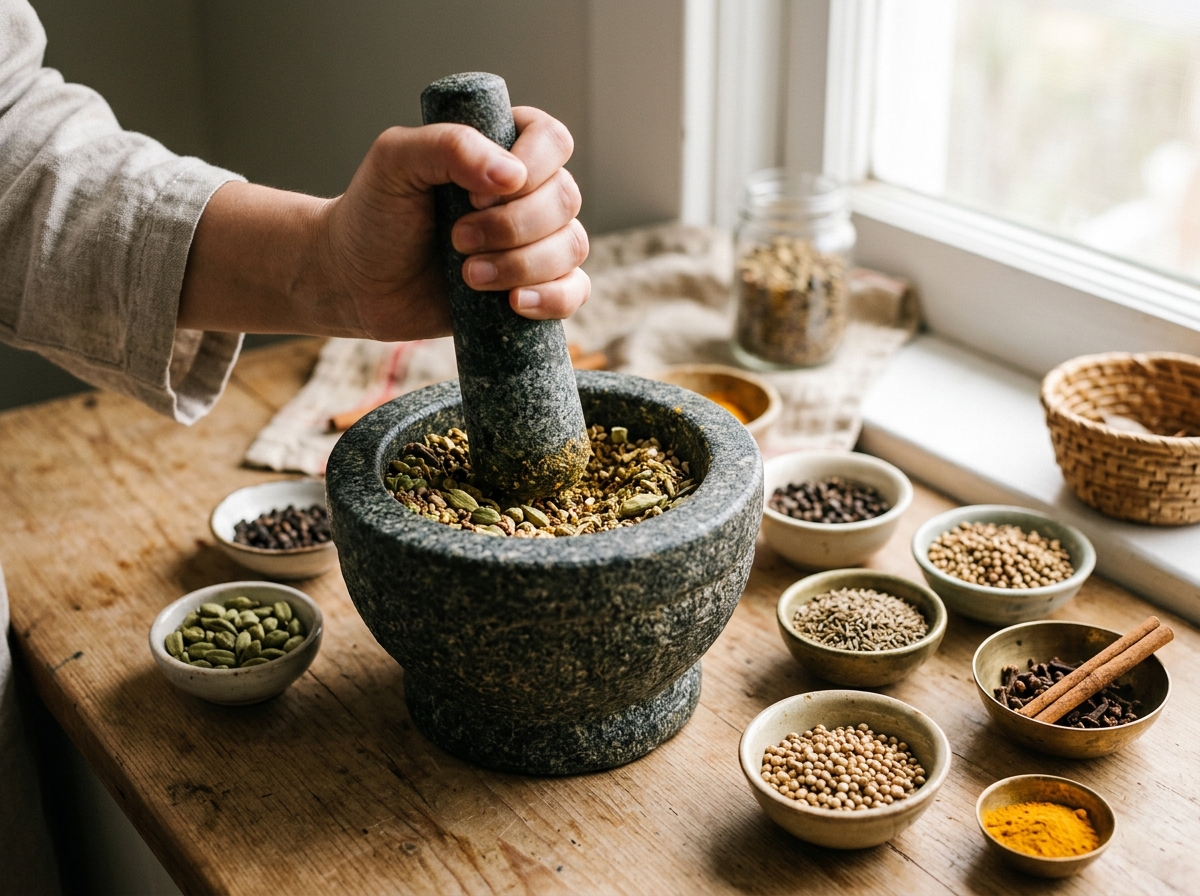
Whole vs. Ground: Buy whole spices when possible and grind them yourself. Whole spices keep their flavor longer and taste dramatically more vibrant when freshly ground. A coffee grinder dedicated to spices makes this easy, though a mortar and pestle works too.
Storage: Keep spices in airtight containers away from light and heat. That spice rack above your stove looks convenient, but heat destroys flavor compounds. A cool, dark pantry or cupboard is ideal.
Quantity: Buy small amounts frequently rather than large quantities that sit around losing flavor. Most ground spices stay potent for about a year; whole spices keep for two to three years if stored properly.
Testing Freshness: Good spices smell strong when you open the container. If you can't smell anything, or if the aroma seems weak, it's time to replace them. Ground spices should have vibrant color—faded colors usually mean faded flavors.
How to Use Your Spices: Techniques That Matter
Having the right spices is only half the battle. How you use them determines whether your food tastes like restaurant-quality Indian cuisine or like Western food with Indian spices sprinkled on top.
Tempering (Tadka/Tarka)
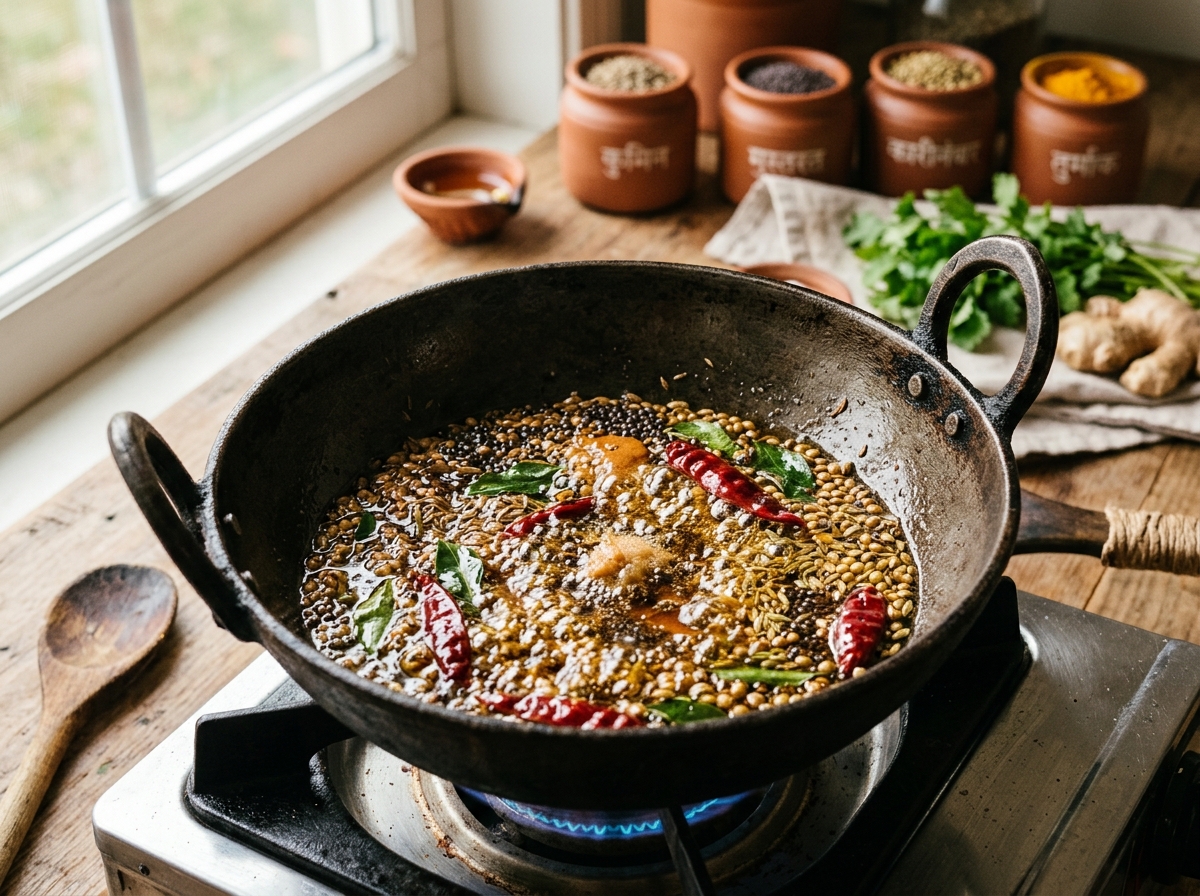
This is the most important technique in Indian cooking. Heat oil or ghee in a pan, add whole spices, and let them sizzle until they release their aromatics. The oil becomes infused with spice flavors, creating the aromatic base for your dish.
Common tempering combinations include cumin and mustard seeds, or cumin, coriander, and fennel. Listen to the spices—they'll pop and sizzle when they're ready. If they turn dark or smell burnt, start over.
Toasting and Grinding
Dry-roasting whole spices in a heavy pan intensifies their flavors dramatically. Toast them over medium heat, stirring frequently, until they smell fragrant and turn slightly darker. Let them cool completely before grinding.
Grind spices in small batches for the best texture. Pulse the grinder rather than running it continuously—this prevents the spices from heating up and losing their oils.
Blooming Ground Spices
Many Indian recipes call for adding ground spices to hot oil or ghee for 30 seconds before adding other ingredients. This "blooms" the spices, intensifying their flavors and preventing them from tasting raw or dusty in the finished dish.
Regional Variations and Specialty Blends
As you become more comfortable with basic Indian spices, exploring regional variations adds exciting new dimensions to your cooking. South Indian cuisine relies heavily on mustard seeds, curry leaves, and coconut. North Indian food features more dairy, nuts, and warming spices like cinnamon and cloves.
Bengali cooking uses panch phoron—a five-spice blend of cumin, mustard, fenugreek, nigella, and fennel seeds. Gujarati cuisine incorporates jaggery and tamarind for sweet-and-sour flavor profiles. Each region has developed spice combinations that complement local ingredients and climate.
Understanding these regional preferences helps you choose which recipes to try next. If you love the complex heat of dishes like our Perfect Chicken Tikka Masala Recipe Guide, you might enjoy exploring more North Indian recipes. If you prefer the coconut-based curries in our Easy Slow Cooker Butter Chicken Recipe for Busy Weeknights, South Indian cuisine might be your next adventure.
Common Mistakes and How to Avoid Them
Even with good spices, certain mistakes can derail your Indian cooking. Here's how to avoid the most common ones:
Adding spices too late: Ground spices need time to cook and meld with other ingredients. Add them early enough to develop their flavors, but not so early that they burn.
Using too much: More isn't always better with spices. Build flavors gradually, tasting as you go. You can always add more, but you can't take them out.
Burning whole spices during tempering: Keep the heat at medium and watch carefully. Burnt spices taste bitter and acrid—there's no fixing that mistake except starting over.
Ignoring freshness: Old spices won't give you the vibrant flavors Indian food is known for. Replace them regularly and buy from stores with good turnover.
Building Your Spice Confidence
The best way to learn about Indian spices is to use them. Start with simple dishes that highlight one or two spices, then gradually work up to more complex combinations. Pay attention to how each spice smells and tastes, both raw and cooked.
Keep notes about what works and what doesn't. Indian cooking is forgiving—if something tastes too mild, add more spices. If it's too spicy, balance it with yogurt, cream, or a touch of sugar.
Remember that building a spice collection is an investment in flavor that pays dividends over time. Each spice you add expands your recipe possibilities and deepens your understanding of one of the world's most complex and rewarding cuisines.
These essential spices are your gateway to authentic Indian flavors. Combined with the techniques and recipes in our broader collection of Indian recipes, they'll help you create meals that taste like they came from a great Indian kitchen—because they did. Yours.
Sources & further reading
- History of Spices — McCormick Science Institute
- Essential Spices in Indian Cooking: A Comprehensive Guide — RawSpiceBar
- Indian Spices - A Guide to Essential Spices — Swasthi's Recipes (Indian Healthy Recipes)
- Essential Indian Spices | A Complete Guide — Ministry of Curry
Related Topics
Enjoyed this article? Share it with fellow food lovers!
Import a recipe, start cooking
Paste any recipe URL and we'll turn it into a Cook Mode experience with step-by-step visuals, voice narration, and built-in timers.