

Easy Middle Eastern Recipes for Weeknight Dinners
Transform your weeknight routine with these quick Middle Eastern recipes that deliver authentic flavors without the fuss. From 15-minute shakshuka to speedy fattoush, these dishes prove that weeknight cooking can be both fast and delicious.
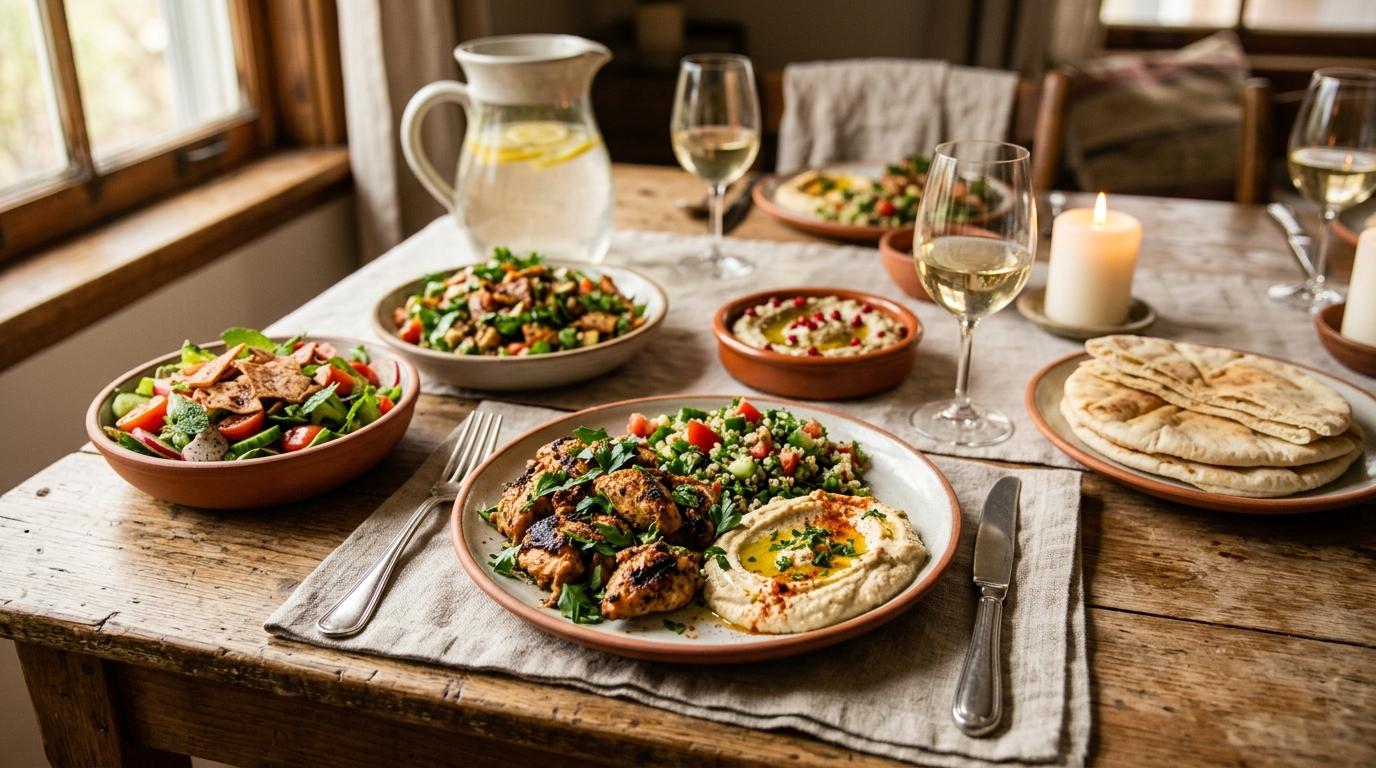
Tuesday night. The workday ran long, traffic was brutal, and everyone's hungry. You could order takeout again, or you could whip up something that transports your kitchen to the bustling streets of Damascus or the coastal markets of Tel Aviv. The beauty of middle eastern recipes lies not just in their bold flavors, but in how quickly many of them come together—perfect for those hectic weeknight moments when you need dinner on the table fast.
Middle Eastern cuisine has mastered the art of the quick meal. Think about it: street vendors from Istanbul to Cairo have been perfecting fast, flavorful food for centuries. Many of these dishes were designed for busy lives, using pantry staples and techniques that maximize flavor while minimizing time.
The secret weapon? A well-stocked spice cabinet and a few key techniques that turn simple ingredients into something extraordinary. Once you understand the flavor profiles—the warm earthiness of cumin, the bright tang of sumac, the floral heat of za'atar—you can create satisfying Middle Eastern meals in the time it takes to order delivery.
The Weeknight Middle Eastern Pantry
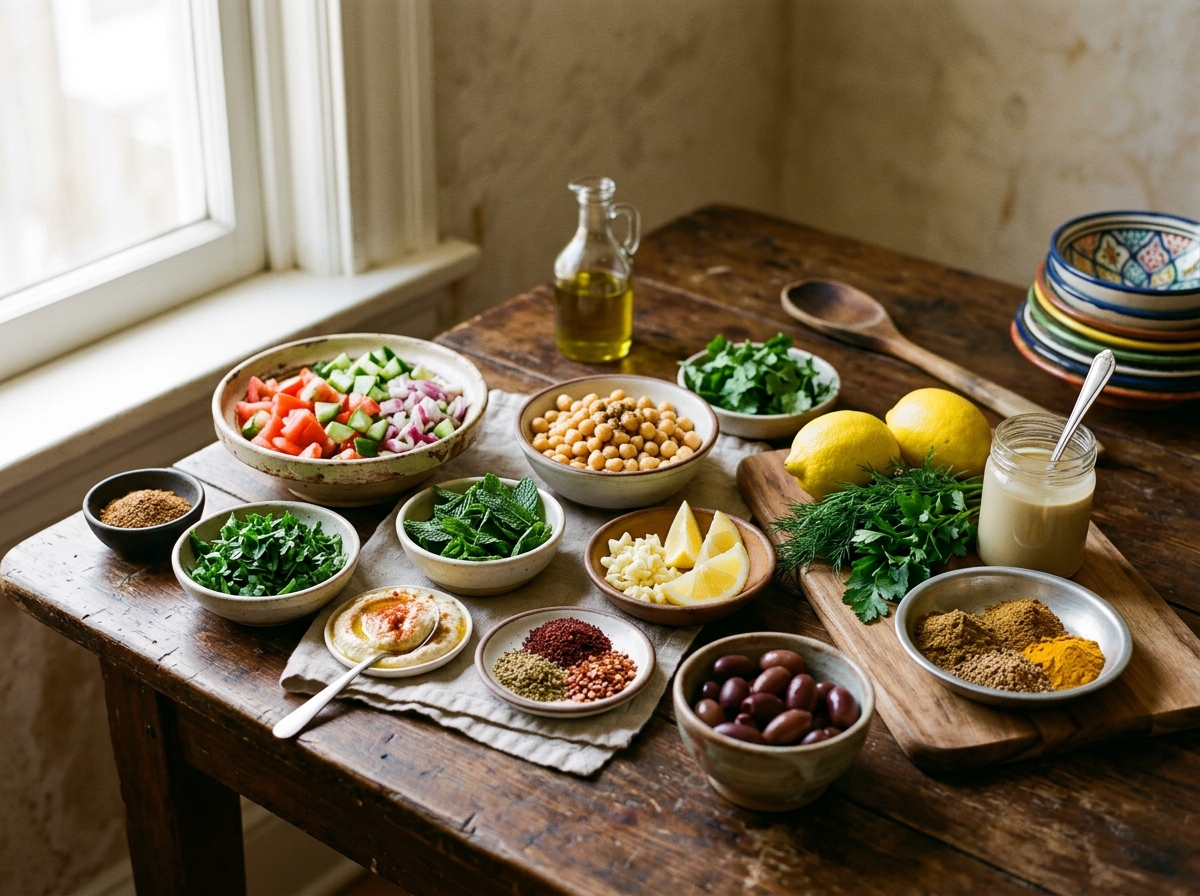
Before we dive into specific recipes, let's talk about setting yourself up for success. A few strategic pantry items will have you cooking Middle Eastern weeknight meals without constant grocery runs.
Essential spices and seasonings: Cumin, coriander, paprika, cinnamon, and allspice form the backbone of most Middle Eastern cooking. Add sumac for tartness, za'atar for complexity, and baharat (if you can find it) for an instant flavor boost.
Pantry proteins: Canned chickpeas, lentils, and tahini provide protein and richness. Keep good olive oil on hand—it's not just for cooking but often the finishing touch that brings dishes together.
Fresh elements: Lemons, parsley, mint, and onions appear in countless Middle Eastern dishes. Stock these weekly and you're halfway to dinner.
Grains and bases: Bulgur wheat cooks faster than rice and adds nutty flavor to everything from tabbouleh to pilafs. Pita bread (store-bought is fine) turns any meal into something substantial.
Lightning-Fast Mains That Satisfy
15-Minute Shakshuka
Shakshuka might seem like a weekend brunch dish, but it's actually one of the fastest weeknight dinners you can make. The traditional method of slowly building the tomato base takes time, but we're cutting corners intelligently.
Start with a can of good crushed tomatoes. Heat olive oil in your widest skillet, add diced onion, and cook for just two minutes until softened. Toss in minced garlic, a teaspoon each of cumin and paprika, and a pinch of cayenne. The spices bloom in thirty seconds—you'll smell it.
Pour in the tomatoes, add salt and a pinch of sugar, and let it bubble for five minutes while you crack eggs into small bowls. Make wells in the sauce with a spoon, slide in the eggs, cover, and cook until the whites set but yolks stay runny—about four minutes.
Finish with crumbled feta, chopped parsley, and a drizzle of good olive oil. Serve with warmed pita or crusty bread. Total time: 15 minutes, and it tastes like you've been simmering sauce all day.
Quick Kofta with Yogurt Sauce
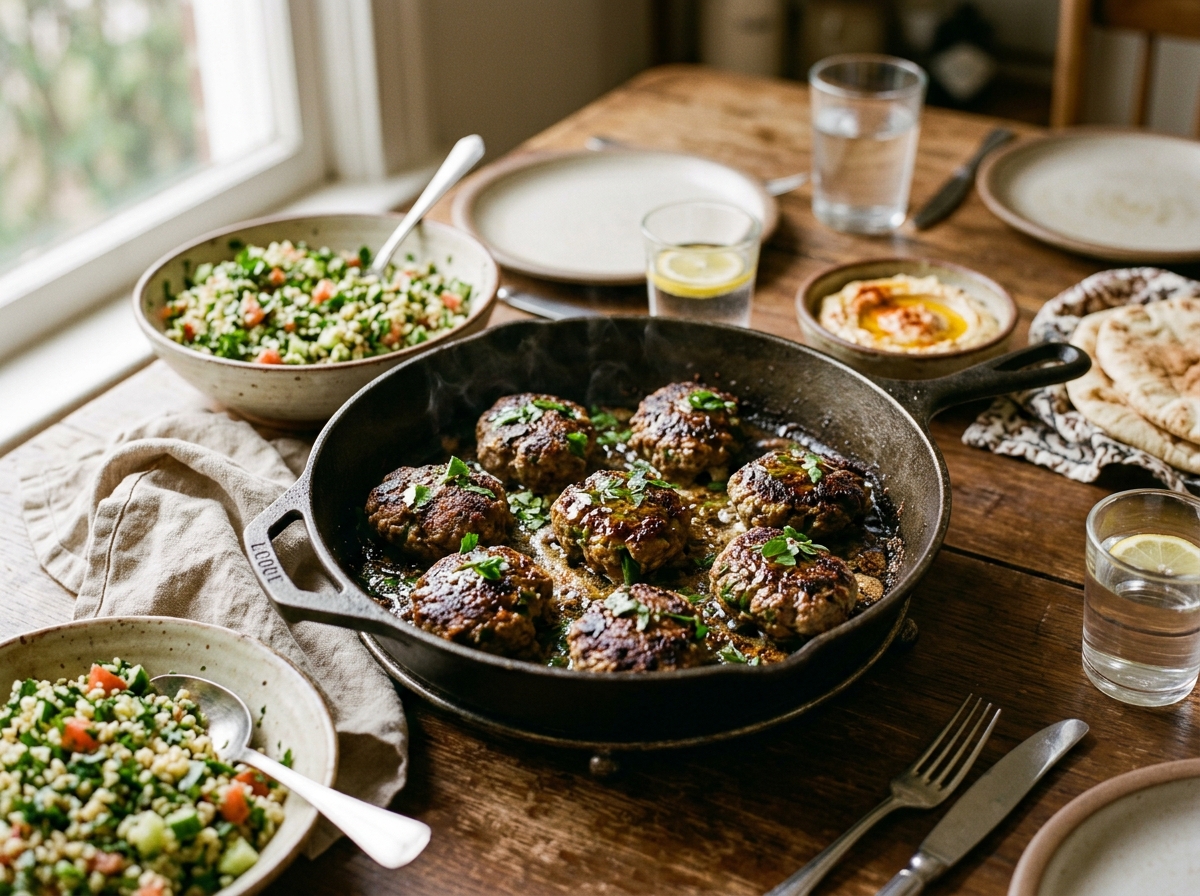
Traditional kofta requires mixing, resting, and careful grilling. Our weeknight version skips the fuss while keeping the flavors. Mix ground lamb or beef with grated onion, minced garlic, chopped parsley, cumin, allspice, and salt. The key is not overmixing—just combine until ingredients hold together.
Form small patties rather than traditional skewered shapes—they cook faster and more evenly in a skillet. Cook in batches over medium-high heat, about three minutes per side. They should develop a good crust while staying tender inside.
While they cook, whisk together Greek yogurt, lemon juice, minced garlic, and salt for a quick sauce. The cool, tangy yogurt balances the warm spices perfectly.
Speed-Route Fattoush
Fattoush normally requires making your own pita chips, but store-bought pita chips work beautifully and shave off prep time. The salad comes together in minutes once you have your vegetables chopped.
Dice tomatoes, cucumbers, and red onion. Tear lettuce and herbs—parsley, mint, and a little cilantro if you like. The dressing is just lemon juice, olive oil, and a generous sprinkle of sumac, which gives fattoush its characteristic tang.
Toss everything except the pita chips with the dressing, let it sit for five minutes so flavors meld, then add the chips just before serving. They should stay crunchy but absorb just enough dressing to carry the flavors.
Key Ingredients That Make the Difference
The difference between good weeknight Middle Eastern food and great weeknight Middle Eastern food often comes down to a few key ingredients that add authentic flavors without extra work.
Sumac transforms ordinary salads and grilled meats with its lemony tartness. Sprinkle it on everything from roasted vegetables to scrambled eggs. It's what gives fattoush and za'atar their distinctive tang.
Pomegranate molasses adds sweet-sour complexity to marinades and glazes. A little drizzled over roasted chicken or stirred into rice makes ordinary dishes extraordinary. It keeps forever in the fridge.
Rose harissa brings heat with floral notes. Unlike regular harissa, rose harissa adds complexity without overwhelming spice. Mix it into yogurt for instant sauce, or rub it on chicken before grilling.
Bulgur wheat cooks in fifteen minutes and has more flavor than rice. Use it in pilafs, stuff it into vegetables, or make a quick tabbouleh by mixing it with lots of chopped herbs and lemon juice.
Tahini isn't just for hummus. Thin it with lemon juice and water for an instant sauce that's delicious over roasted vegetables, grilled fish, or mixed into grain bowls. It adds richness and nutty depth to simple dishes.
Smart Techniques for Busy Nights
The One-Pan Method
Many Middle Eastern dishes lend themselves to one-pan cooking, which means less cleanup and more time at the table. Start proteins in your pan, remove them to rest, then build your sauce or grain in the same pan, scraping up any browned bits for extra flavor.
This works especially well for dishes like spiced chicken with rice, where you can sear seasoned chicken thighs, set them aside, toast rice in the same pan with onions and spices, then nestle the chicken back in to finish cooking together.
Prep-Ahead Spice Blends
Mix your own za'atar, baharat, or dukkah when you have time, then store in airtight containers. Having pre-mixed spice blends means you can add complex flavors to weeknight meals without measuring multiple spices each time.
A simple weeknight baharat: equal parts allspice, black pepper, and cinnamon, with half as much cardamom, cloves, and nutmeg. This keeps for months and transforms everything from roasted vegetables to quick-cooked ground meat.
Strategic Use of Canned Goods
Don't shy away from quality canned ingredients. Good canned chickpeas, tomatoes, and coconut milk can be the foundation of satisfying weeknight meals. The key is knowing how to dress them up with fresh elements and proper seasoning.
Canned chickpeas become a quick stew when sautéed with onions, garlic, and warming spices, then simmered briefly with broth or coconut milk. Finish with fresh herbs and lemon juice, and you have something that tastes like it simmered for hours.
Quick Sides That Complete the Meal
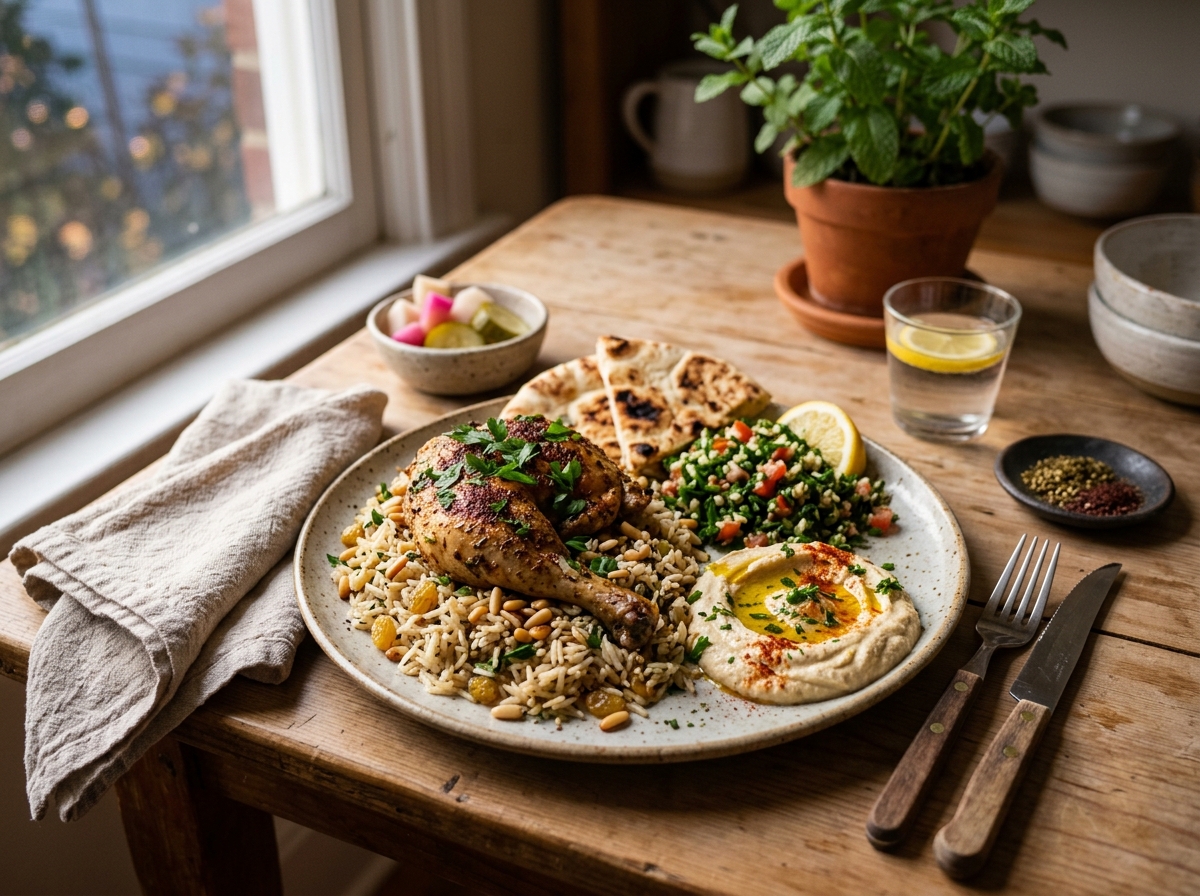
The right sides can turn a simple main dish into a satisfying Middle Eastern feast. These come together quickly and pair well with almost any protein.
Instant Tabbouleh: Use pre-cooked bulgur or even quinoa. The key is lots of chopped parsley and mint, diced tomatoes, lemon juice, and good olive oil. Let it sit five minutes before serving.
Spiced Rice Pilaf: Toast rice with a little butter or oil, add warm spices like cinnamon and cardamom, then cook with broth instead of water. Stir in toasted nuts and dried fruit at the end.
Quick Pickled Vegetables: Slice cucumbers, radishes, or turnips thin, toss with salt, sugar, and vinegar. They'll be ready to eat in fifteen minutes and add bright acidity to rich dishes.
Herbed Yogurt: Mix Greek yogurt with minced garlic, lemon juice, and chopped herbs. This works as a sauce, side dish, or cooling element for spicy foods.
Making It Work for Your Family
Middle Eastern weeknight cooking is naturally flexible, which makes it perfect for families with different tastes and dietary needs. Most dishes can be customized without extra work.
Vegetarian protein swaps work seamlessly—use chickpeas or lentils where recipes call for meat, or add crumbled feta or halloumi for richness. The spice profiles work just as well with plant-based proteins.
For kids who might be hesitant about new flavors, serve components separately. They can have the spiced chicken or kofta with plain rice, while adults enjoy the full-flavored versions with all the herbs and sauces.
Many of these dishes actually improve overnight, making them perfect for meal prep. Cook a big batch of spiced lentils or bulgur pilaf on Sunday, then reheat portions throughout the week with different fresh toppings.
Bringing It All Together
The beauty of weeknight Middle Eastern cooking isn't just in the individual dishes—it's in how they work together to create meals that feel special without requiring special effort. A simple piece of grilled fish becomes a feast when served with quick tabbouleh and herbed yogurt. Leftover roasted chicken transforms into something new when tossed with warm spices and served over bulgur with a dollop of tahini sauce.
These techniques and flavor combinations become second nature once you start using them regularly. Soon you'll find yourself instinctively reaching for sumac instead of salt, or whisking tahini into salad dressings, or adding a pinch of cinnamon to your rice.
The goal isn't to replicate restaurant dishes perfectly—it's to bring the warmth and satisfaction of Middle Eastern flavors into your regular rotation of weeknight meals. Start with one or two recipes that appeal to you, get comfortable with the techniques, then expand from there.
Middle Eastern cuisine offers a world of flavors that work beautifully with busy schedules. From the quick spice blends that transform simple proteins to the grain-based dishes that satisfy without heaviness, these middle eastern recipes prove that weeknight cooking can be both practical and deeply satisfying. Your Tuesday night dinner routine may never be the same.
Sources & further reading
- 19 Middle Eastern Recipes Ideal For Simple Midweek Meals — The Daily Dish
- Middle Eastern Recipes That Are Easy and Healthy — The Plant Based School
- 22 Easy Middle Eastern Recipes You'll Make on Repeat — Cherry on My Sundae
- 11 Favorite Weeknight Meals — Omayah Cooks
Related Topics
Enjoyed this article? Share it with fellow food lovers!
Import a recipe, start cooking
Paste any recipe URL and we'll turn it into a Cook Mode experience with step-by-step visuals, voice narration, and built-in timers.