

Classic Middle Eastern Appetizers: Essential Mezze Guide
Middle Eastern appetizers transform any meal into a communal feast. These mezze classics bring vibrant flavors and ancient traditions to your table with surprising simplicity.
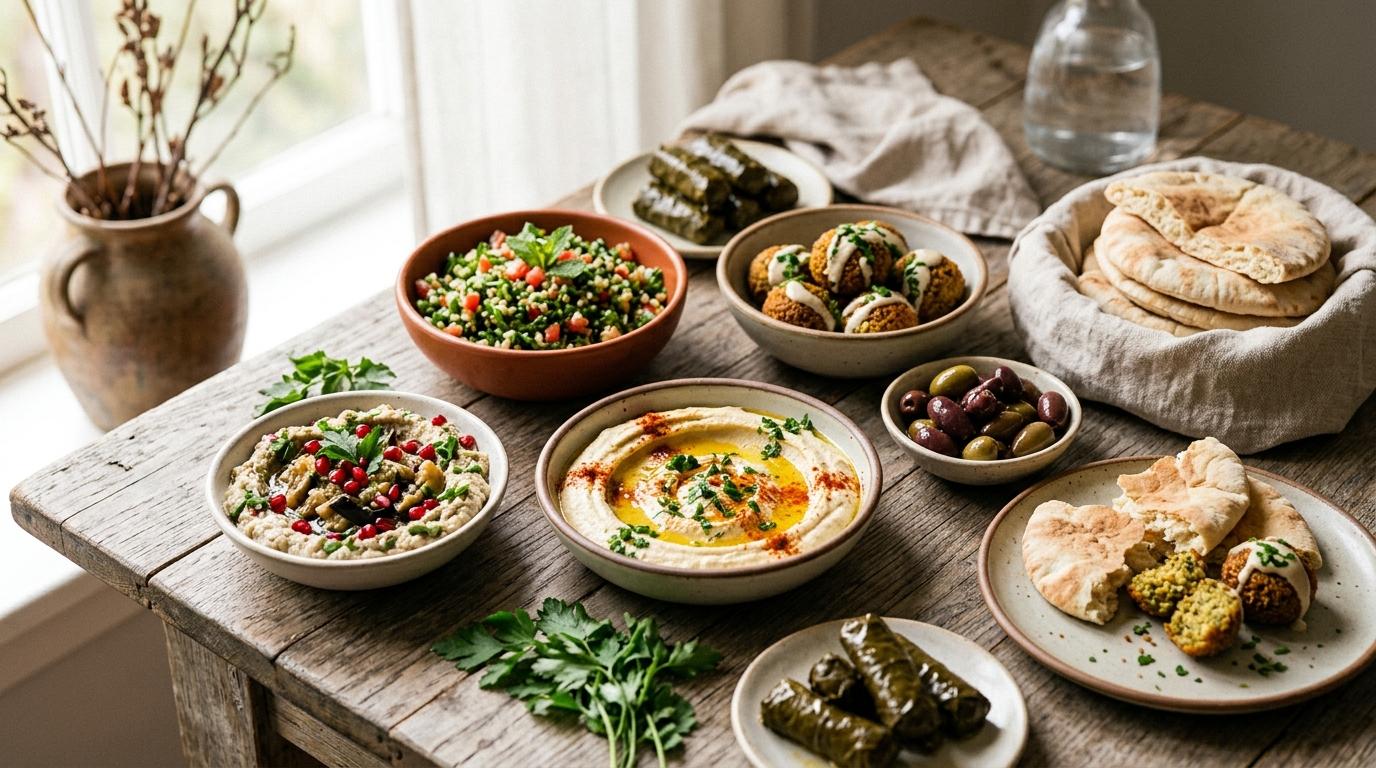
The art of Middle Eastern hospitality begins before the main course arrives. Across the Levant, from Lebanon's mountain villages to Syria's bustling markets, mezze culture transforms eating into an unhurried social ritual. These small plates aren't just appetizers—they're an invitation to linger, share stories, and savor each bite. Whether you're exploring our collection of middle eastern recipes or planning your first mezze spread, understanding these classics opens the door to a culinary tradition that spans millennia.
Mezze, from the Persian word "maza" meaning taste or snack, represents more than food—it's philosophy. The concept spread throughout the Ottoman Empire, picking up regional variations from Greece to Morocco. In Lebanon and Syria, mezze can include dozens of dishes. In Turkey, it's called "meze." Iran offers "mokhalafat." Each culture adds its signature touch while honoring the core principle: variety, balance, and abundance.
The beauty lies in the flexibility. A proper mezze spread balances hot and cold dishes, creamy and crunchy textures, mild and bold flavors. You might start with three dishes or present twenty. The key is creating harmony across the table—something cooling like yogurt-based labneh next to fiery muhammara, or crisp vegetables alongside rich, smoky baba ganoush.
Essential Cold Mezze: The Foundation
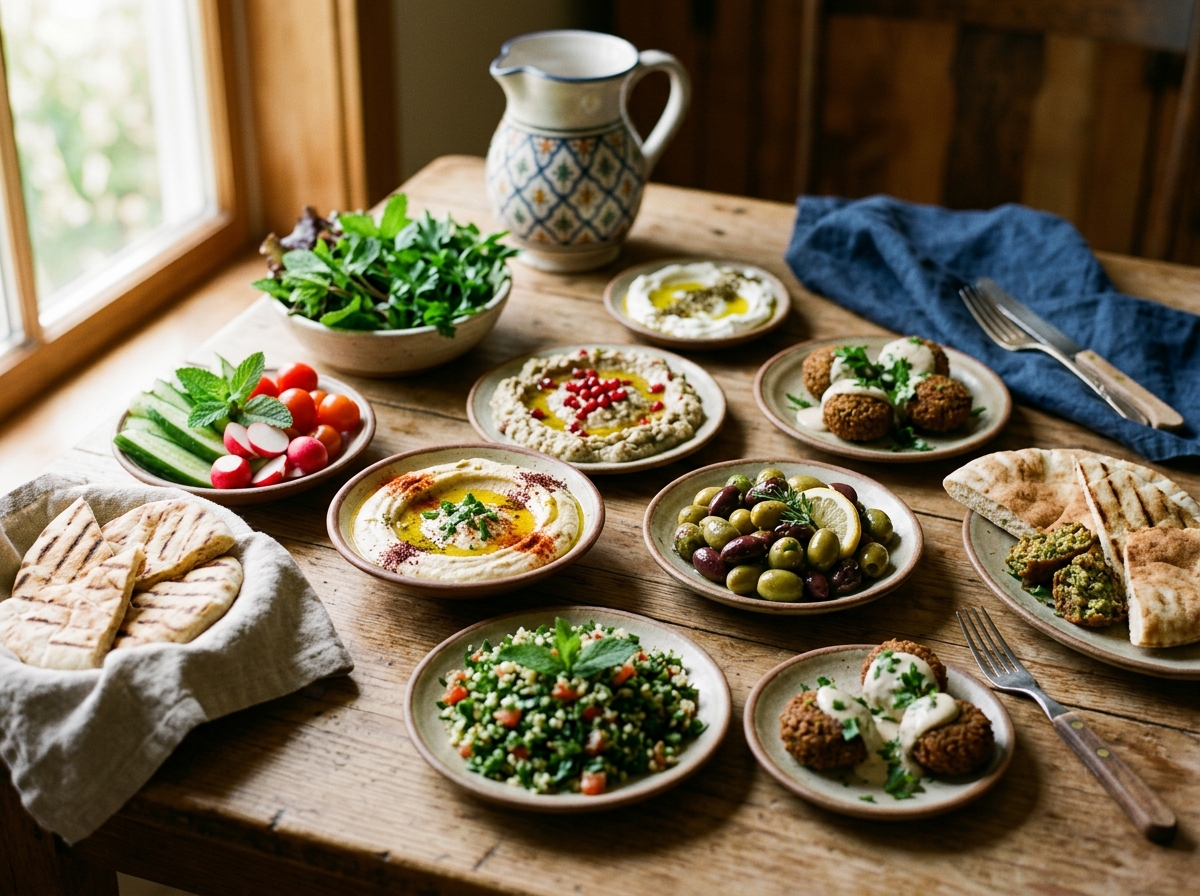
Cold mezze form the backbone of any Middle Eastern appetizer spread. These dishes can be prepared hours ahead, allowing flavors to meld and develop complexity. They're also forgiving—most improve with time.
Hummus: Beyond the Basics
Real hummus bears little resemblance to most store-bought versions. The secret lies in technique, not exotic ingredients. Start with dried chickpeas, soaked overnight and cooked until they practically fall apart. This extra cooking time creates the silky texture that defines exceptional hummus.
Peel the chickpeas after cooking—yes, it's tedious, but it makes the difference between grainy and velvet-smooth. Save the cooking liquid; it's liquid gold for achieving the perfect consistency. Quality tahini matters enormously. Look for brands from Lebanon or Palestine, where the sesame seeds are stone-ground to perfection.
The classic preparation calls for chickpeas, tahini, lemon juice, garlic, and salt. But the ratios separate good from transcendent. Use more tahini than you think—about 1/3 cup for every cup of cooked chickpeas. Balance the lemon's acidity with the tahini's richness. Add ice water gradually while blending to achieve that restaurant-quality lightness.
Baba Ganoush: Mastering the Char
Baba ganoush success depends entirely on how you handle the eggplant. The goal is deep, smoky flavor that penetrates every bite. Char the whole eggplants directly over an open flame—gas burner, grill, or under the broiler. The skin should be completely blackened and the flesh collapsed and steaming.
Let the eggplants cool just enough to handle, then scrape away the charred skin. Don't rinse—you'll wash away precious smoky essence. Drain the flesh in a colander for 30 minutes to remove excess moisture. This prevents watery baba ganoush, a common mistake that dilutes the flavor.
Mash by hand with a fork rather than using a food processor. The slight texture variation creates more interesting mouthfeel than machine-perfect puree. Season generously with lemon juice, tahini, minced garlic, and salt. Taste and adjust—the flavor should be bold, not timid.
Tabbouleh: A Study in Proportion
Authentic tabbouleh challenges Western expectations. This isn't a bulgur salad with parsley garnish—it's a parsley salad with bulgur accent. Traditional Lebanese tabbouleh contains roughly 80% herbs to 20% grain, creating a bright, verdant dish that celebrates the parsley harvest.
Use fine bulgur (#1 grade) and prepare it properly. Pour boiling water over the bulgur, cover tightly, and let it steam for 30 minutes. Fluff with a fork, then cool completely. Meanwhile, finely chop enormous amounts of flat-leaf parsley—at least 3 cups packed. Add chopped mint, diced tomatoes (seeded and salted to draw out excess moisture), and thinly sliced green onions.
The dressing is simple: olive oil, lemon juice, and salt. But the proportions matter. Use enough lemon to make your mouth pucker slightly—the acidity brightens all those herbs. Quality olive oil adds richness without masking the herbal flavors.
Warm Mezze: Heat and Spice
While cold mezze provide the foundation, warm dishes add excitement and variety to the spread. These appetizers showcase the Middle East's mastery of spices and technique.
Kibbeh: The Art of the Bulghur Shell
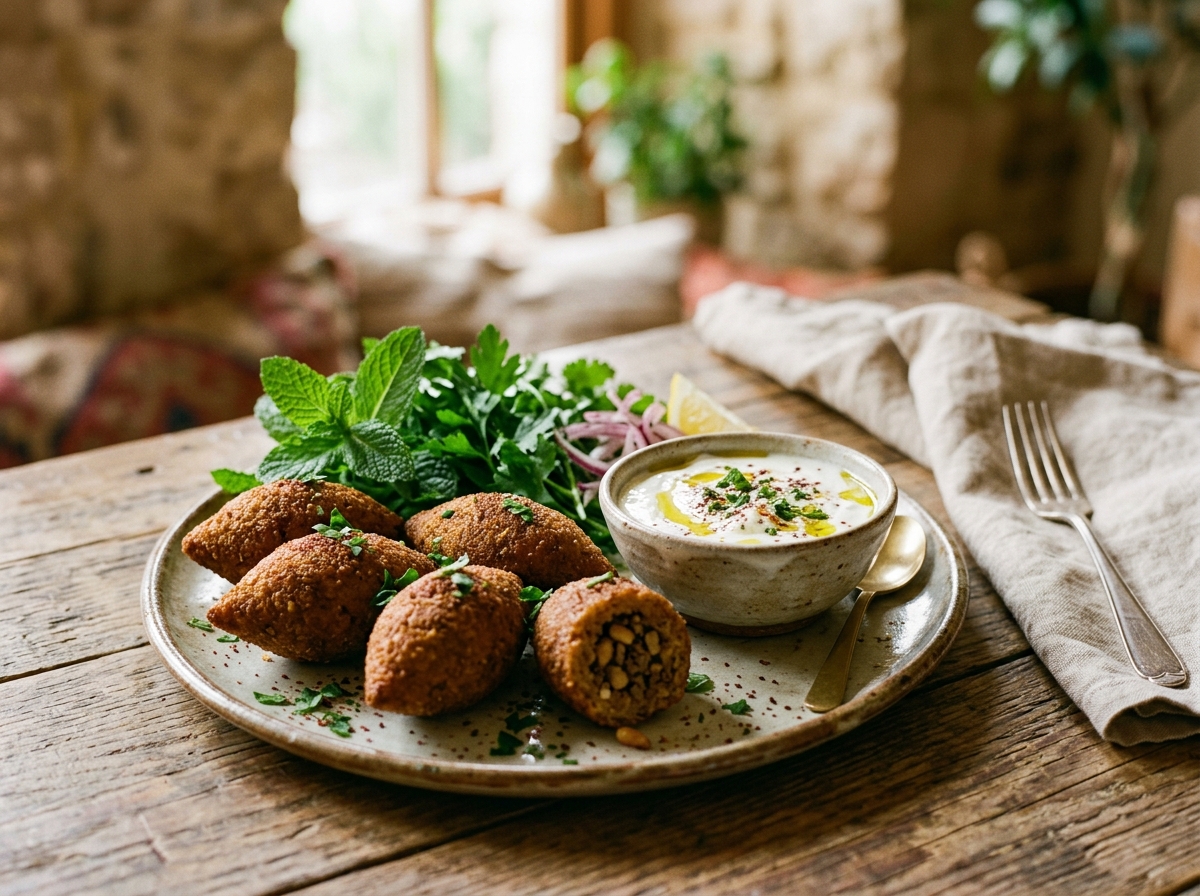
Kibbeh represents one of Middle Eastern cuisine's most sophisticated techniques. These football-shaped fritters feature a delicate bulgur and meat shell wrapped around a spiced filling. The contrast between the crispy exterior and tender interior creates textural magic.
The outer shell requires patience. Soak fine bulgur until tender, then squeeze out excess water. Combine with very finely ground lean beef or lamb—the meat should be almost paste-like. Traditional cooks pass it through a meat grinder multiple times. Season with allspice, cinnamon, and finely grated onion.
The filling typically combines sautéed onions, pine nuts, and seasoned ground meat. Cool this mixture completely before assembly. Wet your hands and form the outer mixture into hollow ovals, stuff with filling, and seal carefully. Fry in hot oil until deep golden brown.
Muhammara: Aleppo's Gift
This vibrant red pepper and walnut dip originates from Aleppo, Syria, where it's been perfecting hearts and palates for centuries. Muhammara balances sweet, smoky, and spicy elements with remarkable sophistication. The base combines roasted red peppers with walnuts, but the magic happens in the seasoning.
Aleppo pepper provides the signature flavor—fruity heat without overwhelming fire. If you can't find Aleppo pepper, substitute a mixture of sweet paprika and cayenne. Pomegranate molasses adds tangy sweetness that brightens the rich nuts and peppers. A touch of bulgur adds body and helps bind the mixture.
Process the walnuts first until finely ground, then add the peppers and seasonings. The texture should be slightly chunky, not completely smooth. Drizzle with good olive oil before serving and garnish with more chopped walnuts.
Fatayer: Hand Pies with History
These triangular pastries showcase the Middle East's mastery of savory baking. The dough should be tender yet sturdy enough to hold generous fillings. Traditional fillings include spinach with sumac, cheese with herbs, or spiced ground meat.
The dough requires just flour, olive oil, water, and salt. Work it just until smooth—overworking creates tough pastries. Rest the dough for at least 30 minutes to relax the gluten. Roll thin circles, add filling to the center, then fold into triangles, pinching the edges tightly.
Brush with olive oil or beaten egg before baking. The finished fatayer should be golden brown with filling that stays properly contained. Serve warm for the best experience.
Key Ingredients for Success
Middle Eastern appetizers rely on specific ingredients that may require a trip to a specialty market. But once you stock these essentials, endless mezze possibilities open up.
Tahini forms the backbone of many dishes. Look for brands that separate naturally and taste rich and nutty, not bitter. Lebanese and Palestinian brands typically offer superior quality. Store in a cool, dark place and stir before using.
Sumac brings beautiful color and tart flavor to salads and meat dishes. These deep red berries are ground into powder that tastes like lemon with complex fruity notes. A little goes a long way.
Za'atar, the famous spice blend, varies by region but typically contains dried thyme, sesame seeds, and sumac. Some versions include oregano or marjoram. Mix with olive oil for an instant spread or seasoning.
Pomegranate molasses adds sweet-tart complexity to numerous dishes. This thick, dark syrup is made from reduced pomegranate juice and keeps indefinitely in the refrigerator.
Good olive oil makes a noticeable difference in Middle Eastern cooking. Look for cold-pressed oils from Lebanon, Palestine, or Turkey. The fruity, peppery notes complement these bold flavors perfectly.
Assembly and Presentation
A proper mezze spread requires strategic thinking. Plan for variety in colors, textures, and temperatures. Arrange dishes on small plates rather than one large platter—this encourages sharing and conversation.
Start with room temperature dishes in the center of the table. Add warm items just before serving. Provide plenty of fresh pita bread, both for scooping and as a textural contrast to the various spreads and salads.
Include fresh elements like cucumber slices, radishes, and green onions. These provide cooling contrast to richer dishes and add satisfying crunch. Arrange herbs—mint, parsley, cilantro—on a separate plate so guests can add them to individual tastes.
Timing Your Mezze
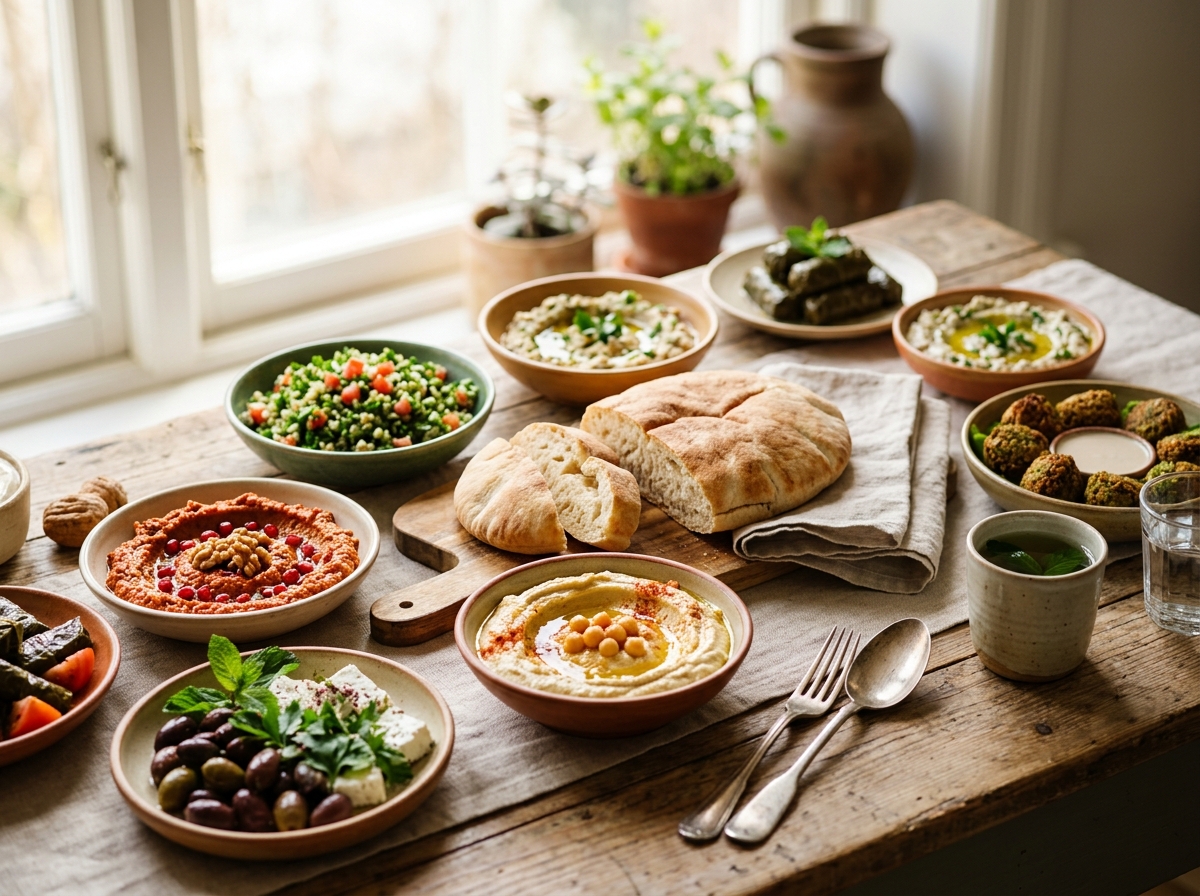
The beauty of mezze lies in advance preparation. Most cold dishes actually improve after resting for several hours or overnight. This allows flavors to meld and develop complexity.
Prepare hummus, baba ganoush, and tabbouleh up to two days ahead. Store covered in the refrigerator but bring to room temperature before serving—cold temperatures mute the carefully balanced flavors.
Warm dishes require last-minute attention but can often be partially prepared in advance. Form kibbeh earlier in the day and refrigerate, then fry just before serving. Assemble fatayer and freeze them; bake directly from frozen, adding a few extra minutes to the cooking time.
The goal is relaxed hosting. When guests arrive, you should be free to enjoy the meal rather than frantically cooking. A well-planned mezze spread allows for genuine hospitality—the true heart of Middle Eastern dining culture.
Building Your Mezze Confidence
Start simple if you're new to mezze preparation. Choose three or four dishes that appeal to you and focus on executing them well. A small, perfectly prepared spread impresses more than an overwhelming table of mediocre dishes.
Master the cold preparations first—hummus, baba ganoush, and tabbouleh form a solid foundation. Add warm elements like muhammara or simple cheese-filled fatayer as you grow more comfortable with the techniques.
Don't stress about authenticity while you're learning. Regional variations exist throughout the Middle East, so there's rarely one "correct" way to prepare these dishes. Focus on balancing flavors and creating an inviting atmosphere.
Consider pairing your mezze with other Middle Eastern mains from our recipe collection, like the beloved Authentic Kabob Koobideh Recipe: Persian Grilled Perfection, which creates a perfect complement to these appetizer spreads.
Middle Eastern appetizers offer more than delicious food—they provide a window into cultures that prize hospitality, community, and the joy of shared meals. Whether you're recreating family memories or exploring new flavors, these mezze classics from our middle eastern recipes collection connect you to centuries of culinary wisdom. The techniques may take practice, but the rewards—both culinary and social—justify every effort.
Sources & further reading
- Classic Baba Ghanoush — Tori Avey
- Best Middle Eastern Recipes for Hummus, Fattoush, Kofta and More — Grantourismo Travels
- Baba Ganoush (Authentic Recipe) — Welcome2Jordan
Related Topics
Enjoyed this article? Share it with fellow food lovers!
Import a recipe, start cooking
Paste any recipe URL and we'll turn it into a Cook Mode experience with step-by-step visuals, voice narration, and built-in timers.