

Best Indian Curry Recipes: Essential Collection for Home Cooks
Master the art of Indian curry making with this collection of beloved recipes that bring restaurant-quality flavors to your kitchen. From mild and creamy to bold and spicy, these curries showcase the incredible diversity of Indian cuisine.
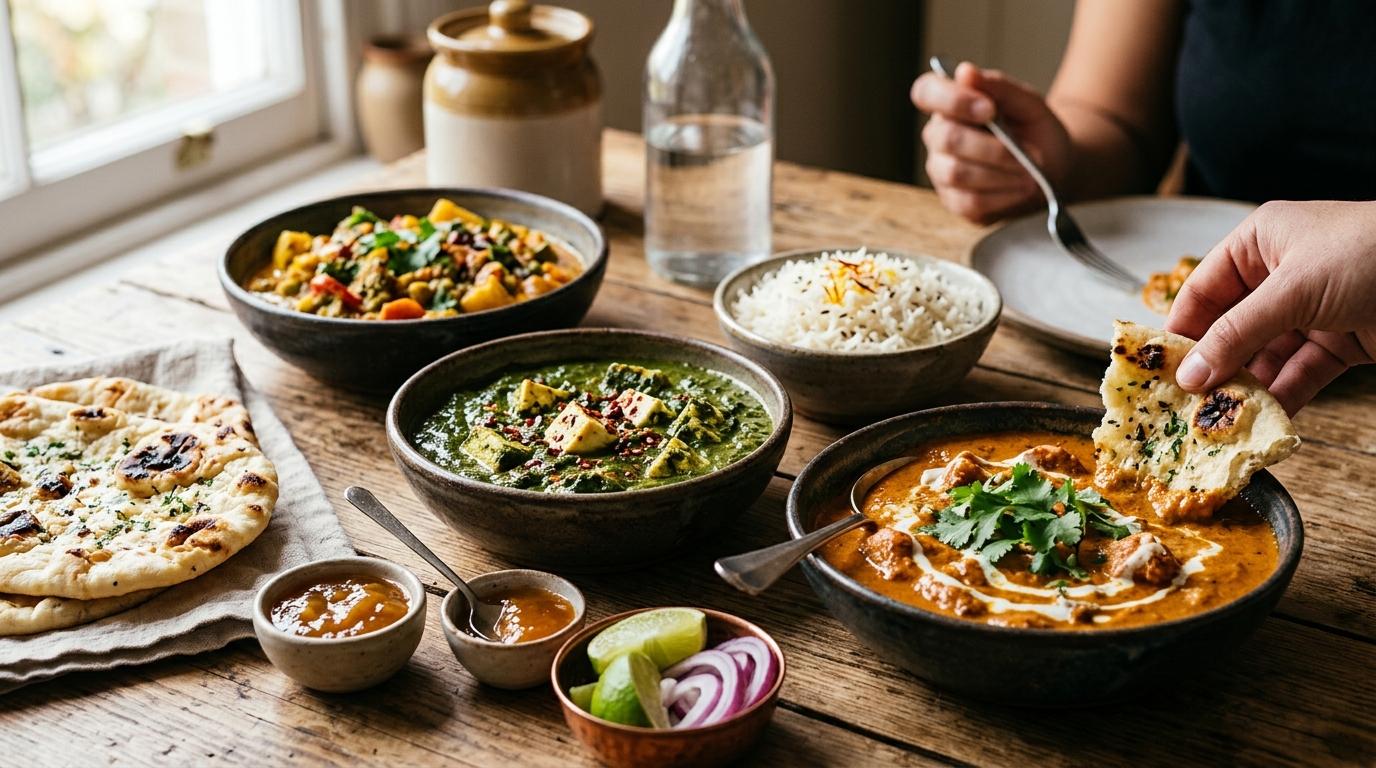
Indian curry is more than just a single dish—it's an entire universe of flavors, techniques, and regional traditions that have captivated food lovers worldwide. Whether you're just beginning to explore Indian recipes or looking to expand your curry repertoire, understanding the fundamentals of these beloved dishes opens up endless possibilities in your kitchen.
The word "curry" itself comes from the Tamil word "kari," meaning sauce or relish. But across India's diverse regions, curry takes countless forms. From the coconut-rich curries of Kerala to the tomato-forward dishes of Punjab, each region brings its own signature ingredients and cooking methods.
What makes Indian curry so special isn't just the complex spice blends—it's the layering of flavors through careful technique. The foundation often starts with aromatics like onions, ginger, and garlic, followed by whole and ground spices that are bloomed in oil to release their essential oils. This creates the flavor base that makes restaurant-quality curry possible at home.
Understanding Curry Foundations
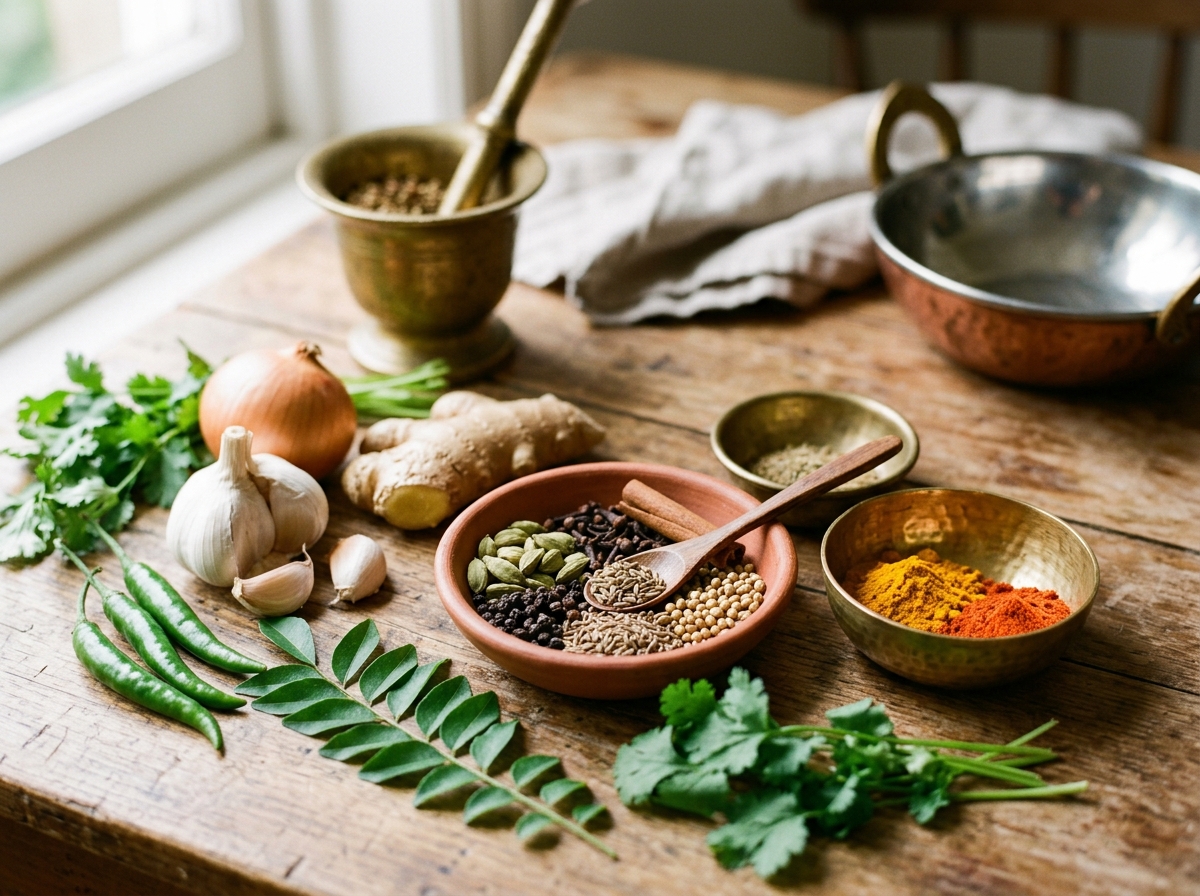
Great Indian curry begins with understanding the holy trinity of Indian cooking: onions, ginger, and garlic. These aromatics form the base of most curry recipes, creating depth and complexity that processed curry powders simply can't match.
The onion base deserves special attention. Many recipes call for cooking onions until golden, but the best curries often push this further—cooking until they're deep amber or even mahogany. This caramelization adds natural sweetness and richness that balances the heat of spices.
Ginger and garlic should be fresh, not powdered. A good ratio to remember is roughly equal parts ginger and garlic, though some recipes lean heavier on one or the other. Fresh ginger paste and garlic paste, available at Indian grocery stores, are excellent time-savers for frequent curry makers.
Tomatoes play a crucial role in many North Indian curries, providing acidity that brightens the dish and helps meld flavors. Cook them down until they break apart and become jammy—this concentrates their flavor and eliminates any raw taste.
Essential Curry Categories
Creamy Tomato-Based Curries
These are the curries that made Indian food famous worldwide. Think butter chicken, chicken tikka masala, and paneer makhani. They start with the classic onion-ginger-garlic base, add tomatoes and spices, then finish with cream or yogurt for richness.
The secret to outstanding tomato-based curries lies in the spice blend timing. Add ground spices like garam masala, coriander, and cumin after the onions are golden but before adding tomatoes. This prevents the spices from burning while allowing them to bloom in the oil.
For the creamiest texture, many restaurants use cashew paste blended with water. This creates body without the tang of dairy, though heavy cream or yogurt work beautifully too. Add dairy elements off the heat to prevent curdling.
Coconut-Based Curries
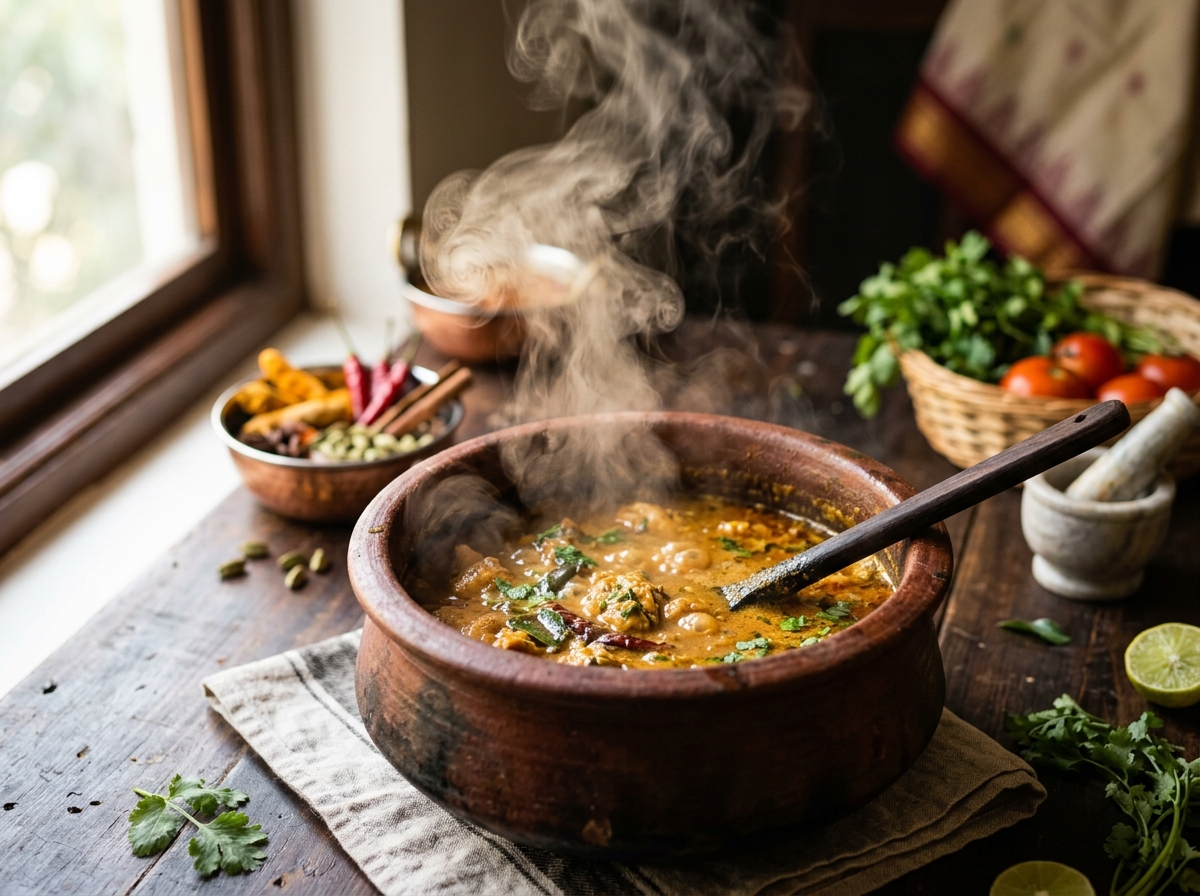
Southern Indian and coastal curries often feature coconut milk as their base, creating entirely different flavor profiles from their northern counterparts. These curries tend to be more aromatic and slightly sweet, with spices like curry leaves, mustard seeds, and fenugreek playing starring roles.
When working with coconut milk, use the thick cream that separates at the top of the can for initial cooking, then add the thinner liquid toward the end. This prevents the coconut from breaking and creates a silky texture.
Curry leaves are non-negotiable for authentic coconut curries. They're available fresh at Indian groceries and freeze well. The dried version lacks the bright, citrusy flavor that makes these curries special.
Dry Curries and Stir-Fries
Not all curries are saucy. Dry curries, or "sabzi," focus on coating ingredients with spices rather than swimming in sauce. These dishes rely on the natural moisture from vegetables or meat to create just enough liquid to marry the flavors.
The key technique here is managing heat carefully. High heat initially to sear proteins or vegetables, then lower heat to allow spices to cook without burning. A splash of water occasionally helps prevent sticking while the flavors develop.
Key Ingredients for Success
Building a curry pantry doesn't require dozens of exotic ingredients, but a few essentials make all the difference. Whole spices like cumin seeds, coriander seeds, and cardamom pods offer fresher flavor than pre-ground versions.
Garam masala is the most versatile spice blend to have on hand. While store-bought works, making your own by toasting and grinding whole spices creates incomparable freshness. A basic garam masala includes cinnamon, cardamom, cloves, black peppercorns, and bay leaves.
Turmeric provides the golden color associated with many Indian dishes, but use it judiciously—too much creates bitterness. Kashmiri red chili powder offers color and mild heat, while cayenne adds intensity without color.
For proteins, boneless cuts work well for beginners, but bone-in pieces add more flavor to the final dish. Dark meat chicken, lamb shoulder, and firm fish like halibut or cod hold up well to curry cooking methods.
Ghee, or clarified butter, withstands high heat better than regular butter and adds a nutty richness. However, neutral oils like canola or vegetable oil work perfectly fine for everyday cooking.
Classic Curry Recipes to Master
Chicken Curry (Murgh Curry)
This foundational recipe teaches the basic curry-making technique that applies to countless variations. Start by marinating chicken pieces in yogurt, ginger-garlic paste, turmeric, and salt for at least 30 minutes.
Heat ghee or oil in a heavy-bottomed pot. Add cumin seeds and let them sizzle, then add sliced onions. Cook until deep golden, about 10-12 minutes. Add ginger-garlic paste and cook until fragrant, about 2 minutes.
Add ground coriander, cumin, and garam masala. Stir for 30 seconds, then add chopped tomatoes. Cook until tomatoes break down and the mixture becomes jammy, about 8-10 minutes.
Add the marinated chicken along with any marinade. Increase heat and sear the chicken pieces, turning occasionally, for 5-6 minutes. Add water to barely cover, bring to a boil, then reduce heat and simmer covered for 20-25 minutes.
Finish with fresh cilantro and a squeeze of lemon. The curry should coat the back of a spoon but still flow easily.
Dal (Lentil Curry)
Dal represents the soul of Indian home cooking—simple, nourishing, and infinitely variable. Yellow dal made with split yellow lentils (moong dal or toor dal) offers the most approachable starting point.
Rinse lentils until the water runs clear, then simmer with turmeric, salt, and enough water to cover by 2 inches. Cook until soft and creamy, about 20-25 minutes, stirring occasionally.
For the tempering (tadka), heat ghee in a small pan. Add cumin seeds, mustard seeds, and dried red chilies. When they sizzle, add curry leaves if available, then pour this aromatic oil over the cooked dal.
Stir in fresh ginger, green chilies, and tomatoes if desired. The consistency should be like thick soup—add hot water to thin, or simmer uncovered to thicken.
Saag (Spinach Curry)
This vibrant green curry works with any leafy green but spinach remains the most popular. The key is properly preparing the greens—blanching them briefly preserves color and reduces cooking time.
Blanch fresh spinach in boiling salted water for 1 minute, then immediately plunge into ice water. Drain thoroughly and puree with minimal water for a smooth paste.
Follow the standard aromatics base—onions, ginger, garlic—then add the spinach puree along with spices like cumin, coriander, and garam masala. The curry benefits from slow simmering to meld flavors fully.
Paneer, potatoes, or chicken work beautifully with saag. Add protein in the final 10-15 minutes of cooking to heat through without overcooking.
Advanced Techniques and Tips
Temperature control separates good curry from great curry. Use medium heat for most cooking, increasing only when searing proteins or when recipes specifically call for high heat. This prevents spices from burning while allowing flavors to develop properly.
Layering spices creates more complex flavor than adding everything at once. Start with whole spices in hot oil, add ground spices later, and finish with delicate spices like garam masala at the end.
Resting time improves most curries dramatically. Like stews and braises, curry flavors continue developing after cooking. Make curry a day ahead when possible, or let it rest for at least 30 minutes before serving.
Acid balance is crucial but often overlooked. A splash of lemon juice or vinegar at the end brightens flavors and cuts through richness. Tomatoes provide acidity during cooking, but fresh citrus adds a final lift.
For restaurant-style richness without heavy cream, try the chef trick of blending soaked cashews with water until completely smooth. This cashew cream adds body and subtle sweetness while keeping the curry dairy-free if desired.
Pairing and Serving
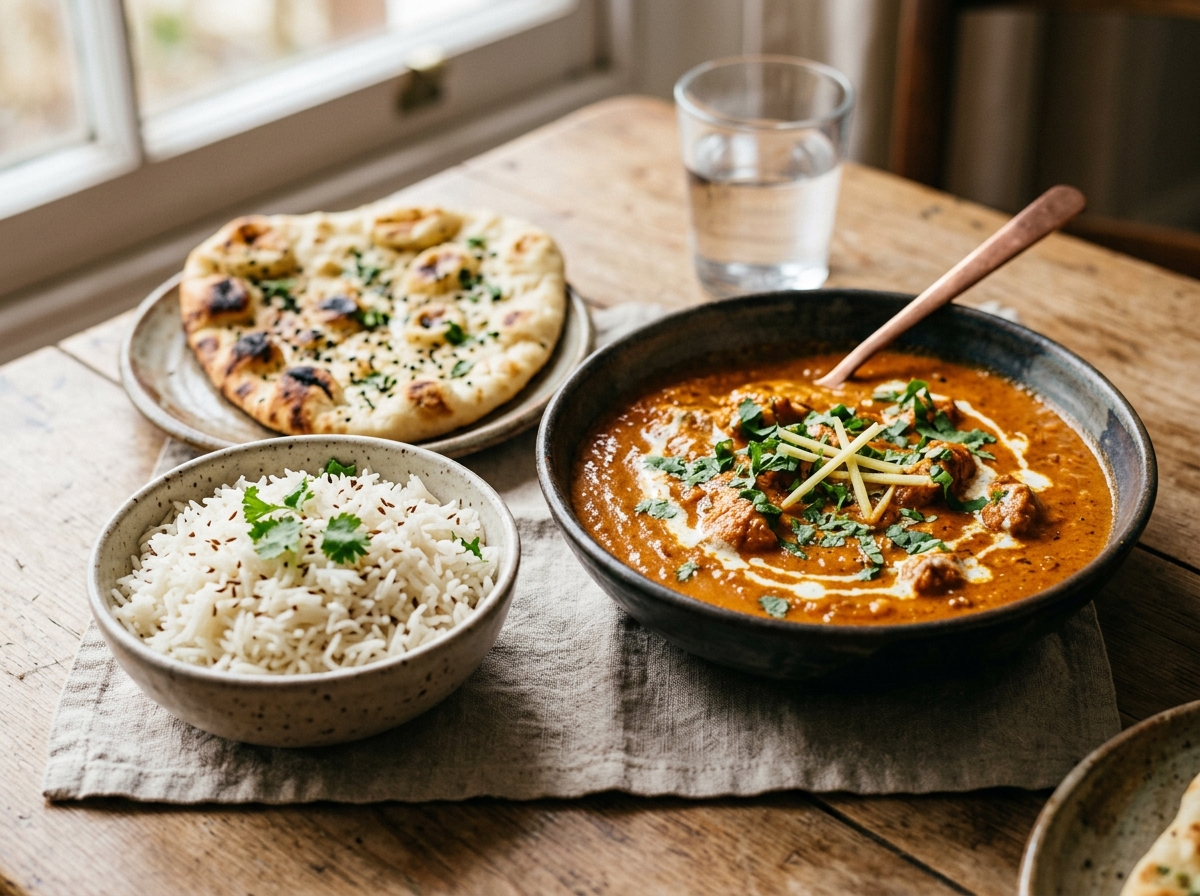
Rice remains the classic curry companion, but the type matters. Basmati rice's long grains and delicate flavor complement spicy curries without competing. Cook it with whole spices like cardamom and cinnamon for extra fragrance.
Indian breads like naan, roti, or chapati provide different textures and help manage spice levels. The bread's mild flavor and soft texture balance bold curry flavors perfectly.
Cooling elements like yogurt raita, sliced cucumber, or pickled onions help balance heat and cleanse the palate between bites. These simple accompaniments make even very spicy curries more approachable.
Consider the meal's overall balance when planning multiple curries. Mix textures and spice levels—pair a creamy curry with a drier vegetable dish, or balance rich meat curry with simple dal.
Troubleshooting Common Issues
Bitter curry usually results from burned spices or garlic. Cook aromatics over moderate heat and add liquid if the pan seems too dry. A pinch of sugar can sometimes balance minor bitterness.
Bland curry often needs more salt, acid, or time. Salt enhances all other flavors, while acid brightens the dish. Sometimes the issue is simply undercooking—many curries need longer simmering to fully develop.
Too-spicy curry can be tamed with dairy, coconut milk, or sugar. Yogurt stirred in off the heat helps immediately, while coconut milk adds richness along with cooling properties.
Watery curry needs reduction or thickening. Simmer uncovered to concentrate flavors, or add tomato paste, ground nuts, or a slurry of flour and water to create body.
Exploring Indian recipes through curry opens up an entire world of flavors and techniques. Start with these fundamentals, then branch out to regional specialties and family variations. Each curry you master builds confidence and understanding that carries forward to the next dish.
The beauty of Indian curry lies in its adaptability. Once you understand the basic techniques—building aromatics, layering spices, balancing flavors—you can create countless variations using whatever proteins and vegetables you have available. This knowledge transforms curry from intimidating restaurant food into approachable home cooking that brings warmth and satisfaction to any table.
Sources & further reading
- Complete Guide to Indian Curries: Types, Recipes, Techniques, and Regional Styles — Tasty and Zesty
- 20+ Authentic Indian Curry Recipes to try — Masala and Chai
- Step-by-Step Guide to a Proper Indian Curry Recipe — Chef Akila
- Best Indian Curry Recipes — Foodess
Related Topics
Enjoyed this article? Share it with fellow food lovers!
Import a recipe, start cooking
Paste any recipe URL and we'll turn it into a Cook Mode experience with step-by-step visuals, voice narration, and built-in timers.