

Authentic Turkish Köfte Recipe: Master These Traditional Meatballs
Discover the art of making traditional Turkish köfte with techniques passed down through generations. These aren't just meatballs - they're a cornerstone of Turkish culinary heritage.
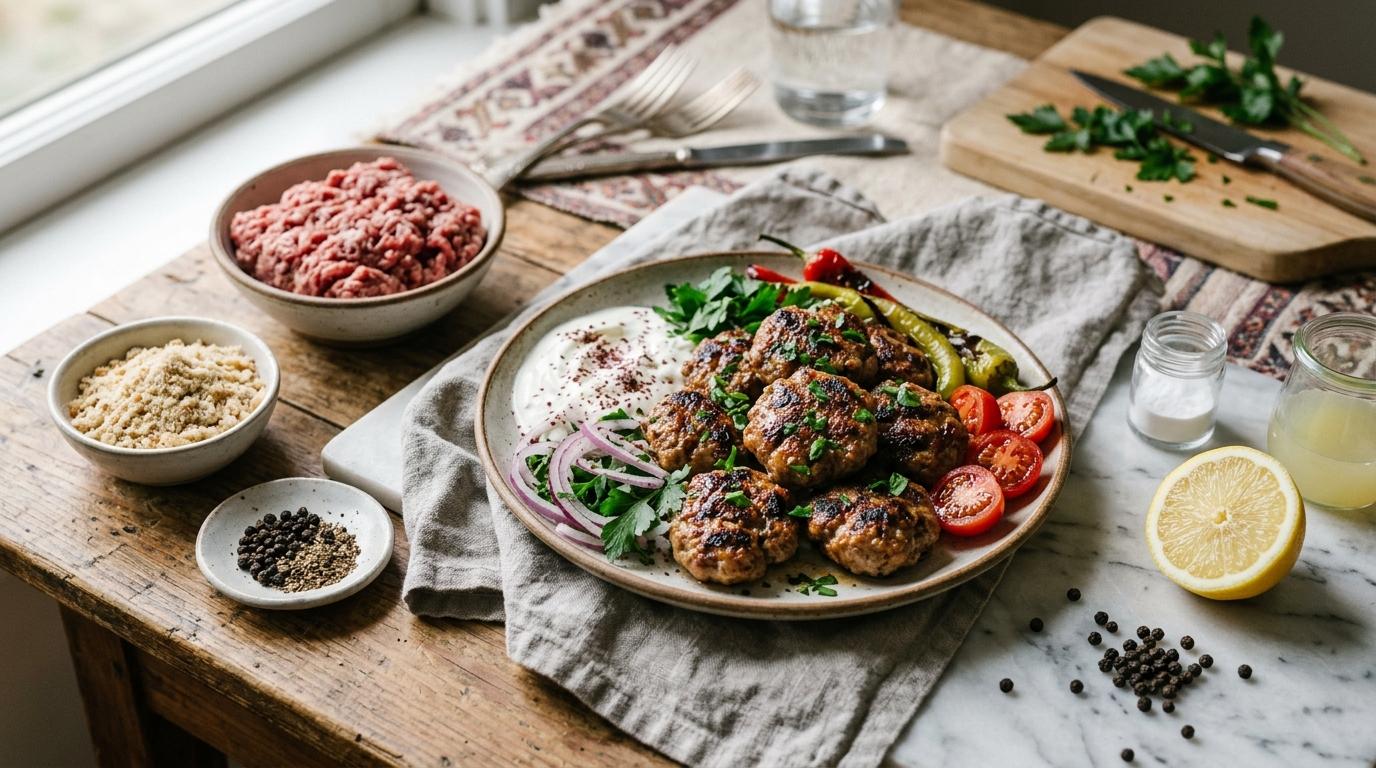
Featured Recipe
Turkish Meatballs Kofte: How to Make Authentic Turkish Köfte
The sizzle of perfectly seasoned meat hitting a hot griddle, the aroma of spices wafting through the kitchen, and the anticipation of that first tender, juicy bite – this is the magic of authentic Turkish köfte. These aren't your average meatballs; they're a testament to centuries of Turkish culinary mastery, where simple ingredients transform into something extraordinary through technique and tradition. This recipe comes from Turkishfoodtravel, and we've transformed it into an immersive cooking experience on Meez.
The Story Behind This Dish
Köfte holds a revered place in Turkish cuisine, with variations found across every region of the country. The word "köfte" itself comes from the Persian "kufta," meaning "to beat" or "to grind," reflecting the ancient technique of preparing meat. From the famous İnegöl köfte of Bursa to the spiced variations of southeastern Turkey, each region has developed its own signature style.
What makes Turkish köfte special isn't just the meat – it's the meticulous attention to texture and the balance of simple seasonings. Turkish cooks have perfected the art of creating köfte that are incredibly tender on the inside while maintaining a beautiful crust on the outside. This particular recipe represents the classic home-style approach, where families gather around the dinner table to share these beloved meatballs alongside fresh vegetables and rice.
The tradition of making köfte is often passed down through generations, with each family adding their own subtle touches. Some regions prefer a mix of beef and lamb, while others stick to beef alone. The key is understanding how to work the meat just enough to bind it without making it tough – a skill that separates good köfte from extraordinary ones.
Key Ingredients Spotlight
The beauty of Turkish köfte lies in its simplicity, but each ingredient plays a crucial role. The ground beef forms the foundation – look for meat with about 20% fat content for the perfect balance of flavor and moisture. If you can find it, a combination of 70% beef and 30% lamb creates an even more authentic taste profile that's prized in Turkish cuisine.
The secret weapon in this recipe is the baking soda and lemon juice mixture. This ingenious technique, beloved by Turkish home cooks, creates a chemical reaction that tenderizes the meat fibers, resulting in incredibly soft köfte. Fresh breadcrumbs, preferably made from day-old bread, provide structure without heaviness. The grated onion adds moisture and sweetness, but the technique of draining its juice prevents the köfte from becoming soggy – a detail that separates amateur attempts from professional results.
Pro Tips for Perfect Results
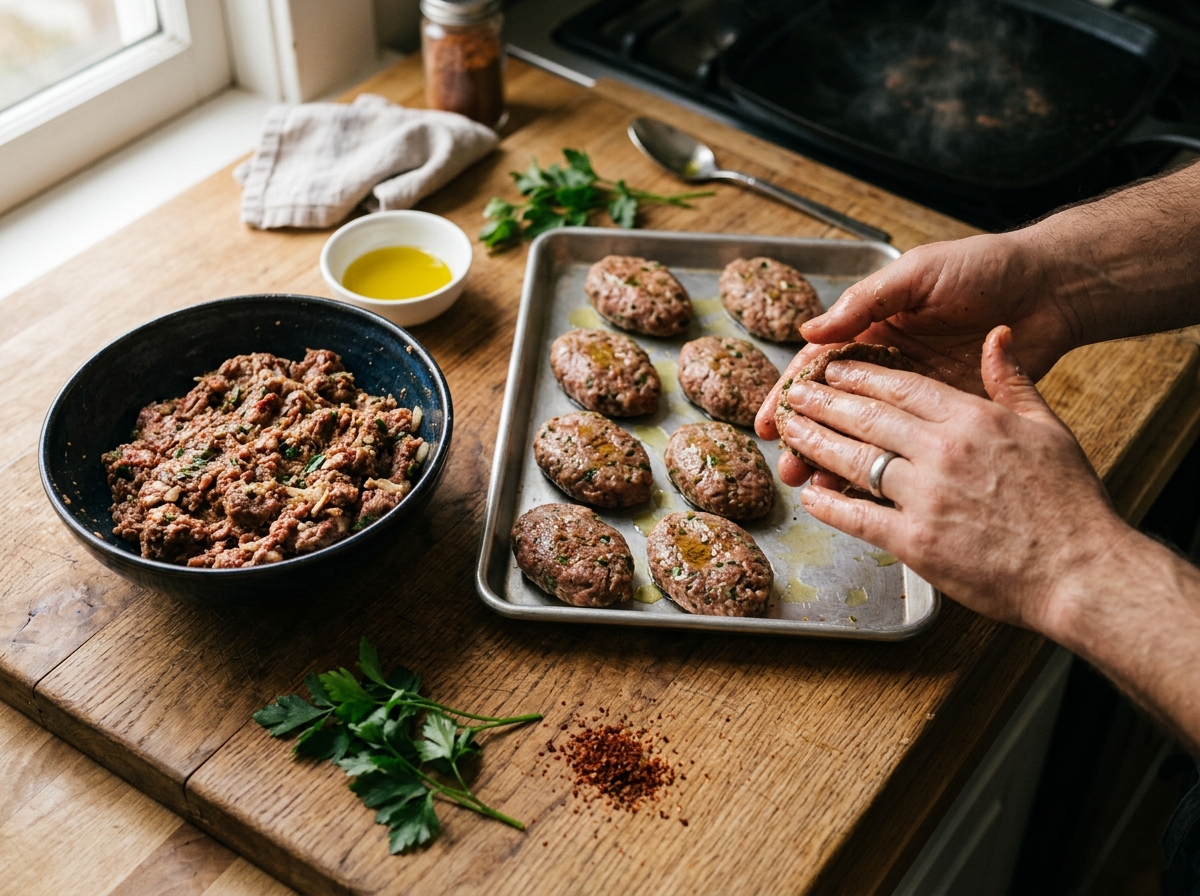
The most critical technique for perfect köfte is the "throwing" method mentioned in traditional recipes. After mixing your ingredients, literally pick up the meat mixture and throw it back into the bowl several times. This isn't just for show – it helps bind the proteins and creates the smooth, cohesive texture that characterizes great köfte. Your mixture should become noticeably smoother and more pliable.
Temperature control is everything when cooking köfte. Start with medium-high heat to achieve that beautiful crust, but be ready to adjust if they're browning too quickly. The köfte should cook for about 3-4 minutes per side, developing a golden-brown exterior while remaining juicy inside. A cast iron griddle or heavy-bottomed pan distributes heat most evenly.
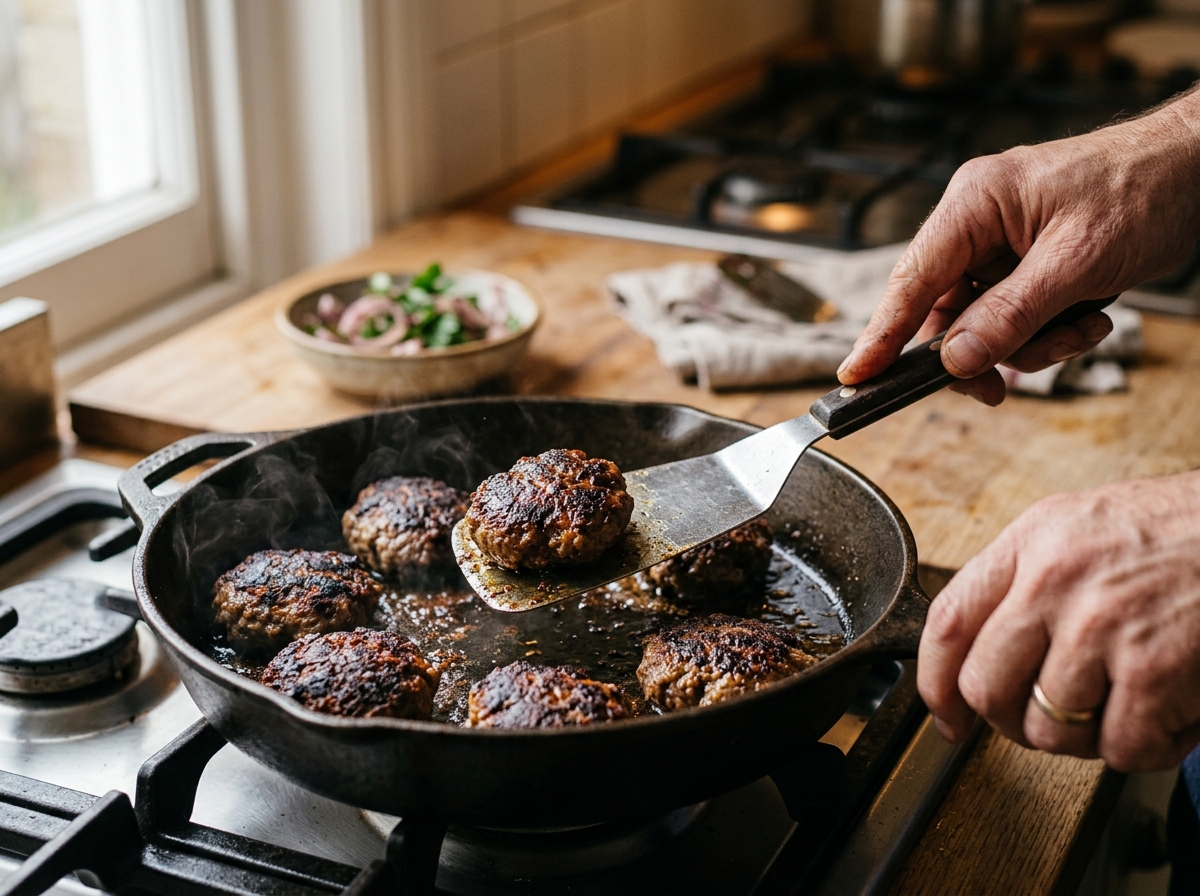
Don't skip the resting period – overnight refrigeration allows the flavors to meld and the proteins to relax, making the köfte easier to shape and more tender when cooked. If you're short on time, at least two hours will make a noticeable difference. When shaping, keep your hands slightly damp to prevent sticking, and aim for uniform sizes to ensure even cooking.
One common mistake is overworking the meat mixture. Once you've combined the ingredients and completed the throwing technique, handle the mixture as little as possible. Overworking develops too much gluten in the breadcrumbs and toughens the meat proteins, resulting in dense, chewy köfte instead of the tender morsels you're after.
Serving & Pairing Suggestions
Turkish köfte shines brightest when served as part of a traditional mezze spread. The classic accompaniments include Turkish piyaz – a refreshing bean salad with onions and herbs that provides a cool contrast to the warm, spiced meat. Fluffy rice pilaf acts as the perfect vehicle for soaking up any delicious pan juices.
Grilled tomatoes and peppers are essential companions, their smoky sweetness complementing the savory köfte beautifully. A dollop of thick yogurt mixed with minced garlic and a sprinkle of sumac adds tangy richness that cuts through the meat's richness. Don't forget fresh herbs – parsley, mint, and dill are traditional choices that brighten the entire meal.
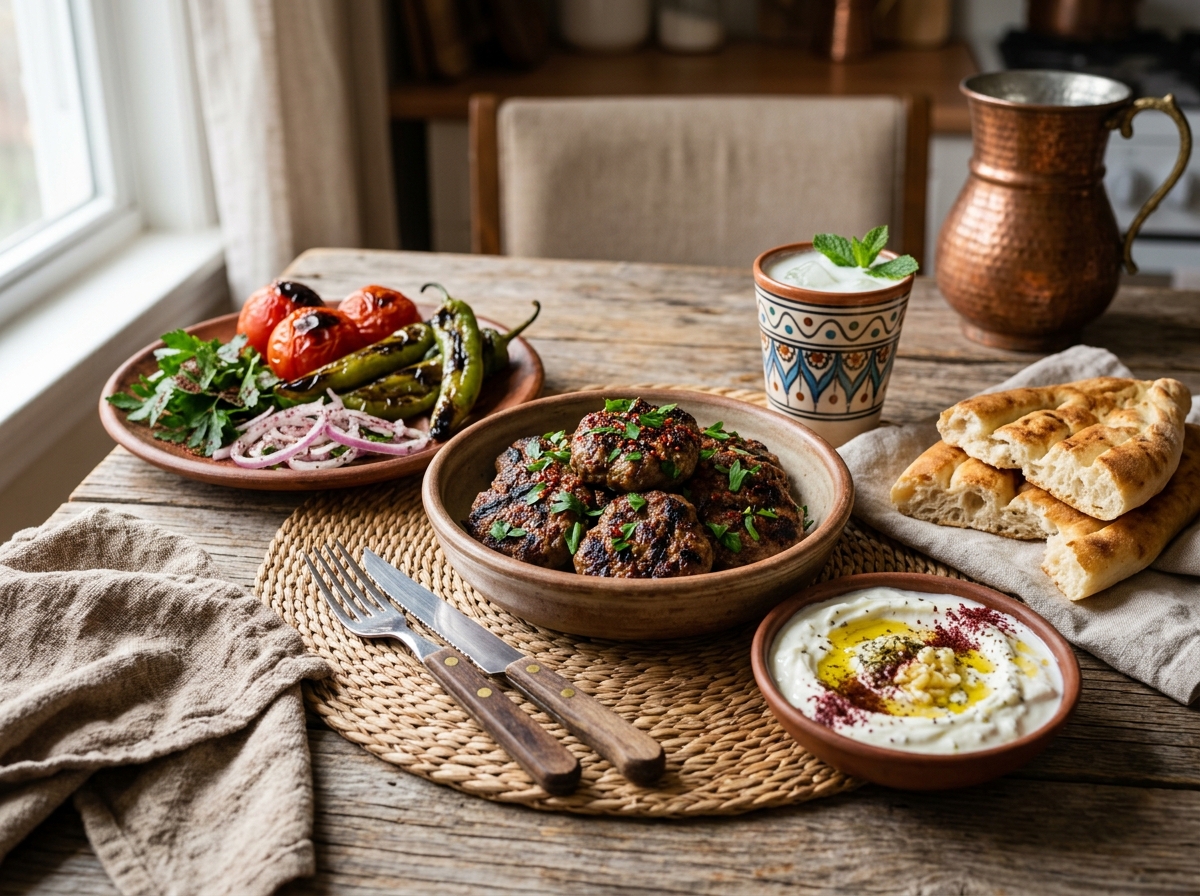
For beverages, consider Turkish tea or ayran (a yogurt-based drink) for an authentic experience. If you prefer wine, a medium-bodied red wine or a crisp white wine pairs wonderfully with the spiced meat.
Make It Your Own
While traditional köfte are perfect as written, there's room for personal touches. Some families add a pinch of cinnamon or allspice for warmth, while others incorporate finely chopped fresh herbs directly into the mixture. For a spicier version, try adding a small amount of red pepper flakes or a touch of harissa paste.
The shape can vary too – traditional round patties are classic, but the elongated İnegöl style mentioned in the recipe creates more surface area for that coveted crust. You can also make mini köfte for appetizers or larger ones for heartier portions. Some cooks even stuff their köfte with a small piece of cheese or a pine nut for a delightful surprise.
For meal prep enthusiasts, köfte freeze beautifully. Shape them, place on a lined baking sheet to freeze individually, then transfer to freezer bags. They can be cooked directly from frozen, just add a few extra minutes to the cooking time.
Conclusion
Creating authentic Turkish köfte is about more than following a recipe – it's about understanding the techniques that have been refined over generations. From the tenderizing power of the baking soda mixture to the importance of proper resting time, each step contributes to the final result. View the full recipe to start your köfte journey, and don't forget to use Cook Mode for hands-free guidance while you master these traditional techniques.
Sources & further reading
- Zeynel İnegöl Köftecisi — Time Out Istanbul
- Local Cuisine of Adana — Turkey Travel Planner
- Centuries-old Abdigor kofte keeps culinary tradition alive in eastern Türkiye — Türkiye Today
- Turkish Food Guide — Visit-Turkey.info
Original Recipe Source
This article is inspired by a recipe from Turkishfoodtravel.
Visit the original source for their version of this recipe and more great content.
Related Topics
Enjoyed this article? Share it with fellow food lovers!
Ready to Cook This Recipe?
Experience our immersive Cook Mode with step-by-step visual guidance, voice narration, and built-in timers.