

25+ Vegetarian Indian Recipes for Every Craving
From creamy dal to spicy paneer curries, these vegetarian Indian recipes showcase the incredible diversity and flavor of plant-based Indian cooking. Perfect for weeknight dinners or weekend feasts.
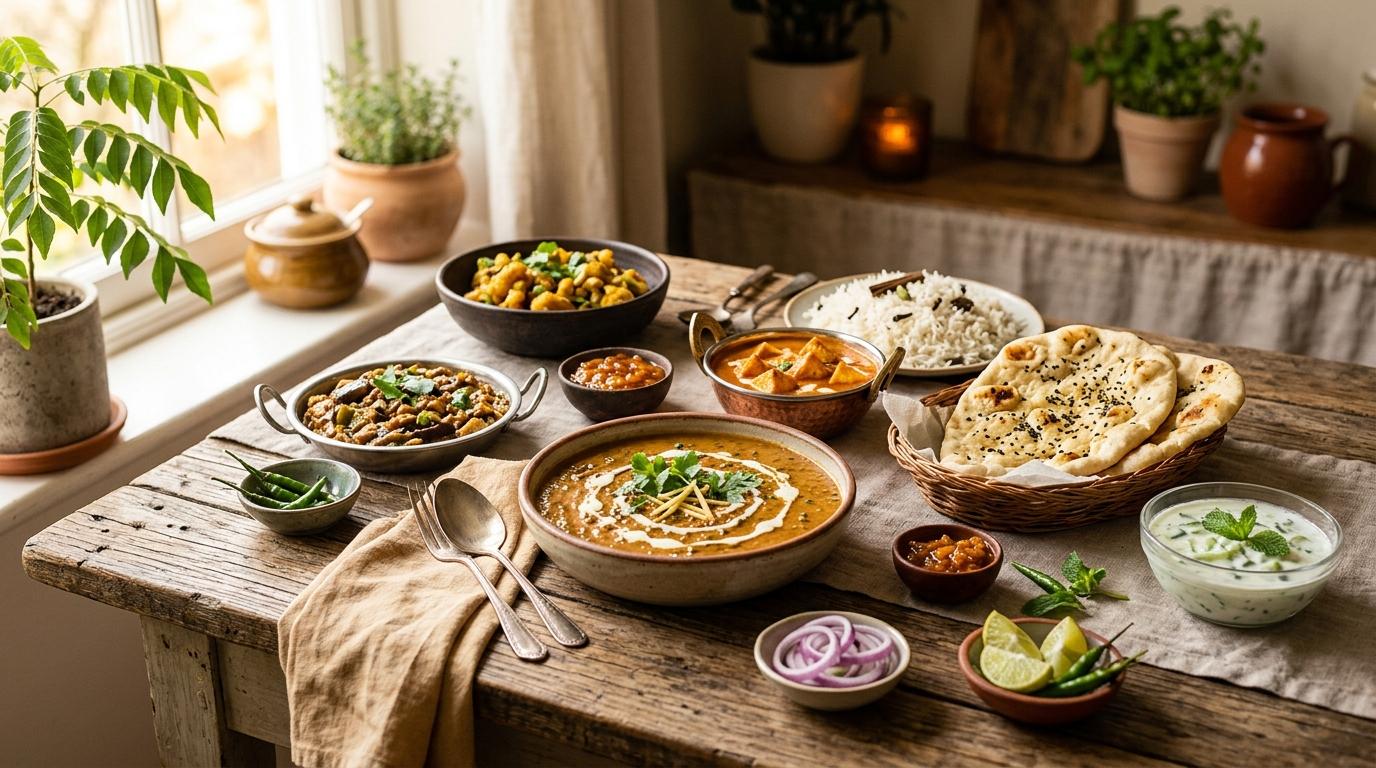
Indian cuisine offers some of the world's most satisfying vegetarian cooking, built on centuries of tradition that celebrates vegetables, legumes, and grains with extraordinary skill. If you're diving into the world of Indian recipes, vegetarian dishes are the perfect starting point — they showcase the cuisine's mastery of spices and technique while being naturally accessible to home cooks.
The beauty of vegetarian Indian cooking lies in its incredible diversity. From the protein-rich dal of North India to the coconut-laced curries of Kerala, from the tangy chaats of street vendors to the elaborate feast dishes of royal kitchens, vegetarian Indian recipes span every flavor profile and cooking technique you can imagine.
What makes these dishes so compelling isn't just their flavor — though the complex spice blends and aromatic bases certainly deliver on that front. It's how they transform humble ingredients into something extraordinary. A simple onion becomes the foundation for a rich masala. Dried lentils bloom into creamy, protein-packed comfort food. Fresh vegetables take on new dimensions through careful spicing and technique.
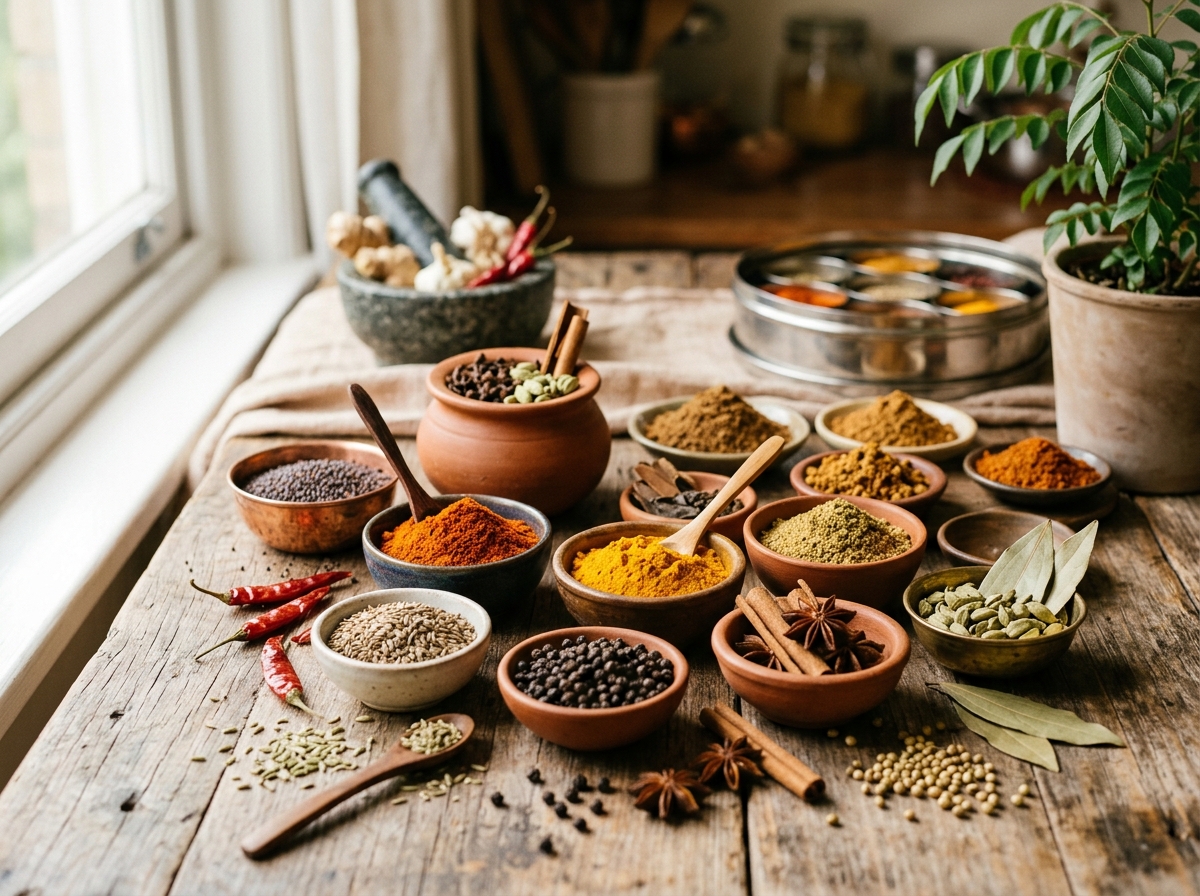
Essential Techniques for Vegetarian Indian Cooking
Before we dive into specific recipes, let's talk about the foundational techniques that make vegetarian Indian dishes sing. Understanding these will help you approach any recipe with confidence.
The tadka or tempering technique forms the backbone of countless dishes. You heat oil or ghee, add whole spices like cumin seeds or mustard seeds, let them sizzle and bloom, then build your flavor base from there. This technique infuses the cooking fat with aromatic compounds that carry through the entire dish.
Another crucial technique is the slow-cooked onion base, or pyaz ka masala. Many Indian curries start with onions cooked until deeply golden or even caramelized. This takes patience — rushing this step by cranking up the heat will leave you with burnt bits instead of that sweet, complex foundation.
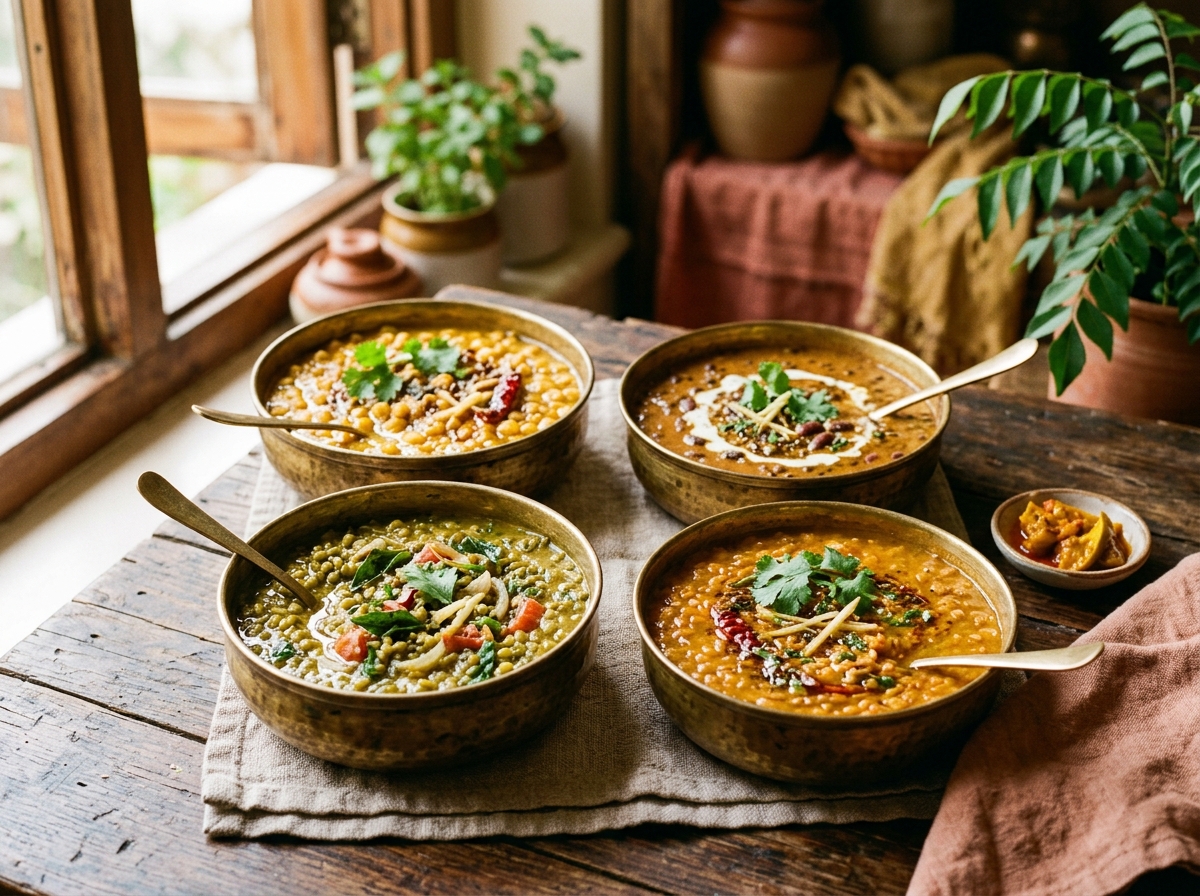
For dal and other legume dishes, the key is understanding how different lentils behave. Red lentils (masoor) cook quickly and break down into a creamy texture. Yellow split peas (chana dal) hold their shape better and add substance. Black lentils (urad dal) need longer cooking but reward you with an incredibly rich, almost buttery texture.
Regional Styles and Their Signature Dishes
Indian vegetarian cooking varies dramatically by region, each bringing its own ingredients, techniques, and flavor profiles to the table.
North Indian vegetarian cuisine tends toward rich, cream-based curries and robust flavors. Think paneer makhani with its velvety tomato-cream sauce, or rajma (kidney bean curry) that's hearty enough to anchor any meal. The cooking fat of choice is often ghee, and dairy plays a prominent role through paneer, yogurt, and cream.
South Indian vegetarian cooking showcases a completely different approach. Coconut, curry leaves, and tamarind create bright, complex flavors. Dishes like sambar (lentil stew with vegetables) and rasam (tangy tomato-based soup) demonstrate how vegetables and legumes can create deeply satisfying meals without any dairy at all.
Western Indian cuisine, particularly from Gujarat and Maharashtra, brings its own specialties. Gujarati dal with its sweet-tangy profile, or the street food tradition of Mumbai with dishes like pav bhaji (spiced vegetable curry with bread rolls) show how regional preferences shape vegetarian cooking.
Eastern Indian cuisine from Bengal and surrounding areas often features subtle spicing that lets individual ingredients shine. Dishes like aloo posto (potatoes with poppy seeds) or shukto (mixed vegetable curry) demonstrate this more restrained approach to spice blending.
Key Ingredients That Define Vegetarian Indian Cooking
Success with vegetarian Indian recipes starts with understanding the core ingredients that appear across different regional styles and dish types.
Lentils and legumes form the protein backbone of vegetarian Indian cuisine. Red lentils cook quickly for weeknight dinners. Yellow split peas add heartiness to curries. Black lentils create luxurious, restaurant-style dishes. Chickpeas work equally well in dry preparations or saucy curries.
Paneer serves as the primary fresh cheese in Indian cooking. You can buy it ready-made or make it at home by curdling milk with lemon juice. Fresh paneer has a mild flavor that absorbs spices beautifully, while slightly aged paneer develops more character.
Vegetables in Indian cooking often get treatment that transforms their essential character. Cauliflower becomes meaty and substantial. Okra loses its sliminess through proper technique. Eggplant melts into silky richness. Potatoes provide hearty substance in countless preparations.
Aromatics and spices deserve their own detailed exploration. Onions, ginger, and garlic form the holy trinity of base flavors. Whole spices like cumin, coriander, and mustard seeds provide the foundation. Ground spices like turmeric, red chili powder, and garam masala add depth and complexity.
Cooking fats vary by region and dietary preference. Ghee adds richness and traditional flavor. Various vegetable oils work for everyday cooking. Coconut oil appears in South Indian preparations where it complements the regional flavor profile.
Essential Vegetarian Indian Recipes to Master
Let's walk through some fundamental recipes that showcase different aspects of vegetarian Indian cooking. Master these, and you'll have the foundation to tackle more complex dishes with confidence.
Perfect Yellow Dal (Moong Dal)
This simple lentil dish demonstrates how basic ingredients transform into something satisfying and nourishing. Yellow split mung beans cook into a creamy consistency that's neither too thick nor too thin.
Start by washing the dal until the water runs clear — this removes excess starch that can make the finished dish gluey. Cook the lentils with turmeric until tender, then build your flavor base separately. Heat ghee, add cumin seeds and dried red chilies, then sautéed onions until golden. Add ginger-garlic paste, tomatoes, and spices. Combine with the cooked dal and simmer until the flavors meld.
The key to great dal lies in the consistency. It should coat a spoon but not stand up on its own. Adjust with water or cooking liquid as needed, and always taste for salt at the end — lentils can absorb a surprising amount.
Restaurant-Style Palak Paneer
This spinach and fresh cheese curry showcases how vegetables can become the star of substantial dishes. The secret to restaurant-quality palak paneer lies in properly preparing both components.
Blanch fresh spinach leaves in boiling water for just a minute, then plunge into ice water to preserve the bright green color. Blend to a smooth puree — this becomes your sauce base. For the paneer, either buy it fresh or make your own by curdling whole milk with lemon juice.
The curry base starts with onions cooked until golden, then ginger-garlic paste, tomatoes, and spices. Add the spinach puree and let it simmer until the raw spinach flavor mellows. Gently fold in the paneer at the end — overcooking makes it tough and rubbery.
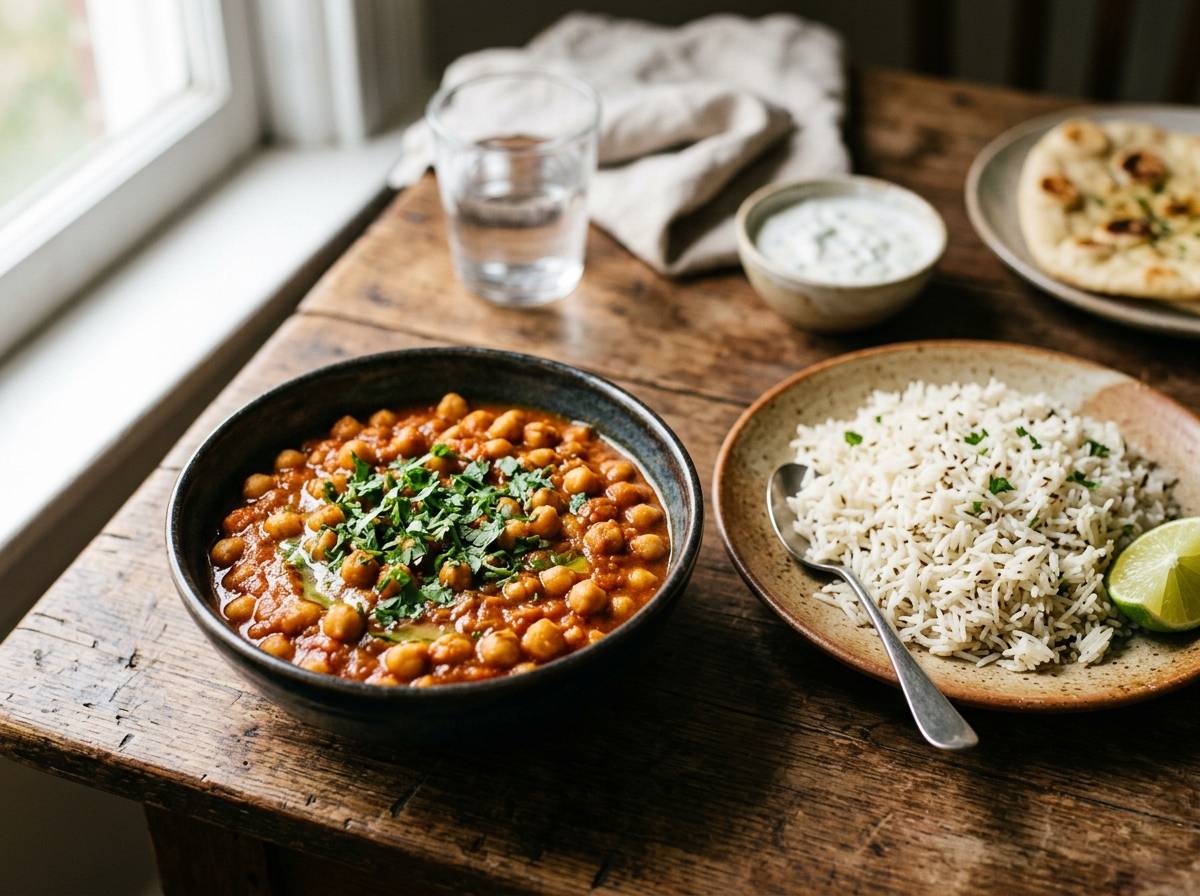
Authentic Chana Masala
This chickpea curry demonstrates how legumes can anchor hearty, satisfying meals. The depth of flavor comes from building layers through proper technique and spice blooming.
If using dried chickpeas, soak them overnight and cook until tender — this gives better texture than canned, though canned works for weeknight versions. The masala base requires patience: onions cooked until deep golden, ginger-garlic paste cooked until fragrant, tomatoes cooked until they break down and lose their raw edge.
The spice blend typically includes coriander, cumin, turmeric, red chili powder, and garam masala. Toast whole spices before grinding for deeper flavor, and bloom ground spices in the oil to awaken their aromatic compounds.
Pro Tips for Better Vegetarian Indian Cooking
Small details make the difference between good and exceptional vegetarian Indian dishes. Here are the techniques that separate home cooking from restaurant-quality results.
Toast your spices. Dry-toasting whole spices for 30-60 seconds before grinding releases essential oils and deepens their flavor. You'll smell the difference immediately — the spices become more aromatic and complex.
Control your onion cooking. Different dishes call for different degrees of onion cooking. Lightly golden onions add sweetness. Deep golden onions provide rich, caramelized flavor. Burnt onions ruin everything — keep the heat moderate and stay patient.
Build heat gradually. Indian cooking often layers different types of heat — fresh chilies, dried chilies, ground chili powder, black pepper, garam masala. Add these elements at different stages rather than dumping everything in at once.
Finish with fresh elements. A sprinkle of garam masala, a handful of fresh cilantro, a squeeze of lemon juice, or a dollop of yogurt can brighten and balance rich, deeply spiced dishes.
Let flavors meld. Many Indian dishes improve after sitting for a few hours or overnight. The spices penetrate the vegetables and legumes, creating more harmonious flavors.
Adapting Recipes for Different Dietary Needs
One of the strengths of vegetarian Indian cooking is how easily it adapts to various dietary preferences and restrictions.
For vegan versions, replace ghee with coconut oil or neutral vegetable oil. Substitute coconut milk or cashew cream for dairy cream. Skip paneer or replace it with firm tofu or homemade cashew cheese.
For low-oil cooking, use water or vegetable broth for sautéing aromatics. The tadka technique still works — just use less oil and add more liquid as needed to prevent sticking.
For meal prep, most dal and curry dishes freeze beautifully. Cook large batches and portion into containers. The flavors often improve after freezing and reheating, as the spices have more time to develop.
Building Complete Vegetarian Indian Meals
A complete vegetarian Indian meal balances different textures, flavors, and nutritional elements. Think beyond a single curry and rice.
Start with a protein-rich dal as your foundation. Add a vegetable curry for variety and nutrition. Include a grain — rice, roti, or bread — to provide substance and help moderate spice levels. Consider a cooling element like raita (yogurt salad) or a fresh salad to balance rich, spiced dishes.
For entertaining, dishes like biryani or pulao incorporate rice and vegetables into a single, impressive preparation. Round out the meal with simpler dal, pickles, and papadums for textural contrast.
The Indian recipes you choose to explore will introduce you to techniques and flavor combinations that transform ordinary ingredients into extraordinary meals. Vegetarian Indian cooking proves that plant-based dishes can be every bit as satisfying and complex as any cuisine in the world.
Start with one or two basic recipes — perhaps a simple dal and a vegetable curry. Master the fundamentals of spice blooming, onion cooking, and seasoning balance. From there, you can expand into regional specialties, more complex spice blends, and festive preparations.
The reward is a cooking repertoire that celebrates vegetables and legumes with the sophistication they deserve, creating meals that satisfy both hunger and the desire for bold, memorable flavors.
Sources & further reading
- Vegetarian Indian Recipes — SAVEUR
- Indian Vegetarian Cuisine — Vegetarian Journal, The Vegetarian Resource Group
- We Indians Love Our Dal. But Do You Know the Fascinating History of Our Favourite Comfort Food? — The Better India
Related Topics
Enjoyed this article? Share it with fellow food lovers!
Import a recipe, start cooking
Paste any recipe URL and we'll turn it into a Cook Mode experience with step-by-step visuals, voice narration, and built-in timers.